
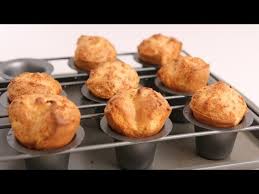
Beautifully puffed, golden-brown popovers with crisp, delicate shells and soft, airy, slightly eggy centers. Made with simple pantry ingredients and baked in a standard muffin tin, these homemade popovers are perfect for breakfast, brunch, or serving alongside a comforting dinner.
Prep Time: 10 minutes | Bake Time: 30–35 minutes | Servings: 12 popovers | Difficulty: Easy
1. Introduction
If you love warm, freshly baked bread with a crispy exterior and a light, airy center, these Classic Golden Popovers are a delicious recipe to try.
Popovers are famous for their impressive height, beautifully browned tops, and delicate hollow interiors.
Unlike traditional bread rolls, popovers don’t require yeast, kneading, or lengthy rising times. Instead, they rely on eggs, milk, flour, and intense oven heat to create their signature puffed appearance.
As the batter bakes, steam causes it to rise dramatically, producing tall, golden pastries with crisp edges and tender centers.
Whether served with butter and jam for breakfast or alongside roasted chicken and gravy for dinner, these homemade popovers are simple, versatile, and satisfying.
2. Origin and Cultural Significance
Popovers are a traditional American baked dish closely related to British Yorkshire puddings.
Both are prepared using a thin batter made primarily from eggs, milk, and flour.
Yorkshire puddings are traditionally associated with British roast dinners and are often baked using meat drippings.
American popovers developed as a similar preparation, commonly baked with butter or oil and served with both sweet and savory accompaniments.
Their name comes from the way the batter rises and pops over the edges of the baking pan.
Although specialized popover pans are available, standard muffin tins also produce delicious results.
Today, popovers are popular at breakfast tables, brunch gatherings, and holiday dinners.
3. Ingredients
For the Popover Batter
- 4 large eggs, at room temperature
- 1½ cups (360 ml) whole milk, at room temperature or slightly warm
- 1½ cups (190 g) all-purpose flour
- 3 tablespoons (42 g) unsalted butter, melted and slightly cooled
- ½ teaspoon salt
For Greasing the Muffin Tin
– 1–2 tablespoons neutral cooking oil, preferably one suitable for high-temperature baking
Optional Serving Additions
- Softened salted butter
- Strawberry or raspberry jam
- Honey
- Fresh fruit
- Cinnamon sugar
- Savory herb butter
Ingredient Notes
Eggs: Provide structure and help the batter rise.
Whole Milk: Contributes moisture, flavor, and tenderness.
Flour: Creates the structure necessary to support the puffed shape.
Butter: Adds richness and a delicate buttery flavor.
Salt: Balances the flavors.
Cooking Oil: Prevents sticking and helps the popovers develop golden, crispy sides.
4. Optional Additions
Cheddar Cheese Popovers
Add ⅓ cup finely shredded cheddar to the batter for a savory variation.
Garlic Herb Popovers
Add ½ teaspoon garlic powder and 1 teaspoon finely chopped fresh herbs.
Black Pepper Popovers
Mix ¼ teaspoon freshly ground black pepper into the batter.
Parmesan-Style Popovers
Add 2 tablespoons finely grated vegetarian-rennet or halal-certified Parmesan-style cheese.
Cinnamon Sugar Popovers
Brush the finished popovers lightly with melted butter and sprinkle with cinnamon sugar.
Vanilla Popovers
Add ½ teaspoon alcohol-free vanilla flavoring for a sweet breakfast variation.
5. Tips for Success
1. Use room-temperature ingredients. Eggs and milk that aren’t refrigerator-cold help the batter heat and expand more consistently.
2. Preheat the oven thoroughly. The initial high temperature is essential for creating steam and encouraging a dramatic rise.
3. Grease the muffin tin generously. Coat the bottoms, sides, and upper rims to prevent sticking.
4. Use a thin, smooth batter. Popover batter should resemble a relatively thin pancake or crêpe batter.
5. Don’t overfill the cups. Filling them approximately two-thirds full gives the batter room to expand.
6. Avoid opening the oven door. Sudden temperature changes can cause the popovers to deflate before their structure sets.
7. Bake until deeply golden. Pale popovers may collapse or become soggy after removal.
8. Release trapped steam. Piercing the finished popovers helps preserve their crispy texture.
6. Instructions
Step 1: Preheat the Oven
Preheat your oven to 450°F (230°C).
Position the oven rack in the lower-middle section to allow room for the popovers to rise.
Step 2: Prepare the Muffin Tin
Generously grease all 12 cups of a standard metal muffin tin using neutral cooking oil.
Coat the bottoms, sides, and upper rims.
Set aside.
Step 3: Prepare the Wet Ingredients
Crack the four eggs into a large mixing bowl.
Add the milk and salt.
Whisk until smooth and slightly frothy.
Step 4: Add the Flour
Gradually add the all-purpose flour.
Whisk until the mixture becomes smooth and no large lumps remain.
Avoid prolonged vigorous mixing.
Step 5: Add the Melted Butter
Pour the slightly cooled melted butter into the batter.
Whisk gently until fully incorporated.
The finished batter should be thin and pourable.
Step 6: Warm the Muffin Tin
Place the greased metal muffin tin in the preheated oven for approximately 2–3 minutes, until hot.
Watch carefully and do not allow the oil to smoke.
Step 7: Fill the Muffin Cups
Carefully remove the hot muffin tin using oven mitts.
Quickly pour the batter into the cups, filling each approximately two-thirds full.
Work carefully because the tin will be very hot.
Step 8: Begin Baking
Immediately transfer the muffin tin to the oven.
Bake at 450°F (230°C) for 20 minutes.
Do not open the oven door during this stage.
The popovers should begin rising dramatically and developing golden tops.
Step 9: Reduce the Temperature
Without opening the oven door, reduce the temperature to 350°F (175°C).
Continue baking for another 10–15 minutes.
Step 10: Check for Doneness
The finished popovers should be:
- Tall and beautifully puffed
- Deep golden brown
- Crispy on the outside
- Set inside, without wet batter
If the popovers appear pale, allow another few minutes of baking.
Step 11: Release the Steam
Remove the muffin tin from the oven.
Carefully lift out each popover.
Use the tip of a small sharp knife to make a tiny opening in the side of each one, allowing excess steam to escape.
Step 12: Serve Immediately
Arrange the warm popovers on a serving platter.
Serve with softened butter, jam, honey, or your favorite savory accompaniments.
7. Description
Classic Golden Popovers are known for their dramatic height, irregular rounded tops, and beautifully crisp texture.
The exterior develops a golden-brown shell, while the inside remains light, tender, and mostly hollow.
The batter has a delicate eggy flavor complemented by the richness of butter and milk.
| Component | Flavor and Texture |
|---|---|
| Outer crust | Crispy, golden, delicate |
| Interior | Light, airy, hollow |
| Eggs | Rich, mildly eggy |
| Milk | Soft, creamy flavor |
| Butter | Rich, lightly buttery |
| Finished popover | Crisp outside, tender inside |
The contrast between the crunchy shell and soft interior makes popovers especially enjoyable when served warm.
8. Nutritional Information
Approximate nutritional values per popover, assuming the recipe makes 12:
| Nutrient | Estimated Amount |
|---|---|
| Calories | 125–155 kcal |
| Protein | 4–5 g |
| Carbohydrates | 13–15 g |
| Total Fat | 6–8 g |
| Saturated Fat | 2–4 g |
| Sugar | 1–2 g |
| Sodium | 110–150 mg |
Values depend on the amount of oil retained during baking and the size of the popovers. Butter, jam, and other toppings are not included.
9. Recipe Details
| Detail | Information |
|---|---|
| Recipe Name | Classic Golden Popovers |
| Cuisine | American |
| Course | Breakfast, Brunch, Side Dish |
| Preparation Time | 10 minutes |
| Baking Time | 30–35 minutes |
| Total Time | 40–45 minutes |
| Yield | 12 popovers |
| Servings | 6–12 |
| Difficulty | Easy |
| Oven Temperature | 450°F, then 350°F |
| Baking Equipment | Standard 12-Cup Muffin Tin |
| Cooking Method | Oven Baking |
| Flavor Profile | Buttery, Lightly Eggy |
| Best Served | Warm and Fresh |
10. Conclusion
Classic Golden Popovers are a wonderful example of how a few simple ingredients can create something impressive.
The combination of eggs, flour, milk, butter, and high oven heat produces beautifully risen pastries with crisp shells and airy interiors.
One of the best things about this recipe is its versatility.
Popovers taste delicious with sweet toppings such as butter and jam, but they also pair beautifully with savory meals.
Whether served for breakfast, brunch, or a family dinner, these homemade popovers are an easy and comforting addition to the table.
11. Serving and Storage Recommendations
Best Ways to Serve
Serve popovers immediately after baking for the crispiest exterior and lightest texture.
They pair beautifully with:
- Salted butter
- Strawberry jam
- Honey
- Scrambled eggs
- Roasted chicken
- Beef stew
- Vegetable soup
- Creamy mushroom sauce
Storing Leftovers
Allow the popovers to cool completely.
Store in an airtight container in the refrigerator for up to 3–4 days.
Their crust will soften during storage.
Reheating
Preheat the oven to 350°F (175°C).
Place the popovers on a baking sheet.
Reheat for approximately 5–8 minutes until warmed through and crisp.
Avoid microwaving when possible, as it can make them soft and chewy.
Freezing
Allow the popovers to cool completely.
Place them in freezer-safe bags or containers.
Freeze for up to two months for best quality.
Reheat directly from frozen in a 350°F (175°C) oven for approximately 10–12 minutes.
Make-Ahead Tips
For the best rise, bake popovers fresh.
You can measure the dry ingredients in advance and prepare the muffin tin before mixing the batter.
If the batter has been refrigerated, bring it toward room temperature and stir gently before baking.
12. Embracing Healthful Indulgence
Classic Popovers are made from familiar baking ingredients and contain relatively little added sugar.
Eggs contribute protein and choline, while milk provides calcium and additional protein.
Flour supplies carbohydrates that can provide energy.
For a balanced meal, serve popovers alongside fresh vegetables, fruit, or a protein-rich main dish.
For a lighter serving, consider using less butter as a topping or pairing the popovers with fresh fruit instead of sweet spreads.
Small amounts of whole-wheat flour can also be incorporated, although they may produce a denser popover with less dramatic height.
The appeal of this recipe lies in the contrast between its crisp golden shell and delicate, airy interior.
With their towering golden tops, crispy edges, and soft hollow centers, these Classic Homemade Popovers are a delicious addition to breakfast, brunch, or comforting family dinners.
#HomemadePopovers #ClassicPopovers #EasyBreadRecipes #BreakfastBaking #GoldenPopovers