
1. Introduction
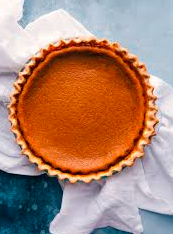
Classic Southern Sweet Potato Pie is a traditional American dessert featuring a smooth, creamy sweet potato filling baked inside a buttery, flaky pastry crust. It is known for its naturally sweet flavor, warm spices, and beautiful golden-orange color.
Prepared with roasted or boiled sweet potatoes, butter, eggs, milk, sugar, and aromatic spices, this pie offers a rich and comforting taste with a delicate custard-like texture.
It is particularly popular during autumn and winter celebrations and is often served during Thanksgiving, Christmas, and family gatherings.
2. Origin
Southern Sweet Potato Pie originated in the southern United States, where sweet potatoes have been an important ingredient in traditional cooking for generations.
The recipe reflects African American culinary heritage and the influence of West African food traditions, particularly the historical importance of sweet potatoes and other root vegetables.
During the development of Southern American cuisine, sweet potatoes became a popular ingredient in baked desserts, eventually inspiring the creation of sweet potato pie.
The dessert developed as an alternative to European-style custard and pumpkin pies, incorporating locally available ingredients and traditional Southern baking techniques.
Today, Southern Sweet Potato Pie remains an important part of American culinary heritage.
3. Cultural Significance
Sweet Potato Pie holds a special place in Southern American food culture, particularly within African American culinary traditions.
It is strongly associated with family gatherings, holiday celebrations, and traditional home cooking.
The pie is commonly served during:
- Thanksgiving family dinners.
- Christmas celebrations.
- Sunday family gatherings.
- Community celebrations and reunions.
- Autumn and winter festivities.
- Special occasions and traditional Southern meals.
Beyond its delicious flavor, Sweet Potato Pie represents family traditions, cultural heritage, and the importance of sharing homemade food across generations.
4. Ingredients and Quantities
The following ingredients produce one 9-inch pie, approximately eight servings.
For the pie crust:
| Ingredient | Quantity |
|---|---|
| Unbaked 9-inch pie crust | 1 |
For the sweet potato filling:
| Ingredient | Quantity |
|---|---|
| Medium sweet potatoes | 2–3 (approximately 680 g) |
| Unsalted butter, softened | ½ cup (113 g) |
| Packed light brown sugar | ¾ cup |
| Granulated white sugar | ¼ cup (optional) |
| Large eggs, room temperature | 2 |
| Evaporated milk | ⅔ cup |
| Pure vanilla extract | 1 teaspoon |
| Ground cinnamon | 1 teaspoon |
| Ground nutmeg | ½ teaspoon |
| Ground ginger | ¼ teaspoon |
| Salt | ¼ teaspoon |
Preparation time: Approximately 20 minutes.
Sweet potato cooking time: 45–60 minutes.
Pie baking time: 50–60 minutes.
Oven temperature: 200°C initially, then 175°C.
Yield: 8 servings.
5. Optional Additions
The traditional recipe can be customized with additional ingredients to create different flavors and textures.
- Ground cloves: Add a warm, aromatic spice flavor.
- Orange zest: Introduces a refreshing citrus aroma.
- Maple syrup: Provides a deeper natural sweetness.
- Brown butter: Creates a richer, slightly nutty flavor.
- Cream cheese: Produces a richer and creamier filling.
- Coconut milk: Introduces a subtle tropical flavor.
- Chopped pecans: Add a crunchy texture.
- Almond extract: Provides a delicate nutty aroma.
- Whipped cream: Creates a light and creamy topping.
- Caramel sauce: Adds sweetness and a decorative finish.
6. Tips for Success
- Choose sweet potatoes with naturally sweet, orange-colored flesh.
- Roast the sweet potatoes for a deeper flavor and reduced moisture.
- Allow the cooked sweet potatoes to cool slightly before removing their skins.
- Mash the sweet potatoes thoroughly to achieve a smooth filling.
- Use room-temperature eggs and softened butter for easier mixing.
- Avoid adding excessive milk because this can make the filling too liquid.
- Mix the ingredients until creamy and uniform.
- Use a pre-prepared pie crust to simplify the process.
- Monitor the crust edges during baking to prevent excessive browning.
- Avoid overbaking because this can produce a dry or cracked filling.
- Allow the pie to cool completely before slicing.
- Refrigerate leftovers in an airtight container.
7. Instructions
Step 1: Cook the sweet potatoes
Preheat the oven to 200°C (400°F).
Wash the sweet potatoes thoroughly and pierce them several times with a fork.
Place them on a foil-lined baking sheet and roast for approximately 45–60 minutes, or until completely tender.
Alternatively, peel and cut the sweet potatoes into cubes, then boil them for 15–20 minutes until fork-tender. Drain thoroughly.
Step 2: Prepare the sweet potato purée
Allow the cooked sweet potatoes to cool slightly.
Remove their skins and transfer the flesh into a large mixing bowl.
Mash using a potato masher or electric mixer until completely smooth.
You should obtain approximately two cups of sweet potato purée.
Step 3: Prepare the filling
Reduce the oven temperature to 175°C (350°F).
Add the softened butter to the warm sweet potato purée.
Mix until the butter melts and becomes fully incorporated.
Add the brown sugar, granulated sugar, eggs, evaporated milk, vanilla extract, cinnamon, nutmeg, ginger, and salt.
Beat the mixture until smooth, creamy, and evenly combined.
Step 4: Prepare the pie crust
Place the unbaked 9-inch pie crust into a pie dish.
Press it gently against the bottom and sides of the dish.
Arrange the edges using your fingers or a fork to create a decorative crimped border.
Step 5: Fill the pie crust
Pour the prepared sweet potato filling into the unbaked pie crust.
Spread the filling evenly using a spatula to create a smooth surface.
Step 6: Bake the pie
Place the pie in the preheated oven at 175°C (350°F).
Bake for approximately 50–60 minutes, or until the edges are set and a knife inserted near the center comes out mostly clean.
The center may retain a slight jiggle when the pie is removed from the oven.
If the crust edges become too brown during baking, cover them loosely with aluminum foil.
Step 7: Cool the pie
Remove the pie from the oven and transfer it to a wire cooling rack.
Allow it to cool completely at room temperature so the filling can firm up and develop its proper consistency.
Step 8: Serve
Slice the cooled pie into equal portions.
Serve plain or accompany it with freshly whipped cream, vanilla ice cream, or a light caramel drizzle.
8. Description
Classic Southern Sweet Potato Pie is a traditional baked dessert distinguished by its smooth orange filling and golden, crimped pastry crust.
The sweet potato purée provides the foundation of the filling, creating a naturally sweet and creamy consistency.
Butter contributes richness, while evaporated milk and eggs help develop the smooth custard-like structure.
Cinnamon, nutmeg, and ginger introduce warm aromatic flavors that complement the natural sweetness of the sweet potatoes.
During baking, the filling becomes firm while maintaining a delicate, creamy texture.
The finished pie has a slightly matte orange surface, a buttery crust, and a rich flavor that makes it a popular alternative to traditional pumpkin pie.
9. Nutritional Information
The following nutritional values are approximate estimates based on the complete recipe, assuming eight servings. Actual values depend on the pie crust and ingredients used.
| Nutritional Component | Estimated Amount per Serving |
|---|---|
| Calories | 350–390 kcal |
| Protein | 5–6 g |
| Carbohydrates | 48–53 g |
| Fat | 16–19 g |
| Fiber | 2–3 g |
| Sugar | 25–30 g |
Nutritional highlights:
- Sweet potatoes provide beta-carotene, which the body converts into vitamin A.
- Sweet potatoes contribute dietary fiber.
- Eggs provide protein and essential nutrients.
- Evaporated milk contributes calcium and protein.
- Cinnamon and ginger contain naturally occurring plant compounds.
- Butter contributes fat and creates the filling’s rich consistency.
The added sugars, butter, and pastry crust contribute significantly to the overall calorie content.
10. Conclusion
Classic Southern Sweet Potato Pie is a traditional American dessert that combines the natural sweetness of sweet potatoes with a smooth, spiced filling and a buttery pastry crust.
Its distinctive flavor, creamy texture, and golden-orange appearance make it a popular choice for family gatherings and festive celebrations.
The recipe uses simple ingredients and straightforward preparation techniques, making it suitable for both beginner and experienced home bakers.
Beyond its delicious taste, the pie represents an important part of Southern American culinary heritage and traditional family baking.
11. Recommendation
Classic Southern Sweet Potato Pie is highly recommended for people who enjoy traditional homemade desserts with warm spices and creamy fillings.
For the best results:
- Choose naturally sweet, fresh sweet potatoes.
- Roast rather than boil the sweet potatoes for a deeper flavor.
- Use pure vanilla extract.
- Incorporate the spices gradually according to your preferences.
- Ensure the filling is completely smooth before baking.
- Avoid overbaking to preserve the creamy texture.
- Allow sufficient cooling time before slicing.
It pairs particularly well with:
- Freshly whipped cream.
- Vanilla ice cream.
- Pecan pieces.
- Caramel sauce.
- Hot coffee or black tea.
- Fresh fruit.
It is especially suitable for Thanksgiving dinners, Christmas celebrations, and traditional family gatherings.
12. Embracing Healthful Indulgence
Classic Southern Sweet Potato Pie can be enjoyed as part of a balanced and varied diet when consumed in appropriate portions.
Sweet potatoes provide valuable nutrients, particularly beta-carotene, dietary fiber, and potassium. Eggs and evaporated milk contribute protein and calcium.
For a lighter variation, consider:
- Reducing the quantity of added sugar.
- Using evaporated milk with reduced fat.
- Reducing the amount of butter slightly.
- Preparing a thinner pastry crust.
- Increasing the proportion of sweet potato filling.
- Using natural spices and vanilla to enhance flavor without additional sugar.
- Serving moderate portions with fresh fruit.
These modifications can help adjust the nutritional profile while preserving the characteristic flavor and creamy consistency of the traditional recipe.
The essence of healthful indulgence is appreciating traditional homemade desserts, making thoughtful ingredient choices, and enjoying flavorful food with balance and moderation.