
1. Introduction
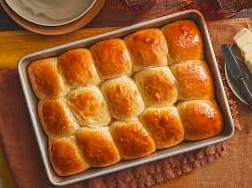
Soft Buttery Pull-Apart Dinner Rolls are homemade yeast rolls characterized by their fluffy interior, golden-brown tops, and delicate buttery flavor.
These rolls are baked close together in a rectangular baking pan, allowing them to rise into a connected arrangement that can easily be pulled apart.
Brushing the freshly baked rolls with melted butter gives them a beautiful shine, enhances their flavor, and keeps the crust soft. A light sprinkle of flaky sea salt provides a pleasant contrast to their slightly sweet dough.
They are ideal for family dinners, holiday celebrations, breakfast, and special occasions.
2. Origin
Dinner rolls are traditionally associated with European bread-making traditions, particularly British and American cuisine.
Soft enriched bread dough became increasingly popular as butter, milk, eggs, and sugar were incorporated into everyday bread recipes.
In the United States, dinner rolls became a familiar accompaniment to family meals, restaurant dinners, Thanksgiving celebrations, and holiday gatherings.
Pull-apart rolls developed as a convenient variation in which individual dough portions are arranged closely together before baking.
3. Cultural Significance
Dinner rolls hold an important place in traditional family dining, particularly in American households.
They are commonly served during:
- Thanksgiving dinners.
- Christmas celebrations.
- Sunday family meals.
- Wedding receptions.
- Birthday celebrations.
- Family gatherings.
- Special holiday dinners.
Their soft texture and mild flavor make them suitable for accompanying a wide variety of savory dishes.
4. Ingredients and Quantities
Yield: 24 dinner rolls
Main Ingredients
| Ingredient | Quantity |
|---|---|
| All-purpose or bread flour | 540 g |
| Whole milk, warm | 240 ml |
| Instant or active dry yeast | 7 g |
| Granulated sugar or honey | 50 g |
| Unsalted butter, softened | 85 g |
| Large egg | 1 |
| Fine salt | 1½ teaspoons |
Topping
| Ingredient | Quantity |
|---|---|
| Melted unsalted butter | 2–3 tablespoons |
| Flaky sea salt | As needed |
Preparation Information
- Preparation time: 25 minutes.
- First rising: 1–1½ hours.
- Second rising: 45–60 minutes.
- Baking time: 18–22 minutes.
- Oven temperature: 190°C (375°F).
- Baking pan: 23 × 33 cm (9 × 13 inches).
5. Optional Additions
The basic recipe can be modified with additional ingredients.
For additional flavor:
- Garlic powder.
- Fresh chopped parsley.
- Dried rosemary.
- Dried thyme.
- Honey.
- Parmesan cheese.
For different toppings:
- Sesame seeds.
- Poppy seeds.
- Grated Parmesan.
- Garlic butter.
- Melted honey butter.
For serving:
- Creamy butter.
- Honey.
- Strawberry jam.
- Cream cheese.
- Garlic herb spread.
6. Tips for Success
- Use fresh yeast to ensure proper dough fermentation.
- Make sure the milk is warm, not hot, to avoid damaging the yeast.
- Measure the flour accurately to prevent dry or dense rolls.
- Knead the dough until it becomes smooth and elastic.
- Avoid adding excessive flour during kneading.
- Allow the dough sufficient time to double in size during the first rise.
- Divide the dough into equal portions for uniform baking.
- Shape each portion into a smooth ball with a tight surface.
- Arrange the dough balls close together in the baking pan.
- Allow the second rise until the rolls become visibly puffy.
- Avoid overbaking, which can make the rolls dry.
- Brush with melted butter immediately after baking.
- Add flaky sea salt while the butter is still warm.
7. Instructions
Step 1: Activate the Yeast
In a large mixing bowl, combine the warm milk, yeast, and one tablespoon of the sugar.
Whisk gently and allow the mixture to rest for approximately 5–10 minutes until it becomes foamy.
This indicates that the yeast is active.
Step 2: Prepare the Dough
Add the remaining sugar, egg, softened butter, salt, and flour.
Mix until all ingredients are incorporated and a slightly sticky dough forms.
Transfer the dough to a clean working surface or use a stand mixer fitted with a dough hook.
Knead for approximately 8–10 minutes until the dough becomes smooth, elastic, and slightly tacky.
Step 3: First Rise
Place the dough in a lightly greased mixing bowl.
Cover with plastic wrap or a clean kitchen towel.
Leave it in a warm place for approximately 1–1½ hours, or until it doubles in size.
The fermentation process helps develop the dough’s structure and creates a light, airy texture.
Step 4: Shape the Rolls
Transfer the risen dough to a lightly floured surface.
Gently press it to release excess air.
Divide the dough into 24 equal portions, approximately 40–45 g each.
Shape each portion into a smooth, round ball by folding the edges underneath and gently rolling it against the working surface.
Arrange the dough balls in a greased 23 × 33 cm baking pan, leaving small spaces between them.
Step 5: Second Rise
Cover the baking pan loosely with a clean kitchen towel or plastic wrap.
Allow the rolls to rise for approximately 45–60 minutes.
They should become noticeably larger, soft, and puffy, with their sides beginning to touch.
Meanwhile, preheat the oven to 190°C (375°F).
Step 6: Bake
Place the baking pan in the preheated oven.
Bake for approximately 18–22 minutes until the tops develop an attractive golden-brown color.
The rolls should be fully cooked while maintaining a soft and fluffy interior.
Step 7: Add Butter and Sea Salt
Remove the baking pan from the oven.
Immediately brush the tops generously with melted butter using a pastry brush.
Sprinkle lightly with flaky sea salt while the butter is still warm.
The butter creates a glossy finish and enhances the rolls’ softness and flavor.
Step 8: Cool and Serve
Allow the rolls to cool slightly before serving.
Separate the individual portions gently by pulling them apart.
Serve warm with butter, honey, jam, or alongside your favorite main dishes.
8. Description
Soft Buttery Pull-Apart Dinner Rolls are enriched yeast breads with a delicate texture and a rich buttery taste.
Their golden-brown exterior contrasts beautifully with their soft, airy, and tender interior.
The rolls are arranged closely together in a rectangular baking pan, creating individual portions that remain connected during baking.
Once baked, the tops are brushed with melted butter, giving them an attractive glossy appearance and a delicate buttery aroma.
The addition of flaky sea salt enhances the flavor while balancing the subtle sweetness of the dough.
These rolls are particularly enjoyable when served warm, when their interior remains soft and easy to separate.
9. Nutritional Information
Approximate nutritional values per roll, assuming 24 rolls:
| Nutritional Component | Estimated Amount |
|---|---|
| Calories | 135–155 kcal |
| Protein | 3–4 g |
| Carbohydrates | 20–23 g |
| Fat | 4–6 g |
| Fiber | 0.5–1 g |
| Sugar | 2–3 g |
Values depend on the flour used, the amount of butter applied after baking, and the final size of each roll.
10. Conclusion
Soft Buttery Pull-Apart Dinner Rolls are an excellent example of traditional enriched bread-making.
Their combination of milk, butter, eggs, and yeast produces a tender, fluffy texture with a delicate sweetness.
The pull-apart arrangement makes them practical to serve, while the melted butter and flaky sea salt create an appealing finish.
They are suitable for everyday meals, family gatherings, holiday celebrations, and special occasions.
11. Recommendation
For the best results, use bread flour, allow sufficient fermentation time, and avoid overworking the dough with excessive additional flour.
Pay particular attention to the second rise, as it contributes significantly to the final softness and volume.
For an especially flavorful variation, prepare a garlic-herb butter using melted butter, fresh parsley, and a little garlic.
These dinner rolls pair particularly well with:
- Roasted chicken.
- Smothered turkey wings.
- Braised oxtail.
- Baked macaroni and cheese.
- Lasagna.
- Creamy soups.
- Roasted vegetables.
- Grilled meat.
12. Embracing Healthful Indulgence
Dinner rolls can be enjoyed as part of a balanced diet when consumed in appropriate portions.
For a lighter variation, consider:
- Replacing part of the all-purpose flour with whole-wheat flour.
- Reducing the added sugar slightly.
- Using unsalted butter.
- Controlling the quantity of butter applied after baking.
- Pairing the rolls with protein-rich foods.
- Serving them alongside vegetables and salads.
Whole-wheat flour can increase the fiber content, while reducing added butter can lower the overall fat content.
The objective is to preserve the traditional softness and flavor while making small adjustments to support a balanced eating pattern.