
Introduction
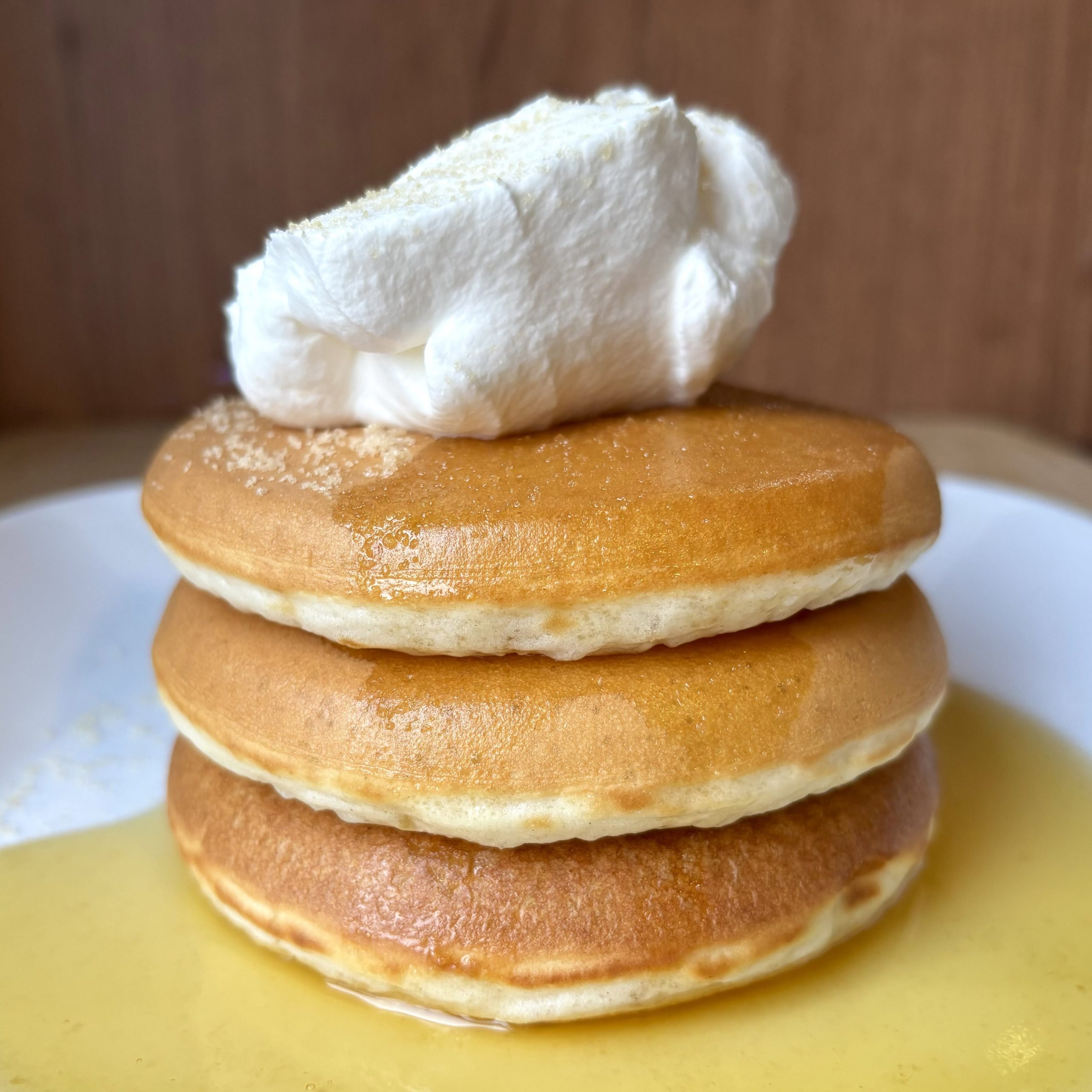
Fluffy Buttermilk Pancakes with Whipped Cream and Maple Syrup are a classic breakfast favorite, perfect for slow weekend mornings, family brunches, or a special homemade treat. These pancakes feature beautifully golden surfaces, soft and tender centers, and a light texture that pairs perfectly with sweet maple syrup and freshly whipped vanilla cream.
The secret to their delicious texture lies in the combination of buttermilk, baking powder, and baking soda. Buttermilk adds a gentle tang while reacting with the baking soda to help create a tender crumb. Meanwhile, melted butter and vanilla extract contribute richness and warmth, making every bite taste comforting and satisfying.
Topped with a generous drizzle of pure maple syrup and a cloud of homemade whipped cream, this pancake stack looks just as inviting as it tastes. A small pat of butter and a light dusting of powdered sugar make the presentation even more special.
Despite their impressive appearance, these pancakes are simple to prepare using everyday ingredients. In approximately 35 minutes, you can create a breakfast that feels like something from your favorite brunch café without leaving home.
Origin
Pancakes have a long history, with variations appearing in many cultures around the world. Different communities have developed their own versions using ingredients such as flour, eggs, milk, water, and leavening agents.
The modern American-style pancake is typically thicker and fluffier than many European crepes. Baking powder and baking soda help create its characteristic rise, while ingredients such as buttermilk add tenderness and flavor.
Buttermilk pancakes became a familiar feature of American home cooking and diner-style breakfasts. Their popularity reflects the appeal of simple, affordable ingredients transformed into a warm and satisfying meal.
Maple syrup has a particularly strong association with North American food traditions, especially in regions where maple trees are tapped to collect sap for syrup production. Whipped cream adds a rich finishing touch that turns an everyday breakfast into something more indulgent.
This recipe brings these familiar elements together in a classic breakfast combination: fluffy pancakes, sweet maple syrup, and freshly whipped vanilla cream.
Cultural Significance
Pancakes are enjoyed in many countries, but the tall, fluffy stack served with butter and maple syrup has become an iconic image of American breakfast culture.
They are often associated with weekend brunches, family breakfasts, diners, and special occasions. Their simple preparation also makes them a popular choice for cooking with children or preparing a comforting meal at home.
Buttermilk pancakes are especially appreciated for their soft texture and slightly tangy flavor, which balance the sweetness of syrup and whipped cream.
The toppings can also be adapted to suit different preferences. Fresh berries, sliced bananas, toasted nuts, or fruit compotes provide alternatives to the classic combination, while chocolate chips make the pancakes feel more like a dessert.
This recipe celebrates the familiar pleasure of sharing a warm stack of pancakes at the breakfast table, where simple ingredients and a little extra care can make an ordinary morning feel special.
Ingredients and Quantities
For the Buttermilk Pancakes
- 2 cups all-purpose flour
- 3 tablespoons granulated sugar
- 2 teaspoons baking powder
- 1/2 teaspoon baking soda
- 1/2 teaspoon salt
- 1 3/4 cups buttermilk
- 2 large eggs, at room temperature
- 4 tablespoons unsalted butter, melted
- 2 teaspoons vanilla extract
- 1 tablespoon vegetable oil or butter, for cooking
For the Vanilla Whipped Cream
- 1 cup heavy whipping cream, chilled
- 2 tablespoons powdered sugar
- 1 teaspoon vanilla extract
For Serving
- 1/2 cup pure maple syrup
- 1 tablespoon unsalted butter, optional
- 1 tablespoon powdered sugar, optional, for dusting
Optional Additions
One of the best things about homemade pancakes is how easily they can be customized.
Fresh berries: Add strawberries, blueberries, raspberries, or blackberries for a bright, fruity contrast to the sweet syrup.
Sliced bananas: Arrange banana slices between the pancakes or over the top of the stack for extra sweetness and a soft texture.
Chocolate chips: Fold a small handful of chocolate chips into the batter for a sweeter variation.
Cinnamon: Add 1/2 teaspoon ground cinnamon to the dry ingredients for a warm, aromatic flavor.
Lemon zest: A little finely grated lemon zest can brighten the flavor of the pancakes and complement the vanilla cream.
Toasted pecans or walnuts: Sprinkle chopped toasted nuts over the finished stack for crunch and a nutty flavor.
Honey: If maple syrup is unavailable, honey can provide a different but delicious sweet topping.
Fruit compote: Warm blueberries, strawberries, or apples with a little sugar and water to create a spoonable fruit topping.
Greek yogurt: Replace some of the whipped cream with plain Greek yogurt for a tangier topping.
Tips for Success
1. Use Fresh Leavening Agents
Baking powder and baking soda help the pancakes rise and develop their characteristic fluffy texture. If either ingredient has lost its effectiveness, the pancakes may turn out flatter and denser.
2. Avoid Overmixing the Batter
Once the wet and dry ingredients are combined, stir only until no large patches of dry flour remain. Small lumps are perfectly fine.
Overmixing develops more gluten in the flour, which can make pancakes chewy instead of tender.
3. Let the Batter Rest
Allowing the batter to rest for 5–10 minutes gives the flour time to absorb the liquid and allows the leavening agents to begin working. This helps create a smoother, more consistent texture.
4. Use Room-Temperature Eggs
Room-temperature eggs combine more easily with the buttermilk and melted butter. If your eggs are cold, place them in a bowl of lukewarm water for several minutes before cracking them.
Make sure the melted butter has cooled slightly before mixing it with the eggs to avoid partially cooking them.
5. Cook Over Medium-Low Heat
A skillet that is too hot can brown the outside before the center cooks through. Medium-low heat gives the pancakes time to rise and cook evenly.
The ideal surface should be hot enough for gentle, steady cooking without immediately darkening the batter.
6. Grease the Pan Lightly
Use a thin coating of butter or oil rather than a large amount. Excess grease can cause uneven browning and create darker patches on the pancake surfaces.
Wipe away any excess with a paper towel before adding the batter.
7. Flip Only When Ready
Wait until small bubbles appear across the surface and the edges begin to look set before flipping. Turning the pancakes too early can cause them to break or spread unevenly.
Flip once and allow the second side to finish cooking without pressing down on the pancake.
8. Whip the Cream While It Is Cold
Cold heavy cream whips more easily and holds its shape better. Using a chilled bowl can also help, especially in a warm kitchen.
Stop beating when soft to medium peaks form that hold their shape. Overwhipping can make the cream grainy.
9. Keep the Pancakes Warm Without Drying Them Out
Place cooked pancakes on a baking sheet in an oven preheated to 200°F (95°C) if you need to keep them warm while finishing the batch.
Avoid leaving them uncovered for too long, as this can dry out the edges.
Instructions
Step 1: Prepare the Dry Ingredients
In a large mixing bowl, whisk together the all-purpose flour, granulated sugar, baking powder, baking soda, and salt.
Mix thoroughly so the leavening agents are evenly distributed throughout the flour. This helps the pancakes rise consistently and prevents concentrated pockets of baking powder or soda.
Step 2: Mix the Buttermilk Pancake Batter
In a separate bowl, whisk together the buttermilk, eggs, melted butter, and vanilla extract until smooth.
Gradually pour the wet ingredients into the dry ingredients. Stir gently with a spatula or wooden spoon until the mixture is just combined.
Do not try to eliminate every small lump. Overmixing can make the pancakes tough.
Allow the batter to rest for 5–10 minutes while you prepare the whipped cream.
Step 3: Prepare the Homemade Vanilla Whipped Cream
Pour the chilled heavy whipping cream into a cold mixing bowl. Add the powdered sugar and vanilla extract.
Using an electric mixer, beat on medium-high speed for approximately 2–3 minutes, checking frequently as the cream thickens.
Stop when soft to medium peaks form and the cream looks fluffy and holds its shape. Avoid beating for too long.
Cover and refrigerate the whipped cream until the pancakes are ready to serve.
Step 4: Heat the Skillet
Place a large nonstick skillet or griddle over medium-low heat and allow it to warm evenly.
Lightly grease the cooking surface with a small amount of butter or vegetable oil. Wipe away any excess grease with a paper towel.
To test the temperature, add a small drop of batter. It should begin cooking gently without immediately turning dark brown.
Step 5: Cook the Pancakes Until Golden and Fluffy
Pour approximately 1/3 cup of batter onto the skillet for each pancake, leaving enough space between them to flip comfortably.
Cook for about 2–3 minutes, or until small bubbles appear on the surface and the edges begin to look set.
Slide a spatula underneath and flip carefully. Cook the second side for another 1–2 minutes, until golden brown and fully cooked through.
Transfer the finished pancakes to a plate. Lightly grease the skillet again if necessary, then repeat with the remaining batter.
Adjust the heat as needed throughout cooking to prevent the surfaces from browning too quickly.
Step 6: Keep the Pancakes Warm
If you are cooking several batches, transfer the finished pancakes to a baking sheet and keep them in an oven preheated to 200°F (95°C).
Arrange them in a single layer where possible. If you need to stack them, do so loosely to reduce trapped steam and help preserve their golden surfaces.
Avoid keeping the pancakes warm for an extended period, as they can gradually lose moisture.
Step 7: Assemble the Pancake Stack
Arrange three warm pancakes on each serving plate, creating a neat stack.
Drizzle generously with pure maple syrup, allowing some of it to flow down the sides and collect around the base.
Add a large spoonful of homemade vanilla whipped cream to the top of each stack. For an extra-rich finish, place a small pat of butter over the warm pancakes.
Step 8: Garnish and Serve
Dust the pancakes lightly with powdered sugar if desired. Add fresh berries, sliced bananas, or chopped nuts for additional flavor and texture.
Serve immediately while the pancakes are warm, the whipped cream is cool and airy, and the maple syrup is sweet and silky.
For a complete breakfast or brunch, pair the pancakes with fresh fruit, yogurt, or eggs prepared to your preference.
Description
Fluffy Buttermilk Pancakes with Whipped Cream and Maple Syrup are soft, golden, and wonderfully tender, with a gentle tang from the buttermilk and a comforting vanilla aroma.
The batter combines flour, eggs, butter, and two leavening agents to create pancakes that rise without becoming heavy. Their lightly browned surfaces provide a delicate contrast to the fluffy centers, while pure maple syrup adds sweetness and a distinctive caramel-like flavor.
Freshly whipped vanilla cream creates a cool, airy topping that complements the warmth of the pancakes. A little extra butter adds richness, and powdered sugar gives the finished stack a classic breakfast-café appearance.
This recipe is especially appealing because it combines familiar ingredients with straightforward preparation. You do not need special equipment beyond a mixing bowl, whisk, skillet, and optional electric mixer for the cream.
Whether served for a weekend breakfast, a birthday brunch, or a comforting family meal, these pancakes offer a delicious balance of sweetness, tenderness, and richness.
For the most enjoyable texture, serve the pancakes immediately after cooking and add the whipped cream just before bringing them to the table.
Nutritional Information
The following values are approximate estimates per serving, assuming four servings and that the listed maple syrup, whipped cream, and optional finishing ingredients are distributed across the four portions.
- Calories: approximately 750
- Protein: approximately 14 grams
- Carbohydrates: approximately 80–95 grams
- Fat: approximately 35–42 grams
- Saturated fat: approximately 18–23 grams
- Fiber: approximately 2–3 grams
- Sodium: approximately 600–850 milligrams
These figures are estimates and can vary according to the size of the pancakes, the type of buttermilk, the brand of heavy cream, and the amount of syrup and butter used. Using all the optional finishing ingredients may increase the total calories and fat.
For a variation with more fiber, replace a portion of the all-purpose flour with whole-wheat flour. You can also serve the pancakes with fresh berries or sliced fruit to add variety and additional nutrients.
Reducing the syrup or using a smaller portion of whipped cream will change the nutritional profile while still allowing you to enjoy the classic combination.
Conclusion
Fluffy Buttermilk Pancakes with Whipped Cream and Maple Syrup are a timeless breakfast treat that combines tender pancakes, sweet syrup, and airy vanilla cream in every bite.
The recipe is easy enough for everyday cooking yet special enough for a relaxed weekend brunch. Buttermilk provides a gentle tang, the leavening agents help the batter rise, and melted butter creates a rich, satisfying flavor.
With a few simple techniques, such as avoiding overmixing and cooking over moderate heat, you can prepare pancakes with beautiful golden surfaces and soft centers.
Serve them with classic maple syrup and whipped cream, or customize the stack with fresh fruit, cinnamon, chocolate chips, or toasted nuts. Whatever toppings you choose, these homemade pancakes are a delicious way to make breakfast feel a little more special.
Recommendation
For the best results, mix the batter shortly before cooking and avoid preparing it too far in advance. The baking powder and baking soda begin working once the wet ingredients are added, so cooking the batter while it is still active helps produce a fluffy texture.
Prepare the whipped cream while the batter rests, then keep it refrigerated until serving. Cook the pancakes in batches over medium-low heat and adjust the temperature whenever the surfaces begin browning too quickly.
For a classic presentation, serve three pancakes per plate with maple syrup, whipped cream, and a small pat of butter. Fresh strawberries or blueberries make an excellent accompaniment, adding color and a refreshing contrast to the rich toppings.
If you have leftovers, allow the pancakes to cool and refrigerate them in an airtight container within two hours. They can generally be stored in the refrigerator for 3–4 days or frozen with parchment paper between the pancakes for easier separation.
Reheat refrigerated pancakes in a toaster, skillet, or microwave until warm. Store leftover whipped cream separately in the refrigerator and use it promptly, following the freshness guidance for your cream.
Embracing Healthful Indulgence
A satisfying breakfast can be both enjoyable and adaptable. These buttermilk pancakes provide carbohydrates for energy, some protein from eggs and dairy, and richness from butter and cream.
You can adjust the recipe to suit your preferences without losing its familiar character. Consider serving a smaller pancake stack with fresh fruit, using a moderate amount of maple syrup, or adding chopped nuts for extra texture.
Whole-wheat flour can replace part of the all-purpose flour to increase fiber, although it may produce a slightly denser pancake. Fresh berries and bananas can also provide natural sweetness and make the plate more colorful.
Rather than focusing on making every breakfast as light as possible, think about variety, satisfaction, and portion size. A homemade pancake breakfast can be enjoyed as part of an overall eating pattern that includes fruits, vegetables, protein sources, and other foods you enjoy.
Ultimately, the pleasure of this recipe lies in its simple ingredients, comforting aroma, and warm, fluffy texture. With a little care, you can create a breakfast that feels special, tastes wonderful, and brings everyone together around the table.