
1. Introduction
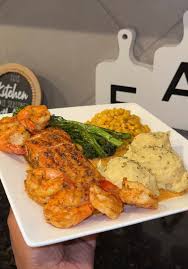
Cajun Salmon and Shrimp with Creamy Garlic Sauce, Skin-On Mashed Potatoes, and Steamed Broccoli is a rich, flavorful seafood dinner that combines bold Southern-inspired seasonings with comforting, creamy side dishes.
This restaurant-inspired meal features tender, pan-seared salmon topped with juicy Cajun-seasoned shrimp and finished with a luxurious garlic-Parmesan cream sauce.
The seafood is served alongside rustic mashed red potatoes, prepared with their skins left on for additional texture, and fresh steamed broccoli tossed with a touch of butter and garlic seasoning.
The secret to this dish lies in the combination of Cajun spices, perfectly seared seafood, and a creamy sauce made directly in the skillet. The flavorful browned bits left behind by the salmon and shrimp add depth to the sauce, creating a delicious balance of smoky, savory, buttery, and slightly spicy flavors.
Perfect for family dinners, date nights, special occasions, or an impressive weekend meal, this recipe brings restaurant-style presentation and flavor into your home kitchen.
With approximately 45 minutes of preparation and cooking, you can create a complete seafood dinner that looks elegant and tastes incredibly satisfying.
2. Origin and Cultural Significance
Cajun cuisine has its roots in the culinary traditions of the Acadian people who settled in Louisiana, where their cooking evolved through contact with local ingredients and other cultural influences.
Known for its bold seasonings, hearty preparations, and flavorful combinations of meat, seafood, and vegetables, Cajun cooking has become an important part of Louisiana’s food identity.
Traditional Cajun dishes often feature ingredients such as garlic, onions, peppers, seafood, and distinctive spice blends.
Salmon is not traditionally associated with Louisiana Cajun cuisine in the same way as crawfish, catfish, or Gulf shrimp. However, Cajun-seasoned salmon has become popular in contemporary American restaurants and home kitchens.
Combining salmon with shrimp and a rich cream sauce creates a modern, Cajun-inspired seafood dish rather than a strictly traditional Cajun recipe.
The addition of mashed potatoes and steamed broccoli reflects familiar American comfort-food traditions, creating a complete meal that balances richness, spice, and freshness.
Today, dishes like Cajun Salmon and Shrimp are popular because they combine restaurant-style flavors with ingredients that are relatively easy to prepare at home.
3. Ingredients
For the Cajun Salmon and Shrimp
- 2 salmon fillets, approximately 6–8 oz (170–225 g) each
- ½ lb (225 g) large shrimp, peeled and deveined
- 2 tablespoons Cajun seasoning, divided between the seafood, or to taste
- 1 teaspoon garlic powder
- 1 teaspoon onion powder
- 1 tablespoon (15 ml) olive oil
- 1 tablespoon (14 g) unsalted butter
- Salt and freshly ground black pepper, if needed
Note: Commercial Cajun seasoning blends vary considerably in salt and heat. Start with a smaller amount if using a particularly salty or spicy blend, then adjust to taste.
For the Garlic Skin-On Mashed Potatoes
- 4–5 medium red potatoes, approximately 1½ lb (680 g)
- 3–4 garlic cloves, finely minced
- 3 tablespoons (42 g) unsalted butter
- ¼ cup (60 ml) heavy cream, warmed
- ¼–½ teaspoon salt, or to taste
- ¼ teaspoon freshly ground black pepper
For the Cajun Garlic Cream Sauce
- 1 cup (240 ml) heavy cream
- ¼ cup (60 ml) low-sodium chicken or seafood broth
- 2 garlic cloves, minced
- 1 teaspoon Cajun seasoning, or to taste
- ¼ cup (25 g) freshly grated Parmesan cheese
- 1 teaspoon freshly squeezed lemon juice
- 1 teaspoon unsalted butter, if needed
For the Steamed Broccoli
- 1 medium head broccoli, approximately 12–14 oz (340–400 g), cut into florets
- 1 tablespoon (14 g) unsalted butter
- ¼ teaspoon garlic salt, or to taste
- Freshly ground black pepper, optional
For Garnish
- 1–2 tablespoons freshly chopped parsley
- Fresh lemon wedges
- Extra Cajun seasoning, optional
4. Optional Additions
- Smoked paprika: Add ½ teaspoon to the seafood seasoning for a deeper smoky flavor.
- Cayenne pepper: Include a small pinch for extra heat.
- Fresh thyme: Add a sprig to the skillet while preparing the sauce.
- Lemon zest: Stir a little into the cream sauce for additional citrus aroma.
- Extra Parmesan: Sprinkle freshly grated Parmesan over the mashed potatoes.
- Roasted garlic: Replace raw garlic in the mashed potatoes with roasted garlic for a sweeter, more mellow flavor.
- Baby spinach: Stir a handful into the cream sauce until wilted.
- Sautéed mushrooms: Serve alongside the seafood for additional savory flavor.
- Green onions: Use as a garnish for a mild onion flavor and fresh color.
5. Tips for Success
- Choose evenly sized salmon fillets: Similar thicknesses help the salmon cook consistently.
- Pat the seafood completely dry: Removing excess moisture helps create a flavorful seared crust.
- Avoid overseasoning: Cajun seasoning often contains salt, so taste the sauce before adding more.
- Use medium-high heat for searing: This creates a golden exterior without excessively drying the seafood.
- Cook shrimp separately from the salmon: Shrimp cook much faster and can become rubbery if left in the skillet too long.
- Lower the heat before adding cream: Gentle heat helps prevent the sauce from separating.
- Use freshly grated Parmesan: It generally melts more smoothly than pre-shredded cheese.
- Leave the potato skins on: Red potato skins add texture and give the mashed potatoes a rustic appearance.
- Cook the garlic before adding it to the potatoes: Briefly cooking minced garlic in butter softens its sharp flavor.
- Steam broccoli just until tender-crisp: It should remain bright green and pleasantly firm.
- Use a food thermometer: Salmon should reach 145°F (63°C), and shrimp should become firm, pearly, and opaque.
- Serve immediately: The cream sauce and seafood have their best texture when freshly prepared.
6. Instructions
Step 1: Prepare the Ingredients
Gather all the ingredients before beginning.
Wash the red potatoes thoroughly under running water, scrubbing the skins to remove any dirt.
Cut the potatoes into evenly sized chunks, approximately 1–1½ inches (2.5–4 cm).
Trim the broccoli and cut it into bite-sized florets.
Peel and devein the shrimp if necessary.
Mince the garlic cloves, keeping the portions for the potatoes and cream sauce separate.
Pat the salmon and shrimp dry with paper towels.
Step 2: Season the Seafood
Place the salmon fillets on a clean plate.
In a small bowl, combine the Cajun seasoning, garlic powder, and onion powder.
Season the salmon evenly on both sides with approximately two-thirds of the mixture.
Place the shrimp in a separate bowl.
Toss with the remaining seasoning.
Add a small drizzle of olive oil if needed to help the spices coat the shrimp.
Set aside while preparing the potatoes.
Step 3: Boil the Red Potatoes
Place the cubed red potatoes in a large saucepan.
Cover with cold water by approximately 1 inch (2.5 cm).
Add a generous pinch of salt.
Bring the water to a boil over high heat.
Reduce the heat slightly and simmer for approximately 15–20 minutes, or until the potatoes are completely fork-tender.
The potatoes should break apart easily when pierced with a fork.
Step 4: Drain the Potatoes
Carefully drain the cooked potatoes in a colander.
Return them to the warm saucepan.
Place the saucepan over low heat for approximately 30–60 seconds to allow excess moisture to evaporate.
Remove from the heat.
Step 5: Prepare the Garlic Butter
In a small skillet or saucepan, melt the butter over medium-low heat.
Add the minced garlic.
Cook for approximately 30–60 seconds, stirring constantly, until fragrant.
Avoid browning the garlic.
Remove from the heat.
Step 6: Mash the Potatoes
Pour the garlic butter over the cooked potatoes.
Add the warmed heavy cream.
Using a potato masher, gently mash the potatoes until creamy but still slightly chunky.
Leave some small pieces intact to create the rustic texture characteristic of skin-on mashed potatoes.
Season with salt and freshly ground black pepper.
If the potatoes appear too thick, add another tablespoon or two of warm cream or milk.
Step 7: Keep the Potatoes Warm
Cover the saucepan with a lid.
Keep the mashed potatoes warm while preparing the seafood and vegetables.
Avoid excessive stirring, which can make the potatoes sticky.
Step 8: Steam the Broccoli
Add approximately 1 inch (2.5 cm) of water to a saucepan fitted with a steamer basket.
Bring the water to a boil.
Place the broccoli florets in the basket.
Cover and steam for approximately 3–5 minutes, depending on their size.
The broccoli should be bright green and tender-crisp.
Step 9: Season the Broccoli
Transfer the steamed broccoli to a mixing bowl.
Add the butter while the broccoli is still hot.
Sprinkle with garlic salt and a little black pepper, if desired.
Toss gently until the butter melts and coats the florets.
Cover loosely and keep warm.
Step 10: Heat the Seafood Skillet
Place a large heavy-bottomed skillet over medium-high heat.
Add the olive oil and butter.
Allow the butter to melt and the oil to become hot.
The skillet should be heated sufficiently to sear the seafood without burning the seasonings.
Step 11: Sear the Salmon
For skin-on salmon, place the fillets skin-side down in the skillet.
Cook undisturbed for approximately 4–5 minutes, depending on thickness.
For skinless salmon, place the presentation side down first.
Allow the surface to develop a golden, lightly darkened Cajun crust.
Avoid moving the salmon excessively while it sears.
Step 12: Flip and Finish the Salmon
Carefully turn the salmon using a fish spatula.
Reduce the heat slightly.
Continue cooking for approximately 3–5 minutes, depending on the thickness of the fillets.
Check the thickest part with a food thermometer.
Cook until the internal temperature reaches 145°F (63°C).
Transfer the cooked salmon to a warm plate.
Step 13: Sear the Cajun Shrimp
Return the skillet to medium heat.
If necessary, add a small amount of olive oil or butter.
Arrange the seasoned shrimp in a single layer.
Cook for approximately 1–2 minutes on the first side.
Flip and cook for another 1–2 minutes.
The shrimp should turn pink on the outside and become pearly and opaque throughout.
Avoid overcooking, as shrimp can quickly become tough.
Transfer the shrimp to the plate with the salmon.
Step 14: Deglaze the Skillet
Reduce the heat to medium-low.
Pour a small splash of the measured broth into the skillet.
Using a wooden spoon, gently scrape up the flavorful browned bits left behind by the seafood.
These pan drippings will help create a richer Cajun cream sauce.
If any seasoning has burned and turned bitter, remove the burned residue before continuing.
Step 15: Sauté the Garlic
Add the minced garlic for the cream sauce.
If the skillet is dry, add a teaspoon of butter.
Cook for approximately 30 seconds, stirring constantly.
The garlic should become fragrant without browning.
Step 16: Add the Broth and Cream
Pour the remaining chicken or seafood broth into the skillet.
Stir gently.
Slowly add the heavy cream while stirring continuously.
Reduce the heat to low.
Allow the mixture to come to a gentle simmer.
Avoid boiling vigorously.
Step 17: Season the Cajun Cream Sauce
Stir in the Cajun seasoning.
Taste carefully before adding any additional salt.
Allow the sauce to simmer gently for approximately 3–5 minutes, stirring occasionally.
The cream should begin to thicken slightly.
Step 18: Add the Parmesan Cheese
Reduce the heat to low.
Gradually sprinkle the freshly grated Parmesan into the sauce.
Stir gently until completely melted and incorporated.
The sauce should become smooth, creamy, and thick enough to lightly coat the back of a spoon.
Step 19: Finish with Lemon Juice
Remove the skillet from direct heat.
Stir in the freshly squeezed lemon juice.
Adding lemon at the end helps brighten the flavor while reducing the chance of the cream sauce separating.
Taste and adjust the Cajun seasoning or black pepper if necessary.
If the sauce is too thick, add a small splash of warm broth.
Step 20: Return the Seafood to the Sauce
For additional flavor, return the cooked salmon and shrimp to the skillet briefly.
Spoon a little of the warm Cajun cream sauce over the seafood.
Heat gently for approximately 30–60 seconds, without allowing the sauce to boil.
Avoid prolonged cooking, which can dry out the salmon and toughen the shrimp.
Step 21: Prepare the Serving Plates
Spoon a generous portion of garlic skin-on mashed potatoes onto one side of each serving plate.
Use the back of a spoon to create a rustic mound.
Arrange the steamed broccoli florets beside the potatoes.
Keep the components neatly grouped for a restaurant-style presentation.
Step 22: Add the Salmon
Carefully place one Cajun-seared salmon fillet on each plate.
Position the fish beside or partially over the mashed potatoes.
Keep the golden, seasoned surface visible.
Step 23: Arrange the Shrimp
Place several Cajun shrimp over the salmon.
Allow a few shrimp to rest naturally alongside the fillet.
This creates an attractive layered seafood presentation.
Step 24: Add the Cajun Cream Sauce
Spoon the warm Cajun garlic cream sauce generously over the salmon and shrimp.
Allow some of the sauce to flow onto the mashed potatoes.
Add a little extra sauce around the seafood if desired.
Step 25: Garnish and Serve
Sprinkle freshly chopped parsley over the finished plate.
Add a lemon wedge for a bright citrus finish.
Serve immediately while the salmon is tender, the shrimp are juicy, the mashed potatoes are warm, and the broccoli is tender-crisp.
7. Description
Cajun Salmon and Shrimp with Creamy Garlic Sauce, Skin-On Mashed Potatoes, and Steamed Broccoli is a rich, colorful seafood dish featuring bold seasonings and contrasting textures.
The salmon develops a flavorful, lightly crisp Cajun crust while remaining tender and flaky inside.
The shrimp are juicy and delicately seasoned, adding a second seafood element that complements the salmon.
The Cajun cream sauce combines garlic, Parmesan, heavy cream, broth, and lemon juice to create a smooth, savory coating with a subtle spicy finish.
The skin-on mashed potatoes provide a rustic, buttery base with a creamy interior and small pieces of tender potato skin.
Fresh steamed broccoli adds color, a gentle crunch, and a refreshing contrast to the richness of the seafood and sauce.
Together, these components create an impressive restaurant-inspired meal with a satisfying combination of smoky, creamy, buttery, and savory flavors.
8. Nutritional Information
Approximate values per serving, based on two generous servings with heavy cream and the full amount of sauce.
| Nutrient | Estimated Amount |
|---|---|
| Calories | 1,150–1,400 kcal |
| Protein | 65–80 g |
| Carbohydrates | 55–70 g |
| Fat | 75–100 g |
| Fiber | 7–10 g |
| Sodium | Varies significantly by Cajun seasoning and broth |
Nutritional values depend on the salmon portion size, amount of sauce consumed, type of cream, and seasoning blend.
9. Recipe Details
- Prep Time: 15 minutes
- Cook Time: 25–30 minutes
- Total Time: Approximately 40–45 minutes
- Servings: 2 generous portions
- Cuisine: Cajun-inspired American
- Course: Main course, lunch, or dinner
- Cooking Methods: Pan-searing, boiling, mashing, steaming, and simmering
- Difficulty: Moderate
- Equipment: Large skillet, saucepan, potato masher, steamer basket, mixing bowls, and food thermometer
10. Conclusion
Cajun Salmon and Shrimp with Creamy Garlic Sauce, Skin-On Mashed Potatoes, and Steamed Broccoli is an impressive seafood dinner that combines bold Cajun-inspired flavors with comforting, creamy sides.
The perfectly seared salmon, juicy shrimp, and rich garlic-Parmesan cream sauce create a delicious combination of savory, buttery, and slightly spicy flavors.
Rustic mashed potatoes provide a satisfying foundation, while tender steamed broccoli adds freshness and color.
Although the finished plate looks restaurant-quality, the cooking techniques are straightforward and manageable in a home kitchen.
Whether prepared for a romantic dinner, special celebration, or satisfying family meal, this recipe offers a wonderful balance of flavor, texture, and presentation.
11. Recommendation
Serving: Serve immediately with extra Cajun cream sauce and fresh lemon wedges. A light green salad or crusty bread can complement the meal.
Make-ahead preparation: Wash and cut the potatoes and broccoli in advance. Prepare the Cajun seasoning mixture ahead of time and keep the seafood refrigerated until ready to cook.
Storage: Store leftover seafood, mashed potatoes, broccoli, and cream sauce in separate airtight containers when practical. Refrigerate within two hours and consume within 3–4 days.
Reheating: Reheat the salmon and shrimp gently to prevent drying or toughening. Warm the cream sauce over low heat while stirring, adding a small splash of broth if necessary. Reheat leftovers thoroughly to 165°F (74°C).
Freezing: Cooked salmon and shrimp can be frozen, although their textures may change. The cream sauce may separate after thawing, so freezing the assembled meal is not recommended for the best quality.
Food safety: Keep raw seafood refrigerated until cooking. Cook salmon to an internal temperature of 145°F (63°C), and cook shrimp until firm, pearly, and opaque. Use clean utensils when handling cooked seafood.
12. Embracing Healthful Indulgence
Cajun Salmon and Shrimp with Creamy Garlic Sauce, Skin-On Mashed Potatoes, and Steamed Broccoli combines protein-rich seafood, comforting potatoes, and nutritious vegetables in one satisfying meal.
Salmon provides high-quality protein and omega-3 fatty acids, which support normal heart and brain function.
Shrimp contributes additional protein and important nutrients such as selenium and vitamin B12.
Red potatoes provide carbohydrates, potassium, and dietary fiber, particularly when their skins are left on.
Broccoli adds fiber, vitamin C, vitamin K, and naturally occurring plant compounds.
The garlic, lemon juice, and Cajun seasonings enhance the flavor of the meal without requiring excessive amounts of added sugar.
Because the recipe contains heavy cream, butter, and Parmesan cheese, it is relatively rich in calories and saturated fat.
For a lighter variation, use less cream sauce per serving, replace part of the heavy cream with milk, or reduce the butter in the mashed potatoes.
Adding extra broccoli or another vegetable side can also create a more balanced plate.
With its tender seafood, creamy sauce, rustic potatoes, and fresh vegetables, this recipe offers a flavorful way to enjoy an indulgent restaurant-inspired dinner at home.