
Introduction
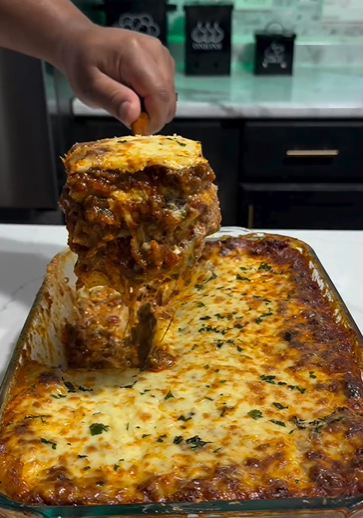
Cheesy Baked Beef Lasagna with Rich Tomato Meat Sauce is the ultimate comfort food, featuring layers of tender pasta, savory ground beef, creamy béchamel, and generous amounts of melted mozzarella and Parmesan cheese. Baked until bubbling and beautifully golden, this hearty casserole combines rich tomato flavor with a smooth, velvety cheese filling in every slice.
The secret to a delicious lasagna is balancing the different layers. The beef sauce provides deep, savory flavor, while the béchamel adds creaminess and keeps the pasta moist. A ricotta mixture brings extra richness, and the mozzarella creates that irresistible melted-cheese texture. Parmesan finishes the dish with a salty, nutty flavor and helps the top develop a beautifully browned crust.
Although lasagna may look impressive, it is made with straightforward ingredients and simple cooking techniques. Preparing the meat sauce and béchamel separately allows their flavors to develop before everything is assembled and baked together.
This homemade beef lasagna is perfect for family dinners, weekend meals, potlucks, or special occasions when you want to serve something warm, filling, and satisfying. It also reheats beautifully, making leftovers just as enjoyable the following day.
Origin
Lasagna is one of the best-known dishes associated with Italian cuisine, particularly the culinary traditions of Emilia-Romagna in northern Italy. Its history is long, and the word itself has roots in ancient terms for layered or sheet-like cooking vessels and pasta preparations.
Modern Italian lasagna is generally made by layering pasta sheets with sauces, cheese, and other ingredients. In Bologna and the surrounding region, traditional versions often feature ragù, béchamel, and fresh pasta, sometimes made with spinach. Other Italian regions have their own interpretations, using different cheeses, sauces, and fillings.
The beef lasagna presented here takes inspiration from these traditional layered dishes while incorporating a generous tomato-based ground beef sauce, mozzarella, Parmesan, and ricotta. The addition of smoked paprika and dried Italian herbs gives the meat sauce a slightly different flavor profile suited to contemporary home cooking.
There is no single recipe that represents every Italian lasagna tradition. Instead, the dish has evolved across households and regions, with cooks adapting ingredients and techniques to suit their tastes and available ingredients.
Cultural Significance
Lasagna has become a familiar symbol of comforting home cooking. Its layered structure, rich sauce, and generous cheese topping make it particularly well suited to shared meals, family gatherings, and celebrations.
In Italy, baked pasta dishes have strong regional identities, with recipes passed between generations and adapted according to local ingredients. Lasagna alla Bolognese, for example, is associated with the Emilia-Romagna region and traditionally combines pasta, meat ragù, béchamel, and cheese.
Outside Italy, lasagna has become a popular dish in many countries, especially in North America, where tomato-rich meat sauces and mozzarella are common features of home-style versions. Its flexibility has helped it become a favorite for both everyday dinners and special occasions.
Another reason for its enduring popularity is that it can be prepared ahead of time. The layers can be assembled before baking, and leftovers can be portioned for convenient meals later in the week. This combination of comforting flavor and practicality makes lasagna a lasting favorite in many kitchens.
Ingredients and Quantities
This recipe makes approximately eight servings.
For the Rich Beef Tomato Sauce
- 1 1/2 pounds ground beef, approximately 680 g
- 1 medium onion, finely chopped
- 4 cloves garlic, minced
- 2 tablespoons olive oil
- 2 tablespoons tomato paste
- 1 can (28 ounces) crushed tomatoes, approximately 794 g
- 1 can (15 ounces) tomato sauce, approximately 425 g
- 1 teaspoon dried oregano
- 1 teaspoon dried basil
- 1 teaspoon smoked paprika
- 1/2 teaspoon Italian seasoning
- 1/2 teaspoon ground black pepper
- 1 teaspoon salt, or to taste
- 1/2 teaspoon granulated sugar, optional
- 1/4 cup fresh parsley, chopped
For the Creamy Béchamel Sauce
- 4 tablespoons unsalted butter, approximately 57 g
- 1/4 cup all-purpose flour, approximately 30 g
- 3 cups whole milk, approximately 710 ml, warmed
- 1/4 teaspoon ground nutmeg
- Salt, to taste
- Ground black pepper, to taste
For the Lasagna Layers
- 12 lasagna sheets, or enough to fit your baking dish
- 3 cups shredded mozzarella cheese, approximately 300–340 g
- 1 cup freshly grated Parmesan cheese, approximately 90–100 g
- 1 cup ricotta cheese, approximately 250 g
- 1 large egg
- 2 tablespoons fresh parsley, chopped
- 1/2 teaspoon Italian seasoning
- Fresh parsley, for garnish
Ingredient Notes
Ground beef: Ground beef with moderate fat content provides flavor and moisture. If there is a large amount of excess fat after browning, drain some before adding the tomatoes.
Crushed tomatoes and tomato sauce: Together, these create a thick, flavorful sauce that coats the pasta. If the crushed tomatoes are particularly acidic, a small amount of sugar can help balance the flavor.
Béchamel sauce: This classic white sauce is made from butter, flour, and milk. It provides a creamy layer that balances the acidity of the tomatoes and the richness of the meat.
Mozzarella and Parmesan: Mozzarella creates a soft, stretchy cheese layer, while Parmesan contributes a more concentrated, savory flavor. Freshly grated Parmesan generally melts more evenly than many pre-grated varieties.
Ricotta cheese: Ricotta gives the lasagna a creamy, tender filling. Mixing it with egg, herbs, and a little Parmesan helps the mixture hold together during baking.
Lasagna sheets: Regular pasta sheets may need to be boiled before assembly, while oven-ready sheets can often be layered directly into the dish. Always follow the package instructions.
Optional Additions
This beef lasagna is delicious as written, but several additions can make it even more personalized.
- Sautéed mushrooms: Add 1–2 cups of sliced mushrooms to the onion mixture for an earthy flavor.
- Spinach: Fold cooked, well-drained spinach into the ricotta mixture for extra color and a different texture.
- Red bell pepper: Finely dice one small bell pepper and cook it with the onion for natural sweetness.
- Red pepper flakes: Add 1/4 teaspoon or more to the meat sauce for a gentle spicy kick.
- Fresh basil: Add chopped fresh basil to the finished tomato sauce for a fragrant herbal note.
- Extra mozzarella: Increase the mozzarella slightly if you prefer an especially cheesy top.
- Provolone cheese: Replace a small portion of the mozzarella with provolone for a sharper, more pronounced cheese flavor.
- Ground turkey: Substitute ground turkey for some or all of the beef if you prefer a different protein.
- Vegetable layer: Add thinly sliced zucchini or roasted eggplant, making sure excess moisture is removed before assembly.
- Fresh thyme: Add a small amount of fresh thyme to the meat sauce for an additional herbal aroma.
If adding vegetables, cook them first when necessary to remove excess moisture. Too much liquid can make the finished lasagna difficult to slice.
Tips for Success
1. Develop the Flavor of the Meat Sauce
Allow the onions to soften before adding the beef, and let the garlic become fragrant without burning. Cooking the tomato paste briefly before adding the tomatoes helps deepen its flavor.
Although this recipe uses a relatively short simmer, allowing the sauce to cook gently for a little longer can create a more developed taste. If it becomes too thick, add a small amount of water.
2. Brown the Beef Properly
Break the ground beef into small pieces as it cooks. Let it brown rather than stirring constantly, and cook until no pink remains. If your pan is crowded, brown the meat in batches to prevent it from steaming.
3. Whisk the Béchamel Continuously
Add the warm milk gradually while whisking the butter-and-flour mixture. This helps prevent lumps from forming. Cook gently until the sauce thickens enough to coat the back of a spoon.
If lumps develop, whisk vigorously or strain the sauce before assembling the lasagna.
4. Avoid Making the Béchamel Too Thick
The béchamel should be creamy and pourable, not stiff. It will thicken further during baking, so a smooth, moderately thick consistency is ideal.
5. Do Not Overcook the Pasta
If using regular lasagna sheets, cook them until just al dente or slightly firmer than fully cooked. They will continue to soften in the oven as they absorb moisture from the sauces.
Handle the sheets carefully after draining to prevent them from tearing or sticking together.
6. Keep the Layers Balanced
Spread the sauce evenly and avoid placing too much filling in a single layer. A balanced arrangement of pasta, meat sauce, béchamel, ricotta, and cheese helps every serving hold together.
Make sure the top pasta layer is covered with enough sauce so it does not dry out during baking.
7. Use a Suitable Baking Dish
A deep rectangular baking dish gives enough space for several layers. Leave a little room at the top because the sauce and cheese may bubble during baking.
Place the dish on a rimmed baking sheet if you are concerned about bubbling sauce spilling into the oven.
8. Cover First, Then Uncover
Covering the lasagna with foil during the first part of baking helps heat the layers evenly and prevents the cheese from browning too quickly. Removing the foil near the end allows the top to become golden and bubbly.
If the cheese needs more color, broil briefly while watching continuously.
9. Let the Lasagna Rest Before Cutting
Allow the lasagna to rest for 15–20 minutes after baking. This gives the sauces time to settle and the layers time to firm up, making cleaner slices possible.
Cutting immediately can cause the layers to slide apart, even when the lasagna is fully cooked.
10. Store and Reheat Safely
Refrigerate leftover lasagna in shallow, airtight containers within two hours of cooking. It can generally be kept refrigerated for three to four days.
Reheat portions until the center reaches 165°F (74°C). For longer storage, freeze individual portions in freezer-safe containers. Thaw in the refrigerator before reheating when possible.
Instructions
Step 1: Prepare the Beef Sauce
Heat the olive oil in a large skillet or saucepan over medium heat. Add the finely chopped onion and cook for 4–5 minutes, stirring occasionally, until softened and translucent.
Add the minced garlic and cook for approximately 30 seconds, just until fragrant.
Add the ground beef and break it into small pieces with a wooden spoon. Cook for 7–10 minutes, stirring as needed, until browned and cooked through. Drain excess fat if necessary.
Stir in the tomato paste and cook for one minute to deepen its flavor.
Step 2: Simmer the Tomato Meat Sauce
Add the crushed tomatoes, tomato sauce, oregano, dried basil, smoked paprika, Italian seasoning, salt, and black pepper. Add the optional sugar if the tomatoes taste especially acidic.
Stir well and bring the mixture to a gentle simmer. Reduce the heat to low and cook uncovered for 20–25 minutes, stirring occasionally, until the sauce thickens.
Stir in the chopped parsley, taste, and adjust the seasoning as needed. Set aside.
Step 3: Make the Béchamel Sauce
Melt the butter in a medium saucepan over medium heat.
Add the flour and whisk continuously for 1–2 minutes. The mixture should form a smooth paste without becoming deeply browned.
Gradually pour in the warm milk, whisking constantly to prevent lumps. Continue cooking for 5–7 minutes, stirring frequently, until the sauce becomes smooth and thick enough to coat the back of a spoon.
Season with nutmeg, salt, and black pepper. Remove from the heat and set aside. If a skin begins to form while it sits, cover the surface directly or whisk the sauce again before using.
Step 4: Prepare the Ricotta Mixture
In a medium bowl, combine the ricotta cheese, egg, chopped parsley, Italian seasoning, and approximately 1/4 cup of the grated Parmesan.
Mix until the ingredients are evenly combined and the mixture is creamy.
Keep the remaining Parmesan for layering and the top of the lasagna.
Step 5: Prepare the Pasta and Oven
Preheat the oven to 375°F (190°C).
If using regular lasagna sheets, bring a large pot of salted water to a boil. Cook the pasta according to the package instructions until just al dente. Drain carefully and arrange the sheets flat on a lightly oiled tray.
If using oven-ready lasagna sheets, prepare them according to the manufacturer’s instructions. Ensure the sauce is sufficiently moist for the pasta to soften during baking.
Lightly grease a deep baking dish if needed.
Step 6: Assemble the Lasagna
Spread a thin layer of beef sauce over the bottom of the baking dish. This helps prevent the pasta from sticking.
Arrange a single layer of lasagna sheets over the sauce, cutting or overlapping them slightly if necessary to fit the dish.
Spread a portion of the meat sauce over the pasta, followed by some béchamel sauce. Add small spoonfuls of the ricotta mixture and sprinkle with mozzarella and Parmesan.
Repeat the layers, distributing the ingredients as evenly as possible. The exact number of layers will depend on the size and depth of your dish.
Finish with a final layer of pasta covered with the remaining meat sauce and béchamel, then scatter the remaining mozzarella and Parmesan over the top. Ensure the pasta is covered with sauce to prevent dry edges.
Step 7: Bake the Lasagna
Cover the baking dish loosely with aluminum foil. If the foil may touch the cheese, lightly grease the underside to help prevent sticking.
Bake for 25 minutes.
Remove the foil and continue baking for another 15–20 minutes, until the sauce is bubbling around the edges and the cheese is melted, golden, and lightly caramelized.
If you prefer a more deeply browned top, place the dish under the broiler for 1–2 minutes, watching carefully to prevent burning.
The exact cooking time can vary with the depth of the dish, the temperature of the ingredients, and the type of pasta used. The center should be hot throughout.
Step 8: Rest the Lasagna
Remove the dish from the oven and place it on a heat-safe surface.
Let the lasagna rest for 15–20 minutes before slicing. This resting period helps the sauce settle and allows the layers to hold their shape.
Avoid covering the dish tightly during this time, as trapped steam can soften the browned cheese topping.
Step 9: Slice and Serve
Cut the lasagna into eight portions using a sharp knife or spatula. Wipe the knife between cuts if you want cleaner edges.
Garnish with freshly chopped parsley and a little extra Parmesan.
Serve warm while the beef sauce is rich, the béchamel is creamy, and the mozzarella remains deliciously melted.
Step 10: Store Leftovers
Transfer leftover portions into shallow, airtight containers and refrigerate within two hours.
Keep the lasagna refrigerated for three to four days. Reheat individual servings in the microwave or in a covered oven-safe dish until the center reaches 165°F (74°C).
To freeze, allow the lasagna to cool, divide it into portions, and store in freezer-safe containers for up to two to three months for best quality. Thaw in the refrigerator before reheating when practical.
Description
Cheesy Baked Beef Lasagna with Rich Tomato Meat Sauce is a hearty, Italian-inspired casserole made with tender pasta sheets, flavorful ground beef, creamy béchamel, ricotta, mozzarella, and Parmesan.
The tomato sauce combines garlic, onion, herbs, and smoked paprika to create a rich, savory filling. Smooth béchamel adds a velvety texture between the layers, while ricotta provides a delicate creaminess that balances the beef. The generous cheese topping melts into a golden crust with bubbling edges and a deliciously savory aroma.
Each slice offers a satisfying combination of tender pasta, meaty tomato sauce, creamy cheese, and fragrant herbs. The result is a comforting dish that feels special enough for a gathering but remains practical for a homemade family dinner.
Serve this lasagna with a crisp green salad, roasted vegetables, or garlic bread for a complete meal. It is also an excellent make-ahead option, as the flavors remain delicious after reheating.
Nutritional Information
The following values are approximate estimates per serving, assuming the lasagna is divided into eight portions and prepared with the ingredients listed. Actual nutrition will vary depending on the fat content of the beef, the brands of cheese and tomatoes, and how much excess fat is drained.
- Calories: approximately 600–700
- Protein: approximately 35–42 g
- Carbohydrates: approximately 45–55 g
- Fat: approximately 28–38 g
- Saturated fat: approximately 13–18 g
- Fiber: approximately 4–6 g
- Sugar: approximately 8–12 g
- Sodium: approximately 800–1,200 mg
These estimates may be higher or lower depending on portion size and the precise quantities of cheese, meat, and added salt. The optional sugar and garnish are not expected to make a substantial difference when used in small quantities.
Lasagna provides protein from beef, eggs, and cheese, along with carbohydrates from the pasta and nutrients from the tomatoes and herbs. It is a rich, filling dish, so serving it with vegetables or a fresh salad can add variety to the meal.
These figures are provided for general information and are not a substitute for a detailed nutrition calculation using the exact products and quantities you use.
Conclusion
Cheesy Baked Beef Lasagna with Rich Tomato Meat Sauce is a comforting classic that brings together rich beef, tender pasta, creamy béchamel, and plenty of melted cheese. Its layered structure creates a satisfying combination of flavors and textures, while the golden top makes it an inviting centerpiece for the dinner table.
Although the recipe includes several components, each step is straightforward. Preparing the meat sauce, making the béchamel, and mixing the ricotta filling separately helps create a well-balanced result. Once assembled, the oven does most of the remaining work.
This lasagna is ideal for family dinners, weekend cooking, entertaining guests, or preparing meals in advance. Serve it fresh from the oven after resting, or refrigerate portions for convenient meals during the week.
With a flavorful tomato sauce, creamy layers, and a beautifully browned cheese topping, this homemade lasagna is a reliable choice whenever you want a hearty and satisfying meal.
Recommendation
For the best flavor, allow the beef sauce to simmer gently until it becomes thick and well seasoned. Use freshly grated Parmesan, good-quality mozzarella, and a smooth béchamel to create distinct, creamy layers.
If you are serving guests, assemble the lasagna in advance and refrigerate it until you are ready to bake. Because a chilled casserole takes longer to heat through, allow additional baking time and check that the center is thoroughly hot before serving.
Pair the lasagna with a simple green salad dressed with olive oil and lemon juice. Roasted vegetables or steamed green beans also complement its rich, cheesy flavor. Garlic bread is another popular accompaniment, particularly when you want a more substantial meal.
For easier serving, let the lasagna rest before cutting and use a broad spatula to lift each portion. Any leftovers can be refrigerated or frozen in individual portions, making this recipe useful for both special occasions and everyday meals.
Embracing Healthful Indulgence
Enjoying a rich, cheesy lasagna can fit into a varied and balanced eating pattern. The beef, ricotta, mozzarella, Parmesan, and egg contribute protein, while the tomatoes provide flavor and some fiber and micronutrients. The pasta supplies carbohydrates that help make the dish satisfying.
If you would like to add more vegetables, consider layering in spinach, mushrooms, zucchini, or roasted eggplant. Cook vegetables that release considerable moisture before adding them to the dish to help maintain the lasagna’s structure.
You can also choose leaner ground beef, drain excess fat after browning, and use reduced-sodium tomato products if you prefer to manage the amount of fat or sodium. Serving a moderate slice with a generous side of vegetables adds variety without taking away from the dish’s comforting character.
The goal is to enjoy food for its flavor, satisfaction, and place in shared meals rather than treating any single dish as something that must be avoided. With its rich tomato sauce, creamy béchamel, tender pasta, and golden cheese topping, this homemade beef lasagna offers a delicious way to enjoy a timeless comfort-food favorite.