
1. Introduction
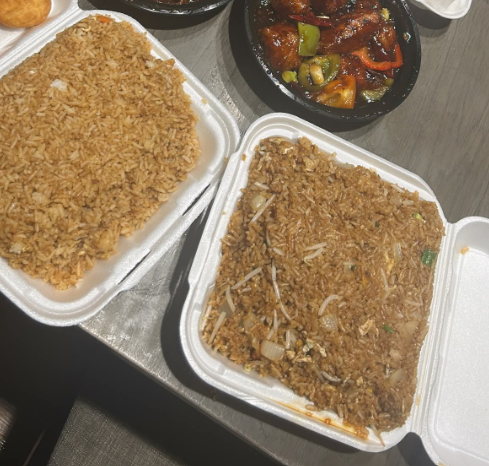
Chinese Takeaway-Style Fried Rice is a delicious, deeply savory dish featuring fluffy, separate grains of rice tossed with tender scrambled eggs, fragrant onions, crunchy bean sprouts, and a rich combination of soy sauces.
Known for its distinctive aroma, golden-brown color, and satisfying texture, this restaurant-inspired fried rice recreates the comforting flavors commonly found in Chinese takeaway restaurants.
Unlike ordinary homemade fried rice, takeaway-style fried rice relies on a few important cooking techniques to achieve its characteristic flavor and texture.
The first secret is using properly chilled cooked rice. Cold rice is firmer and less sticky, allowing the grains to separate easily when stir-fried over high heat.
The second secret is cooking quickly in a very hot wok or wide skillet. High heat encourages the rice to toast rather than steam, creating a lightly smoky aroma and a delicious savory finish.
The third secret is the seasoning combination. Light soy sauce adds saltiness and umami, while dark soy sauce provides a deeper color and subtle richness.
A small amount of MSG enhances the savory flavor, while white pepper adds a gentle warmth that complements the eggs and vegetables.
Optional Shaoxing rice wine contributes another layer of aroma, making the finished dish taste closer to fried rice prepared in a busy takeaway kitchen.
The result is a flavorful, aromatic rice dish with individual grains, soft egg pieces, lightly caramelized onions, and crisp bean sprouts.
Best of all, this recipe comes together in approximately 15 minutes once the rice has been cooked and chilled.
Whether served as a quick lunch, a satisfying dinner, or a side dish alongside stir-fried chicken, beef, or vegetables, Chinese Takeaway-Style Fried Rice is a versatile recipe that brings restaurant-inspired flavor into your home kitchen.
2. Origin and Cultural Significance
Fried rice has a long history in Chinese cuisine and is widely associated with the practical tradition of transforming leftover cooked rice into a flavorful new meal.
Its development is often linked to southern China, where rice has been a central part of everyday cooking for centuries.
Over time, different regions developed their own variations using local ingredients, seasonings, and cooking techniques.
Chinese fried rice can include eggs, scallions, vegetables, seafood, meat, or preserved ingredients.
Some versions are lightly seasoned to emphasize the natural flavor of the rice, while others use soy sauce and additional seasonings to create a darker, more savory dish.
As Chinese restaurants became popular internationally, fried rice adapted to local preferences.
Chinese takeaway-style fried rice, particularly in countries such as the United Kingdom, often features long-grain rice, eggs, onions, soy sauce, and optional additions such as bean sprouts or meat.
One of the most recognizable characteristics of restaurant-style fried rice is its smoky aroma.
This quality is often associated with wok hei, a Cantonese term commonly translated as the “breath of the wok.”
Wok hei develops through a combination of high heat, rapid cooking, oil, vaporization, and contact between ingredients and a very hot wok.
Although professional restaurants often use powerful commercial burners, home cooks can achieve some similar toasted and savory characteristics by using a well-preheated pan, avoiding overcrowding, and working quickly.
Today, fried rice is enjoyed around the world because it is affordable, customizable, satisfying, and an excellent way to use previously cooked rice.
3. Ingredients
For the Takeaway-Style Fried Rice
- 3 cups cooked long-grain white rice, properly chilled overnight
- 2 large eggs, lightly beaten
- ½ cup white or yellow onion, finely diced or thinly sliced
- ½ cup fresh bean sprouts, optional
- 2 tablespoons vegetable oil or lard, divided
- 1½ tablespoons light soy sauce
- 1 teaspoon dark soy sauce
- ½ teaspoon MSG (monosodium glutamate)
- ¼ teaspoon white pepper powder
- 1 tablespoon Shaoxing rice wine, optional
- 2 tablespoons green onions (scallions), finely chopped
Optional Additional Ingredients
- A small amount of neutral cooking oil, if needed
- Extra chopped scallions, for garnish
- Additional white pepper, to taste
Equipment
- Large wok or wide, heavy-bottomed skillet
- Heat-resistant spatula
- Mixing bowls
- Measuring spoons
- Cutting board
- Sharp knife
Ingredient Note: Light soy sauce provides most of the salty seasoning, while dark soy sauce mainly adds color and a deeper flavor. The two sauces serve different purposes.
4. Optional Additions
Chinese Takeaway-Style Fried Rice is highly adaptable.
Try these variations:
- Chicken fried rice: Add small pieces of fully cooked chicken.
- Shrimp fried rice: Add cooked shrimp for a seafood variation.
- Beef fried rice: Add thinly sliced, cooked beef.
- Vegetable fried rice: Include peas, carrots, mushrooms, or finely chopped cabbage.
- Garlic fried rice: Add a little minced garlic while cooking the onions.
- Spicy fried rice: Add chili flakes or a small amount of chili oil.
- Sesame aroma: Finish with a few drops of toasted sesame oil.
- Extra egg: Add another scrambled egg for a richer texture.
- Mushroom fried rice: Add finely sliced mushrooms for additional savory flavor.
- Scallion fried rice: Increase the amount of chopped green onions.
For the classic takeaway-style version, keep the ingredients relatively simple so the rice, eggs, soy sauce, and high-heat cooking remain the dominant flavors.
5. Tips for Success
- Use cooked rice that has been refrigerated promptly and kept cold until cooking.
- Long-grain rice is ideal because the grains tend to remain separate.
- Break apart large clumps of rice before adding them to the wok.
- Prepare all ingredients before turning on the heat.
- Use a large wok or wide skillet to provide enough cooking surface.
- Preheat the pan thoroughly, but do not heat an empty nonstick pan until smoking.
- Cook over the highest heat that is safe for your pan and stove.
- Avoid overcrowding the cooking surface.
- Cook the eggs separately before adding them back to the rice.
- Stir-fry the onions briefly to release their aroma.
- Allow the rice to make contact with the hot pan.
- Use light and dark soy sauce in the recommended proportions.
- Add the seasonings near the end to avoid excessive burning.
- Keep the bean sprouts slightly crisp.
- Add the scallions just before serving.
- Serve the fried rice immediately while hot.
Important food safety tip: Day-old rice is convenient, but it is not mandatory. The essential requirement is properly cooled and refrigerated rice. Cooked rice should be cooled quickly, refrigerated promptly, and kept cold until use. Rice left at room temperature for extended periods can allow Bacillus cereus to grow and produce toxins that reheating may not destroy.
6. Step-by-Step Instructions
Step 1: Prepare the Rice in Advance
Cook enough long-grain white rice to produce approximately 3 cups of cooked rice.
Follow the package instructions.
For fried rice, avoid adding excessive water, which can make the grains overly soft.
Step 2: Cool the Rice Safely
Once cooked, spread the rice in a shallow container to help it cool quickly.
Refrigerate promptly, ideally within 1 hour.
Do not leave the rice sitting at room temperature for several hours.
Step 3: Refrigerate the Rice
Cover and refrigerate the cooked rice until thoroughly chilled.
Overnight refrigeration is convenient and helps the grains firm up.
Step 4: Remove the Cold Rice
Take 3 cups of chilled rice from the refrigerator immediately before cooking.
Keep the rice cold until you are ready to add it to the wok.
Step 5: Separate the Rice Grains
Using clean hands, a fork, or a spatula, gently break apart any large clumps.
The grains should be as separate as possible.
This helps prevent uneven heating and clumping.
Step 6: Prepare the Onion
Peel one small white or yellow onion.
Dice or thinly slice enough to measure ½ cup.
Step 7: Prepare the Bean Sprouts
Measure ½ cup fresh bean sprouts.
Rinse thoroughly under cool running water.
Drain well to remove excess moisture.
Step 8: Chop the Green Onions
Wash and finely chop the scallions.
Measure approximately 2 tablespoons.
Set aside for the final stage of cooking.
Step 9: Prepare the Eggs
Crack 2 large eggs into a small bowl.
Beat lightly with a fork or whisk until the yolks and whites are combined.
Step 10: Measure the Soy Sauces
Measure 1½ tablespoons light soy sauce and 1 teaspoon dark soy sauce.
Keep them nearby so they can be added quickly during stir-frying.
Step 11: Prepare the Seasonings
Measure ½ teaspoon MSG and ¼ teaspoon white pepper.
If using Shaoxing rice wine, measure 1 tablespoon.
Step 12: Organize the Cooking Station
Place the prepared rice, eggs, onions, bean sprouts, sauces, seasonings, and scallions close to the stove.
Fried rice cooks quickly, so everything should be ready before heating the wok.
Step 13: Preheat the Wok
Place a large wok or wide, heavy-bottomed skillet over medium-high to high heat.
Allow it to become thoroughly hot.
Use a temperature suitable for your cookware, especially if using a nonstick skillet.
Step 14: Add the First Portion of Oil
Pour 1 tablespoon vegetable oil or lard into the hot wok.
Swirl the oil to coat the cooking surface.
Step 15: Add the Beaten Eggs
Pour the beaten eggs into the wok.
Allow them to begin setting for a few seconds.
Step 16: Scramble the Eggs
Use a spatula to move the eggs quickly around the wok.
Cook for approximately 20–30 seconds, or until softly set with no visible liquid egg.
Step 17: Remove the Eggs
Transfer the scrambled eggs to a clean plate.
Set aside while preparing the remaining ingredients.
Step 18: Add the Remaining Oil
Pour the remaining tablespoon of vegetable oil or lard into the wok.
Allow it to heat briefly.
Step 19: Add the Onions
Add the diced or sliced onions.
Stir-fry over high heat for approximately 1 minute.
Step 20: Cook Until Fragrant
Continue tossing the onions until they begin to soften and become aromatic.
They should remain slightly firm rather than becoming completely soft.
Step 21: Add the Chilled Rice
Add all 3 cups of chilled rice to the wok.
Spread it across the cooking surface.
Step 22: Break Up Remaining Clumps
Use a spatula to separate any remaining rice clumps.
Work quickly to prevent the rice from sticking or burning.
Step 23: Stir-Fry the Rice
Toss and stir the rice over high heat.
Allow the grains to come into contact with the hot surface.
Step 24: Toast the Rice
Continue stir-frying for approximately 2–3 minutes.
The rice should become thoroughly heated and begin to develop a lightly toasted aroma.
Step 25: Allow Brief Contact with the Pan
Between tossing motions, allow the rice to remain against the hot cooking surface for a few seconds.
This encourages light browning and helps develop the restaurant-style flavor.
Avoid allowing the rice to burn.
Step 26: Add the Light Soy Sauce
Pour 1½ tablespoons light soy sauce around the hot inner edge of the wok, if using a suitable metal wok.
Allow it to sizzle briefly before mixing it into the rice.
If using a nonstick skillet, add it directly to the rice.
Step 27: Add the Dark Soy Sauce
Add 1 teaspoon dark soy sauce.
Toss quickly to distribute the darker color throughout the rice.
Step 28: Add the Shaoxing Wine
If using Shaoxing rice wine, pour in 1 tablespoon.
Allow it to sizzle briefly as it mixes with the rice.
Continue tossing.
Step 29: Add the MSG
Sprinkle ½ teaspoon MSG over the rice.
Mix thoroughly to distribute the savory seasoning.
MSG enhances umami, but it can be omitted if preferred.
Step 30: Add the White Pepper
Sprinkle ¼ teaspoon white pepper powder over the rice.
Toss to combine.
Step 31: Return the Eggs
Add the cooked scrambled eggs back into the wok.
Use the spatula to break any large pieces into smaller portions.
Step 32: Add the Bean Sprouts
Add ½ cup drained bean sprouts.
Toss rapidly with the rice and eggs.
Step 33: Stir-Fry Everything Together
Continue cooking for approximately 1 minute, or until the bean sprouts are heated through and the ingredients are evenly combined.
The rice should be steaming hot throughout.
Step 34: Check the Seasoning
Taste a small portion carefully.
Adjust the seasoning if necessary.
Remember that soy sauce already contributes a significant amount of salt.
Step 35: Add the Green Onions
Sprinkle the chopped scallions over the fried rice.
Toss briefly to distribute them evenly.
Step 36: Finish the Stir-Fry
Give the rice a final quick toss.
The finished dish should have separate grains, evenly distributed eggs, and a savory aroma.
Step 37: Remove from the Heat
Turn off the stove.
Transfer the fried rice immediately to a serving bowl or plate.
Step 38: Garnish
Sprinkle a few additional chopped scallions over the top if desired.
Step 39: Prepare the Side Dishes
If serving as part of a larger meal, arrange the fried rice alongside your favorite stir-fried chicken, beef, shrimp, or vegetables.
Step 40: Serve Immediately
Serve the fried rice while steaming hot.
Enjoy the fluffy rice grains, tender eggs, lightly crisp bean sprouts, savory soy sauce seasoning, and aromatic stir-fried flavor.
7. Description
Chinese Takeaway-Style Fried Rice is a savory, aromatic dish featuring separate grains of long-grain rice coated in a rich combination of soy sauces and seasonings.
The rice has a lightly toasted texture, with individual grains that remain fluffy rather than sticky.
The eggs add soft, tender pieces throughout the dish, while the onions provide sweetness and a subtle savory aroma.
Fresh bean sprouts contribute a delicate crunch, balancing the soft rice and eggs.
Light soy sauce delivers the main salty, umami flavor, while dark soy sauce creates a deeper brown color and adds richness.
White pepper provides a gentle warmth, and MSG enhances the overall savory character.
When prepared in a sufficiently hot wok, the rice may develop a lightly smoky, toasted aroma reminiscent of restaurant cooking.
The finished dish is satisfying without being overly complicated, making it suitable as either a main course or a side dish.
8. Nutritional Information
Approximate values per serving, assuming the recipe makes 2 servings:
| Nutrient | Estimated Amount |
|---|---|
| Calories | 560–650 kcal |
| Protein | 14–18 g |
| Carbohydrates | 72–80 g |
| Total Fat | 22–27 g |
| Saturated Fat | 4–6 g |
| Fiber | 2–4 g |
| Sugar | 3–5 g |
| Sodium | 1,300–1,700 mg |
These estimates vary depending on the rice, soy sauce brands, cooking fat, optional ingredients, and serving size. The sodium content is relatively high because of the soy sauces and added seasonings.
9. Recipe Details
| Category | Details |
|---|---|
| Recipe Name | Chinese Takeaway-Style Fried Rice |
| Cuisine | Chinese-Inspired Takeaway |
| Preparation Time | 10 Minutes |
| Cooking Time | Approximately 5–7 Minutes |
| Rice Chilling Time | Several Hours or Overnight |
| Total Active Time | Approximately 15–17 Minutes |
| Servings | 2 |
| Difficulty | Easy to Intermediate |
| Main Ingredients | Rice, Eggs, Onions, Soy Sauce, Bean Sprouts |
| Cooking Method | High-Heat Stir-Frying |
| Course | Main Dish or Side Dish |
| Texture | Fluffy, Lightly Toasted, Tender, Slightly Crunchy |
| Flavor Profile | Savory, Umami-Rich, Aromatic, Lightly Smoky |
| Best For | Quick Dinners, Takeaway-Inspired Meals, Lunch |
10. Conclusion
Chinese Takeaway-Style Fried Rice is a flavorful and satisfying dish that transforms simple ingredients into a delicious restaurant-inspired meal.
The combination of chilled long-grain rice, scrambled eggs, onions, soy sauces, white pepper, and optional MSG creates a deeply savory flavor.
The most important techniques are using properly chilled rice, preparing all ingredients in advance, cooking over sufficiently high heat, and avoiding overcrowding.
These methods help the rice remain separate while developing a lightly toasted aroma.
Whether served on its own or alongside stir-fried chicken, beef, shrimp, or vegetables, this homemade fried rice is a convenient and delicious option for everyday meals.
11. Serving and Storage Recommendations
Serve with:
- Chicken and vegetable stir-fry
- Beef and broccoli
- Garlic shrimp
- Sweet and sour chicken
- Stir-fried mushrooms
- Chinese-style green beans
- Steamed bok choy
- Chili oil
- Spring rolls
- Stir-fried mixed vegetables
Serving: Serve immediately after cooking for the best flavor and texture.
Refrigeration: For food safety, cool leftover fried rice rapidly in shallow containers and refrigerate promptly, ideally within 1 hour. Use refrigerated leftovers within 24 hours for a conservative rice-storage approach.
Reheating: Reheat rice until steaming hot throughout, ideally to 165°F (74°C). Reheat only once.
Freezing: Freeze promptly cooled portions in airtight freezer-safe containers. Use within 1–2 months for best quality.
Thawing: Thaw frozen fried rice in the refrigerator or reheat directly from frozen until thoroughly hot.
Make-Ahead: Cook and refrigerate the plain rice in advance, then prepare the fried rice shortly before serving.
Storage Tip: Never leave cooked rice sitting at room temperature overnight. Proper cooling and refrigeration are essential because certain bacterial toxins associated with improperly stored rice may not be destroyed by reheating.
Presentation Tip: Serve the fried rice in a shallow bowl or takeaway-style container with freshly chopped scallions scattered over the surface.
12. Embracing Healthful Indulgence
Chinese Takeaway-Style Fried Rice is a satisfying dish that combines carbohydrates, protein, vegetables, and fats.
Rice provides carbohydrates that supply energy, while eggs contribute protein and several important nutrients.
Onions and bean sprouts add flavor, texture, and small amounts of fiber and micronutrients.
The cooking oil contributes fat and helps transfer heat during stir-frying.
Soy sauce provides the dish’s characteristic savory flavor, although it also contributes a substantial amount of sodium.
For a more balanced meal, consider serving the fried rice with additional vegetables or a lean protein source such as chicken, shrimp, or tofu.
You can also use reduced-sodium light soy sauce to lower the overall sodium content, although this may slightly change the seasoning profile.
MSG is an optional flavor enhancer. It contributes umami and is generally recognized as safe at customary food-use levels, but it is not essential for making flavorful fried rice.
For a variation with more fiber, replace part of the white rice with cooked brown rice, recognizing that the texture will differ from traditional takeaway-style fried rice.
Portion size also matters, particularly when serving fried rice alongside other dishes.
With its fluffy separate grains, tender eggs, aromatic onions, crunchy bean sprouts, and deeply savory seasoning, Chinese Takeaway-Style Fried Rice is a delicious homemade alternative to a favorite restaurant dish.