
1. Introduction
Marranitos, also known as puerquitos or cochinitos, are traditional Mexican pig-shaped sweet breads with a soft, cake-like texture and a deliciously rich molasses flavor.
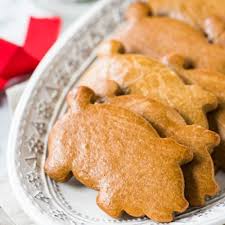
These charming treats are a beloved variety of Mexican pan dulce, recognized for their distinctive pig shapes, deep golden-brown color, lightly glossy surfaces, and warm, comforting aroma.
Unlike traditional gingerbread cookies, which are often thin and crisp, marranitos are typically thicker, softer, and slightly chewy.
Their unique texture falls somewhere between a cookie and a small sweet bread.
Dark brown sugar and unsulfured molasses give the dough its characteristic color and deep caramel-like sweetness.
Ground cinnamon adds warmth, while optional ginger contributes a subtle spicy note reminiscent of classic gingerbread.
Butter enriches the dough, eggs provide structure, and a small amount of milk helps create a tender consistency.
The dough is rolled out, cut into pig shapes, brushed with beaten egg, and baked until lightly puffed and golden.
The egg wash creates the signature shiny finish commonly associated with these traditional Mexican treats.
Marranitos are especially delicious when served with a warm cup of coffee, Mexican hot chocolate, or café de olla.
They are suitable for breakfast, afternoon snacks, holiday baking, family gatherings, or as a sweet homemade gift.
This recipe makes approximately 24 cookies and requires about 20 minutes of active preparation, 30–45 minutes of optional chilling, and 10–12 minutes of baking per batch.
2. Origin and Cultural Significance
Marranitos are a traditional part of Mexican bakery culture.
The word marranito means “little pig” in Spanish, while puerquito and cochinito are other affectionate names for a small pig.
These names refer to the recognizable pig-shaped appearance of the cookies.
Marranitos are commonly found in Mexican panaderías, or bakeries, where they are sold alongside other popular sweet breads such as conchas, cuernitos, and orejas.
Although they are often called Mexican gingerbread pigs, their flavor and texture differ from many European-style gingerbread cookies.
Marranitos are generally softer and thicker, with molasses or similar dark sweeteners providing much of their characteristic flavor.
Some traditional variations use piloncillo, an unrefined cane sugar commonly used in Mexican cooking.
Piloncillo has a deep caramel-like flavor that complements cinnamon and other warm spices.
Other recipes use molasses and brown sugar, which create a similarly rich color and flavor.
The exact historical origin of marranitos is not firmly documented, and recipes vary across regions and families.
However, their continued popularity reflects the importance of neighborhood bakeries and traditional sweet breads in Mexican food culture.
Marranitos are frequently enjoyed with warm beverages.
A soft, molasses-flavored cookie paired with coffee or hot chocolate creates a comforting combination, particularly during cooler weather.
The pig-shaped design also makes these cookies visually distinctive and appealing to children and adults alike.
Today, marranitos remain a familiar Mexican bakery treat and are also prepared in home kitchens, where families can shape, bake, and share them together.
3. Ingredients
This recipe uses familiar baking ingredients to create soft, richly flavored Mexican gingerbread pigs.
A. For the Marranitos Dough
| Ingredient | Amount |
|---|---|
| Unbleached all-purpose flour | 5 cups |
| Dark brown sugar, packed | 1 cup |
| Unsalted butter, softened | ½ cup (1 stick / 113 g) |
| Unsulfured molasses | ¾ cup |
| Milk | ¼ cup |
| Large eggs, room temperature | 2 |
| Baking soda | 1½ teaspoons |
| Vanilla extract | 1½ teaspoons |
| Ground cinnamon | 1½ teaspoons |
| Ground ginger, optional | 1 teaspoon |
B. For the Egg Wash
| Ingredient | Amount |
|---|---|
| Large egg, beaten | 1 |
Equipment
- Large mixing bowl
- Medium mixing bowl
- Hand mixer or stand mixer with paddle attachment
- Whisk
- Rubber spatula
- Measuring cups and spoons
- Rolling pin
- Pig-shaped cookie cutter
- Plastic wrap
- Two large baking sheets
- Parchment paper
- Pastry brush
- Wire cooling rack
Yield: Approximately 24 cookies, depending on the size of the cutter and thickness of the dough.
4. Optional Additions
Marranitos are traditionally enjoyed for their simple molasses and spice flavor, but several optional ingredients can create delicious variations.
Ground Ginger: Add the optional 1 teaspoon for a more pronounced gingerbread flavor.
Ground Cloves: Add a small pinch for a deeper warm-spice aroma.
Ground Nutmeg: Incorporate a pinch for extra warmth.
Orange Zest: Add finely grated orange zest for a subtle citrus fragrance.
Piloncillo: Use a suitable recipe formulated with piloncillo for a more traditional unrefined cane sugar variation.
Extra Cinnamon: Increase the cinnamon slightly for a stronger spice flavor.
Vanilla Bean Paste: Replace vanilla extract with vanilla bean paste for a richer vanilla aroma.
Light Brown Sugar: Substitute for dark brown sugar if a milder molasses flavor is preferred.
Coffee Glaze: Add a thin coffee-flavored glaze after baking for a modern variation.
Chocolate Drizzle: Drizzle cooled marranitos with melted chocolate for a dessert-style twist.
Powdered Sugar: Dust lightly over cooled cookies if desired, although this changes their classic glossy appearance.
For the most recognizable traditional-style result, keep the original molasses, dark brown sugar, cinnamon, and egg-washed surface.
5. Tips for Success
The key to excellent marranitos is creating a dough that is firm enough to hold its shape while remaining soft and tender after baking.
Use Unsulfured Molasses
Unsulfured molasses provides the rich sweetness and dark color characteristic of this recipe.
Avoid substituting blackstrap molasses without adjusting the recipe because it has a much stronger, more bitter flavor.
Measure the Flour Carefully
Too much flour can make the cookies dry and dense.
For best results, spoon flour into the measuring cup and level it rather than packing it down.
Use Softened Butter
The butter should be soft enough to cream with the brown sugar but not melted.
This helps create an evenly mixed dough.
Use Room-Temperature Eggs
Room-temperature eggs blend more easily into the butter and sugar mixture.
Cream the Butter and Sugar
Mix until the butter and brown sugar are smooth and evenly combined.
This creates a consistent base for the dough.
Add the Flour Gradually
Add the dry ingredients in portions rather than all at once.
This helps prevent flour from scattering and makes the heavy dough easier to mix.
Avoid Overmixing
Once the flour is incorporated, stop mixing.
Excessive mixing can develop too much gluten and make the cookies tougher.
Chill the Dough
Chilling for 30–45 minutes helps firm the butter and makes the dough easier to roll.
It also helps the pig-shaped cutouts retain their appearance.
Roll the Dough Thickly
Aim for approximately ⅜ inch (9–10 mm) thickness.
This is thicker than many ordinary sugar cookies and helps produce the characteristic soft, cake-like interior.
Use a Well-Defined Cutter
A traditional pig-shaped cookie cutter creates the recognizable marranito appearance.
If the cutter sticks, dip it lightly into flour.
Apply a Thin Egg Wash
Brush the tops lightly with beaten egg.
Avoid allowing large amounts of egg wash to pool around the edges.
Do Not Overbake
Bake until the cookies are puffed and the edges are lightly browned.
Overbaking can make marranitos dry and hard.
Allow Cooling Time
Let the cookies rest briefly on the baking sheet before transferring them to a wire rack.
This helps prevent breakage while they are still warm.
6. Step-by-Step Instructions
Part A: Preparing the Ingredients
Step 1: Gather the Ingredients
Measure the flour, brown sugar, butter, molasses, milk, eggs, baking soda, vanilla, cinnamon, and optional ginger.
Step 2: Prepare the Butter
Allow ½ cup unsalted butter to soften at room temperature.
Step 3: Prepare the Eggs
Allow 2 large eggs to reach room temperature.
Step 4: Measure the Brown Sugar
Measure 1 cup packed dark brown sugar.
Step 5: Measure the Molasses
Pour ¾ cup unsulfured molasses into a measuring cup.
Step 6: Prepare the Milk
Measure ¼ cup milk.
Step 7: Measure the Vanilla
Prepare 1½ teaspoons vanilla extract.
Step 8: Measure the Dry Ingredients
Prepare 5 cups all-purpose flour, 1½ teaspoons baking soda, and 1½ teaspoons ground cinnamon.
Step 9: Prepare the Optional Ginger
Measure 1 teaspoon ground ginger if using.
Part B: Creaming the Butter and Sugar
Step 10: Prepare a Large Bowl
Place a large mixing bowl on your work surface.
Step 11: Add the Butter
Transfer the softened butter into the bowl.
Step 12: Add the Brown Sugar
Add the packed dark brown sugar.
Step 13: Begin Mixing
Use a hand mixer or stand mixer fitted with a paddle attachment.
Step 14: Cream the Ingredients
Beat until the butter and sugar are smooth.
Step 15: Scrape the Bowl
Use a spatula to scrape down the sides.
Step 16: Continue Mixing Briefly
Mix until no large lumps of butter remain.
Part C: Adding the Wet Ingredients
Step 17: Add the First Egg
Crack one egg into the butter mixture.
Step 18: Beat Until Combined
Mix until incorporated.
Step 19: Add the Second Egg
Crack in the second egg.
Step 20: Mix Again
Beat until smooth.
Step 21: Add the Molasses
Pour in ¾ cup unsulfured molasses.
Step 22: Begin Combining
Mix slowly to incorporate the thick molasses.
Step 23: Add the Milk
Pour in ¼ cup milk.
Step 24: Add the Vanilla
Add 1½ teaspoons vanilla extract.
Step 25: Continue Mixing
Beat until the ingredients are evenly combined.
Step 26: Scrape the Bowl
Scrape the sides and bottom to incorporate any remaining ingredients.
Step 27: Check the Texture
The mixture should be thick, smooth, and dark brown.
Part D: Preparing the Dry Ingredients
Step 28: Prepare a Second Bowl
Place a medium mixing bowl on the countertop.
Step 29: Add the Flour
Measure 5 cups unbleached all-purpose flour into the bowl.
Step 30: Add the Baking Soda
Sprinkle in 1½ teaspoons baking soda.
Step 31: Add the Cinnamon
Add 1½ teaspoons ground cinnamon.
Step 32: Add the Ginger
If using, add 1 teaspoon ground ginger.
Step 33: Whisk the Ingredients
Mix thoroughly with a whisk.
Step 34: Break Up Any Lumps
Continue whisking until the ingredients are evenly distributed.
Step 35: Set Aside
Keep the dry mixture ready for combining.
Part E: Forming the Dough
Step 36: Prepare the Mixer
Set the mixer to low speed.
Step 37: Add the First Portion of Flour
Add approximately 1 cup of the dry mixture to the wet ingredients.
Step 38: Mix Gently
Mix until mostly incorporated.
Step 39: Add More Flour
Add another portion of the dry mixture.
Step 40: Continue Mixing
Combine at low speed.
Step 41: Repeat Gradually
Continue adding the flour mixture in portions.
Step 42: Scrape the Bowl
Use a spatula to scrape the sides as needed.
Step 43: Add the Remaining Flour
Incorporate the final portion.
Step 44: Check the Dough
The mixture should become thick and heavy.
Step 45: Continue Mixing Briefly
Mix until the dough begins pulling away from the sides of the bowl.
Step 46: Stop the Mixer
Turn off the mixer once the dough is combined.
Step 47: Check for Dry Flour
Make sure no large pockets of dry flour remain.
Step 48: Form a Dough Ball
Gather the dough together with clean hands.
Step 49: Shape into a Disk
Flatten the dough into a thick disk.
Part F: Chilling the Dough
Step 50: Prepare Plastic Wrap
Cut a piece large enough to cover the dough.
Step 51: Wrap the Dough
Wrap the disk tightly.
Step 52: Place in the Refrigerator
Transfer the wrapped dough to the refrigerator.
Step 53: Chill for 30–45 Minutes
Allow the dough to firm up.
Step 54: Check the Dough
It should feel firmer and less sticky.
Step 55: Remove from the Refrigerator
Take the dough out when ready to roll.
Part G: Preparing the Oven and Baking Sheets
Step 56: Preheat the Oven
Set the oven to 350°F (175°C).
Step 57: Prepare Two Baking Sheets
Place two large baking sheets on the countertop.
Step 58: Line with Parchment
Cover each sheet with parchment paper.
Step 59: Prepare the Work Surface
Lightly dust a clean countertop with flour.
Step 60: Prepare the Rolling Pin
Dust the rolling pin lightly with flour if necessary.
Part H: Rolling and Cutting the Marranitos
Step 61: Unwrap the Dough
Remove the plastic wrap.
Step 62: Place on the Work Surface
Transfer the dough to the lightly floured countertop.
Step 63: Begin Rolling
Use the rolling pin to flatten the dough.
Step 64: Roll Evenly
Work from the center outward.
Step 65: Check the Thickness
Aim for approximately ⅜ inch (9–10 mm).
Step 66: Adjust if Necessary
Roll any thicker areas until the dough is even.
Step 67: Prepare the Pig Cutter
Take the pig-shaped cookie cutter.
Step 68: Cut the First Shape
Press the cutter firmly into the dough.
Step 69: Lift the Cutter
Remove it carefully.
Step 70: Transfer the Cookie
Place the pig-shaped dough onto the prepared baking sheet.
Step 71: Repeat the Cutting
Continue cutting shapes from the rolled dough.
Step 72: Leave Space Between Cookies
Arrange the shapes approximately 1½ inches apart.
Step 73: Gather the Scraps
Collect the remaining dough scraps.
Step 74: Reroll Gently
Roll the scraps to the same thickness.
Step 75: Cut Additional Shapes
Continue until most of the dough has been used.
Step 76: Arrange on the Baking Sheets
Distribute the cookies evenly.
Part I: Preparing the Egg Wash
Step 77: Prepare a Small Bowl
Crack 1 large egg into the bowl.
Step 78: Beat the Egg
Whisk until the yolk and white are combined.
Step 79: Prepare a Pastry Brush
Use a clean pastry brush.
Step 80: Brush the First Cookie
Apply a thin layer of beaten egg over the top.
Step 81: Continue Brushing
Repeat with the remaining pig-shaped cookies.
Step 82: Check the Coverage
Make sure the tops are lightly and evenly coated.
Step 83: Avoid Excess Egg Wash
Do not allow large puddles to form around the cookies.
Part J: Baking the Marranitos
Step 84: Place the Baking Sheet in the Oven
Transfer the first baking sheet to the preheated oven.
Step 85: Bake for 10–12 Minutes
Allow the cookies to bake until puffed.
Step 86: Check the Edges
The edges should become lightly browned.
Step 87: Check the Tops
The surfaces should appear glossy and set.
Step 88: Avoid Overbaking
Remove the cookies before they become excessively dark or dry.
Step 89: Remove from the Oven
Carefully take the baking sheet out.
Step 90: Bake the Remaining Batch
Repeat with the second baking sheet if necessary.
Part K: Cooling and Serving
Step 91: Allow the Cookies to Rest
Let the marranitos cool on the baking sheet for approximately 3–5 minutes.
Step 92: Transfer to a Wire Rack
Use a spatula to move the cookies carefully.
Step 93: Cool Further
Allow them to cool until comfortable to handle.
Step 94: Check the Texture
The cookies should feel soft and slightly springy.
Step 95: Arrange for Serving
Place the marranitos on a serving platter.
Step 96: Serve
Enjoy with coffee, milk, Mexican hot chocolate, or café de olla.
7. Description
Marranitos are traditional Mexican pig-shaped sweet breads with a soft, cake-like texture and a rich molasses flavor.
Their appearance is one of their most distinctive characteristics.
Each cookie is shaped like a small pig, with a rounded body, short legs, and a recognizable snout.
The surface is deep golden brown with a slightly glossy finish created by the egg wash.
Inside, the texture is tender, thick, and slightly chewy.
Unlike crisp gingerbread cookies, marranitos have a softer bite that resembles a cross between a cookie and a sweet bread.
Dark brown sugar and molasses provide a deep caramel-like sweetness.
Cinnamon adds warmth, while optional ginger contributes a gentle spicy note.
Vanilla enhances the overall aroma, and butter gives the dough a rich flavor.
These cookies are especially enjoyable with warm beverages because their dense yet tender texture pairs well with coffee, milk, and hot chocolate.
They can be served as a breakfast treat, afternoon snack, or simple dessert.
8. Nutritional Information
Approximate nutritional values per cookie, assuming the recipe makes 24 cookies:
| Nutrient | Estimated Amount |
|---|---|
| Calories | 225–255 kcal |
| Protein | 3–4 g |
| Carbohydrates | 43–48 g |
| Total Fat | 4–6 g |
| Saturated Fat | 2–4 g |
| Sugar | 17–22 g |
| Fiber | 1–2 g |
| Sodium | 70–110 mg |
| Iron | 1–2 mg |
These are estimates. Actual values depend on the size of the cookies, the amount of flour used during rolling, the molasses brand, and the final yield.
9. Recipe Details
| Category | Details |
|---|---|
| Recipe Name | Marranitos |
| Also Known As | Puerquitos, Cochinitos, Mexican Gingerbread Pigs |
| Cuisine | Mexican |
| Preparation Time | 20 Minutes |
| Chilling Time | 30–45 Minutes, Recommended |
| Baking Time | 10–12 Minutes per Batch |
| Total Time | Approximately 1 Hour 5 Minutes to 1 Hour 30 Minutes |
| Yield | Approximately 24 Cookies |
| Difficulty | Easy |
| Main Ingredients | Flour, Molasses, Brown Sugar, Butter, Cinnamon |
| Cooking Method | Baking |
| Course | Dessert / Snack / Pan Dulce |
| Flavor Profile | Sweet, Molasses-Rich, Warmly Spiced |
| Texture | Soft, Cake-Like, Slightly Chewy |
| Oven Temperature | 350°F (175°C) |
| Best For | Coffee Breaks, Holiday Baking, Family Gatherings |
| Traditional Shape | Pig-Shaped Cookies |
10. Conclusion
Marranitos are a delicious example of traditional Mexican pan dulce, combining rich molasses flavor, warm baking spices, and a distinctive pig-shaped appearance.
Their soft, cake-like texture makes them different from ordinary crisp gingerbread cookies.
The recipe uses simple ingredients, including flour, dark brown sugar, butter, molasses, eggs, cinnamon, and vanilla.
The dough is mixed until thick, chilled until firm, and rolled into a generous thickness.
A pig-shaped cookie cutter creates the traditional appearance, while an egg wash produces the glossy golden-brown finish.
After baking, the cookies remain soft and tender, with a comforting molasses aroma.
Marranitos are especially delicious when served with Mexican hot chocolate, coffee, or warm milk.
Whether prepared for a family gathering, holiday celebration, or homemade bakery-style treat, these traditional Mexican gingerbread pigs offer a wonderful combination of flavor, texture, and cultural charm.
11. Serving and Storage Recommendations
Serving Suggestions: Serve marranitos slightly warm or at room temperature.
Coffee Pairing: Enjoy with freshly brewed coffee or café de olla.
Hot Chocolate Pairing: Serve with traditional Mexican hot chocolate.
Milk Pairing: Pair with a cold glass of milk for a simple snack.
Breakfast Serving: Enjoy alongside fruit and a warm beverage.
Holiday Presentation: Arrange on a decorative platter for family gatherings.
Room-Temperature Storage: Store completely cooled marranitos in an airtight container.
Best Freshness: Enjoy within approximately 3–5 days for the softest texture.
Refrigeration: Refrigeration is generally unnecessary for plain marranitos and may make them firmer.
Freezing: Freeze fully cooled cookies in an airtight freezer-safe container for up to 2–3 months for best quality.
Thawing: Allow frozen cookies to thaw at room temperature.
Reheating: Warm briefly in a low-temperature oven if a freshly baked texture is desired.
Preventing Dryness: Keep the cookies sealed to prevent them from becoming stale.
Make-Ahead Dough: Prepare the dough in advance and refrigerate it well wrapped for up to 1–2 days before rolling and baking.
Allergen Information: This recipe contains wheat, milk, and eggs.
12. Embracing Healthful Indulgence
Marranitos are a traditional sweet treat made with flour, molasses, brown sugar, butter, eggs, and warm spices.
The flour provides carbohydrates, while eggs contribute small amounts of protein and other nutrients.
Molasses contains minerals such as iron, potassium, and calcium, although the quantities vary depending on the type and brand.
Cinnamon and ginger add aromatic flavor without requiring additional fat.
Butter contributes richness and helps create the tender texture.
Because the recipe contains both brown sugar and molasses, marranitos are relatively high in added sugars.
They are best enjoyed as an occasional sweet treat rather than a primary source of nutrition.
For smaller portions, use a smaller pig-shaped cookie cutter and adjust the baking time as necessary.
Pairing a marranito with fresh fruit or an unsweetened beverage can create a more balanced snack.
Although it may be tempting to reduce the sugar or molasses significantly, these ingredients play important roles in the flavor, color, and texture.
Large substitutions may change the traditional result.
Marranitos are particularly enjoyable because they offer more than sweetness alone.
Their distinctive shape, soft texture, rich molasses flavor, and connection to Mexican bakery traditions make them a memorable homemade treat.
Whether enjoyed with coffee in the morning or hot chocolate in the afternoon, these soft Mexican gingerbread pigs bring warmth, comfort, and a taste of traditional pan dulce to the table.