
1. Introduction
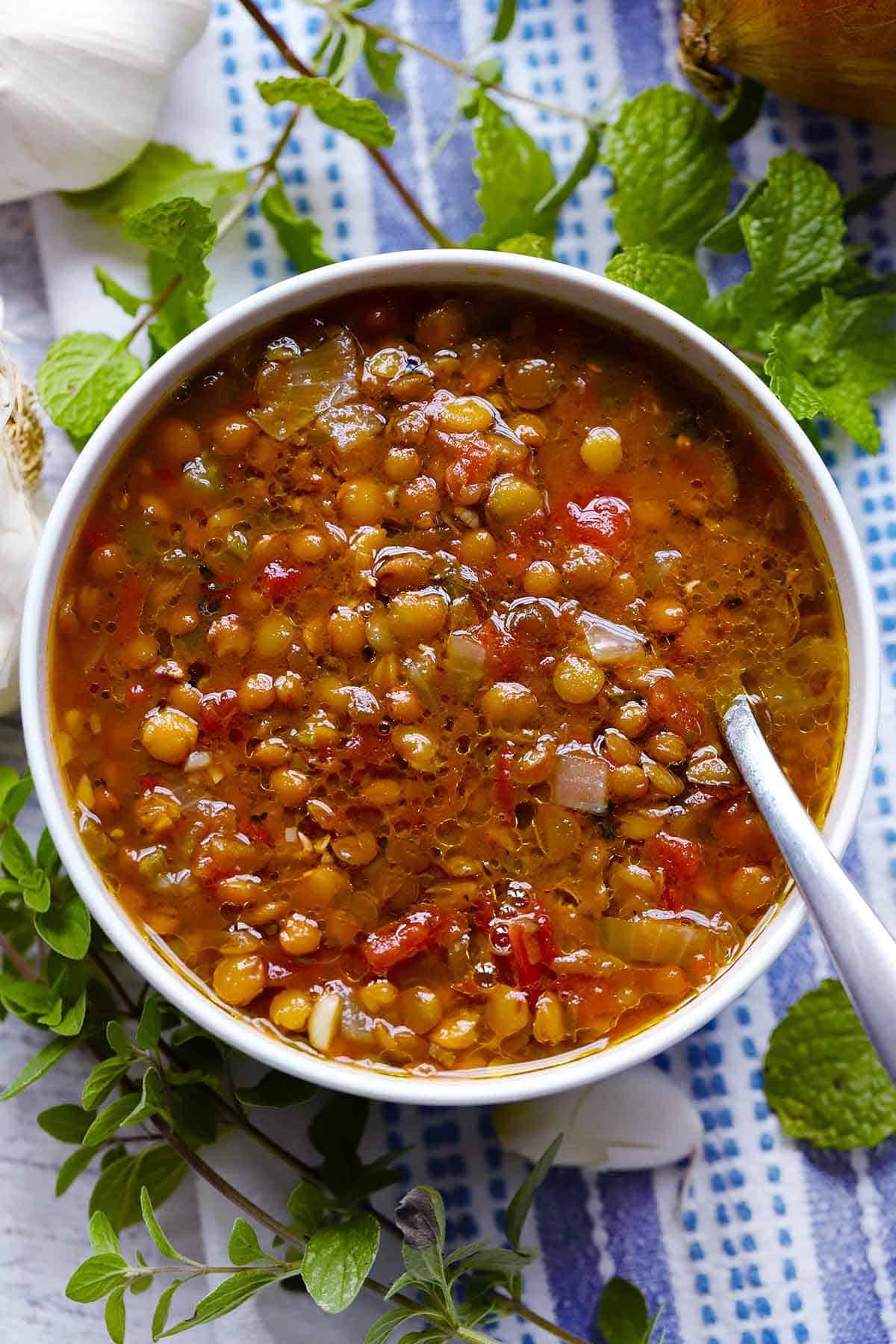
Traditional Greek Lentil Soup, known in Greece as Fakes Soupa (φακές σούπα), is a hearty, nourishing, and flavorful Mediterranean dish made with tender brown or green lentils, fresh vegetables, aromatic herbs, tomatoes, and extra virgin olive oil.
This comforting soup is a wonderful example of how simple, affordable ingredients can be transformed into a satisfying homemade meal.
The recipe combines earthy lentils with a rich tomato-based broth, sweet onions, tender carrots, celery, garlic, oregano, and bay leaves.
A splash of red wine vinegar added at the end provides a bright, tangy finish that balances the natural earthiness of the lentils.
Extra virgin olive oil adds richness and contributes to the soup’s characteristic Mediterranean flavor.
One of the most appealing qualities of Greek Lentil Soup is its simplicity.
Unlike complicated soups that require multiple cooking stages or specialized ingredients, Fakes Soupa is prepared in one pot using familiar pantry staples.
The vegetables are gently sautéed to develop flavor, then combined with lentils, tomatoes, broth, and herbs.
The mixture simmers slowly until the lentils become tender and the broth thickens naturally.
The result is a rustic soup with a rich aroma, satisfying texture, and deeply comforting flavor.
Greek Lentil Soup is naturally plant-based when prepared with vegetable broth or water.
It also provides plant-based protein, dietary fiber, iron, and other important nutrients.
This makes it an excellent choice for vegetarian and vegan meals.
It can be enjoyed as a light lunch, hearty dinner, or convenient make-ahead meal.
Served warm with crusty bread, olives, or a simple Mediterranean salad, this traditional-inspired lentil soup brings the warmth and simplicity of Greek home cooking to the table.
2. Origin and Cultural Significance
Greek Lentil Soup has deep roots in Greek culinary traditions.
Lentils have been cultivated and consumed throughout the Mediterranean and the Near East for thousands of years.
They are among the oldest domesticated legumes and have long been valued as an affordable, nourishing source of food.
Lentils in Ancient Greek Cuisine
Lentils were an important ingredient in the diets of ancient Mediterranean communities.
They were relatively inexpensive, easy to store, and capable of providing substantial nourishment.
Lentil-based dishes were commonly associated with everyday meals rather than elaborate celebrations.
Over time, lentil soup became a familiar part of Greek home cooking.
The Meaning of Fakes Soupa
The Greek word fakes refers to lentils, while soupa means soup.
Together, the name describes a simple lentil soup.
Traditional Greek versions often contain brown lentils, onions, garlic, bay leaves, olive oil, and vinegar.
Tomatoes, carrots, celery, and oregano are common additions, although recipes vary between households and regions.
Olive Oil and Mediterranean Cooking
Olive oil is central to Greek cuisine.
It is used in vegetable dishes, legumes, salads, soups, and many other preparations.
In Fakes Soupa, olive oil contributes richness and helps carry the flavors of the aromatics.
Some recipes add olive oil during cooking, while others finish the soup with an additional drizzle.
The Importance of Vinegar
One distinctive feature of Greek lentil soup is the use of vinegar.
Red wine vinegar is frequently added near the end of cooking or served at the table.
Its acidity brightens the earthy flavor of the lentils and balances the richness of the olive oil.
The amount can be adjusted according to personal preference.
Fakes Soupa and Greek Home Cooking
Lentil soup is a familiar everyday meal in Greece.
It is especially suitable for cooler weather and for periods when simple, plant-based meals are preferred.
Legume dishes also feature in Greek Orthodox fasting traditions, during which many people avoid animal-derived foods.
Fakes Soupa reflects the broader Mediterranean approach to cooking with vegetables, legumes, olive oil, and aromatic herbs.
3. Ingredients
This recipe makes approximately four servings.
A. Lentils
| Ingredient | Quantity |
|---|---|
| Dried brown or green lentils, rinsed and drained | 1 cup |
B. Aromatics and Vegetables
| Ingredient | Quantity |
|---|---|
| Medium yellow onion, diced | 1 |
| Garlic cloves, minced | 4 |
| Large carrot, diced | 1 |
| Celery stalk, diced | 1 |
C. Tomato Base
| Ingredient | Quantity |
|---|---|
| Diced or crushed tomatoes | 1 can (14 oz / approximately 400 g) |
| Tomato paste | 1 tablespoon |
D. Broth and Seasonings
| Ingredient | Quantity |
|---|---|
| Vegetable broth or water | 4 cups |
| Dried oregano | 1 teaspoon |
| Bay leaves | 2 |
| Salt | To taste |
| Freshly ground black pepper | To taste |
E. Olive Oil and Finishing Ingredients
| Ingredient | Quantity |
|---|---|
| Extra virgin olive oil | 2 tablespoons total |
| Red wine vinegar | 1 tablespoon |
Use 1 tablespoon olive oil for sautéing the vegetables and the remaining tablespoon to finish the soup.
F. Equipment
- Large soup pot or Dutch oven
- Fine-mesh strainer
- Cutting board
- Sharp knife
- Wooden spoon
- Measuring cups and spoons
- Can opener
- Soup ladle
- Serving bowls
4. Optional Additions
Greek Lentil Soup is flavorful with its original ingredients, but several optional additions can provide extra texture and flavor.
Fresh Parsley: Sprinkle chopped parsley over the soup before serving.
Fresh Lemon Juice: Add a squeeze of lemon for additional brightness.
Extra Red Wine Vinegar: Serve a small amount at the table for those who prefer a tangier soup.
Smoked Paprika: Add a pinch for a subtle smoky note.
Ground Cumin: Include a small amount for additional warmth.
Crushed Red Pepper Flakes: Add a pinch for gentle heat.
Fresh Thyme: Use alongside oregano for an herbal variation.
Fresh Rosemary: Add a small sprig while simmering for a stronger aroma.
Additional Carrots: Increase the vegetables for a slightly sweeter soup.
Diced Potatoes: Add small potato cubes for a heartier texture.
Chopped Spinach: Stir in fresh spinach near the end of cooking.
Kale: Add finely chopped kale for extra greens.
Extra Garlic: Increase the garlic for a more pronounced savory flavor.
Olives: Serve Greek olives alongside the soup.
Crusty Bread: Pair with rustic bread for dipping.
Feta Cheese: Sprinkle over individual servings for a non-vegan variation.
Additional Olive Oil: Drizzle a little extra virgin olive oil over the finished soup.
The original recipe remains delicious without these additions.
5. Tips for Success
Choose Brown or Green Lentils
Brown and green lentils are suitable for this recipe because they generally retain some of their shape during simmering.
Red split lentils cook faster and break down more easily, creating a different texture.
Rinse the Lentils Thoroughly
Place the dried lentils in a fine-mesh strainer and rinse under cool running water.
Check for Small Stones
Inspect dried lentils before cooking and remove any debris.
Soaking Is Usually Unnecessary
Brown and green lentils generally do not require soaking for this soup.
Dice the Vegetables Evenly
Cut the onion, carrot, and celery into small, similar-sized pieces.
Sauté the Aromatics First
Cooking the vegetables in olive oil develops their flavor before the broth is added.
Avoid Burning the Garlic
Garlic cooks quickly, so add it after the vegetables begin to soften.
Cook the Tomato Paste Briefly
Heating tomato paste with the aromatics helps develop its flavor.
Use Good-Quality Tomatoes
Diced or crushed tomatoes both work well.
Crushed tomatoes create a smoother broth, while diced tomatoes provide more texture.
Monitor the Liquid Level
Lentils absorb liquid as they cook.
Add a little hot water or broth if the soup becomes too thick before the lentils are tender.
Simmer Gently
A gentle simmer helps the lentils cook evenly.
Check the Lentils for Tenderness
Cooking time can vary depending on the lentil variety and age.
Add Vinegar at the End
Finishing with vinegar preserves its bright flavor.
Remove Bay Leaves
Discard the bay leaves before serving.
Adjust the Seasoning
Taste the soup before serving and add salt or pepper as needed.
Allow the Soup to Rest Briefly
A few minutes of resting helps the flavors settle.
6. Step-by-Step Instructions
Part A: Preparing the Ingredients
Step 1: Gather all ingredients and equipment.
Step 2: Measure 1 cup dried brown or green lentils.
Step 3: Spread the lentils on a clean plate.
Step 4: Inspect them for small stones or debris.
Step 5: Remove any unwanted pieces.
Step 6: Transfer the lentils to a fine-mesh strainer.
Step 7: Rinse thoroughly under cool running water.
Step 8: Gently move the lentils while rinsing.
Step 9: Continue until the water runs mostly clear.
Step 10: Allow the lentils to drain.
Part B: Preparing the Vegetables
Step 11: Peel the yellow onion.
Step 12: Cut it in half.
Step 13: Finely dice the onion.
Step 14: Transfer the diced onion to a small bowl.
Step 15: Peel the garlic cloves.
Step 16: Mince all four cloves.
Step 17: Wash the carrot.
Step 18: Peel it if desired.
Step 19: Cut the carrot into small cubes.
Step 20: Wash the celery stalk.
Step 21: Trim the ends.
Step 22: Dice the celery into small pieces.
Step 23: Set the prepared vegetables aside.
Part C: Preparing the Tomato Base
Step 24: Open the can of diced or crushed tomatoes.
Step 25: Measure 1 tablespoon tomato paste.
Step 26: Set both ingredients near the stove.
Step 27: Measure 4 cups vegetable broth or water.
Step 28: Prepare the dried oregano.
Step 29: Set aside two bay leaves.
Part D: Heating the Olive Oil
Step 30: Place a large soup pot over medium heat.
Step 31: Add 1 tablespoon extra virgin olive oil.
Step 32: Allow the oil to warm gently.
Step 33: Avoid heating the oil until it smokes.
Part E: Sautéing the Vegetables
Step 34: Add the diced onion to the pot.
Step 35: Add the diced carrot.
Step 36: Add the diced celery.
Step 37: Stir the vegetables together.
Step 38: Cook over medium heat.
Step 39: Stir occasionally to prevent sticking.
Step 40: Continue sautéing for approximately 5 minutes.
Step 41: Watch for the onion to become translucent.
Step 42: Check that the carrot and celery begin to soften.
Step 43: Reduce the heat slightly if the vegetables brown too quickly.
Part F: Adding the Garlic and Tomato Paste
Step 44: Add the minced garlic.
Step 45: Stir it into the vegetables.
Step 46: Add 1 tablespoon tomato paste.
Step 47: Mix the tomato paste with the aromatics.
Step 48: Cook for approximately 1 minute.
Step 49: Stir continuously.
Step 50: Allow the garlic to become fragrant.
Step 51: Avoid burning the garlic.
Part G: Adding the Lentils
Step 52: Add the rinsed and drained lentils to the pot.
Step 53: Stir gently to combine.
Step 54: Coat the lentils lightly with the aromatic tomato mixture.
Step 55: Distribute the lentils evenly.
Part H: Adding the Tomatoes and Broth
Step 56: Pour the canned tomatoes into the pot.
Step 57: Stir to combine with the lentils.
Step 58: Add 4 cups vegetable broth or water.
Step 59: Stir gently.
Step 60: Scrape the bottom of the pot to release any flavorful bits.
Step 61: Check that the lentils are submerged.
Part I: Adding the Herbs
Step 62: Sprinkle in 1 teaspoon dried oregano.
Step 63: Add the two bay leaves.
Step 64: Stir gently.
Step 65: Check that the herbs are distributed throughout the soup.
Part J: Bringing the Soup to a Boil
Step 66: Increase the heat to medium-high.
Step 67: Allow the soup to heat gradually.
Step 68: Stir occasionally.
Step 69: Wait until the liquid begins to bubble.
Step 70: Bring the soup to a boil.
Step 71: Reduce the heat to low.
Part K: Simmering the Lentil Soup
Step 72: Cover the pot with a lid.
Step 73: Leave the lid slightly ajar if necessary to prevent boiling over.
Step 74: Maintain a gentle simmer.
Step 75: Cook for approximately 35–40 minutes.
Step 76: Stir occasionally.
Step 77: Check the liquid level during cooking.
Step 78: Add a small amount of hot water or broth if the soup becomes too thick.
Step 79: Continue simmering until the lentils soften.
Step 80: Taste a small spoonful of lentils to check tenderness.
Step 81: If the lentils remain firm, continue cooking.
Step 82: Check again after several minutes.
Step 83: Continue until the lentils are completely tender.
Part L: Adjusting the Texture
Step 84: Remove the lid.
Step 85: Stir the soup gently.
Step 86: Check the thickness of the broth.
Step 87: If the soup is too thick, add a small amount of hot water.
Step 88: Stir until combined.
Step 89: If the soup is too thin, simmer uncovered for a few additional minutes.
Step 90: Continue until the desired consistency is reached.
Part M: Removing the Bay Leaves
Step 91: Turn off the heat.
Step 92: Locate the bay leaves.
Step 93: Remove both bay leaves with a spoon.
Step 94: Discard them.
Part N: Adding the Finishing Ingredients
Step 95: Measure 1 tablespoon red wine vinegar.
Step 96: Pour the vinegar into the soup.
Step 97: Add the remaining 1 tablespoon extra virgin olive oil.
Step 98: Stir gently to combine.
Step 99: Allow the olive oil to blend into the broth.
Step 100: Notice the aroma of the vinegar and herbs.
Part O: Final Seasoning
Step 101: Taste the soup carefully.
Step 102: Add salt according to preference.
Step 103: Sprinkle in freshly ground black pepper.
Step 104: Stir thoroughly.
Step 105: Taste again.
Step 106: Adjust the vinegar if a tangier flavor is desired.
Step 107: Add a little more broth if necessary.
Step 108: Allow the soup to rest for approximately 5 minutes.
Part P: Serving the Soup
Step 109: Prepare warm serving bowls.
Step 110: Stir the soup gently before serving.
Step 111: Use a ladle to portion the soup into bowls.
Step 112: Distribute the lentils and vegetables evenly.
Step 113: Spoon additional broth over each serving.
Step 114: Add a small drizzle of extra virgin olive oil if desired.
Step 115: Sprinkle with chopped fresh parsley if preferred.
Step 116: Serve with crusty bread or olives.
Step 117: Enjoy the soup warm.
7. Description
Traditional Greek Lentil Soup is a rustic, hearty, and aromatic dish featuring tender lentils in a savory tomato broth.
The soup has a warm reddish-brown color from the lentils, tomatoes, and tomato paste.
Small pieces of carrot, celery, and onion add texture and color.
The lentils provide an earthy flavor and a satisfying consistency.
Garlic adds savory depth, while dried oregano contributes a familiar Mediterranean herbal aroma.
Bay leaves infuse the broth with subtle aromatic notes during simmering.
The tomatoes provide gentle acidity and richness.
Extra virgin olive oil adds a smooth finish and helps bring the flavors together.
Red wine vinegar gives the soup its characteristic tangy brightness.
The texture is thick enough to feel substantial but still spoonable.
Some lentils remain intact, while others may soften and naturally thicken the broth.
The result is a comforting soup that is both simple and flavorful.
Served with rustic bread and olives, it creates a satisfying Mediterranean-style meal.
8. Nutritional Information
Approximate nutritional values per serving, assuming four servings:
| Nutrient | Estimated Amount |
|---|---|
| Calories | 230–290 kcal |
| Protein | 12–15 g |
| Carbohydrates | 32–40 g |
| Total Fat | 7–9 g |
| Saturated Fat | 1–1.5 g |
| Fiber | 8–12 g |
| Sugar | 5–8 g |
| Sodium | Variable |
| Iron | Present |
| Folate | Present |
| Potassium | Present |
These are estimates based on typical ingredient values. Actual nutrition depends on lentil variety, vegetable size, broth brand, and serving size. Bread and other accompaniments are not included.
9. Recipe Details
| Category | Details |
|---|---|
| Recipe Name | Traditional Greek Lentil Soup |
| Greek Name | Fakes Soupa |
| Cuisine | Greek / Mediterranean |
| Preparation Time | Approximately 15 Minutes |
| Cooking Time | Approximately 40–50 Minutes |
| Total Time | Approximately 55–65 Minutes |
| Servings | 4 |
| Difficulty | Easy |
| Main Ingredient | Brown or Green Lentils |
| Main Vegetables | Onion, Carrot, Celery, Garlic |
| Broth Base | Tomatoes and Vegetable Broth |
| Main Herbs | Oregano and Bay Leaves |
| Finishing Ingredients | Extra Virgin Olive Oil and Red Wine Vinegar |
| Cooking Method | Sautéing and Simmering |
| Course | Soup / Main Course |
| Flavor Profile | Earthy, Savory, Herbal, Slightly Tangy |
| Texture | Tender Lentils in a Thick, Rustic Broth |
| Dietary Style | Vegan, Vegetarian, Naturally Gluten-Free |
| Best For | Family Meals, Meal Prep, Mediterranean Diet |
| Recommended Pairings | Crusty Bread, Olives, Greek Salad |
10. Conclusion
Traditional Greek Lentil Soup, or Fakes Soupa, is a simple and comforting dish that highlights the flavors of Mediterranean home cooking.
The recipe combines dried brown or green lentils with onions, garlic, carrots, celery, tomatoes, and aromatic herbs.
The vegetables are sautéed in olive oil to develop flavor before the lentils, tomatoes, and broth are added.
As the soup simmers, the lentils become tender and naturally thicken the broth.
Oregano and bay leaves contribute herbal depth.
The finishing touch of red wine vinegar and extra virgin olive oil creates a balanced flavor that is earthy, savory, and slightly tangy.
One of the greatest advantages of this recipe is its versatility.
It can be served as a light lunch, hearty dinner, or convenient make-ahead meal.
The ingredients are affordable, widely available, and easy to prepare.
The soup also stores and reheats well, making it suitable for meal planning.
With its rich flavor, nourishing lentils, and simple cooking method, Greek Lentil Soup is a timeless comfort-food recipe that can be enjoyed throughout the year.
11. Serving and Storage Recommendations
Serving Suggestions: Serve the soup warm in deep bowls.
Crusty Bread: Pair with rustic bread for dipping into the broth.
Greek Olives: Serve with Kalamata or other Greek-style olives.
Fresh Parsley: Sprinkle chopped parsley over the soup.
Extra Olive Oil: Drizzle a small amount over each bowl before serving.
Red Wine Vinegar: Offer extra vinegar at the table.
Lemon Wedges: Serve with lemon for an alternative acidic finish.
Greek Salad: Pair with a simple tomato, cucumber, and olive salad.
Feta Cheese: Add crumbled feta for a non-vegan serving variation.
Roasted Vegetables: Serve with roasted zucchini, peppers, or eggplant.
Refrigeration: Allow the soup to cool briefly, then transfer it to shallow airtight containers.
Storage Duration: Refrigerate for approximately 3–4 days.
Freezing: Freeze in suitable containers for approximately 2–3 months for best quality.
Reheating: Warm gently in a saucepan over medium-low heat.
Adding Liquid: Stir in a little water or broth if the soup thickens during storage.
Microwave Reheating: Reheat in a microwave-safe bowl, stirring occasionally until thoroughly hot.
Make-Ahead: Prepare the soup a day in advance if desired.
Flavor Development: The flavors often become more integrated after refrigeration.
Food Safety: Refrigerate leftovers within 2 hours and reheat thoroughly.
Allergen Information: The basic recipe is naturally free from common major allergens, but check broth labels and prevent cross-contact when necessary.
12. Embracing Healthful Indulgence
Traditional Greek Lentil Soup is a nutritious plant-based meal that combines legumes, vegetables, olive oil, and aromatic herbs.
Lentils provide plant-based protein and dietary fiber.
Protein supports normal muscle maintenance and other essential body functions.
Dietary fiber contributes to digestive health and helps promote fullness.
Lentils also provide iron, folate, potassium, and other nutrients.
Carrots contribute beta-carotene, which the body can convert into vitamin A.
Tomatoes provide vitamin C and naturally occurring plant compounds, including lycopene.
Onions and garlic contribute additional flavor and small amounts of beneficial plant compounds.
Extra virgin olive oil provides predominantly monounsaturated fats.
It is a familiar ingredient in Mediterranean dietary patterns.
The soup contains no meat or dairy when prepared with vegetable broth or water.
This makes it suitable for vegetarian and vegan diets.
It is also naturally gluten-free when all packaged ingredients are free from gluten contamination.
For people seeking a filling meal without excessive added fat, this soup offers a satisfying combination of fiber-rich lentils and vegetables.
Using reduced-sodium vegetable broth can help moderate sodium intake.
Adding more vegetables can increase the variety of nutrients.
Serving the soup with whole-grain bread or a fresh salad creates a more substantial meal.
Portion sizes can be adjusted according to individual needs.
With its tender lentils, fragrant herbs, tomato-rich broth, and bright vinegar finish, Traditional Greek Lentil Soup offers a comforting and flavorful way to enjoy simple Mediterranean ingredients as part of a balanced diet.