
1. Introduction
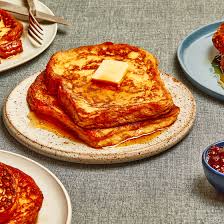
Classic Golden-Brown French Toast is a beloved breakfast and brunch dish known for its rich buttery flavor, crisp caramelized exterior, and soft, custard-like center.
Made with thick slices of brioche, challah, or Texas toast, this recipe transforms simple ingredients into a delicious homemade breakfast.
The secret to excellent French toast lies in the combination of sturdy bread, a well-balanced egg custard, and careful pan-frying.
The bread is soaked in a mixture of eggs, milk, sugar, vanilla extract, cinnamon, and salt. As it cooks, the exterior develops a beautiful golden-brown crust while the interior remains tender and moist.
Using slightly stale or day-old bread is especially helpful because it absorbs the custard without falling apart.
Brioche is an excellent choice because of its rich, buttery texture and delicate sweetness. Challah provides a similarly tender crumb, while Texas toast offers a thick, sturdy alternative.
A small amount of sugar in the custard helps encourage browning, creating the lightly caramelized surface that makes French toast so appealing.
Butter adds richness, while a small splash of neutral oil helps reduce the likelihood of the butter burning during cooking.
The finished slices can be served with warm maple syrup, fresh berries, powdered sugar, or additional butter.
This easy recipe makes four thick slices and can be prepared in approximately 15–20 minutes.
Whether enjoyed as a quick family breakfast, a relaxed weekend brunch, or a special morning treat, classic French toast delivers a comforting combination of sweetness, warmth, and irresistible texture.
2. Origin and Cultural Significance
French toast has a long culinary history that extends beyond France.
Variations of bread soaked in eggs and milk have appeared in different cultures for centuries.
Early Origins
Recipes involving bread soaked in milk or eggs can be traced to ancient Roman culinary traditions.
These early preparations helped transform bread into a richer dish.
French Pain Perdu
In France, a closely related preparation is called pain perdu, meaning “lost bread.”
The name refers to the practice of using bread that has become stale rather than allowing it to go to waste.
Soaking the bread in a mixture of milk and eggs restores moisture and creates a soft interior.
French Toast in American Breakfast Culture
French toast became a familiar breakfast and brunch dish in the United States.
It is commonly prepared with thick-cut bread and served with butter, syrup, fruit, and powdered sugar.
Brioche and Texas toast are especially popular choices.
The Role of Brioche
Brioche is a French enriched bread traditionally made with butter and eggs.
Its soft texture and rich flavor make it particularly suitable for French toast.
The Importance of Caramelization
The golden-brown exterior develops through several cooking reactions.
Sugar contributes to caramelization, while proteins and sugars in the bread and custard participate in Maillard browning.
These reactions create the characteristic color, aroma, and toasted flavor.
A Versatile Breakfast Tradition
French toast is enjoyed in many forms around the world.
Some versions are simple and lightly sweetened, while others include elaborate toppings, fillings, or sauces.
The recipe presented here focuses on the classic golden-brown style with a crisp exterior and soft center.
3. Ingredients
This recipe makes four thick slices of French toast, approximately two servings.
A. Bread
| Ingredient | Quantity |
|---|---|
| Thick-cut brioche, challah, or Texas toast | 4 slices |
| Recommended thickness | ¾–1 inch (2–2.5 cm) |
Slightly stale or day-old bread works particularly well.
B. Egg Custard
| Ingredient | Quantity |
|---|---|
| Large eggs | 2 |
| Whole milk | ½ cup (120 ml) |
| Granulated sugar or light brown sugar | 1 tablespoon |
| Pure vanilla extract | 1 teaspoon |
| Ground cinnamon | ½ teaspoon |
| Salt | A small pinch |
For a richer custard, replace the ½ cup whole milk with ¼ cup whole milk and ¼ cup heavy cream.
C. Cooking Fat
| Ingredient | Quantity |
|---|---|
| Unsalted butter | 1–2 tablespoons |
| Neutral cooking oil | A small splash |
D. Optional Toppings
| Ingredient | Quantity |
|---|---|
| Maple syrup | To taste |
| Additional butter | As desired |
| Fresh berries | As desired |
| Powdered sugar | For dusting |
E. Equipment
- Large nonstick skillet or griddle
- Shallow dish or pie plate
- Whisk
- Measuring cups and spoons
- Wide spatula
- Kitchen tongs, optional
- Serving plates
- Small saucepan for warming syrup, optional
4. Optional Additions
Classic French toast can be customized with several toppings and flavor variations.
Fresh Strawberries: Add sliced strawberries for natural sweetness.
Blueberries: Sprinkle fresh blueberries over the finished toast.
Raspberries: Add fresh raspberries for a tart contrast.
Banana Slices: Arrange banana slices over the toast.
Maple Syrup: Drizzle warm maple syrup over each serving.
Honey: Use honey as an alternative sweetener.
Powdered Sugar: Dust lightly for a traditional presentation.
Whipped Cream: Add a small dollop for extra richness.
Greek Yogurt: Serve alongside for a tangy contrast.
Nut Butter: Spread a thin layer of almond or peanut butter over the toast.
Chopped Pecans: Sprinkle toasted pecans for crunch.
Walnuts: Add chopped walnuts for a nutty flavor.
Orange Zest: Mix finely grated orange zest into the custard.
Lemon Zest: Add a little lemon zest for brightness.
Nutmeg: Add a small pinch alongside the cinnamon.
Cardamom: Use a pinch for a warm aromatic variation.
Brown Butter: Use lightly browned butter for a deeper nutty flavor, taking care not to burn it.
Chocolate Chips: Sprinkle a few over the finished toast.
Fruit Compote: Serve with warm berry or apple compote.
These additions are optional and are not necessary for the classic recipe.
5. Tips for Success
Choose Thick Bread
Slices approximately ¾–1 inch thick hold their shape well during soaking and frying.
Use Slightly Stale Bread
Day-old bread absorbs custard without becoming excessively fragile.
Avoid Very Fresh, Soft Bread
Extremely soft bread can become soggy or break apart.
Whisk the Custard Thoroughly
The eggs, milk, sugar, vanilla, cinnamon, and salt should be evenly combined.
Use a Shallow Dish
A shallow dish makes it easier to coat both sides of the bread.
Do Not Oversoak
Approximately 15–20 seconds per side is a useful starting point for thick-cut bread.
Very dry or especially thick slices may need slightly longer.
Allow Excess Custard to Drip Off
This helps prevent pools of uncooked egg mixture in the skillet.
Preheat the Skillet
A properly heated pan encourages even browning.
Cook Over Medium Heat
Excessively high heat can burn the exterior before the center cooks.
Use Butter and a Little Oil
The combination provides buttery flavor and helps manage browning.
Watch the Butter
Butter should foam gently without becoming dark or burnt.
Avoid Overcrowding
Cook in batches if necessary.
Flip Carefully
Use a wide spatula to prevent tearing.
Check the Center
The toast should be cooked through, with no liquid egg custard remaining.
Serve Immediately
French toast is at its best when the exterior is freshly crisp.
6. Step-by-Step Instructions
Part A: Preparing the Ingredients
Step 1: Gather all ingredients and equipment.
Step 2: Select four thick slices of brioche, challah, or Texas toast.
Step 3: Check that the slices are approximately ¾–1 inch thick.
Step 4: Prepare two large eggs.
Step 5: Measure ½ cup whole milk.
Step 6: Measure 1 tablespoon sugar.
Step 7: Prepare the vanilla extract.
Step 8: Measure the ground cinnamon.
Step 9: Prepare a small pinch of salt.
Step 10: Set aside the butter and neutral oil.
Part B: Preparing the Bread
Step 11: Place the bread slices on a clean cutting board.
Step 12: Check that the slices are evenly cut.
Step 13: If using day-old bread, ensure it is still fresh and safe to eat.
Step 14: If the bread is very soft, allow it to sit uncovered briefly so the surface becomes slightly drier.
Step 15: Arrange the slices near the custard preparation area.
Part C: Preparing the Custard Dish
Step 16: Select a shallow dish or pie plate.
Step 17: Place it on a stable surface.
Step 18: Make sure it is wide enough to hold one bread slice.
Step 19: Prepare a whisk.
Part D: Adding the Eggs
Step 20: Crack the first egg into the dish.
Step 21: Add the second egg.
Step 22: Check for any eggshell fragments.
Step 23: Whisk the eggs until the yolks and whites are combined.
Part E: Adding the Milk
Step 24: Pour the whole milk into the eggs.
Step 25: Whisk gently.
Step 26: Continue until the mixture becomes smooth.
Step 27: Make sure no large streaks of egg white remain.
Part F: Adding the Sweetener
Step 28: Add 1 tablespoon granulated sugar or light brown sugar.
Step 29: Whisk to distribute the sugar.
Step 30: Continue until mostly dissolved.
Part G: Adding the Flavorings
Step 31: Add 1 teaspoon vanilla extract.
Step 32: Sprinkle in ½ teaspoon ground cinnamon.
Step 33: Add a small pinch of salt.
Step 34: Whisk thoroughly.
Step 35: Check that the cinnamon is distributed throughout the mixture.
Step 36: The custard should appear smooth and lightly speckled with cinnamon.
Part H: Preparing the Skillet
Step 37: Place a nonstick skillet over medium heat.
Step 38: Allow it to warm gradually.
Step 39: Add approximately 1 tablespoon unsalted butter.
Step 40: Add a tiny splash of neutral oil.
Step 41: Allow the butter to melt.
Step 42: Watch for gentle foaming.
Step 43: Wait until the foaming begins to subside.
Step 44: Avoid allowing the butter to burn.
Part I: Soaking the First Slice
Step 45: Pick up the first slice of bread.
Step 46: Place it gently into the custard mixture.
Step 47: Allow it to soak for approximately 15–20 seconds.
Step 48: Carefully flip the slice.
Step 49: Soak the second side for another 15–20 seconds.
Step 50: Lift the bread from the custard.
Step 51: Allow excess liquid to drip back into the dish.
Part J: Frying the First Side
Step 52: Carefully place the soaked bread into the hot skillet.
Step 53: Listen for a gentle sizzle.
Step 54: Allow the bread to cook undisturbed.
Step 55: Maintain medium heat.
Step 56: Cook for approximately 2–3 minutes.
Step 57: Check the underside using a spatula.
Step 58: Look for a deep golden-brown color.
Step 59: Continue cooking briefly if the surface is still pale.
Part K: Frying the Second Side
Step 60: Slide a wide spatula beneath the bread.
Step 61: Carefully flip the slice.
Step 62: Allow the second side to cook.
Step 63: Continue for approximately 2–3 minutes.
Step 64: Check the color.
Step 65: Look for an evenly browned surface.
Step 66: Make sure the center is cooked through.
Step 67: Reduce the heat slightly if the exterior browns too quickly.
Part L: Removing the First Slice
Step 68: Lift the cooked French toast from the skillet.
Step 69: Transfer it to a serving plate or wire rack.
Step 70: Keep warm while preparing the remaining slices.
Part M: Preparing the Second Slice
Step 71: Check the amount of butter remaining in the skillet.
Step 72: Add a little more butter if necessary.
Step 73: Allow the butter to melt.
Step 74: Dip the second bread slice into the custard.
Step 75: Soak for approximately 15–20 seconds per side.
Step 76: Allow excess custard to drip off.
Step 77: Transfer to the skillet.
Part N: Cooking the Second Slice
Step 78: Fry the first side for approximately 2–3 minutes.
Step 79: Check for golden-brown color.
Step 80: Flip carefully.
Step 81: Cook the second side for another 2–3 minutes.
Step 82: Check that the center is cooked.
Step 83: Remove from the skillet.
Part O: Cooking the Remaining Bread
Step 84: Repeat the soaking process with the third slice.
Step 85: Fry until golden on both sides.
Step 86: Transfer to a plate.
Step 87: Repeat with the fourth slice.
Step 88: Add additional butter as needed.
Step 89: Adjust the heat to maintain even browning.
Step 90: Remove the final slice once cooked through.
Part P: Checking the Finished French Toast
Step 91: Arrange the cooked slices on a plate.
Step 92: Check that both sides are golden brown.
Step 93: Look for lightly crisp edges.
Step 94: Check that the centers are soft but not wet with uncooked custard.
Step 95: Keep the slices warm until serving.
Part Q: Preparing the Toppings
Step 96: Prepare additional butter if desired.
Step 97: Warm the maple syrup gently.
Step 98: Wash fresh berries if using.
Step 99: Dry the berries.
Step 100: Prepare powdered sugar for dusting.
Part R: Plating the French Toast
Step 101: Place two slices on the first serving plate.
Step 102: Arrange the remaining slices on the second plate.
Step 103: Stack or overlap the slices slightly.
Step 104: Add a small piece of butter if desired.
Step 105: Drizzle warm maple syrup over the toast.
Step 106: Add fresh berries.
Step 107: Dust lightly with powdered sugar.
Part S: Final Presentation
Step 108: Check that the golden-brown crust remains visible.
Step 109: Avoid adding excessive syrup before serving if you want to preserve crispness.
Step 110: Arrange the fruit neatly.
Step 111: Serve immediately while warm.
7. Description
Classic Golden-Brown French Toast features thick slices of bread with a beautifully caramelized exterior and a tender, custard-like center.
The outside develops a deep golden-brown color with slightly crisp edges.
The surface has a delicate toasted texture created by pan-frying in butter.
Inside, the bread remains soft, moist, and rich.
The eggs and milk create a gentle custard texture.
Vanilla adds a sweet, warm aroma.
Cinnamon contributes subtle spice.
The small amount of sugar encourages browning and adds sweetness.
Brioche creates an especially buttery and delicate version.
Challah produces a tender, slightly chewy texture.
Texas toast provides a sturdy, satisfying bite.
When topped with butter and maple syrup, the toast becomes rich and comforting.
Fresh berries introduce brightness and acidity.
Powdered sugar adds a delicate finishing touch.
The overall flavor is buttery, sweet, lightly spiced, and aromatic.
The combination of crisp exterior and soft center makes French toast especially enjoyable.
8. Nutritional Information
Approximate nutritional values per serving, assuming two slices per serving and no additional toppings:
| Nutrient | Estimated Amount |
|---|---|
| Calories | 450–650 kcal |
| Protein | 13–20 g |
| Carbohydrates | 45–65 g |
| Total Fat | 20–35 g |
| Saturated Fat | 9–17 g |
| Fiber | 1–3 g |
| Sugar | 10–20 g |
| Sodium | Variable |
| Calcium | Present |
| Iron | Present |
| Vitamin B12 | Present |
| Choline | Present |
These are broad estimates. Nutritional values vary significantly depending on the bread, custard absorption, amount of butter used, and serving size. Syrup and other toppings are not included.
9. Recipe Details
| Category | Details |
|---|---|
| Recipe Name | Classic Golden-Brown French Toast |
| Alternative Name | Brioche French Toast |
| Cuisine | French-Inspired / American Breakfast |
| Course | Breakfast / Brunch |
| Preparation Time | Approximately 5–10 Minutes |
| Cooking Time | Approximately 10–15 Minutes |
| Total Time | Approximately 15–25 Minutes |
| Yield | 4 Thick Slices |
| Servings | 2 |
| Difficulty | Easy |
| Main Ingredient | Thick-Cut Bread |
| Recommended Bread | Brioche, Challah, Texas Toast |
| Custard Base | Eggs and Milk |
| Main Flavorings | Vanilla and Cinnamon |
| Cooking Method | Pan-Frying |
| Cooking Temperature | Medium Heat |
| Cooking Time per Side | Approximately 2–3 Minutes |
| Texture | Crisp Exterior, Soft Center |
| Flavor Profile | Buttery, Sweet, Warmly Spiced |
| Optional Toppings | Butter, Syrup, Berries, Powdered Sugar |
| Best For | Breakfast, Brunch, Weekend Meals |
| Potential Allergens | Wheat, Eggs, Milk |
10. Conclusion
Classic Golden-Brown French Toast is a simple yet satisfying breakfast that transforms thick slices of bread into a rich, flavorful dish.
The recipe combines eggs, milk, sugar, vanilla, cinnamon, and salt to create a smooth custard.
Thick-cut brioche, challah, or Texas toast is soaked briefly in the mixture.
The bread is then pan-fried in butter until both sides develop a golden-brown crust.
The finished French toast has a lightly crisp exterior and a soft, tender center.
Its buttery flavor and warm vanilla-cinnamon aroma make it especially comforting.
The dish can be served simply with butter or enhanced with maple syrup, fresh berries, and powdered sugar.
Because it requires only a few ingredients and basic cooking techniques, French toast is an excellent option for home cooks of different experience levels.
Whether prepared for a weekday breakfast or a relaxed weekend brunch, this classic recipe delivers a delicious combination of texture, flavor, and warmth.
11. Serving and Storage Recommendations
Serve Immediately: French toast tastes best while freshly cooked.
Warm Maple Syrup: Drizzle over the toast just before serving.
Butter: Add a small piece of butter for richness.
Fresh Berries: Serve with strawberries, blueberries, or raspberries.
Powdered Sugar: Dust lightly for a classic presentation.
Bananas: Add sliced bananas for natural sweetness.
Coffee: Pair with freshly brewed coffee or cappuccino.
Tea: Serve with black tea or herbal tea.
Milk: Enjoy with a glass of milk.
Keep Warm: If preparing multiple batches, place cooked slices on a wire rack in a low oven around 200°F (95°C) for a short period.
Refrigeration: Store leftover French toast in an airtight container in the refrigerator.
Storage Duration: Consume refrigerated leftovers within approximately 3–4 days.
Freezing: Freeze cooled slices in a single layer before transferring them to a freezer-safe container.
Freezer Storage: For best quality, use within approximately 1–2 months.
Reheating: Reheat in a toaster oven, oven, or skillet until thoroughly hot.
Avoid Excessive Microwaving: Microwaving can make the toast softer and reduce crispness.
Food Safety: Refrigerate leftovers within 2 hours and avoid leaving egg-based custard mixtures at room temperature for extended periods.
12. Embracing Healthful Indulgence
Classic French toast is a comforting breakfast that combines carbohydrates, protein, dairy, and flavorful ingredients.
Eggs
Eggs provide protein and nutrients such as choline and vitamin B12.
They also help create the custard texture that makes French toast distinctive.
Milk
Milk contributes protein, calcium, and other nutrients.
Whole milk also adds richness to the custard.
Bread
Bread provides carbohydrates that supply energy.
Brioche and challah are enriched breads that often contain additional butter, eggs, or sugar.
Texas toast may vary depending on the brand and recipe.
Cinnamon
Cinnamon contributes a warm, aromatic flavor.
A small amount adds depth without requiring additional sweetness.
Vanilla
Vanilla enhances the aroma and flavor of the custard.
Butter
Butter provides richness and helps create a golden-brown exterior.
Because it contains saturated fat, the amount can be adjusted according to preference.
Fresh Fruit
Adding fresh berries contributes fiber, vitamins, and natural fruit flavor.
Fruit also provides a refreshing contrast to the rich toast.
Managing Added Sugar
The custard contains a small amount of sugar.
Additional sweeteners such as maple syrup and powdered sugar can increase the total sugar content.
Using moderate quantities allows the bread’s natural flavor to remain prominent.
Portion Balance
Two thick slices make a generous serving.
Portion sizes can be adjusted according to appetite and individual needs.
A Versatile Homemade Breakfast
French toast can be prepared with different breads, toppings, and flavorings.
It is a practical way to use slightly stale bread while creating a satisfying meal.
Enjoying a Classic Favorite
The combination of buttery bread, vanilla-cinnamon custard, and golden-brown pan-frying creates a timeless breakfast.
Served with fresh fruit and enjoyed in suitable portions, classic French toast can be a delicious part of a varied eating pattern.
With its caramelized crust, soft interior, and warm aroma, this homemade French toast is a comforting dish suitable for everyday breakfasts and special weekend brunches.