
1. Introduction
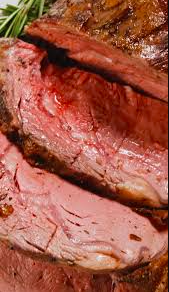
Reverse-Seared Ribeye Steak is a luxurious and flavorful beef dish known for its tender texture, rich marbling, and beautifully browned exterior.
Prepared using the reverse-sear technique, the steak is first cooked slowly at a low oven temperature before being finished in a very hot skillet. This method promotes more even cooking throughout the meat while creating a deliciously caramelized crust.
Finished with melted butter, fresh garlic, and aromatic rosemary, this ribeye steak offers an exceptional combination of savory flavors and restaurant-quality presentation.
It is an excellent choice for special dinners, family gatherings, weekend meals, and steakhouse-inspired occasions.
2. Origin
Ribeye steak originates from the rib section of beef, specifically the rib primal, located between the chuck and loin sections of the animal.
This cut is particularly appreciated for its natural marbling, which contributes to its tenderness, juiciness, and rich beef flavor.
Ribeye became especially popular in American steakhouse culture, where thick-cut steaks are traditionally prepared over grills or in cast-iron skillets.
The reverse-sear technique is a more modern approach to steak preparation. It gained popularity among professional chefs and home cooks because it allows greater control over the internal cooking temperature while producing an attractive browned exterior.
Today, ribeye steak is enjoyed internationally and remains one of the most popular premium beef cuts.
3. Cultural Significance
Ribeye steak represents the tradition of steakhouse dining and the appreciation of high-quality beef.
In American culinary culture, steak is often associated with celebrations, restaurant dining, family barbecues, and special occasions.
Its rich marbling and distinctive flavor make it a favorite among steak enthusiasts.
The preparation of ribeye also reflects different culinary traditions, including grilling, pan-searing, roasting, and butter-basting.
Modern cooking techniques, particularly reverse-searing, have further elevated its popularity by making restaurant-style results more accessible at home.
4. Ingredients and Quantities
Servings: 4 people
A. Main Ingredients
- Ribeye steaks: 2 thick-cut boneless ribeye steaks (approximately 12–16 oz each), preferably 1½–2 inches thick.
- Kosher salt: 1 tablespoon, adjusted to the size of the steaks.
- Black pepper: 1 teaspoon freshly ground.
- Avocado oil: 1 tablespoon, or another high-smoke-point cooking oil.
B. Garlic Butter Basting
- Unsalted butter: 2 tablespoons.
- Fresh garlic: 2 cloves, lightly crushed.
- Fresh rosemary: 2 sprigs.
- Fresh thyme: 2 sprigs (optional).
C. Garnishing
- Fresh rosemary sprigs.
- Flaky sea salt.
- Freshly ground black pepper.
- Optional fresh parsley, finely chopped.
5. Optional Additions
Customize your ribeye steak with these delicious additions:
- Worcestershire sauce: 1 teaspoon for additional savory depth.
- Smoked paprika: ½ teaspoon for a subtle smoky flavor.
- Garlic powder: ½ teaspoon for additional garlic flavor.
- Onion powder: ½ teaspoon for extra seasoning.
- Chili flakes: A small pinch for gentle heat.
- Lemon juice: A few drops to brighten the buttery flavors.
- Blue cheese: 2 tablespoons crumbled for a rich steak topping.
- Caramelized onions: ¼ cup for sweetness and depth.
- Mushrooms: 1 cup sautéed mushrooms as a classic steak accompaniment.
- Compound butter: Garlic-herb butter for an elegant finishing touch.
6. Tips for Success
- Choose well-marbled ribeye: Good marbling contributes to the steak’s tenderness and flavor.
- Use thick-cut steaks: Steaks approximately 1½–2 inches thick work particularly well with reverse-searing.
- Dry the surface: Pat the steaks thoroughly with paper towels before seasoning.
- Season generously: Apply salt and black pepper evenly on all sides.
- Allow time for seasoning: Refrigerate uncovered for 4–12 hours when possible to improve surface dryness and seasoning.
- Use a low oven temperature: Cooking at 225°F (107°C) helps produce more even internal cooking.
- Use a meat thermometer: An instant-read thermometer is essential for monitoring the internal temperature accurately.
- Preheat the skillet: A properly heated cast-iron skillet helps develop a flavorful browned crust.
- Avoid overcrowding: Sear one steak at a time if necessary to maintain high pan temperature.
- Baste with aromatics: Butter, garlic, and rosemary add richness and fragrance.
- Rest before slicing: Allow the meat to rest so its juices redistribute.
- Slice against the grain: This produces more tender and enjoyable pieces.
7. Step-by-Step Instructions
Step 1: Prepare and Season the Steaks
Remove the ribeye steaks from their packaging.
Pat both sides thoroughly with paper towels to remove excess surface moisture.
Season generously with kosher salt and freshly ground black pepper, making sure to cover the edges as well.
For additional flavor, place the steaks uncovered on a wire rack in the refrigerator for 4–12 hours.
Step 2: Preheat the Oven
Preheat your oven to 225°F (107°C).
Place a wire rack over a rimmed baking sheet.
Arrange the seasoned ribeye steaks on the rack, leaving sufficient space between them to allow even heat circulation.
Step 3: Slowly Roast the Steaks
Transfer the baking sheet to the preheated oven.
Cook the steaks slowly for approximately 40–60 minutes, depending on their thickness and starting temperature.
Use an instant-read thermometer to monitor the internal temperature.
For a food-safe preparation, cook whole beef steaks to at least 145°F (63°C), followed by a minimum three-minute resting period. If using the reverse-sear method, account for the additional temperature increase during searing and verify the final temperature with a thermometer.
Step 4: Prepare the Skillet
While the steaks finish cooking, place a cast-iron skillet over high heat.
Allow it to become very hot.
Add approximately one tablespoon of avocado oil or another high-smoke-point oil.
Spread the oil evenly across the cooking surface.
Step 5: Sear the Ribeye
Carefully transfer the steaks from the oven into the hot skillet.
Sear each side for approximately 45–60 seconds, or until a deep golden-brown crust develops.
Turn the steaks using kitchen tongs.
Briefly sear the edges to brown the outside evenly.
Step 6: Prepare the Garlic Butter
Reduce the heat slightly and add the unsalted butter to the skillet.
Add the crushed garlic cloves, rosemary sprigs, and thyme.
Allow the butter to melt and become fragrant.
Tilt the skillet slightly and use a large spoon to repeatedly pour the melted garlic-herb butter over the steaks.
Continue basting for approximately 30–60 seconds, monitoring the internal temperature to avoid burning the butter or overcooking the meat.
Step 7: Rest the Steaks
Transfer the cooked ribeye steaks to a clean cutting board.
Allow them to rest for at least 3 minutes after reaching the recommended safe internal temperature.
This resting period helps maintain moisture and improves the final texture.
Step 8: Slice the Ribeye
Using a sharp carving knife, slice each steak against the grain into thick, even pieces.
Cutting against the muscle fibers helps produce more tender bites.
Step 9: Arrange and Garnish
Arrange the sliced ribeye pieces on a large serving platter.
Stack the slices slightly to showcase the browned exterior and cooked interior.
Spoon a little of the garlic butter over the meat.
Finish with fresh rosemary, a small sprinkle of flaky sea salt, and freshly ground black pepper.
Step 10: Serve
Serve immediately while the steak is warm and juicy.
Pair with roasted potatoes, grilled vegetables, creamy mashed potatoes, or a fresh garden salad.
8. Description
Reverse-Seared Garlic Butter Ribeye Steak is a premium beef dish characterized by its rich flavor, natural marbling, and beautifully caramelized exterior.
The slow-roasting process allows the steak to cook gradually, while the final high-temperature sear creates an appetizing browned crust.
A combination of melted butter, fresh garlic, rosemary, and thyme adds aromatic depth and enhances the natural flavor of the beef.
When sliced and arranged on a serving platter, the ribeye reveals its attractive cooked interior, creating an impressive steakhouse-style presentation.
The combination of tender beef, savory seasoning, and fragrant garlic butter makes this dish a delicious centerpiece for any special meal.
9. Nutritional Information
Approximate nutritional values per serving (based on 4 portions):
| Nutrient | Amount |
|---|---|
| Calories | 650 kcal |
| Protein | 48 g |
| Carbohydrates | 1 g |
| Total Fat | 50 g |
| Saturated Fat | 21 g |
| Cholesterol | 175 mg |
| Sodium | 650 mg |
| Dietary Fiber | 0 g |
Nutritional Highlights
- Ribeye beef: Provides high-quality protein, iron, zinc, and vitamin B12.
- Butter: Contributes richness and flavor.
- Garlic: Contains naturally occurring sulfur compounds.
- Rosemary and thyme: Provide aromatic plant compounds and enhance flavor without requiring additional salt.
Nutritional values are estimates and vary depending on steak size, marbling, trimming, and the amount of butter consumed.
10. Conclusion
Reverse-Seared Garlic Butter Ribeye Steak is a classic premium beef preparation that combines traditional steakhouse flavors with a modern cooking technique.
The slow-roasting process followed by high-temperature searing creates a delicious browned exterior while allowing greater control over the internal cooking temperature.
The addition of garlic, butter, and fresh herbs enhances the natural richness of the ribeye and creates an appealing aroma.
With its elegant presentation, satisfying flavor, and versatile serving options, this recipe is an excellent choice for special occasions and memorable homemade meals.
11. Recommendation
This recipe is highly recommended for steak enthusiasts who appreciate flavorful beef and restaurant-inspired cooking.
For the best results:
- Choose thick-cut, well-marbled ribeye steaks.
- Use a cast-iron skillet for effective searing.
- Monitor the internal temperature with a reliable thermometer.
- Use fresh rosemary and garlic for the butter-basting process.
- Allow the steaks to rest before slicing.
- Cut against the grain for improved tenderness.
- Serve with roasted potatoes, asparagus, mushrooms, or grilled vegetables.
Serving suggestion: Pair the ribeye with creamy mashed potatoes, roasted garlic vegetables, and a homemade peppercorn sauce.
12. Embracing Healthful Indulgence
Reverse-Seared Ribeye Steak demonstrates how high-quality ingredients and careful cooking techniques can create a satisfying and flavorful meal.
Beef provides essential nutrients, including protein, iron, zinc, and vitamin B12, which contribute to normal muscle function, oxygen transport, and general health.
The use of garlic and fresh herbs enhances the dish’s flavor naturally, while home preparation allows greater control over seasoning and added fats.
For a balanced meal, serve moderate portions of ribeye alongside colorful vegetables, leafy greens, or roasted potatoes.
Although ribeye contains relatively high amounts of saturated fat, it can be enjoyed as part of a varied and balanced eating pattern.
Ultimately, this recipe celebrates the pleasure of quality ingredients, thoughtful preparation, and the timeless appeal of a beautifully cooked steak.
A beautifully seared crust, aromatic garlic butter, and rich ribeye flavor make this dish a true steakhouse classic. 🥩