
1. Introduction
Japanese Katsu Curry is a comforting and flavorful dish featuring crispy panko-breaded cutlets, fluffy Japanese white rice, and a rich, smooth curry sauce.
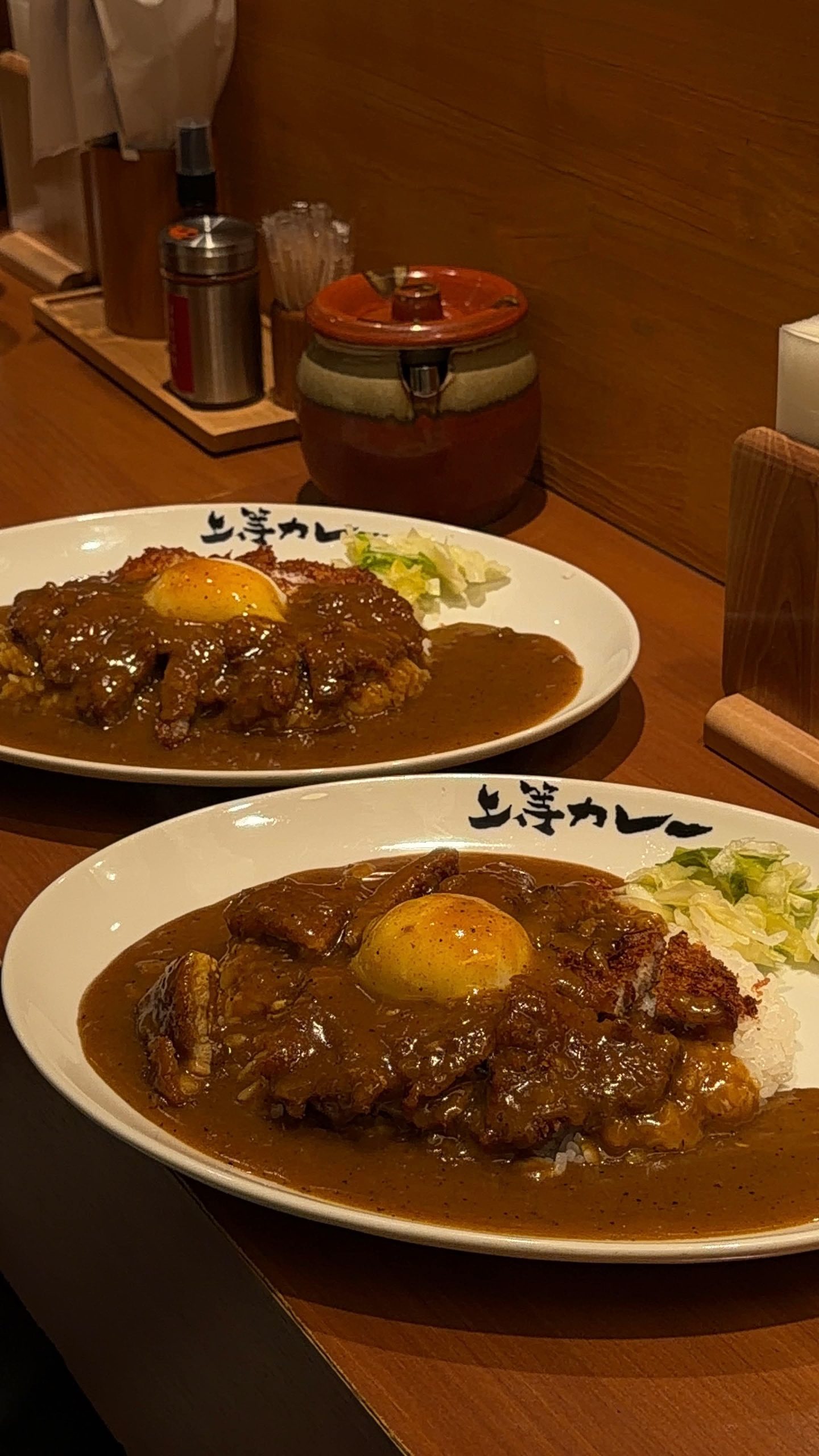
Inspired by the sweet-and-spicy curry style associated with Osaka’s Joto Curry (上等カレー), this recipe combines the initial sweetness of caramelized onions, grated apple, and honey with a warming kick of cayenne pepper.
This halal-friendly adaptation replaces the traditional pork cutlet with crispy halal chicken katsu, while preserving the original curry preparation, rice presentation, and toppings.
A golden chicken cutlet is sliced into strips, placed over steamed rice, and generously covered with glossy brown curry sauce.
A pasteurized egg yolk adds richness, while lightly pickled cabbage provides a refreshing contrast.
2. Origin and Cultural Significance
Japanese curry, commonly known as kare, developed after curry was introduced to Japan during the nineteenth century.
Over time, Japanese cooks adapted the dish into a thicker, milder, and slightly sweeter sauce, typically served with rice.
Katsu curry combines Japanese curry rice with a breaded, fried cutlet.
Traditional tonkatsu uses pork, while chicken katsu is another popular variation.
Osaka-style curry is particularly associated with a balance of sweetness and spice.
Joto Curry is known for its distinctive sweet-first, spicy-after flavor profile.
This recipe is a homemade interpretation of that style rather than an official restaurant recipe.
3. Ingredients
Servings: 2 generous portions
A. Osaka-Style Curry Sauce
| Ingredient | Quantity |
|---|---|
| Large yellow onion, finely diced | 1 |
| Fuji apple, peeled and grated | ½ |
| Garlic, minced | 1 clove |
| Fresh ginger, grated | 1-inch piece |
| Unsalted butter or neutral oil | 1 tablespoon |
| Halal beef or chicken broth | 3 cups |
| Halal-compatible Japanese curry roux | Approximately 100 g |
| Honey | 1 tablespoon |
| Halal-compatible tonkatsu or Worcestershire sauce | 1 tablespoon |
| Soy sauce | 1 teaspoon |
| Cayenne pepper or chili powder | ½ teaspoon |
Check the curry roux and prepared sauces for animal-derived ingredients and alcohol before using.
B. Crispy Chicken Katsu
| Ingredient | Quantity |
|---|---|
| Boneless, skinless halal chicken breasts | 2 small |
| Salt | To taste |
| Black pepper | To taste |
| All-purpose flour | ¼ cup |
| Large egg, beaten | 1 |
| Panko breadcrumbs | 1 cup |
| Neutral frying oil | As needed |
C. Rice and Toppings
| Ingredient | Quantity |
|---|---|
| Cooked Japanese short-grain white rice | 2 cups |
| Pasteurized egg yolks | 2 |
| Pickled cabbage | ½ cup |
D. Quick Pickled Cabbage
- ½ cup finely shredded green cabbage
- 1–2 tablespoons rice vinegar
- A pinch of salt
- A pinch of sugar
4. Optional Additions
Extra Chili: Increase the cayenne pepper for a stronger spicy finish.
Additional Apple: Add a little more grated apple for extra sweetness.
Caramelized Onions: Cook the onions longer for a deeper, sweeter flavor.
Sesame Seeds: Sprinkle toasted sesame seeds over the finished dish.
Green Onions: Add thinly sliced scallions for freshness.
Soft-Boiled Egg: Replace the raw egg yolk with a soft-boiled egg if preferred.
Vegetable Katsu: Use a breaded vegetable cutlet as an alternative to chicken.
5. Tips for Success
- Caramelize the onions slowly: This creates the sweet foundation of the curry.
- Use a sweet apple: Fuji apples work particularly well.
- Choose the correct curry roux: Japanese curry blocks create the characteristic thick sauce.
- Blend for smoothness: An immersion blender helps achieve a restaurant-style consistency.
- Add the roux off the heat: This makes it easier to dissolve evenly.
- Pound the chicken evenly: Uniform thickness promotes even cooking.
- Press the panko firmly: This helps create a thick, crunchy coating.
- Monitor the oil: Maintain approximately 340–350°F (170–175°C).
- Check chicken doneness: The internal temperature must reach 165°F (74°C).
- Serve immediately: Freshly fried chicken has the best texture.
6. Instructions
Prepare the Curry Sauce
Melt the butter in a medium saucepan over medium heat.
Add the finely diced onion and cook for approximately 10–15 minutes, stirring frequently, until golden brown and caramelized.
Add the minced garlic and grated ginger. Cook for another minute until fragrant.
Pour in the halal broth and add the grated Fuji apple.
Bring the mixture to a boil, then reduce the heat and simmer uncovered for approximately 15 minutes.
For a smooth, restaurant-style curry, carefully blend the mixture using an immersion blender.
Turn off the heat and add the Japanese curry roux blocks.
Stir until completely dissolved.
Return the saucepan to low heat.
Add the honey, halal-compatible tonkatsu or Worcestershire sauce, soy sauce, and cayenne pepper.
Simmer for approximately 5 minutes, stirring occasionally, until the curry becomes thick, glossy, and smooth.
Prepare the Chicken Katsu
Place the chicken breasts between two sheets of parchment paper or plastic wrap.
Gently pound them to an even thickness of approximately ½ inch.
Season both sides with salt and black pepper.
Prepare three shallow dishes: one containing flour, one containing beaten egg, and one containing panko breadcrumbs.
Coat each chicken breast lightly in flour, shaking off the excess.
Dip it into the beaten egg, then press firmly into the panko breadcrumbs until completely coated.
Fry the Chicken
Heat approximately ½ inch of neutral oil in a deep skillet to 340–350°F (170–175°C).
Carefully add the breaded chicken.
Fry for approximately 3–5 minutes per side, depending on thickness, until golden brown and cooked through.
Check that the thickest part reaches 165°F (74°C).
Transfer the chicken to a wire rack and allow it to rest for approximately 2 minutes.
Slice each cutlet into even strips.
Prepare the Pickled Cabbage
Place the shredded cabbage in a small bowl.
Add rice vinegar, salt, and sugar.
Toss well and allow it to sit for approximately 10–15 minutes.
Assemble the Curry
Divide the warm Japanese white rice between two large plates.
Arrange one sliced chicken katsu cutlet over each portion.
Ladle the hot curry sauce generously over the rice and part of the chicken.
If using pasteurized egg yolks, carefully place one on top of each serving.
Add a small portion of pickled cabbage to the side.
Serve immediately.
7. Description
Japanese Chicken Katsu Curry has a rich, glossy brown sauce with a smooth, velvety consistency.
The crispy chicken cutlet features a golden panko crust surrounding tender, juicy meat.
The curry begins with a gentle sweetness from caramelized onions, apple, and honey, followed by savory spices and a mild chili kick.
Fluffy white rice absorbs the sauce, while the pickled cabbage adds a bright, tangy contrast.
The optional egg yolk creates an even richer texture when mixed into the warm curry.
8. Nutritional Information
Approximate values per generous serving:
| Nutrient | Estimated Amount |
|---|---|
| Calories | 850–1,150 kcal |
| Protein | 45–60 g |
| Carbohydrates | 95–125 g |
| Total Fat | 30–50 g |
| Saturated Fat | 8–15 g |
| Fiber | 4–7 g |
| Sugar | 12–20 g |
| Sodium | Variable, potentially high |
Values depend on the curry roux brand, chicken size, frying oil absorption, and whether the egg yolk is included.
9. Recipe Details
| Category | Details |
|---|---|
| Recipe Name | Japanese Chicken Katsu Curry |
| Cuisine | Japanese, Osaka-Inspired |
| Course | Main Course |
| Preparation Time | 20 Minutes |
| Cooking Time | 40–50 Minutes |
| Total Time | Approximately 60–70 Minutes |
| Servings | 2 |
| Difficulty | Moderate |
| Main Protein | Halal Chicken |
| Curry Base | Japanese Curry Roux |
| Rice | Japanese Short-Grain White Rice |
| Coating | Panko Breadcrumbs |
| Sauce Flavor | Sweet, Savory, Spicy |
| Cooking Method | Simmering and Shallow Frying |
| Best Served | Hot |
10. Conclusion
Japanese Chicken Katsu Curry combines crispy fried chicken with a rich, sweet-and-spicy curry sauce.
The caramelized onions, grated apple, and honey create a gentle sweetness, while cayenne pepper adds a warming finish.
Panko breadcrumbs provide the signature crunch, and Japanese short-grain rice makes the dish filling and satisfying.
Finished with pickled cabbage and an optional pasteurized egg yolk, this Osaka-inspired curry is a flavorful homemade meal.
11. Serving and Storage Recommendations
Serve immediately while the chicken coating remains crisp.
For the best presentation, spoon some curry over the rice while leaving part of the chicken uncovered.
Store leftover curry sauce, chicken, and rice separately in airtight containers in the refrigerator for up to 3–4 days.
Refrigerate cooked rice promptly and avoid leaving it at room temperature for extended periods.
Reheat the curry gently on the stovetop, adding a little water if it becomes too thick.
Reheat the chicken in an oven or air fryer until thoroughly heated to 165°F (74°C).
Prepare fresh egg yolks only when serving. Do not store leftover raw egg yolk toppings mixed into the dish.
12. Embracing Healthful Indulgence
Japanese Chicken Katsu Curry provides protein from chicken and eggs, along with carbohydrates from rice and the curry sauce.
Onions, garlic, ginger, and apple contribute flavor and small amounts of micronutrients.
The fried coating and curry roux add richness, while the pickled cabbage offers a refreshing vegetable accompaniment.
For a lighter version, the chicken can be baked or air-fried instead of shallow-fried.
Serving a moderate amount of curry sauce and adding extra vegetables can help balance the meal.
With its crispy golden chicken, fluffy rice, and smooth sweet-and-spicy curry, this halal-friendly Japanese Katsu Curry offers a satisfying interpretation of Osaka-style comfort food.