
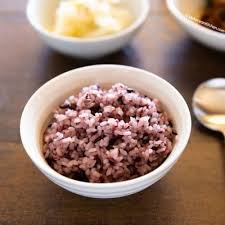
Beautiful Korean-style purple rice made by combining short-grain white rice with a small amount of black glutinous rice. Soft, slightly sticky, and naturally colorful, this simple side dish pairs perfectly with Korean-inspired meals.
Easy Korean Recipe
Naturally Purple
Vegan-Friendly
If you’ve ever eaten at a Korean restaurant, you may have noticed a beautiful bowl of soft purple rice served alongside your meal.
This colorful dish is known as Korean Purple Rice, or Heukmi Bap (흑미밥).
Despite its unusual appearance, it doesn’t require artificial coloring or complicated ingredients.
The beautiful purple shade develops naturally when a small amount of black rice is cooked together with short-grain white rice.
As the grains cook, pigments from the black rice spread through the cooking water and color the surrounding white rice.
The result is a soft, fluffy, slightly sticky rice with a delicate nutty flavor and an attractive purple appearance.
1. Introduction
Korean Purple Rice is one of the easiest ways to add color and variety to an everyday meal.
The recipe combines two simple ingredients:
- Short-grain white rice
- Black glutinous rice
A small amount of black rice is enough to transform an entire pot of white rice into a beautiful purple side dish.
The finished rice has a slightly chewy texture, making it particularly satisfying alongside savory meals.
Depending on the amount of black rice used, you can create different shades:
- Light lavender
- Soft purple
- Rich violet
- Deep purple
This recipe can be prepared in either a rice cooker or a regular saucepan.
It’s suitable for beginners and requires very little active cooking time.
2. Origin and Cultural Significance
Rice is a fundamental part of Korean cuisine.
It is traditionally served alongside soups, vegetables, grilled meats, and a variety of small side dishes known as banchan.
The word bap (밥) means cooked rice or a meal, depending on the context.
Heukmi (흑미) refers to black rice.
Together, Heukmi Bap describes rice prepared with black rice.
Although black rice itself is dark, combining a small amount with white rice produces the familiar purple appearance.
Korean households often combine white rice with additional grains, including black rice, barley, millet, and beans.
Multigrain rice is commonly known as japgokbap.
According to My Korean Kitchen, Korean purple rice is typically made by mixing a small quantity of black rice with regular short-grain rice. My Korean Kitchen
3. Ingredients
Makes approximately 5–6 servings
Main Ingredients
| Ingredient | Quantity |
|---|---|
| Short-grain white rice | 2 cups |
| Black glutinous rice | 1–2 tablespoons |
| Water for rice cooker | Approximately 2 cups, or according to cooker markings |
| Water for stovetop | Approximately 2¼–2½ cups |
Measurements above use standard US measuring cups. Rice cookers often include smaller measuring cups, so follow your cooker’s water-level instructions when using those.
Choosing the Best Rice
Short-Grain White Rice
Korean short-grain rice is ideal because it develops a soft, cohesive texture after cooking.
Japanese sushi rice and Calrose rice are good alternatives.
Black Glutinous Rice
Black glutinous rice, also called black sweet rice, is especially suitable for this recipe.
It gives the cooked rice a slightly sticky texture and produces a rich purple color.
Regular black rice can also work, but the color and texture may differ.
These are not always interchangeable varieties, so check the packaging when buying rice.
4. Optional Additions
Korean Purple Rice can be customized with other grains and ingredients.
Extra Purple Rice
Increase the black rice to 3 tablespoons.
The rice will develop a darker color and slightly more noticeable chewiness.
Brown Rice Variation
Replace part of the white rice with short-grain brown rice.
This adds a nuttier flavor and more fiber.
Brown rice requires additional cooking time and often more water.
Korean Multigrain Rice
Add small amounts of:
- Barley
- Millet
- Sweet rice
- Beans
These ingredients create a variation closer to Korean multigrain rice.
Sweet Rice Variation
Add 2 tablespoons white glutinous rice.
This creates a slightly stickier consistency.
Bean and Purple Rice
Add a small quantity of properly prepared cooked beans.
Beans provide extra texture and protein.
Sesame Rice
Sprinkle a few toasted sesame seeds over the finished rice for a mild nutty flavor.
5. Tips for Success
Use short-grain rice.
Short-grain rice creates the familiar slightly sticky Korean rice texture.
Don’t add too much black rice initially.
Start with 1 tablespoon for a lighter purple color.
Rinse the grains thoroughly.
Rinsing removes excess surface starch and helps prevent an overly gummy texture.
Soak before cooking.
A 30-minute soak helps the black rice soften and cook more evenly.
Measure the water carefully.
Too much water can make the rice mushy.
Too little can leave the center firm or dry.
Avoid lifting the lid while cooking.
Keeping the lid closed helps maintain steady steam.
Allow the rice to rest.
A resting period after cooking helps moisture distribute throughout the grains.
Fluff gently.
Use a rice paddle or fork to separate the grains without crushing them.
6. Step-by-Step Instructions
Method 1: Rice Cooker
Step 1: Combine the Rice
Place 2 cups short-grain white rice and 1–2 tablespoons black glutinous rice in a large bowl.
Mix gently.
Step 2: Rinse the Rice
Cover the rice with cold water.
Swirl gently using your hand.
Drain the cloudy water.
Repeat approximately 3–4 times until the water becomes mostly clear.
Step 3: Drain
Transfer the rinsed rice to a fine-mesh strainer.
Allow excess water to drain.
Step 4: Add Water
Place the rice in the rice cooker.
Add approximately 2 cups fresh water if using standard measuring cups, adjusting according to your rice cooker’s instructions.
If your cooker has water-level lines, use the appropriate markings for the amount of rice measured with its supplied cup.
Step 5: Soak the Rice
Allow the rice to soak for approximately 30 minutes.
This helps the firmer black grains hydrate.
Step 6: Cook
Close the rice cooker lid.
Select the regular white rice setting or an appropriate mixed-grain setting.
Start the cooking cycle.
Cooking times vary depending on the rice cooker model.
Step 7: Let the Rice Rest
Once the cooking cycle finishes, leave the rice undisturbed for approximately 5–10 minutes.
This allows the remaining steam to distribute evenly.
Step 8: Fluff and Serve
Open the lid.
Using a rice paddle, gently fluff the rice.
The white grains should now have a beautiful purple color.
Serve warm.
Method 2: Stovetop
Step 1: Rinse and Soak
Combine the white rice and black glutinous rice.
Rinse thoroughly.
Soak in cold water for approximately 30 minutes.
Drain well.
Step 2: Add Water
Place the drained rice in a heavy-bottomed saucepan.
Add approximately 2¼–2½ cups fresh water.
Step 3: Bring to a Boil
Place the saucepan over medium-high heat.
Bring the water to a boil.
Give the rice one gentle stir.
Step 4: Reduce the Heat
Cover the saucepan with a tight-fitting lid.
Reduce the heat to low.
Step 5: Simmer
Cook for approximately 18–20 minutes.
Avoid opening the lid during cooking.
Step 6: Rest
Turn off the heat.
Leave the saucepan covered for another 10 minutes.
Step 7: Fluff
Remove the lid.
Gently fluff the rice with a fork or rice paddle.
Serve immediately.
7. Description
Korean Purple Rice has a beautiful natural violet color.
The appearance can range from pale lavender to deep purple, depending on the amount and variety of black rice used.
The grains remain distinct but gently cling together, creating a soft, slightly sticky texture.
Flavor Profile
- Mild: Similar to traditional steamed white rice.
- Slightly nutty: From the black rice.
- Subtly sweet: From the natural flavor of the grains.
- Comforting: A soft, warm rice texture.
Texture
The white rice becomes fluffy and tender.
The black glutinous rice adds a slight chewiness.
Together, they create a satisfying consistency suitable for eating with chopsticks or a spoon.
8. Nutritional Information
The following values are approximate and based on dividing the cooked recipe into six servings.
| Nutrient | Approximate Amount |
|---|---|
| Calories | 220–260 kcal |
| Protein | 4–5 g |
| Carbohydrates | 48–56 g |
| Total fat | Less than 1 g |
| Dietary fiber | 1–2 g |
| Sodium | Less than 10 mg |
Actual nutrition depends on the rice variety, portion size, and amount of black rice added.
Black rice contains naturally occurring anthocyanins, the pigments responsible for its dark purple color.
However, because this recipe uses only a small amount of black rice, its overall nutritional profile remains similar to white rice.
9. Recipe Details
| Detail | Information |
|---|---|
| Recipe Name | Korean Purple Rice |
| Korean Name | Heukmi Bap (흑미밥) |
| Cuisine | Korean |
| Course | Side Dish |
| Preparation Time | 5 minutes |
| Soaking Time | 30 minutes |
| Cooking Time | 20–40 minutes |
| Resting Time | 10 minutes |
| Total Time | Approximately 65–85 minutes |
| Servings | 5–6 |
| Difficulty | Easy |
| Cooking Method | Rice Cooker or Stovetop |
| Main Ingredients | White Rice and Black Glutinous Rice |
| Dietary Style | Vegan and Naturally Gluten-Free |
For a gluten-free meal, avoid adding barley and check packaged ingredients for cross-contact.
10. Conclusion
Korean Purple Rice is a simple and beautiful way to prepare everyday steamed rice.
By combining a small amount of black glutinous rice with regular short-grain white rice, you can create a naturally colorful side dish without artificial ingredients.
The finished rice is soft, slightly sticky, and pleasantly chewy.
It pairs beautifully with a wide variety of Korean-inspired dishes and can be prepared easily in a rice cooker or saucepan.
Whether you prefer a pale lavender color or a deeper purple shade, the recipe is easy to customize.
11. Serving and Storage Recommendations
Best Dishes to Serve with Korean Purple Rice
1. Korean BBQ Chicken
Serve with grilled chicken marinated in soy sauce, garlic, and ginger.
2. Beef Bulgogi
The mild rice complements the sweet and savory flavors of Korean-style beef.
3. Kimchi
Spicy fermented vegetables provide a flavorful contrast.
4. Stir-Fried Vegetables
Serve with sautéed mushrooms, carrots, spinach, or zucchini.
5. Korean Beef Bowls
Use the purple rice as a base for seasoned beef, vegetables, and a fried egg.
Storage Instructions
Cooked rice requires careful handling because bacteria such as Bacillus cereus can grow when rice is left at room temperature.
Refrigerator: Cool leftover rice quickly, ideally within one hour, and refrigerate in shallow, covered containers.
For a conservative approach, use refrigerated rice within 24 hours.
Freezer: Divide the cooked rice into individual portions and freeze promptly.
For best quality, use within 1–2 months.
Reheating Instructions
Reheat the rice until steaming hot throughout.
If using a microwave:
- Place the rice in a microwave-safe bowl.
- Add a teaspoon of water.
- Cover loosely.
- Heat thoroughly.
- Stir to distribute the heat.
Avoid reheating rice more than once.
The UK Food Standards Agency recommends cooling rice promptly, storing it refrigerated, and consuming it within 24 hours. Food Standards Agency
12. Embracing Healthful Indulgence
Korean Purple Rice is a versatile side dish that can fit into many different meal plans.
The white rice provides carbohydrates, while black rice contributes small amounts of fiber and naturally occurring plant pigments.
To create a more balanced meal, serve purple rice with:
- Lean protein
- Fresh vegetables
- Legumes
- Healthy fats
You can also increase the proportion of black rice or incorporate other whole grains for additional fiber, adjusting cooking time and water as necessary.
For those watching portion sizes, a moderate serving of rice alongside vegetables and protein is a practical option.
With its beautiful purple color, soft texture, and mild nutty flavor, Korean Purple Rice is a delicious and visually appealing addition to everyday meals.
#KoreanPurpleRice #HeukmiBap #KoreanFoodRecipes #RiceCookerRecipes #EasySideDishes