
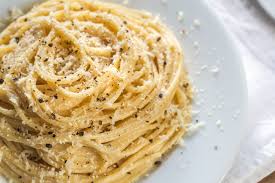
A classic Italian pasta dish made with spaghetti, freshly cracked black pepper, finely grated cheese, and starchy pasta water. Rich, creamy, and beautifully simple.
Vegetarian-Friendly Option
Serves 2
20 Minutes
1. Introduction
Sometimes the simplest recipes deliver the most incredible flavors. Cacio e Pepe is a perfect example.
This traditional Roman pasta dish combines just a few ingredients to create a silky, creamy sauce that coats every strand of spaghetti.
The name translates to “cheese and pepper,” describing the two ingredients responsible for its distinctive flavor.
Unlike many creamy pasta recipes, authentic Cacio e Pepe doesn’t require heavy cream, milk, or butter. Instead, its luxurious texture comes from combining finely grated cheese with the starch released into the pasta water.
The result is a comforting dish featuring the sharp, salty flavor of aged cheese and the warm, aromatic heat of freshly cracked black pepper.
Whether you’re preparing a quick weeknight dinner or an elegant Italian-inspired meal, this recipe proves that delicious food doesn’t need a long ingredient list.
2. Origin and Cultural Significance
Cacio e Pepe originates from Rome, Italy, where it remains one of the city’s most recognizable pasta dishes.
Its name comes from Roman dialect: cacio means cheese, while pepe means pepper.
The dish reflects the simplicity of Roman cooking, where high-quality ingredients and careful preparation are more important than complicated techniques.
Traditional preparations generally feature three main ingredients:
- Pasta
- Pecorino Romano cheese
- Freshly ground black pepper
Water from cooking the pasta brings everything together into a cohesive sauce.
Today, Cacio e Pepe appears on restaurant menus worldwide, but its identity remains closely connected to Roman culinary traditions.
The classic version relies on Pecorino Romano, whose distinctive salty, tangy flavor makes it central to the dish. Bon Appétit
3. Ingredients
For 2 servings
Main Ingredients
- 200 g (7 oz) spaghetti or tonnarelli pasta
- 100 g (approximately 1 cup) finely grated Pecorino Romano or a suitable vegetarian-rennet alternative
- 2 teaspoons whole black peppercorns, freshly crushed
- ½ teaspoon salt, for the cooking water, or to taste
- 1–1½ cups reserved starchy pasta water, added gradually as needed
Ingredient Notes
Pasta: Spaghetti is widely available and works beautifully. Tonnarelli, a traditional square-cut pasta, is another excellent choice.
Cheese: Traditional Pecorino Romano has a strong, salty flavor and melts into a rich sauce when combined correctly with pasta water.
Important halal note: Authentic Pecorino Romano PDO is made using lamb rennet, so its halal suitability should not be assumed. Choose a verified halal cheese or a suitable hard Italian-style cheese made with vegetarian or microbial rennet if needed. pecorinoromano.com
Black pepper: Freshly cracked pepper is essential for the best aroma and flavor. Pre-ground pepper is usually less fragrant.
Salt: Use less salt than you would for ordinary pasta because the cheese already contributes considerable saltiness.
4. Optional Additions
Traditional Cacio e Pepe is intentionally minimal, but several variations can create different flavors.
- Parmesan-style cheese: Replace part of the Pecorino with a vegetarian-rennet or halal-certified Parmesan-style cheese for a milder flavor.
- Butter: Add 1 teaspoon of unsalted butter for extra richness, although this is not part of the traditional three-ingredient version.
- Lemon zest: Add a small pinch of freshly grated lemon zest for a brighter finish.
- Fresh parsley: Sprinkle a little chopped parsley over the finished pasta for color.
- Chili flakes: Add a pinch for additional heat.
- Roasted mushrooms: Stir in sautéed mushrooms to create a heartier meal.
- Grilled chicken: Add sliced halal grilled chicken for extra protein.
For the most authentic Roman-style experience, keep the recipe focused on pasta, cheese, and pepper.
5. Tips for Success
Use Freshly Grated Cheese
Finely grated cheese combines more easily with pasta water than large shreds.
Avoid packaged shredded cheese, which may contain additives that interfere with smooth melting.
Save Plenty of Pasta Water
The starch in the water helps the cheese and liquid come together into a creamy sauce.
Reserve at least one cup before draining the pasta.
Don’t Add Cheese to a Very Hot Pan
This is one of the most important techniques.
Excessive heat can cause the cheese proteins to tighten, producing a grainy or clumpy sauce.
Remove the skillet from the heat and let it cool slightly before incorporating the cheese.
Toast the Pepper Gently
A brief period in a dry skillet releases the pepper’s aroma.
Avoid burning it, which can create an unpleasant bitter taste.
Add Water Gradually
Start with a small amount and increase it as needed.
The goal is a glossy sauce that lightly coats the pasta, not a watery mixture.
Serve Immediately
Cacio e Pepe tastes best right after preparation.
As the pasta cools, the cheese sauce thickens and loses some of its creamy consistency.
6. Step-by-Step Instructions
Step 1: Prepare the Pasta Water
Fill a medium saucepan with enough water to cook the spaghetti comfortably.
Using somewhat less water than usual can help concentrate the starch, but the pasta still needs enough room to cook without sticking.
Bring the water to a boil.
Add approximately ½ teaspoon salt.
Step 2: Cook the Spaghetti
Add 200 g of spaghetti to the boiling water.
Stir during the first minute to prevent sticking.
Cook until approximately 1–2 minutes before the pasta reaches the package’s recommended al dente cooking time.
The spaghetti will finish cooking in the skillet.
Before transferring the pasta, reserve at least 1½ cups of cooking water.
Step 3: Toast the Black Pepper
While the spaghetti cooks, place a large skillet over medium heat.
Add 2 teaspoons of freshly crushed black peppercorns.
Toast for approximately 30–60 seconds, stirring constantly, until fragrant.
The pepper should release its aroma without becoming dark or burnt.
Step 4: Create the Pepper-Infused Base
Carefully add approximately ½ cup of the
Authentic Cacio e Pepe Recipe – Creamy Roman Cheese and Black Pepper Pasta
Discover how to make authentic Italian Cacio e Pepe with just four simple ingredients. This classic Roman pasta features perfectly cooked spaghetti coated in a silky Pecorino cheese sauce and freshly cracked black pepper.
Easy Ingredients
Serves 2
25 Minutes
1. Introduction
Sometimes the simplest recipes are the most delicious, and Cacio e Pepe is a perfect example.
This traditional Roman pasta dish transforms spaghetti, Pecorino Romano cheese, freshly ground black pepper, and starchy pasta water into an incredibly creamy and flavorful meal.
What makes Cacio e Pepe special is its simplicity. There is no heavy cream, complicated sauce, or long list of ingredients. Instead, a smooth, glossy sauce develops when finely grated cheese combines with the starch released from cooking pasta.
The result is a comforting bowl of tender spaghetti coated in a rich, cheesy sauce, with the warm, aromatic bite of freshly toasted black pepper.
Although it requires only a few ingredients, achieving the perfect consistency takes a little technique. Once you understand how to control the temperature and combine the cheese with the pasta water, this classic Italian favorite becomes surprisingly easy to prepare at home.
2. Origin and Cultural Significance
Cacio e Pepe originates from Rome, Italy, and is considered one of the city’s most recognizable traditional pasta dishes.
Its name translates to “cheese and pepper”, describing the two ingredients responsible for its distinctive flavor.
The dish is associated with the simple cooking traditions of the Lazio region, where inexpensive, readily available ingredients became the foundation of celebrated recipes.
Today, Cacio e Pepe appears on menus throughout Rome and around the world.
Its traditional preparation relies on three main ingredients:
- Pasta, commonly tonnarelli or spaghetti
- Pecorino Romano cheese
- Freshly cracked black pepper
Starchy pasta water brings these ingredients together into a smooth sauce.
Modern variations sometimes include butter or other cheeses, but the classic Roman version remains remarkably simple. Bon Appétit
3. Ingredients
Servings: 2
For the Cacio e Pepe
- 200 g (7 oz) spaghetti or tonnarelli pasta
- 100 g (approximately 1 cup) finely grated Pecorino Romano cheese
- 2 teaspoons whole black peppercorns, freshly crushed
- ½ teaspoon salt, or as needed for the pasta water
- 1–1½ cups reserved starchy pasta water, used gradually
Ingredient Notes
Pasta: Traditional tonnarelli provides a slightly thicker, more textured noodle, but regular spaghetti works beautifully.
Cheese: Pecorino Romano delivers the distinctive sharp, salty flavor associated with authentic Cacio e Pepe.
For a halal-friendly version, use a suitable halal-certified hard cheese with a similar flavor, or a vegetarian-rennet Pecorino-style alternative. Traditional protected-designation Pecorino Romano is produced with lamb rennet, so check the cheese’s certification rather than assuming it is halal. pecorinoromano.com
Black pepper: Freshly cracked pepper is essential. Pre-ground pepper generally has a less pronounced aroma.
Pasta water: The starch released during cooking helps create the creamy sauce without adding cream.
4. Optional Additions
Although traditional Cacio e Pepe uses very few ingredients, you can customize the recipe to suit your preferences.
- Butter: Add 1 tablespoon for extra richness, although this moves away from the traditional preparation.
- Vegetarian-rennet Parmesan-style cheese: Replace some of the Pecorino-style cheese for a milder flavor.
- Lemon zest: Add a little freshly grated lemon zest for brightness.
- Fresh parsley: Sprinkle chopped parsley over the finished pasta for color.
- Red pepper flakes: Add a small pinch for extra heat.
- Roasted mushrooms: Serve alongside the pasta for an earthy addition.
- Grilled chicken: Add slices of seasoned chicken breast to create a more substantial meal.
For the most traditional flavor, keep the recipe simple and let the cheese and black pepper remain the stars.
5. Tips for Success
1. Grate the Cheese Finely
Finely grated cheese incorporates more easily into the pasta water.
Grate the cheese immediately before preparing the dish for the best texture.
Avoid pre-shredded cheese because it may contain anti-caking ingredients that interfere with creating a smooth sauce.
2. Use Concentrated Pasta Water
Cook the spaghetti in a smaller amount of water than usual while ensuring the pasta remains submerged and can move freely.
This helps concentrate the starch released during cooking.
The starchy water is essential for building the sauce.
3. Never Add Cheese to a Very Hot Pan
Excessive heat can cause the cheese proteins to tighten, resulting in a grainy or clumpy sauce.
Remove the skillet from the heat and allow it to cool slightly before incorporating the cheese.
4. Make a Cheese Paste First
Mixing grated cheese with a small amount of warm pasta water before adding it to the spaghetti helps distribute the cheese evenly.
The water should be warm rather than boiling.
5. Toast the Pepper Briefly
Heating freshly cracked pepper in a dry skillet enhances its aroma.
Stir frequently
Authentic Cacio e Pepe – Creamy Roman Cheese and Black Pepper Pasta
Discover how to make authentic Italian Cacio e Pepe with perfectly cooked spaghetti, freshly cracked black pepper, and a silky, creamy cheese sauce—all without adding cream.
Easy Recipe
20 Minutes
Serves 2
1. Introduction
Sometimes, the simplest recipes are the most delicious. Cacio e Pepe is a perfect example of how just a few carefully chosen ingredients can create an incredibly satisfying meal.
This traditional Roman pasta dish combines spaghetti, Pecorino Romano cheese, freshly cracked black pepper, and starchy pasta water to create a rich, silky sauce that coats every strand.
The secret isn’t heavy cream or butter. It’s the technique of combining cheese with starchy cooking water at the right temperature.
When prepared correctly, Cacio e Pepe has a smooth, glossy texture, a bold peppery aroma, and a deliciously savory cheese flavor.
Whether you’re preparing a quick weeknight dinner or exploring classic Italian cooking, this recipe is a wonderful place to start.
2. Origin and Cultural Significance
Cacio e Pepe originates from Rome, Italy, and is one of the city’s most recognizable traditional pasta dishes.
Its name translates to cheese and pepper, describing the two ingredients responsible for its distinctive flavor.
The dish is closely associated with the cooking traditions of Lazio, the region surrounding Rome.
Traditional preparations rely on Pecorino Romano, a firm sheep’s milk cheese known for its salty, sharp flavor.
Although modern recipes sometimes add butter or Parmesan, the simplest Roman versions use pasta, Pecorino Romano, black pepper, and water. Bon Appétit
Today, Cacio e Pepe remains a beloved example of Italian cooking, where quality ingredients and careful technique take center stage.
3. Ingredients
For the Cacio e Pepe Pasta
Servings: 2
- 200 g (7 oz) spaghetti or tonnarelli
- 100 g (approximately 1 cup) finely grated Pecorino Romano or suitable hard Italian-style cheese
- 2 teaspoons whole black peppercorns, freshly crushed
- ½ teaspoon salt, or as needed for the pasta water
- ¾–1 cup reserved starchy pasta water, added gradually as needed
Ingredient Notes
Spaghetti: Traditional spaghetti works beautifully because its long strands hold the creamy sauce. Tonnarelli, a slightly thicker square-cut pasta, is another excellent choice.
Pecorino Romano: This sheep’s milk cheese creates the signature salty, tangy flavor. Grate it finely just before cooking so it incorporates into the sauce more easily.
Black pepper: Freshly crushed peppercorns provide a much more pronounced aroma than pre-ground pepper.
Pasta water: The starch released during cooking helps the cheese and water come together into a creamy sauce.
Halal-friendly note: Traditional Pecorino Romano PDO is produced using lamb rennet. If you require halal ingredients,
Authentic Cacio e Pepe Recipe – Creamy Roman Cheese and Black Pepper Pasta
Learn how to make classic Italian Cacio e Pepe with perfectly cooked spaghetti, freshly cracked black pepper, and a silky, creamy cheese sauce—using just a handful of simple ingredients.
Easy Recipe
20 Minutes
Serves 2
1. Introduction
Sometimes the simplest recipes create the most unforgettable meals, and Cacio e Pepe is a perfect example.
This beloved Roman pasta dish combines spaghetti, Pecorino Romano cheese, freshly cracked black pepper, and starchy pasta water to create an incredibly flavorful, creamy sauce.
Despite its simplicity, achieving the perfect texture requires a little technique.
The secret is creating a smooth emulsion between the grated cheese and pasta water without overheating the cheese.
When prepared correctly, the result is a glossy sauce that clings beautifully to every strand of spaghetti.
The sharp, salty flavor of the cheese combines with the warmth of toasted black pepper to create a satisfying meal that feels surprisingly luxurious.
Best of all, you can prepare this classic Italian dish in approximately 20 minutes.
2. Origin and Cultural Significance
Cacio e Pepe comes from Rome, Italy, and remains one of the city’s most celebrated pasta dishes.
Its name translates to “cheese and pepper,” reflecting the two ingredients that give the dish its distinctive flavor.
The recipe is closely associated with the traditional cooking of the Lazio region, where simple ingredients are transformed into flavorful meals through careful preparation.
Unlike many creamy pasta dishes, traditional Cacio e Pepe contains no heavy cream.
Its signature texture comes from the combination of cheese, starch-rich cooking water, and vigorous tossing.
Classic preparations use pasta, Pecorino Romano, and black pepper. Bon Appétit
Today, Cacio e Pepe is enjoyed in Italian restaurants and home kitchens around the world.
3. Ingredients
Serves 2
For the Pasta
- 200 g (7 oz) spaghetti or tonnarelli
- 100 g (approximately 1 cup) finely grated Pecorino Romano or a suitable halal-friendly hard cheese
- 2 teaspoons whole black peppercorns, freshly crushed
- ½ teaspoon salt, or as needed for the cooking water
- Approximately 1 cup reserved starchy pasta water, added gradually as needed
Ingredient Notes
Spaghetti: A traditional and accessible choice that holds the creamy sauce beautifully.
Tonnarelli: A square-cut pasta commonly associated with Roman Cacio e Pepe.
Pecorino Romano: This sheep’s milk cheese provides the dish’s characteristic sharp, salty flavor.
Halal-friendly cheese note: Traditional protected-designation Pecorino Romano is produced using lamb rennet, so its halal suitability should not be assumed. Choose a halal-certified hard cheese or a similar cheese made with microbial or vegetarian rennet if that matches your dietary requirements. pecorinoromano.com
Black pepper: Freshly cracked pepper is essential for the most aromatic flavor.
Pasta water: The starch released during cooking helps the cheese form a smooth coating around the pasta.
4. Optional Additions
Traditional Cacio e Pepe needs only a few ingredients, but you can customize the dish with these optional additions.
- Butter: Add 1 tablespoon unsalted butter for extra richness, although this changes the traditional preparation.
- Parmesan-style cheese: Replace part of the Pecorino with a halal-friendly Parmesan-style cheese for a milder flavor.
- Lemon zest: Add ½ teaspoon finely grated lemon zest for a refreshing citrus note.
- Fresh parsley: Sprinkle a little chopped parsley over the finished pasta.
- Red pepper flakes: Add a pinch for extra heat.
- Sautéed mushrooms: Serve with lightly browned mushrooms for an earthy variation.
- Grilled chicken: Add sliced grilled halal chicken for a more substantial meal.
For the most authentic Roman-style experience, start with the original cheese-and-pepper combination.
5. Tips for Success
1. Use Freshly Grated Cheese
Grate the cheese immediately before preparing the sauce.
Pre-shredded cheese may contain anti-caking ingredients that interfere with smooth melting.
2. Cook the Pasta in Less Water
Using a relatively small amount of water helps concentrate the starch released by the pasta.
However, make sure there is enough water to keep the spaghetti submerged and prevent sticking.
3. Toast the Pepper Gently
Toasting freshly cracked black pepper releases its aroma.
Use medium heat and avoid burning it, which can make the sauce taste bitter.
4. Control the Temperature
This is the most important step.
Adding cheese directly to a very hot skillet can cause it to clump instead of forming a creamy sauce.
Turn off the heat and allow the skillet to cool before incorporating the cheese.
5. Make a Cheese Paste
Mixing the cheese with warm pasta water before adding it to the spaghetti makes the sauce easier to combine.
6. Reserve More Pasta Water Than You Think You Need
Keep at least 1 cup of pasta water before draining.
You may not use all of it, but having extra allows you to adjust the sauce.
7. Serve Immediately
Cacio e Pepe tastes best fresh.
As the pasta cools, the cheese sauce thickens and may lose its glossy texture.
6. Step-by-Step Instructions
Step 1: Prepare the Ingredients
Before starting, finely grate the cheese and crush the whole black peppercorns.
Measure the remaining ingredients and place them within reach.
Because the sauce comes together quickly, preparing everything beforehand makes the cooking process easier.
Step 2: Cook the Spaghetti
Bring a pot of water to a boil.
Use enough water to cover the spaghetti comfortably, but avoid using an unnecessarily large amount.
Add approximately ½ teaspoon salt.
Place the spaghetti into the boiling water and stir gently to prevent sticking.
Cook until approximately 1–2 minutes before the package’s recommended al dente time.
The pasta will finish cooking in the skillet.
Before transferring the spaghetti, reserve at least 1 cup of its cooking water.
Step 3: Toast the Black Pepper
While the pasta cooks, place a large skillet over medium heat.
Add the freshly cracked black pepper.
Toast for approximately 30–60 seconds, stirring frequently, until fragrant.
Avoid letting the pepper smoke or burn.
Step 4: Create the Pepper Base
Carefully pour approximately ½ cup of hot pasta water into the skillet.
Stir to combine the toasted pepper with the starchy water.
Allow the mixture to simmer gently for about 1 minute.
This creates an aromatic pepper-infused base for the sauce.
Step 5: Prepare the Cheese Paste
Place the finely grated cheese in a medium mixing bowl.
Add 2–3 tablespoons of warm pasta water.
The water should be warm rather than boiling hot.
Stir continuously until the cheese forms a thick, relatively smooth paste.
Add another small spoonful of warm water if necessary.
The mixture should resemble a thick cream.
Step 6: Finish Cooking the Pasta
Using tongs, transfer the partially cooked spaghetti directly into the skillet containing the pepper-infused water.
Toss over low heat for approximately 1 minute.
The spaghetti should absorb some of the flavored water while finishing its cooking.
Add another small splash of pasta water if the skillet becomes too dry.
Step 7: Create the Creamy Cheese Sauce
Turn off the heat completely.
Move the skillet away from the hot burner and let it cool briefly.
Add the prepared cheese paste.
Toss the spaghetti continuously using tongs.
Add reserved pasta water approximately 1 tablespoon at a time as necessary.
Continue tossing until the cheese becomes a creamy, glossy sauce coating the pasta.
If the cheese starts forming clumps, the mixture may be too hot. Remove it from the heat and continue tossing with a little more warm water.
The finished sauce should be silky and creamy without becoming watery.
Step 8: Serve Immediately
Divide the spaghetti between two warmed serving plates.
Twirl the pasta into neat nests using tongs.
Spoon any remaining sauce over the top.
Finish with additional freshly cracked black pepper and a small amount of grated cheese.
Serve immediately while warm and creamy.
7. Description
Cacio e Pepe offers a delightful combination of simplicity, bold flavor, and luxurious texture.
The spaghetti is tender with a slight bite, while the sauce forms a delicate coating around every strand.
| Component | Flavor and Texture |
|---|---|
| Spaghetti | Tender and pleasantly firm |
| Pecorino-style cheese | Sharp, salty, and savory |
| Black pepper | Warm, aromatic, and gently spicy |
| Starchy pasta water | Helps create a silky, glossy sauce |
| Finished dish | Creamy, rich, and deeply satisfying |
The freshly toasted black pepper adds a subtle heat that balances the richness of the cheese.
Unlike cream-based sauces, the traditional preparation feels lighter while still delivering an indulgent texture.
Its beauty lies in allowing a few high-quality ingredients to shine.
8. Nutritional Information
The following values are approximate estimates for one serving, based on two servings and the listed pasta and cheese quantities.
| Nutrient | Estimated Amount |
|---|---|
| Calories | 540–600 kcal |
| Protein | 24–30 g |
| Carbohydrates | 72–78 g |
| Total Fat | 16–21 g |
| Saturated Fat | 9–12 g |
| Dietary Fiber | 3–4 g |
Actual nutritional values depend on the pasta and cheese selected.
Pecorino Romano is relatively high in sodium, so additional salt should be used sparingly.
9. Recipe Details
| Detail | Information |
|---|---|
| Recipe Name | Authentic Cacio e Pepe |
| Cuisine | Italian, Roman |
| Course | Main Course |
| Preparation Time | 5 minutes |
| Cooking Time | 15 minutes |
| Total Time | 20 minutes |
| Servings | 2 |
| Difficulty | Easy to Moderate |
| Cooking Method | Stovetop |
| Main Ingredients | Spaghetti, Cheese, Black Pepper |
| Best Served | Immediately |
10. Conclusion
Cacio e Pepe demonstrates that an extraordinary meal doesn’t require a long list of ingredients.
With spaghetti, freshly cracked black pepper, cheese, and a little starchy cooking water, you can prepare a comforting pasta dish filled with authentic Roman-inspired flavor.
The most important technique is controlling the heat when adding the cheese.
Once you master that step, creating a smooth, creamy sauce becomes much easier.
Whether you’re preparing a quick weeknight dinner or enjoying a homemade Italian-inspired meal, Cacio e Pepe is a timeless recipe worth learning.
11. Serving and Storage Recommendations
Serving Suggestions
Cacio e Pepe is best enjoyed immediately after preparation.
For a complete meal, serve it alongside:
- Fresh green salad: A lightly dressed salad provides a refreshing contrast.
- Roasted vegetables: Zucchini, asparagus, or broccoli complement the rich cheese sauce.
- Garlic bread: Warm, crusty bread makes a satisfying accompaniment.
- Grilled chicken: A simple herb-seasoned chicken breast adds protein.
- Roasted tomatoes: Their acidity balances the salty, creamy pasta.
Refrigeration
Although Cacio e Pepe tastes best freshly prepared, leftovers can be stored.
Transfer cooled pasta to an airtight container and refrigerate promptly.
Consume within 3–4 days.
Reheating
Reheat gently in a nonstick skillet over low heat.
Add a splash of water to loosen the sauce.
Toss continuously until heated through.
Avoid overheating because the cheese may separate or develop a grainy texture.
For food safety, heat leftovers thoroughly to 165°F (74°C).
Freezing
Freezing is not recommended for the best quality.
The cheese emulsion can separate during thawing, making the sauce less creamy.
Meal Preparation Tip
For a faster dinner, grate the cheese and crush the peppercorns ahead of time.
Keep the grated cheese refrigerated until needed.
Cook the pasta and prepare the sauce immediately before serving.
12. Embracing Healthful Indulgence
Cacio e Pepe proves that a satisfying meal can be built from just a few carefully chosen ingredients.
Pasta provides carbohydrates that supply energy, while cheese contributes protein and calcium.
Freshly cracked black pepper adds flavor without requiring complicated seasonings.
Although the dish is rich in cheese and can contain substantial amounts of sodium and saturated fat, it can still be enjoyed as part of a varied diet.
For a more balanced meal, pair a moderate serving of Cacio e Pepe with vegetables or a fresh salad.
You can also experiment with whole-wheat spaghetti for additional fiber, although its texture and flavor will differ from the traditional version.
The real pleasure of Cacio e Pepe is its simplicity: perfectly cooked pasta, fragrant pepper, and a smooth cheese sauce coming together in every bite.
Simple ingredients, authentic Italian inspiration, and an irresistibly creamy finish—Cacio e Pepe is comfort food at its finest!
#CacioEPepe #ItalianPasta #EasyPastaRecipes #HomemadeItalianFood #CreamyPasta