
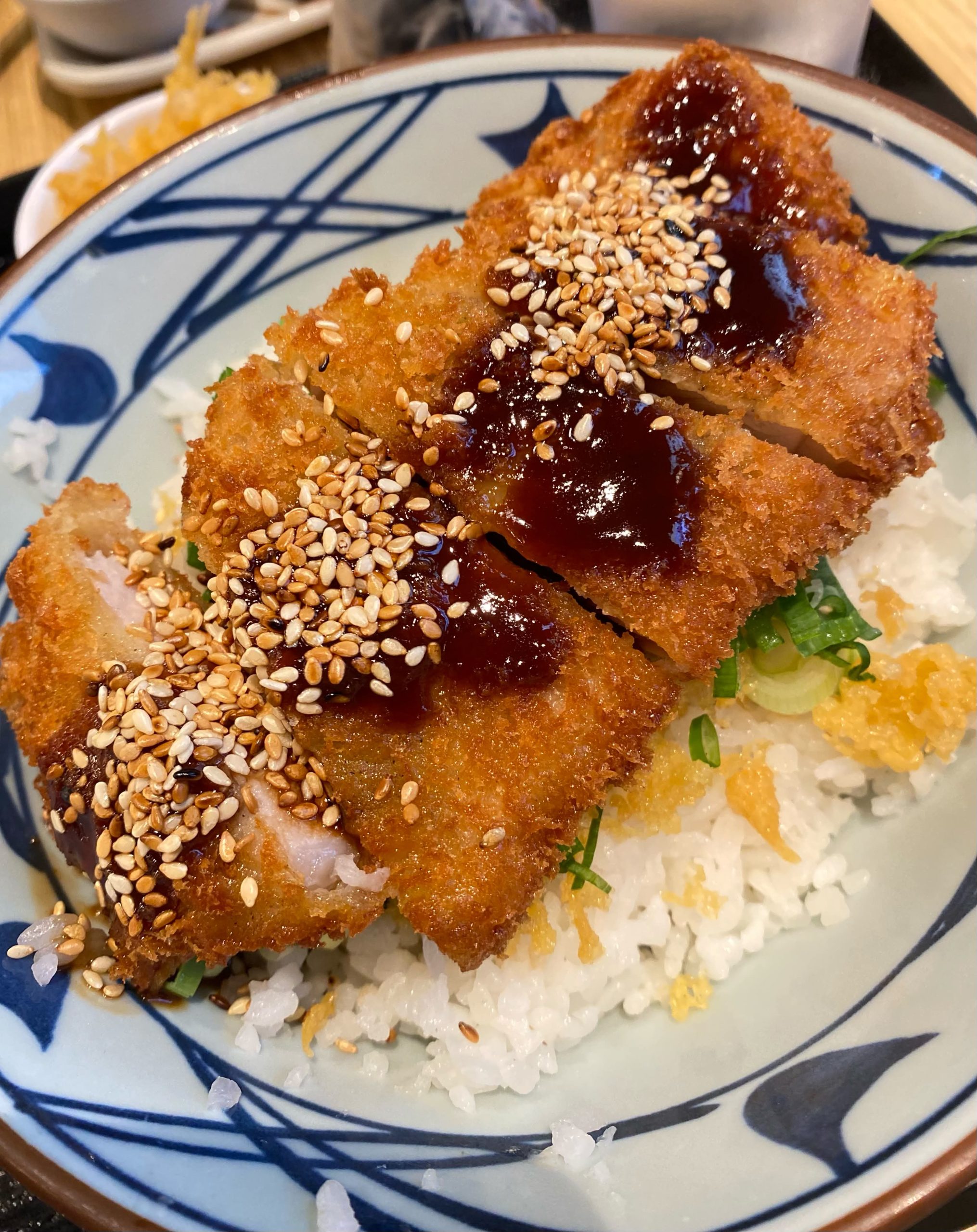
Golden, crispy chicken cutlets coated in crunchy Japanese panko breadcrumbs, served over fluffy white rice with a rich, sweet-and-tangy katsu sauce, toasted sesame seeds, and fresh green onions.
2 Servings
30–35 Minutes
Easy to Moderate
1. Introduction
If you love crispy chicken, fluffy rice, and flavorful Japanese sauces, this Chicken Katsu Donburi is a delicious homemade meal worth trying.
This Japanese-inspired rice bowl features juicy chicken breast coated in golden panko breadcrumbs, shallow-fried until crunchy, and served over warm Japanese short-grain rice.
The crispy chicken is finished with a glossy katsu sauce made from ketchup, Worcestershire sauce, soy sauce, brown sugar, and rice vinegar.
Fresh green onions and toasted sesame seeds add a wonderful finishing touch, while optional shredded cabbage introduces freshness and crunch.
What makes this recipe especially satisfying is the contrast between the crispy chicken, tender rice, and rich, savory-sweet sauce.
Whether you’re preparing a quick family dinner or exploring Japanese-inspired cooking, this recipe delivers restaurant-style flavors using simple ingredients.
2. Origin and Cultural Significance
Katsu refers to a Japanese breaded and fried cutlet, while donburi describes a rice bowl topped with meat, vegetables, or other ingredients.
Katsudon is a popular Japanese dish traditionally prepared with a breaded cutlet served over rice.
One familiar version combines the cutlet with onions and eggs simmered in a savory broth.
Sauce Katsudon, however, is a variation in which the crispy cutlet is coated or drizzled with a rich, savory sauce instead of being simmered with eggs.
This style is particularly associated with the Fukui region of Japan, where sauce-covered cutlets served over rice are a recognized local specialty.
Traditional versions commonly use pork cutlets, but chicken katsu is a delicious alternative.
This recipe uses halal chicken breast and alcohol-free sauce ingredients while preserving the distinctive combination of crispy breading, tender rice, and bold katsu sauce.
3. Ingredients
A. For the Crispy Chicken Katsu
- 2 boneless, skinless chicken breasts, approximately 150–200 g each
- ½ teaspoon salt
- ¼ teaspoon freshly ground black pepper
- ½ cup all-purpose flour
- 1 large egg, beaten
- 1 cup Japanese panko breadcrumbs
- Neutral vegetable, sunflower, or canola oil for shallow-frying
B. For the Homemade Katsu Sauce
- ¼ cup ketchup
- 2 tablespoons halal-suitable, alcohol-free Worcestershire sauce
- 1 tablespoon soy sauce
- 1 tablespoon rice vinegar
- 1 tablespoon brown sugar
- ½ teaspoon additional sugar, optional
C. For the Rice Bowls
- 2 cups cooked Japanese short-grain white rice
- 2 tablespoons toasted white sesame seeds
- 2 green onions, thinly sliced
- ¼ cup finely shredded green cabbage, optional
- ¼ cup tenkasu (Japanese tempura crumbs), optional
Optional Garnishes
- Extra katsu sauce
- Finely chopped parsley
- Toasted black sesame seeds
- Additional shredded cabbage
Ingredient note: Use plain rice vinegar rather than mirin, which generally contains alcohol. Check the Worcestershire sauce and any prepared tempura crumbs for ingredients that suit your dietary requirements.
4. Optional Additions
Spicy Chicken Katsu
Add ¼ teaspoon cayenne pepper or chili powder to the flour mixture for a gentle spicy kick.
Garlic Katsu Sauce
Stir ½ teaspoon garlic powder into the homemade sauce.
Honey Katsu Sauce
Replace the brown sugar with 1 tablespoon honey for a different sweet flavor.
Extra Crunchy Katsu
Use coarse Japanese panko breadcrumbs and press them firmly into the chicken.
Cabbage Katsu Bowl
Place a generous layer of thinly shredded green cabbage over the rice before adding the cutlet.
Sesame Katsu
Mix 1 tablespoon toasted sesame seeds into the panko breadcrumbs before coating the chicken.
Chicken Thigh Variation
Replace chicken breast with boneless, skinless chicken thighs for a slightly richer, juicier cutlet.
5. Tips for Success
1. Pound the chicken evenly. Flattening each breast to approximately ½ inch thick helps it cook evenly and remain juicy.
2. Pat the chicken dry. Removing excess surface moisture allows the flour and egg coating to adhere properly.
3. Use Japanese panko. Panko breadcrumbs are larger and lighter than many traditional breadcrumbs, creating a particularly crispy crust.
4. Press the breadcrumbs firmly. Gently pressing the panko onto the chicken helps prevent the coating from falling off during frying.
5. Maintain the correct oil temperature. Aim for approximately 340–350°F (170–175°C). Oil that is too cool creates greasy breading, while excessively hot oil can burn the coating.
6. Avoid overcrowding the skillet. Fry the cutlets in batches if necessary.
7. Check the chicken’s temperature. The center of each cutlet must reach at least 165°F (74°C).
8. Add the sauce just before serving. This preserves the contrast between the crispy panko coating and the flavorful sauce.
6. Instructions
Part 1: Prepare the Homemade Katsu Sauce
Step 1: Combine the sauce ingredients.
In a small mixing bowl, add:
- Ketchup
- Worcestershire sauce
- Soy sauce
- Rice vinegar
- Brown sugar
Whisk until evenly combined.
Step 2: Adjust the flavor.
Taste the sauce.
Add the optional ½ teaspoon sugar if you prefer a sweeter flavor.
For a slightly tangier sauce, add a small splash of rice vinegar.
Step 3: Warm the sauce.
Transfer the mixture to a small saucepan.
Heat over low heat for approximately 1–2 minutes, stirring until the sugar dissolves.
Remove from the heat and set aside.
Part 2: Prepare the Chicken Cutlets
Step 4: Flatten the chicken.
Place each chicken breast between two sheets of parchment paper or food-safe plastic wrap.
Using a meat mallet or rolling pin, gently pound the thicker sections until each breast is approximately ½ inch thick.
Step 5: Season the chicken.
Pat the chicken dry with paper towels.
Season both sides with salt and freshly ground black pepper.
Step 6: Set up the breading stations.
Prepare three shallow dishes:
- First dish: all-purpose flour
- Second dish: beaten egg
- Third dish: panko breadcrumbs
Arrange them in that order.
Step 7: Coat the chicken in flour.
Place one chicken breast into the flour.
Coat both sides, then shake off the excess.
Step 8: Dip into the egg.
Transfer the floured chicken into the beaten egg.
Turn until completely coated.
Allow excess egg to drip off.
Step 9: Coat with panko.
Place the chicken into the panko breadcrumbs.
Press gently so the breadcrumbs adhere evenly to both sides.
Repeat with the second chicken breast.
Part 3: Fry the Chicken Katsu
Step 10: Heat the oil.
Pour approximately ½ inch of neutral cooking oil into a large, heavy-bottomed skillet.
Heat over medium heat until the oil reaches approximately 340–350°F (170–175°C).
Step 11: Fry the chicken.
Carefully lower the breaded chicken into the hot oil.
Cook for approximately 3–5 minutes on the first side, depending on thickness.
The coating should become golden brown and crispy.
Step 12: Flip and finish.
Turn the chicken carefully using kitchen tongs.
Cook for another 3–5 minutes.
Continue frying until the internal temperature reaches 165°F (74°C).
Adjust the heat if the breadcrumbs begin browning too quickly.
Step 13: Drain the cutlets.
Transfer the cooked chicken to a wire rack set over a baking tray.
Allow the excess oil to drain for approximately 2–3 minutes.
Using a wire rack helps keep the bottom of the breading crispy.
Part 4: Prepare the Rice and Garnishes
Step 14: Warm the rice.
Prepare the Japanese short-grain rice according to the package instructions if it is not already cooked.
Fluff gently using a rice paddle or fork.
Keep warm until serving.
Step 15: Prepare the garnishes.
Thinly slice the green onions.
Toast the sesame seeds in a dry skillet over low heat for approximately 1–2 minutes if they are not already toasted.
Finely shred the cabbage if using.
Part 5: Assemble the Katsu Donburi
Step 16: Divide the rice.
Spoon approximately 1 cup of warm cooked rice into each serving bowl.
Spread evenly across the bottom.
Step 17: Add optional vegetables.
Place a thin layer of shredded cabbage over the rice.
If using tenkasu, sprinkle a small amount over the cabbage for extra crunch.
Step 18: Slice the chicken.
Place each cooked chicken cutlet on a clean cutting board.
Using a sharp knife, slice into strips approximately ¾ inch wide.
Try to keep the strips together for an attractive presentation.
Step 19: Arrange the cutlets.
Carefully place one sliced chicken cutlet over the rice in each bowl.
Fan the slices slightly so the crispy coating remains visible.
Step 20: Add the katsu sauce.
Drizzle the warm, sweet-and-tangy sauce over the chicken.
Add enough to coat the cutlet lightly without completely soaking the breading.
Step 21: Garnish.
Sprinkle toasted sesame seeds and freshly sliced green onions over the chicken.
Add extra sauce on the side if desired.
Step 22: Serve immediately.
Serve the bowls while the rice is warm and the chicken remains crispy.
7. Description
This Chicken Katsu Donburi combines several satisfying textures and flavors.
The chicken cutlet has a golden, crunchy panko coating surrounding tender, juicy meat.
The homemade katsu sauce adds sweetness, acidity, and savory depth.
Japanese short-grain rice provides a soft, slightly sticky base that contrasts beautifully with the crispy chicken.
Toasted sesame seeds contribute a subtle nutty flavor, while sliced green onions introduce freshness.
| Component | Flavor and Texture |
|---|---|
| Chicken katsu | Crispy outside, tender inside |
| Katsu sauce | Sweet, tangy, savory |
| Japanese rice | Soft, fluffy, slightly sticky |
| Sesame seeds | Toasted, nutty |
| Green onions | Fresh, mild, aromatic |
| Shredded cabbage | Light, crunchy, refreshing |
Every bite brings together crunchy breading, flavorful sauce, and warm rice.
8. Nutritional Information
The following values are approximate estimates for one rice bowl, including chicken, rice, breading, sauce, and some frying oil.
| Nutrient | Approximate Amount |
|---|---|
| Calories | 750–950 kcal |
| Protein | 40–55 g |
| Carbohydrates | 85–110 g |
| Total Fat | 20–35 g |
| Dietary Fiber | 3–5 g |
| Sugar | 10–15 g |
| Sodium | Varies with sauce and seasoning |
Actual nutritional values depend on chicken size, the amount of flour and panko used, oil absorption, and the quantity of sauce added.
Nutritional Highlights
Chicken: Provides protein and important B vitamins.
Rice: Supplies carbohydrates for energy.
Sesame Seeds: Contribute small amounts of healthy fats and minerals.
Cabbage: Adds fiber and freshness.
Katsu Sauce: Provides bold flavor but may contain significant sodium and added sugar.
9. Recipe Details
| Detail | Information |
|---|---|
| Recipe Name | Chicken Katsu Donburi |
| Cuisine | Japanese-Inspired |
| Course | Main Course |
| Preparation Time | 15 minutes |
| Cooking Time | 15–20 minutes |
| Total Time | 30–35 minutes with cooked rice |
| Servings | 2 |
| Difficulty | Easy to Moderate |
| Main Ingredients | Chicken, Panko, Rice, Katsu Sauce |
| Cooking Method | Shallow-Frying |
| Oil Temperature | 340–350°F (170–175°C) |
| Flavor Profile | Savory, Sweet, Tangy |
| Best Served | Hot and Fresh |
10. Conclusion
Chicken Katsu Donburi is a delicious way to bring Japanese-inspired comfort food into your kitchen.
The combination of golden panko chicken, warm short-grain rice, and homemade katsu sauce creates a satisfying meal with wonderfully contrasting textures.
Although frying the chicken requires a little attention, the process is straightforward when the cutlets are evenly flattened and breaded properly.
Fresh green onions, sesame seeds, and optional shredded cabbage complete the dish with attractive colors and additional flavor.
Whether prepared for lunch, dinner, or a casual family meal, this crispy chicken rice bowl is a flavorful alternative to ordinary chicken and rice.
11. Serving and Storage Recommendations
Best Ways to Serve
Serve the chicken katsu immediately after frying.
For the best texture, drizzle the sauce over the chicken just before eating.
Recommended Side Dishes
- Japanese cucumber salad
- Steamed edamame
- Miso soup
- Pickled vegetables
- Steamed broccoli
- Shredded cabbage salad
Refrigerating Leftovers
Store chicken, rice, and sauce separately in airtight containers.
Refrigerate promptly.
Cool cooked rice quickly, ideally within one hour, and refrigerate immediately. For conservative rice-storage guidance, use within 24 hours.
Cooked chicken can generally be refrigerated for 3–4 days.
Reheating Chicken
Preheat an oven or air fryer to approximately 375°F (190°C).
Reheat the chicken until thoroughly hot, reaching 165°F (74°C) internally.
Avoid microwaving when possible because it softens the crispy breading.
Reheating Rice
Reheat refrigerated rice until steaming hot throughout.
Do not reheat rice repeatedly.
Freezing
Cooked chicken katsu can be frozen in airtight containers for approximately 2–3 months for best quality.
Reheat from frozen or after thawing in the refrigerator, following safe reheating procedures.
Make-Ahead Tips
Prepare the katsu sauce up to 3 days in advance and refrigerate.
Slice the green onions and prepare the cabbage ahead of time.
Bread the chicken shortly before frying for the best texture.
12. Embracing Healthful Indulgence
Chicken Katsu Donburi combines protein-rich chicken with rice, flavorful sauce, and optional vegetables.
The chicken provides protein, while the rice supplies carbohydrates for energy.
Although shallow-frying creates the signature crunchy coating, the dish can be adjusted to suit different nutritional preferences.
For a lighter version, consider:
- Baking or air-frying the breaded chicken.
- Using less katsu sauce.
- Adding more shredded cabbage.
- Replacing some white rice with brown rice.
- Serving smaller portions.
- Using low-sodium soy sauce in the sauce mixture.
These adjustments can reduce some of the richness while preserving the distinctive flavors of chicken katsu.
The appeal of this dish lies in the contrast between crunchy chicken, tender rice, and a sweet-and-savory sauce.
With golden panko chicken, fluffy Japanese rice, toasted sesame seeds, and a delicious homemade katsu sauce, Chicken Katsu Donburi is a comforting, satisfying meal that’s perfect for Japanese-inspired dinners at home.
#ChickenKatsu #KatsuDonburi #JapaneseRiceBowl #CrispyChickenRecipe #JapaneseFood