
Introduction
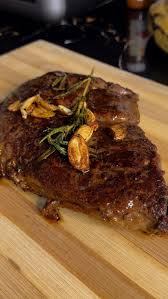
A perfectly pan-seared ribeye steak is one of the most satisfying dishes you can prepare at home. With a deeply golden crust, juicy and tender interior, and rich garlic-rosemary butter, this classic steakhouse recipe transforms a simple cut of beef into an impressive dinner.
The secret is a combination of high-heat searing and gentle butter basting. Searing creates a flavorful caramelized crust, while spooning hot, herb-infused butter over the steak adds richness and an irresistible aroma.
Finished with fresh rosemary, smashed garlic, and buttery pan juices, this ribeye is ideal for special occasions, romantic dinners, or a comforting weekend meal.
Origin and Cultural Significance
Pan-searing steak is a traditional cooking technique used in kitchens around the world, particularly in European and American steakhouse cooking.
The butter-basting technique, known in French cuisine as arroser, involves repeatedly spooning hot butter or cooking juices over meat as it cooks.
This method helps coat the steak with flavorful fat while infusing it with aromatic ingredients such as garlic, rosemary, and thyme.
Ribeye is especially popular for this preparation because of its natural marbling, which contributes tenderness, juiciness, and a rich beef flavor.
Today, garlic and rosemary butter-basted ribeye remains a favorite restaurant-style dish that can be recreated at home with a heavy skillet and a few simple ingredients.
Ingredients
For the Ribeye Steak
- 1 thick-cut ribeye steak (approximately 12–16 oz / 340–450 g), ideally 1½–2 inches thick
- 1 teaspoon kosher salt, or to taste
- ½ teaspoon freshly cracked black pepper
- 1–2 tablespoons avocado, canola, or grapeseed oil
For the Garlic-Rosemary Butter
- 3 tablespoons unsalted butter
- 3–4 garlic cloves, gently smashed
- 2–3 sprigs fresh rosemary
- 1–2 sprigs fresh thyme, optional
For Garnishing
- Fresh rosemary
- Roasted garlic cloves from the skillet
- Flaky sea salt, optional
- Freshly cracked black pepper
- Reserved garlic-herb butter
Optional Additions
- Fresh thyme: Adds an earthy, aromatic flavor.
- Shallots: Add a halved shallot to the butter for subtle sweetness.
- Smoked paprika: Sprinkle lightly over the steak for a smoky variation.
- Crushed red pepper flakes: Add a small pinch for gentle heat.
- Lemon zest: Use a tiny amount to brighten the buttery finish.
- Compound butter: Top the finished steak with garlic-herb butter for extra richness.
- Sautéed mushrooms: Serve alongside the steak for a classic steakhouse combination.
Tips for Success
- Choose a thick steak: A ribeye measuring 1½–2 inches thick is easier to sear without overcooking the center.
- Dry the surface thoroughly: Removing moisture helps create a deeply browned crust.
- Use a heavy skillet: Cast iron or stainless steel retains heat and promotes even browning.
- Season generously: Salt enhances the beef’s natural flavor.
- Use high-smoke-point oil: It is better suited to the initial high-temperature sear.
- Add butter after searing: Butter can burn if introduced too early.
- Control the heat: Reduce the temperature before adding garlic and herbs.
- Baste continuously: Spoon the foaming butter over the steak to coat it evenly.
- Check internal temperature: A digital thermometer is more reliable than cooking time alone.
- Rest before slicing: Allowing the steak to rest helps reduce moisture loss.
Instructions
Step 1: Prepare the Steak
Remove the ribeye from the refrigerator approximately 20–30 minutes before cooking, if desired.
Place it on a clean plate and pat every surface thoroughly dry using paper towels.
Season both sides and the edges generously with kosher salt and freshly cracked black pepper.
A dry, well-seasoned surface helps develop a beautiful crust during searing.
Step 2: Prepare the Garlic and Rosemary
Gently crush the garlic cloves using the flat side of a knife.
Keep the cloves mostly whole so they can infuse the butter without burning too quickly.
Rinse and dry the rosemary and optional thyme sprigs.
Measure the butter and keep it close to the stove.
Step 3: Preheat the Skillet
Place a heavy cast-iron or stainless-steel skillet over medium-high heat.
Allow it to heat thoroughly for approximately 3–5 minutes.
Add the high-smoke-point oil and swirl to coat the bottom of the skillet.
The oil should shimmer and be hot enough to sear the steak immediately.
Avoid overheating it to the point of excessive smoking.
Step 4: Sear the First Side
Carefully place the ribeye into the hot skillet, laying it away from you to minimize splashing.
Allow the steak to sear undisturbed for approximately 2–3 minutes.
A deeply golden-brown crust should begin forming.
Avoid moving or pressing down on the steak during this stage.
Step 5: Sear the Second Side
Using kitchen tongs, carefully flip the ribeye.
Sear the second side for another 2–3 minutes.
If the steak has a thick fat cap, briefly hold that edge against the skillet to render some of the fat.
The outside should develop an attractive brown crust while the center continues cooking.
Step 6: Add the Butter, Garlic, and Rosemary
Reduce the heat to medium or medium-low.
Add the unsalted butter, smashed garlic cloves, and fresh rosemary sprigs to the skillet.
If using thyme, add it now.
Allow the butter to melt and begin foaming.
As the garlic and herbs warm, they will release their aromatic flavors into the butter.
Step 7: Butter-Baste the Steak
Carefully tilt the skillet slightly so the melted butter collects along one side.
Using a large metal spoon, scoop the hot, foaming butter and repeatedly pour it over the steak.
Continue basting for approximately 1–3 minutes, adjusting the time according to the thickness of the ribeye.
Turn the steak once more if necessary.
The butter should become fragrant and lightly golden without burning.
If it begins darkening too quickly, lower the heat.
Step 8: Check the Internal Temperature
Insert an instant-read thermometer horizontally into the thickest part of the steak, avoiding large pockets of fat or bone.
For reference, common steak doneness temperatures are:
| Doneness | Approximate Final Temperature |
|---|---|
| Rare | 125°F (52°C) |
| Medium-rare | 135°F (57°C) |
| Medium | 145°F (63°C) |
| Medium-well | 150–155°F (66–68°C) |
| Well-done | 160°F (71°C) or higher |
These are culinary doneness preferences, not all food-safety recommendations.
For food safety, USDA guidance recommends cooking whole beef steaks to at least 145°F (63°C), followed by a minimum 3-minute rest.
Remove the steak a few degrees before the desired final temperature if accounting for carryover cooking, but verify that the safe final temperature is reached.
Step 9: Rest the Steak
Transfer the cooked ribeye to a warm plate or cutting board.
Spoon a little of the garlic-rosemary butter over the top.
Place the rosemary sprigs and roasted garlic alongside the steak.
Allow it to rest for approximately 5–10 minutes before slicing.
This helps the meat retain more of its juices.
Step 10: Slice and Serve
Using a sharp knife, slice the ribeye against the grain into thick strips, or serve it whole.
Arrange the steak on a warm plate.
Spoon over a small amount of the reserved butter, provided it is not burnt.
Garnish with fresh rosemary, the softened garlic cloves, and a light sprinkle of flaky sea salt if desired.
Serve immediately.
Description
Pan-Seared Ribeye Steak with Garlic and Rosemary Butter is a rich, savory main course featuring a beautifully browned exterior and a juicy, tender center.
The ribeye’s natural marbling creates exceptional flavor, while the hot butter carries the aromas of fresh rosemary and garlic throughout the dish.
Each bite combines a flavorful crust, succulent beef, and a luxurious buttery finish.
The result is a restaurant-inspired steak dinner made with simple ingredients and classic cooking techniques.
Nutritional Information
Approximate values per serving, assuming the steak serves 2 and some cooking fat remains in the skillet:
- Calories: 550–750 kcal
- Protein: 40–50 g
- Carbohydrates: 1–3 g
- Fat: 40–60 g
- Saturated Fat: 17–25 g
- Sodium: 600–900 mg
Nutritional values vary significantly depending on steak size, marbling, trimming, and the amount of butter consumed.
Recipe Details
- Prep Time: 10 minutes
- Optional Rest Before Cooking: 20–30 minutes
- Cook Time: 8–12 minutes, depending on thickness
- Resting Time: 5–10 minutes
- Total Time: Approximately 25–35 minutes, excluding optional pre-cooking rest
- Servings: 2
- Cuisine: American steakhouse-inspired
- Course: Main course
- Cooking Methods: Pan-searing and butter-basting
- Difficulty: Easy to moderate
Conclusion
Perfect Pan-Seared Ribeye Steak with Garlic, Rosemary, and Rich Brown Butter is a timeless steakhouse favorite that delivers exceptional flavor with minimal ingredients.
The combination of a deeply browned crust, tender beef, aromatic herbs, and rich butter creates a satisfying and elegant main course.
By mastering the techniques of proper searing, temperature control, butter basting, and resting, you can prepare a delicious restaurant-style ribeye in your own kitchen.
Recommendation
Serve this ribeye steak with creamy mashed potatoes, roasted garlic potatoes, sautéed mushrooms, asparagus, or buttered green beans.
For a complete steakhouse-style dinner, pair it with a fresh green salad and a warm bread roll.
Store leftovers in an airtight container in the refrigerator within 2 hours of cooking.
Refrigerated cooked steak should be consumed within 3–4 days.
For reheating, warm the steak gently in a low-temperature oven or covered skillet until thoroughly heated to 165°F (74°C).
Avoid prolonged high heat, which can dry out the meat.
For longer storage, freeze cooked steak in a freezer-safe container for approximately 2–3 months for best quality.
Embracing Healthful Indulgence
Ribeye steak is a rich source of complete protein, iron, zinc, and vitamin B12.
Its natural marbling provides flavor and tenderness, although it also contributes a significant amount of saturated fat.
For a more balanced meal, serve smaller steak portions alongside generous servings of vegetables.
You can also reduce the amount of finishing butter or choose a leaner cut such as sirloin while using the same garlic-rosemary basting technique.
Enjoyed in moderation, this classic steakhouse dish offers a satisfying combination of quality ingredients, bold flavors, and traditional cooking techniques.