
Introduction
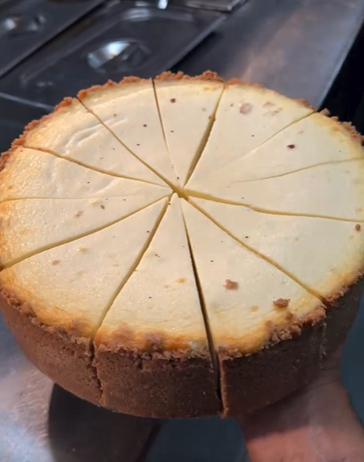
Classic Baked Cheesecake is a rich, creamy dessert featuring a smooth cream cheese filling and a buttery graham cracker crust. Each slice offers a delicate balance of sweetness, tanginess, and richness, with a velvety texture that becomes even better after several hours of chilling.
Made with cream cheese, sour cream, eggs, sugar, and vanilla, this traditional-style cheesecake relies on simple ingredients to create an elegant dessert. A small amount of flour helps stabilize the filling, while optional lemon juice adds a subtle brightness that balances the richness of the dairy ingredients.
Although cheesecake requires patience, the preparation itself is straightforward. The crust is pressed into a springform pan, the filling is mixed until smooth, and the cake is baked slowly to help it set evenly. Allowing it to cool gradually and chill thoroughly helps produce neat slices with a firm yet creamy center.
This cheesecake is ideal for birthdays, holiday gatherings, dinner parties, or any occasion that calls for a classic homemade dessert. Serve it plain to appreciate its creamy flavor, or add fresh berries, fruit sauce, or a little whipped cream just before serving.
Origin
Cheesecake has a long history, with early forms of cheese-based cakes dating back to ancient Greece. Historical accounts describe cheese, flour, and honey being combined into simple cakes, although these preparations differed considerably from modern baked cheesecake.
Over centuries, cheese-based desserts evolved across Europe as ingredients, cooking methods, and regional traditions changed. In the United States, cream cheese became an important ingredient in the development of the rich, smooth cheesecake familiar today.
The graham cracker crust is especially associated with American-style cheesecake. It offers a convenient alternative to pastry and provides a slightly sweet, buttery base that complements the creamy filling.
Modern baked cheesecakes vary in texture and preparation. Some are dense and rich, while others are lighter or feature regional ingredients. This recipe follows a classic American-inspired approach, using cream cheese and sour cream for a smooth filling and a graham cracker crust for a familiar, crisp foundation.
Cultural Significance
Cheesecake has become a popular dessert in many countries, with different regions developing their own styles and traditions. From dense cream cheese versions to lighter ricotta-based or farmer’s-cheese varieties, cheesecake reflects the versatility of dairy-based baking.
In the United States, baked cheesecake is often associated with celebrations, restaurants, bakeries, and special family meals. Its rich texture and attractive presentation make it a natural choice for birthdays, holidays, and dinner parties.
The classic graham cracker crust and cream cheese filling are particularly recognizable features of American-style cheesecake. The combination creates a dessert that is simple in appearance but satisfying in flavor and texture.
Cheesecake is also valued for its adaptability. It can be served plain, topped with berries, finished with chocolate, or paired with caramel and fruit sauces. This versatility allows the same basic dessert to suit a wide range of occasions and personal preferences.
Ingredients and Quantities
For the Graham Cracker Crust
- 2 1/2 cups graham cracker crumbs
- 1/3 cup granulated sugar
- 1/2 cup unsalted butter, melted
For the Cheesecake Filling
- 4 packages cream cheese, 8 ounces each, softened
- 1 1/4 cups granulated sugar
- 1 cup sour cream, at room temperature
- 4 large eggs, at room temperature
- 2 teaspoons vanilla extract
- 2 tablespoons all-purpose flour
- 1 tablespoon lemon juice, optional
These quantities are intended for a 9-inch springform pan and approximately 12 servings.
For the best texture, use full-fat block cream cheese rather than whipped or spreadable cream cheese. Block cream cheese generally provides a more reliable structure for baked cheesecake.
Optional Additions
Fresh Berries
Serve the cheesecake with strawberries, raspberries, blueberries, or blackberries. Their fresh flavor and gentle acidity balance the richness of the filling.
Berry Sauce
Prepare a simple berry sauce by simmering berries with a little sugar and lemon juice until softened. Cool the sauce before spooning it over individual slices.
Chocolate
Drizzle melted dark or milk chocolate over the chilled cheesecake for a richer dessert. You can also add a light chocolate decoration just before serving.
Lemon Zest
Add a teaspoon of finely grated lemon zest to the filling for a brighter citrus aroma. This works particularly well with fresh berries.
Caramel Sauce
A small drizzle of caramel sauce creates a sweeter, richer variation. Add it immediately before serving to keep the presentation neat.
Vanilla Bean
Replace some or all of the vanilla extract with vanilla bean paste for a more pronounced vanilla flavor and attractive specks throughout the filling.
Alternative Crust
If graham crackers are unavailable, use finely crushed digestive biscuits or another suitable plain sweet biscuit. The final sweetness and texture may vary slightly depending on the brand.
Spiced Crust
Add a small pinch of cinnamon to the crust mixture for a gentle warming flavor that complements the cream cheese filling.
Tips for Success
Bring the Ingredients to Room Temperature
Softened cream cheese, room-temperature eggs, and sour cream blend more evenly than cold ingredients. This helps reduce lumps and produces a smoother filling.
Beat the Cream Cheese Thoroughly
Mix the cream cheese and sugar on medium-low speed until smooth before adding the remaining ingredients. Scrape down the sides and bottom of the bowl as needed to ensure everything is incorporated.
Avoid Overmixing the Eggs
Add the eggs one at a time and mix just until each is incorporated. Excessive beating introduces additional air, which can cause the cheesecake to rise and fall more noticeably during baking.
Press the Crust Firmly
Use the bottom of a measuring cup or a flat-sided glass to press the graham cracker mixture firmly across the base and up the sides of the pan. A compact crust is less likely to crumble when the cheesecake is sliced.
Use a Water Bath
A water bath surrounds the cheesecake with gentle, moist heat, helping it bake more evenly and reducing the risk of a dry surface. Wrap the outside of the springform pan securely with heavy-duty foil to help prevent water from entering.
For extra protection, place the springform pan inside a slightly larger oven-safe cake pan before setting it in the roasting pan with water.
Do Not Wait for the Center to Become Completely Firm
The edges should be set while the center retains a slight wobble when the pan is gently moved. The cheesecake will continue to set as it cools and chills.
Cool Gradually
Sudden temperature changes can contribute to cracks. Turning off the oven and leaving the door slightly open for about an hour allows the cheesecake to cool more gradually.
Chill Thoroughly
Refrigerate the cheesecake for at least six hours, preferably overnight, before removing it from the pan and slicing. Chilling improves the texture and makes clean slices easier to achieve.
Use a Warm Knife
Dip a thin, sharp knife in warm water and wipe it clean between slices. This helps cut through the filling without dragging or damaging the smooth surface.
Keep It Refrigerated
Because cheesecake contains dairy and eggs, refrigerate it promptly after cooling. Do not leave it at room temperature for more than two hours, or more than one hour when the ambient temperature exceeds 90°F (32°C).
Instructions
Step 1: Prepare the Oven and Pan
Preheat the oven to 325°F (163°C). Lightly grease a 9-inch springform pan.
If using a water bath, wrap the outside of the pan with a double layer of heavy-duty aluminum foil, covering the base and sides to help prevent leaks.
Step 2: Prepare the Graham Cracker Crust
In a mixing bowl, combine the graham cracker crumbs, granulated sugar, and melted butter. Stir until the crumbs are evenly moistened and resemble damp sand.
Transfer the mixture to the springform pan. Press it firmly across the bottom and up the sides, creating an even layer.
Step 3: Prebake the Crust
Bake the crust for approximately 10 minutes. Remove it from the oven and allow it to cool slightly while preparing the filling.
Keep the oven on at 325°F (163°C).
Step 4: Mix the Cream Cheese and Sugar
Place the softened cream cheese in a large mixing bowl. Beat on medium-low speed until smooth, scraping down the sides of the bowl as needed.
Add the sugar gradually and mix until fully incorporated. The mixture should be creamy without visible lumps.
Step 5: Add the Remaining Filling Ingredients
Mix in the flour, followed by the sour cream, vanilla extract, and optional lemon juice. Scrape the bowl to ensure the ingredients are evenly combined.
Add the eggs one at a time, mixing on low speed after each addition just until incorporated. Avoid beating the mixture excessively.
Step 6: Fill the Pan
Pour the filling into the slightly cooled crust. Smooth the surface with a spatula.
Tap the pan gently on the counter to release any large air bubbles. Avoid vigorous tapping that could damage the crust.
Step 7: Prepare the Water Bath
Place the wrapped springform pan inside a large roasting pan. Carefully pour hot water into the roasting pan until it reaches approximately 1 inch up the sides of the springform pan.
Take care not to splash water into the cheesecake. If using the additional-pan method, place the springform pan inside the larger oven-safe pan before putting it into the water bath.
Step 8: Bake the Cheesecake
Transfer the roasting pan carefully to the oven. Bake for approximately 65–80 minutes.
The edges should look set, while the center should still have a slight wobble when the pan is gently moved. Avoid waiting for the entire surface to become firm, as the cheesecake continues setting during cooling.
Step 9: Cool Slowly in the Oven
Turn off the oven and open the door slightly. Leave the cheesecake inside for about one hour.
This gradual cooling helps reduce the temperature difference between the oven and the cheesecake, which can help minimize cracking.
Step 10: Cool Completely
Carefully remove the cheesecake from the water bath and take off the foil. Place the pan on a heat-safe surface and allow the cheesecake to cool to room temperature.
Do not cover it while it is still warm, as trapped steam can form condensation.
Step 11: Refrigerate
Once cooled, cover the cheesecake and refrigerate for at least six hours or overnight. This step is essential for achieving the classic firm yet velvety texture.
Step 12: Release and Slice
Run a thin knife around the inside edge of the pan before releasing the springform sides.
Dip a sharp knife in warm water, wipe it clean, and cut the cheesecake into 12 portions. Repeat the cleaning process between slices for a neat presentation.
Step 13: Serve
Serve the cheesecake chilled, either plain or with fresh berries, berry sauce, whipped cream, or a light drizzle of chocolate.
Return any remaining cheesecake to the refrigerator promptly.
Description
Classic Baked Cheesecake is a rich, smooth dessert with a creamy filling and a buttery graham cracker crust. The filling combines cream cheese and sour cream to create a velvety texture, while vanilla gives it a familiar, sweet aroma.
The crust provides a lightly crisp contrast to the soft filling. Its buttery flavor and gentle sweetness complement the tanginess of the cream cheese without overpowering it.
Baking the cheesecake slowly in a water bath helps create an even texture, while gradual cooling and extended refrigeration allow the filling to become firm enough for clean slices.
The finished dessert is elegant without requiring elaborate decoration. Its smooth surface and golden crust make it appealing on its own, while berries, fruit sauce, chocolate, or caramel can add color and additional flavor.
Because the cheesecake benefits from several hours of chilling, it is especially convenient for entertaining. Prepare it the day before a gathering, refrigerate it overnight, and add any toppings shortly before serving.
Nutritional Information
The following values are approximate estimates per serving, assuming the cheesecake is divided into 12 slices and the optional lemon juice is included. Additional toppings are not included.
- Calories: approximately 450–500
- Protein: approximately 7–9 g
- Carbohydrates: approximately 38–45 g
- Fat: approximately 30–35 g
- Sugars: approximately 25–32 g
Actual nutrition depends on the brands of cream cheese and sour cream, the exact crust ingredients, and the size of each slice. These figures are general estimates rather than laboratory-tested values.
Cream cheese and sour cream contribute much of the dessert’s fat and richness, while eggs provide protein and help the filling set. The graham cracker crust adds carbohydrates and sweetness.
To change the nutritional profile, you can serve smaller slices or choose a lighter topping such as fresh berries instead of caramel or chocolate. Ingredient substitutions may also affect the cheesecake’s flavor, firmness, and baking behavior.
Conclusion
Classic Baked Cheesecake is a timeless dessert that combines a buttery graham cracker crust with a rich, creamy filling. Its balanced sweetness, gentle tanginess, and smooth texture make it suitable for celebrations, family meals, and special occasions.
Although the recipe takes time because of its gradual cooling and extended chilling, the preparation itself is manageable. Mixing the filling gently, using a water bath, and allowing the cheesecake to set overnight are the most important steps for a reliable result.
The recipe can be served plain for a traditional presentation or customized with berries, fruit sauce, chocolate, or caramel. Its versatility makes it easy to adapt to different preferences without changing the basic method.
For the best experience, plan ahead and allow enough time for the cheesecake to chill thoroughly before slicing. The result is a firm, velvety dessert with neat slices and classic homemade flavor.
Recommendation
Prepare Classic Baked Cheesecake a day before you plan to serve it. Overnight refrigeration gives the filling plenty of time to set and makes it easier to cut clean portions.
For a simple presentation, serve each slice with a few fresh berries. For a more indulgent dessert, add whipped cream, chocolate sauce, or caramel just before serving.
When preparing the cheesecake for a gathering, keep toppings separate until serving time. This allows guests to choose their preferred additions and helps preserve the smooth appearance of the cake.
Store leftovers covered in the refrigerator and enjoy them within about 3–4 days for the best quality. Cheesecake can also be frozen in individual portions for longer storage; wrap the portions well and thaw them in the refrigerator before serving.
Embracing Healthful Indulgence
Enjoying a rich dessert can be part of a varied and balanced eating pattern. Classic Baked Cheesecake is designed to be creamy and satisfying, so a modest slice can provide the full experience without requiring complicated accompaniments.
You can personalize the dessert by serving it with fresh fruit, choosing a lighter topping, or cutting smaller portions for a gathering. These adjustments allow the cheesecake’s creamy filling and buttery crust to remain the focus.
Most importantly, take time to enjoy the process of preparing and sharing homemade food. With its smooth texture, familiar vanilla flavor, and crisp graham cracker crust, Classic Baked Cheesecake is a versatile dessert that brings a traditional touch to the table.