
Introduction
Classic Banana Bread is a timeless homemade favorite featuring a tender, moist crumb, a golden-brown crust, and the natural sweetness of ripe bananas. A touch of vanilla adds warmth, while optional ground cinnamon gives the loaf a comforting aroma that fills the kitchen as it bakes.
This simple recipe transforms overripe bananas into a delicious baked treat using everyday pantry ingredients. Melted butter adds richness, eggs help bind the batter, and baking soda creates a soft texture. The result is a loaf that is flavorful enough to enjoy on its own and versatile enough to pair with butter, nut butter, or a cup of coffee or tea.
One of the best things about banana bread is how easy it is to prepare. You do not need a mixer or advanced baking skills, and the batter comes together in a single bowl for the wet ingredients and another for the dry ingredients. Optional walnuts add crunch, while chocolate chips make the loaf sweeter and more dessert-like.
Whether served for breakfast, an afternoon snack, or a casual dessert, Classic Banana Bread is a practical way to make something delicious from bananas that are past their prime for eating fresh.
Origin
Banana bread became especially popular in the United States during the 1930s, when home cooks increasingly used baking powder and baking soda in quick breads. These chemical leaveners allowed bread-like loaves to rise without yeast or lengthy proofing.
The recipe also suited a practical approach to home cooking: instead of throwing away overripe bananas, cooks could mash them into a batter and turn them into a moist, flavorful loaf. As printed recipes and home baking guides spread, banana bread became a familiar feature of American kitchens.
Over time, countless variations developed. Some include nuts, chocolate chips, spices, or dried fruit, while others use different fats or sweeteners. Despite these changes, the basic combination of mashed bananas, flour, eggs, sugar, and a leavening agent remains recognizable.
This classic version follows that familiar tradition, using melted butter for richness and vanilla for a simple, balanced flavor.
Cultural Significance
Banana bread is closely associated with home baking, family recipes, and the practical use of everyday ingredients. Its popularity comes partly from its simplicity and partly from its ability to turn ripe fruit into something comforting and shareable.
In many households, banana bread is a way to reduce food waste while preparing a homemade treat. Bananas that have developed brown spots and softened flesh are often ideal for baking because they mash easily and generally taste sweeter than less-ripe fruit.
The loaf is also highly adaptable. Families may have their own preferred additions, such as walnuts, pecans, chocolate chips, or cinnamon. Some recipes lean toward a lightly sweet breakfast bread, while others are closer to cake.
Classic Banana Bread continues to be popular because it requires little equipment, can be made ahead, and is easy to portion for sharing. A freshly baked loaf can make an ordinary breakfast or afternoon break feel a little more special.
Ingredients and Quantities
Main Ingredients
- 3 ripe medium bananas, mashed
- 1/2 cup unsalted butter, melted
- 3/4 cup granulated sugar
- 2 large eggs
- 1 teaspoon vanilla extract
- 1 1/2 cups all-purpose flour
- 1 teaspoon baking soda
- 1/2 teaspoon salt
- 1/2 teaspoon ground cinnamon, optional
- 1/2 cup chopped walnuts or chocolate chips, optional
These quantities are intended for one standard 9-by-5-inch loaf pan and approximately 10 servings.
For the best flavor and texture, choose bananas that are very ripe, with plenty of brown spots and soft flesh. If your bananas are unusually large, the extra moisture may affect the baking time and final texture.
Optional Additions
Chopped Walnuts or Pecans
Add 1/2 cup of chopped walnuts or pecans for a pleasant crunch and nutty flavor. Fold them into the batter just before transferring it to the loaf pan.
Chocolate Chips
For a sweeter variation, add 1/2 cup of semisweet or dark chocolate chips. They pair naturally with banana and create little pockets of melted chocolate throughout the loaf.
Ground Cinnamon
Cinnamon is optional, but it gives the bread a warm, familiar aroma. You can also add a small pinch of nutmeg if you enjoy a more pronounced spice flavor.
Shredded Coconut
Stir in 1/4 cup of unsweetened shredded coconut for extra texture and a subtle coconut flavor.
Dried Fruit
Raisins or chopped dried cranberries can add chewy texture and bursts of sweetness. Use a modest amount so the additional ingredients do not weigh down the loaf.
Citrus Zest
A little finely grated orange zest can brighten the banana flavor and provide a fresh aromatic note.
Oats
Sprinkle a small amount of rolled oats over the batter before baking for a rustic finish. The oats add texture to the top without changing the basic recipe significantly.
Tips for Success
Use Very Ripe Bananas
The ripeness of the bananas has a major effect on the loaf’s flavor and texture. Soft bananas with brown-speckled or mostly brown skins are easy to mash and provide plenty of banana flavor. Avoid fruit that shows signs of mold or spoilage.
Measure the Flour Correctly
Too much flour can make banana bread dry or dense. For the most consistent results, weigh the flour if possible. If using measuring cups, spoon the flour into the cup and level it off instead of packing it down.
Let the Melted Butter Cool Slightly
The butter should be melted but not extremely hot when added to the banana mixture. Allowing it to cool briefly helps prevent it from unnecessarily warming the eggs when they are added.
Do Not Overmix the Batter
Once the flour is added, stir only until no dry flour remains. Overmixing can develop too much gluten, making the finished bread tougher and less tender.
Check the Baking Soda
Baking soda helps the loaf rise and contributes to its texture. Make sure it is fresh and measure it accurately. Too much can create an unpleasant aftertaste, while too little may affect the loaf’s rise.
Prepare the Pan Properly
Grease the loaf pan thoroughly or line it with parchment paper, leaving a little overhang to help lift the bread out after baking.
Avoid Opening the Oven Too Early
Keep the oven door closed during the early stages of baking so the loaf can rise and set properly. Start checking for doneness near the 50-minute mark.
Test the Center
Insert a toothpick into the center of the loaf. It should come out clean or with a few moist crumbs, but not with wet batter. If the top browns before the center is ready, loosely cover the loaf with foil and continue baking.
Cool Before Slicing
Allow the bread to rest in the pan for 10–15 minutes, then transfer it to a wire rack. Cooling helps the crumb set, making the loaf easier to slice without crumbling or compressing.
Store It Correctly
Once completely cool, store banana bread in an airtight container. For best quality, keep it at room temperature for about 2–3 days or refrigerate it if you need to keep it longer. Refrigeration can make the loaf firmer, so let slices come to room temperature or warm them briefly before serving.
Instructions
Step 1: Prepare the Oven and Pan
Preheat the oven to 350°F (175°C). Grease a 9-by-5-inch loaf pan with butter or cooking spray, or line it with parchment paper.
Step 2: Mash the Bananas
Peel the three ripe bananas and place them in a large mixing bowl. Mash them with a fork until mostly smooth. A few small lumps are fine and can add a pleasant homemade texture.
Step 3: Add the Butter and Sugar
Pour the melted butter into the mashed bananas. Add the granulated sugar and stir until the mixture is evenly combined.
Step 4: Mix in the Eggs and Vanilla
Add the eggs and vanilla extract. Whisk or stir until the ingredients are blended and the mixture looks uniform.
Step 5: Combine the Dry Ingredients
In a separate bowl, whisk together the all-purpose flour, baking soda, salt, and optional ground cinnamon. Mixing these ingredients separately helps distribute the leavening agent evenly throughout the batter.
Step 6: Make the Batter
Add the dry ingredients to the banana mixture. Stir gently with a spatula or wooden spoon until no dry flour remains. Avoid vigorous mixing.
If using walnuts, pecans, or chocolate chips, fold them in at this stage.
Step 7: Fill the Loaf Pan
Pour the batter into the prepared pan. Use a spatula to spread it evenly, then smooth the surface.
Step 8: Bake the Banana Bread
Place the pan on the center rack of the preheated oven. Bake for approximately 50–60 minutes.
Begin checking around 50 minutes. Insert a toothpick into the center; it should come out clean or with a few moist crumbs. If wet batter remains, continue baking and check again after a few minutes.
Step 9: Cool the Loaf
Remove the pan from the oven and place it on a heat-safe surface. Let the banana bread cool in the pan for 10–15 minutes.
Carefully lift or turn the loaf out of the pan and transfer it to a wire rack. Allow it to cool further before slicing so the interior can finish setting.
Step 10: Slice and Serve
Cut the cooled loaf into approximately 10 slices. Serve plain, slightly warm, or toasted with a little butter.
For a sweeter presentation, add a light spread of nut butter or serve a slice with fresh fruit. Enjoy it with coffee, tea, or a glass of milk.
Description
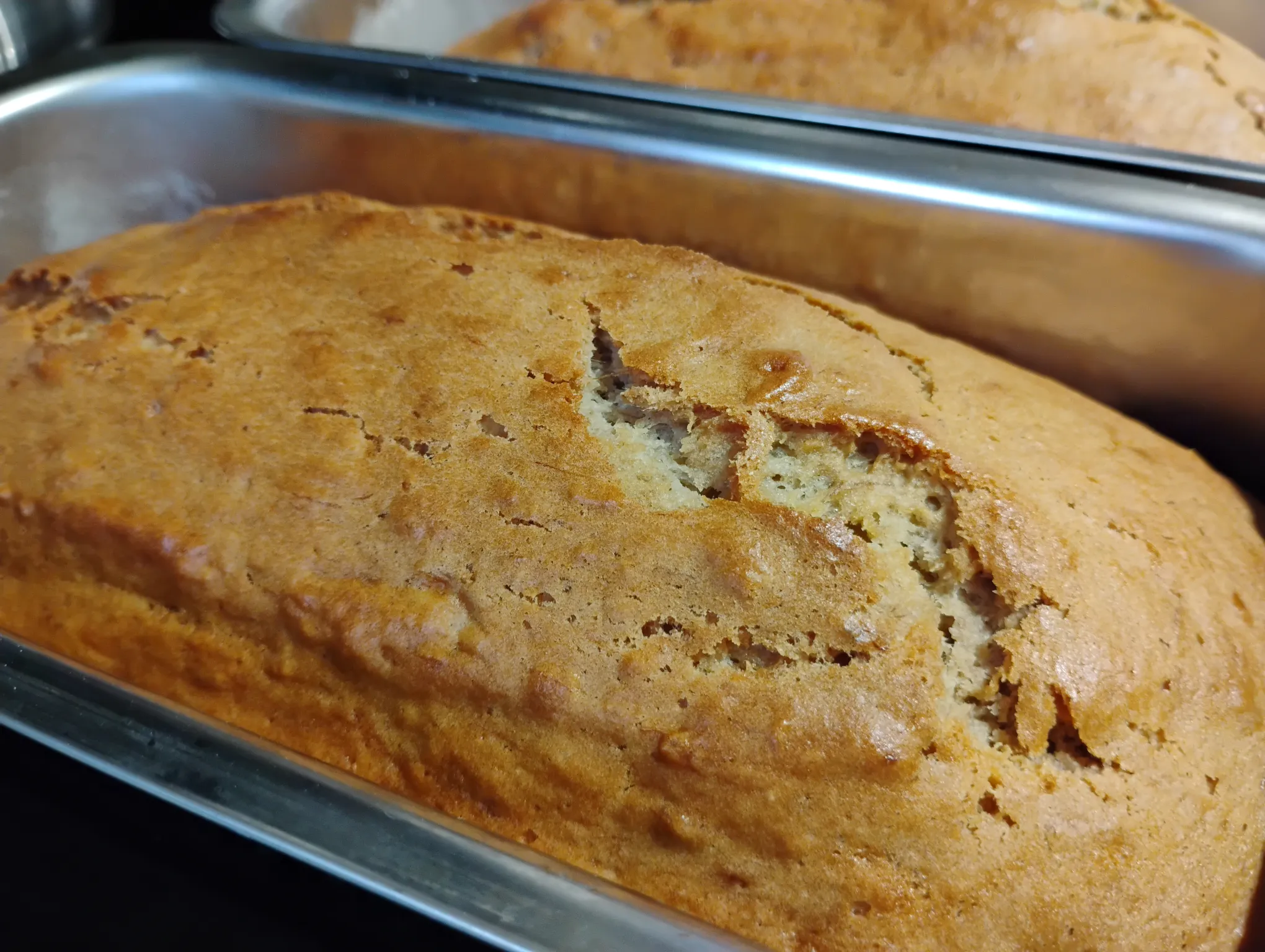
Classic Banana Bread is a soft, moist quick bread with a golden exterior and a tender interior filled with the sweet aroma of ripe bananas. Melted butter gives it a rich flavor, while vanilla adds warmth and optional cinnamon provides a gentle spice note.
The texture is the recipe’s defining feature. The center remains soft and moist, while the top develops a lightly crisp crust during baking. Chopped walnuts or pecans create pockets of crunch, and chocolate chips add a sweeter, dessert-like variation.
Because the batter is prepared without yeast, there is no need for proofing or lengthy preparation. The ingredients are mixed, poured into a loaf pan, and baked until the center is set.
The finished loaf is versatile enough for breakfast, an afternoon snack, or a simple dessert. It can be enjoyed at room temperature, warmed gently, or toasted to bring out its buttery flavor. Its familiar taste and straightforward preparation make it a reliable recipe for both beginner bakers and experienced home cooks.
Nutritional Information
The following values are approximate estimates per slice, assuming the loaf makes 10 servings and the optional nuts or chocolate chips are not included.
- Calories: approximately 240–270
- Protein: approximately 4 g
- Carbohydrates: approximately 35–40 g
- Fat: approximately 10–12 g
- Fiber: approximately 1–2 g
- Sugars: approximately 17–22 g
The exact nutritional values depend on the size and ripeness of the bananas, the type of ingredients used, and the size of each slice. Adding walnuts, pecans, or chocolate chips will change the calorie, fat, and sugar content.
Bananas contribute carbohydrates, potassium, and small amounts of other nutrients. Eggs provide protein, while flour supplies most of the bread’s carbohydrates. Butter adds richness and contributes to the tender texture.
For a less sweet loaf, you can reduce the sugar modestly, although this may slightly change the flavor and texture. Using whole-wheat flour for part of the all-purpose flour can increase the fiber content, but it may produce a denser result.
These figures are general estimates rather than laboratory-tested nutritional values.
Conclusion
Classic Banana Bread remains a favorite because it combines simple ingredients, easy preparation, and comforting homemade flavor. Ripe bananas provide the signature taste and moisture, while butter, eggs, vanilla, and flour create a tender loaf with a beautifully golden top.
The recipe is also easy to personalize. Add nuts for crunch, chocolate chips for sweetness, or cinnamon for extra warmth. With only a few mixing steps and no special equipment required, it is suitable for everyday baking as well as sharing with family and friends.
For the best results, use very ripe bananas, measure the flour carefully, avoid overmixing, and allow the loaf to cool before slicing. These small details help create a moist interior that holds together beautifully.
Whether enjoyed fresh from the oven after cooling or toasted the next morning, Classic Banana Bread is a practical and satisfying way to turn ripe bananas into something delicious.
Recommendation
Serve Classic Banana Bread as part of a relaxed breakfast, an afternoon coffee break, or a simple dessert. A lightly toasted slice with butter is a classic choice, while peanut butter or almond butter can add a savory contrast.
If preparing the loaf for later, let it cool completely before storing it in an airtight container. This prevents trapped steam from making the crust damp. For longer storage, slice the bread and freeze the slices in a freezer-safe container or bag, separating them with parchment paper if needed. Thaw individual slices at room temperature or warm them gently before serving.
For gatherings, bake the loaf a day ahead so the flavors have time to settle, then slice it just before serving. You can also offer plain banana bread alongside a small selection of optional toppings, allowing everyone to customize their portion.
If you are experimenting with additions, begin with one variation at a time so you can see how it affects the loaf’s sweetness and texture.
Embracing Healthful Indulgence
Homemade banana bread can be enjoyed as part of a varied eating pattern. It combines ripe fruit with familiar baking ingredients to create a treat that is satisfying, convenient, and easy to share.
You can adjust the recipe to match your preferences by reducing the added sugar slightly, adding nuts, or replacing a portion of the all-purpose flour with whole-wheat flour. Each change will influence the flavor and texture, so small adjustments are a good starting point.
The appeal of Classic Banana Bread lies in its balance of simplicity, versatility, and comfort. Whether you enjoy a slice with your morning coffee or save it for an afternoon snack, this homemade loaf offers a delicious way to make use of ripe bananas and enjoy the pleasure of baking.