
Introduction
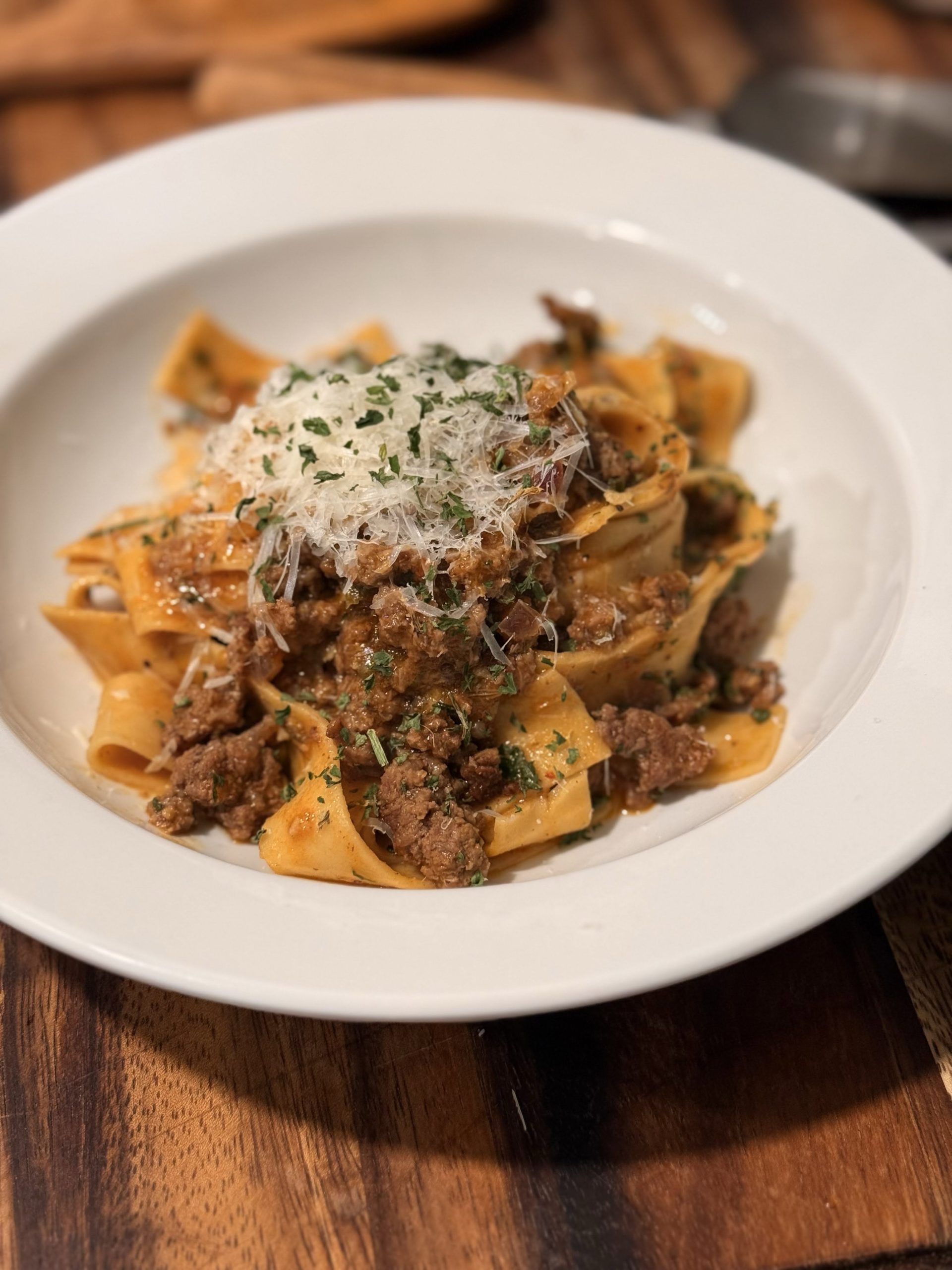
Few pasta dishes are as comforting and satisfying as a generous bowl of Pappardelle Bolognese. This Italian-inspired classic combines wide ribbons of tender egg pasta with a rich, slow-simmered beef ragù made from ground meat, aromatic vegetables, tomatoes, red wine, and fresh herbs.
The secret to its incredible flavor lies in patience. As the sauce simmers gently, the meat becomes tender, the vegetables soften, and the ingredients develop a deep, savory richness. A splash of whole milk rounds out the tomato acidity, while Parmesan cheese adds a deliciously salty finish.
Perfect for cozy family dinners, special occasions, or weekend cooking, this restaurant-style pasta dish delivers an unforgettable combination of hearty flavor, silky texture, and comforting Italian tradition.
Origin and Cultural Significance
Bolognese sauce, traditionally known as ragù alla bolognese, originates from Bologna, a historic city in the Emilia-Romagna region of northern Italy.
Unlike many tomato-heavy meat sauces found outside Italy, traditional Bolognese emphasizes slowly cooked meat, finely chopped aromatic vegetables, wine, and a relatively modest amount of tomato. Milk is sometimes incorporated to soften the acidity and contribute a rounded, delicate flavor.
In Bologna, ragù is most famously served with tagliatelle, another type of flat egg pasta. Pappardelle, which consists of wider ribbons, is also an excellent choice for rich meat sauces because its broad surface catches and holds the ragù beautifully.
This recipe is a traditional-inspired interpretation, combining the essential flavors of Italian ragù with pappardelle, tomatoes, rosemary, and Parmesan for a hearty homemade meal.
Ingredients
For the Slow-Simmered Beef Ragù
- 1 lb (450 g) lean ground beef
- Optional alternative: ½ lb (225 g) ground beef and ½ lb (225 g) ground pork
- 1 medium yellow onion, finely diced
- 1 large carrot, finely diced
- 1 celery stalk, finely diced
- 3 garlic cloves, minced
- 2 tablespoons olive oil
- 1 tablespoon unsalted butter
- 2 tablespoons tomato paste
- 1 can (14 oz / 400 g) crushed tomatoes or whole peeled plum tomatoes, crushed by hand
- ½ cup (120 ml) dry red wine, such as Chianti or Cabernet Sauvignon
- 1 cup (240 ml) beef stock
- ¼ cup (60 ml) whole milk
- 2 fresh bay leaves
- 1 small sprig fresh rosemary
- ½ teaspoon salt, or to taste
- ½ teaspoon freshly ground black pepper
For the Pappardelle
- 12 oz (340 g) dried pappardelle pasta, or an equivalent amount of fresh pasta
- Water, for boiling
- Salt, for the pasta water
- ½ cup reserved pasta cooking water, as needed
For Garnish
- ½ cup finely grated Parmigiano-Reggiano, or to taste
- 2 tablespoons freshly chopped flat-leaf parsley
- Extra freshly ground black pepper, optional
- A drizzle of extra-virgin olive oil, optional
Optional Additions
- Pancetta: Add finely diced pancetta before browning the meat for additional savory depth.
- Ground pork: Combine with beef for a richer, more traditional-inspired ragù.
- Fresh thyme: Adds a delicate herbal aroma.
- A pinch of nutmeg: Complements the milk and meat.
- Mushrooms: Finely chopped mushrooms contribute an earthy, umami flavor.
- Extra Parmesan: Stir a little into the finished pasta for a richer coating.
- Chili flakes: Add a small pinch for gentle heat.
- Alcohol-free alternative: Replace the red wine with additional beef stock and a small splash of balsamic vinegar for acidity.
Tips for Success
- Use a heavy-bottomed pot: A Dutch oven or thick saucepan distributes heat evenly and reduces the risk of scorching during the long simmer.
- Brown the meat properly: Allowing the meat to develop golden-brown edges creates a deeper, more savory flavor.
- Dice the vegetables finely: Small pieces soften into the sauce, creating a cohesive texture.
- Cook the tomato paste: Briefly frying it deepens its flavor and reduces its raw taste.
- Reduce the wine: Letting the wine simmer before adding the remaining liquids concentrates its flavor.
- Simmer gently: A slow, steady simmer develops tenderness and richness without drying out the meat.
- Stir occasionally: Check the bottom of the pot and add a splash of stock or water if the sauce becomes too thick.
- Cook pasta until al dente: The pappardelle should retain a slight bite because it will finish cooking when tossed with the sauce.
- Save pasta water: Its starch helps loosen the ragù and creates a glossy coating on the pasta.
- Use freshly grated Parmesan: It melts and distributes more evenly than many packaged grated cheeses.
Instructions
Step 1: Prepare the Ingredients
Finely dice the onion, carrot, and celery into small, even pieces.
Mince the garlic and set it aside. Measure the tomato paste, wine, beef stock, and milk so everything is ready before cooking.
If using whole peeled tomatoes, crush them gently by hand or with a spoon.
Pat the ground meat dry if necessary to remove excess surface moisture.
Step 2: Brown the Ground Meat
Heat the olive oil and butter in a large, heavy-bottomed pot or Dutch oven over medium-high heat.
Add the ground beef, or the beef-and-pork mixture, spreading it evenly across the bottom of the pot.
Allow the meat to cook undisturbed for a few minutes so it develops a browned surface.
Break it apart with a wooden spoon and continue cooking for approximately 6–8 minutes, until the meat is well browned and no pink remains.
If excessive fat collects in the pot, carefully remove some, leaving approximately one tablespoon for flavor.
Step 3: Build the Soffritto
Reduce the heat to medium.
Add the finely diced onion, carrot, and celery directly to the browned meat.
Cook for 6–8 minutes, stirring occasionally, until the vegetables soften and the onion becomes translucent.
The vegetables should develop a gentle sweetness without burning.
Add the minced garlic and cook for another minute, stirring continuously until fragrant.
Step 4: Cook the Tomato Paste
Push the meat and vegetables slightly to one side of the pot, creating a small space on the bottom.
Add the tomato paste directly to the exposed surface.
Cook for approximately 1–2 minutes, stirring occasionally, until it darkens to a deeper brick-red color.
Mix the tomato paste thoroughly into the meat and vegetables.
This step helps build the sauce’s rich, savory flavor.
Step 5: Deglaze with Red Wine
Pour the red wine into the pot.
Use a wooden spoon to scrape up the browned bits from the bottom, incorporating them into the sauce.
Allow the wine to simmer for approximately 3–5 minutes, until reduced by about half.
This concentrates the flavor and creates a rich foundation for the ragù.
Step 6: Add the Tomatoes, Stock, and Aromatics
Stir in the crushed tomatoes and beef stock.
Add the whole milk, bay leaves, and rosemary sprig.
Season with salt and freshly ground black pepper.
Mix everything thoroughly and bring the sauce to a gentle simmer.
Step 7: Slowly Simmer the Beef Ragù
Reduce the heat to low.
Cover the pot with a lid slightly ajar, allowing some steam to escape.
Let the sauce simmer gently for approximately 1½–2 hours, stirring every 20–30 minutes.
As it cooks, the meat will become more tender, the vegetables will soften further, and the sauce will gradually thicken.
If the ragù becomes too thick, add a small splash of water or beef stock.
Taste near the end of cooking and adjust the salt and pepper as needed.
The finished ragù should be rich, thick, and spoonable rather than watery.
Step 8: Cook the Pappardelle
When the sauce is nearly ready, bring a large pot of generously salted water to a rolling boil.
Add the pappardelle and cook according to the package instructions until just al dente.
Dried pappardelle typically requires several minutes, while fresh pasta often cooks much more quickly.
Before draining, reserve approximately ½ cup of the starchy pasta cooking water.
Drain the pasta gently, taking care not to break the wide ribbons.
Step 9: Combine the Pasta and Ragù
Remove and discard the bay leaves and rosemary sprig from the sauce.
Add the drained pappardelle directly to the pot of warm ragù.
Using pasta tongs, gently toss the pasta until every ribbon is coated in the rich meat sauce.
If the sauce feels too thick, add a small splash of reserved pasta water.
Continue tossing over low heat for approximately 1 minute, allowing the sauce to cling beautifully to the pasta.
Step 10: Plate and Garnish
Divide the pappardelle among four warm, wide pasta bowls.
Use tongs to twirl the ribbons into generous nests, spooning additional ragù over the top.
Sprinkle each serving with freshly grated Parmigiano-Reggiano and chopped flat-leaf parsley.
Finish with a little freshly ground black pepper and, if desired, a light drizzle of extra-virgin olive oil.
Serve immediately while the pasta is hot and the sauce is rich and glossy.
Description
This Pappardelle Bolognese features broad ribbons of tender egg pasta coated in a deeply savory, slow-cooked meat ragù.
The ground beef provides a hearty foundation, while the classic soffritto of onion, carrot, and celery adds natural sweetness and aromatic depth. Tomato paste and crushed tomatoes contribute richness and acidity, balanced by the wine, beef stock, and a small amount of whole milk.
Fresh rosemary and bay leaves infuse the sauce with subtle herbal notes, while grated Parmesan adds a salty, nutty finish.
The wide pappardelle ribbons capture the thick ragù beautifully, creating a satisfying combination of tender pasta and rich, flavorful sauce in every bite.
Nutritional Information
Approximate values per serving, assuming four servings, lean ground beef, dried pappardelle, and a moderate amount of Parmesan.
- Calories: 650–780 kcal
- Protein: 38–45 g
- Carbohydrates: 70–80 g
- Fat: 20–30 g
- Fiber: 5–7 g
- Sugar: 7–10 g
- Sodium: 750–1,100 mg
Actual nutritional values depend on the meat’s fat content, pasta brand, stock, amount of Parmesan, and portion size.
Recipe Details
- Prep Time: 15–20 minutes
- Cook Time: Approximately 2 hours
- Total Time: Approximately 2 hours 15–20 minutes
- Servings: 4
- Cuisine: Italian
- Course: Main course
- Cooking Method: Browning, sautéing, slow-simmering, and boiling
- Difficulty: Moderate
Conclusion
Classic Pappardelle Bolognese is a celebration of slow cooking, simple ingredients, and rich Italian-inspired flavors.
The combination of tender beef ragù, aromatic vegetables, tomatoes, wine, and fresh herbs creates a deeply satisfying sauce that pairs perfectly with wide egg pasta.
Finished with freshly grated Parmesan and chopped parsley, this dish offers the warmth and comfort of a traditional homemade Italian meal.
Whether prepared for a family dinner, a special gathering, or a relaxed weekend evening, Pappardelle Bolognese is a timeless comfort-food favorite worth taking the time to make.
Recommendation
Serving: Serve the pasta immediately in warm bowls with freshly grated Parmesan and chopped parsley. Pair with a simple green salad, roasted vegetables, or crusty bread.
Make-ahead preparation: The ragù can be prepared one or two days in advance. In fact, its flavor often becomes more developed after resting overnight in the refrigerator. Cook the pappardelle fresh just before serving.
Storage: Allow leftover ragù to cool slightly, then refrigerate in an airtight container within two hours. Consume within three to four days. Store pasta separately when possible to prevent it from absorbing too much sauce.
Reheating: Warm the ragù gently in a saucepan over medium-low heat, adding a splash of water or beef stock if needed. Reheat until steaming hot throughout. Toss with freshly cooked pasta for the best texture.
Freezing: The meat ragù freezes well for approximately two to three months for best quality. Allow it to cool, divide into airtight freezer-safe containers, and freeze without the pasta. Thaw in the refrigerator before reheating.
Food safety: Cook ground beef to a safe internal temperature of 160°F (71°C). If using ground pork, the same minimum temperature applies. Refrigerate leftovers promptly and reheat them thoroughly before serving.
Embracing Healthful Indulgence
Pappardelle Bolognese offers a satisfying combination of protein, carbohydrates, and flavorful vegetables.
Ground beef contributes protein, iron, zinc, and vitamin B12, while the onion, carrot, celery, and tomatoes add fiber, vitamins, and beneficial plant compounds.
For a lighter version, choose lean ground beef, reduce the butter slightly, and serve the pasta with a generous side of vegetables. Whole-wheat pasta can also increase the fiber content, although it will create a somewhat different texture from traditional egg pappardelle.
A balanced portion of pasta, rich homemade ragù, and fresh vegetables makes this comforting Italian-inspired dish an enjoyable part of a varied diet.
Above all, this recipe demonstrates that some of the most memorable meals come from simple ingredients, careful preparation, and the patience to let flavors develop naturally.