
Introduction
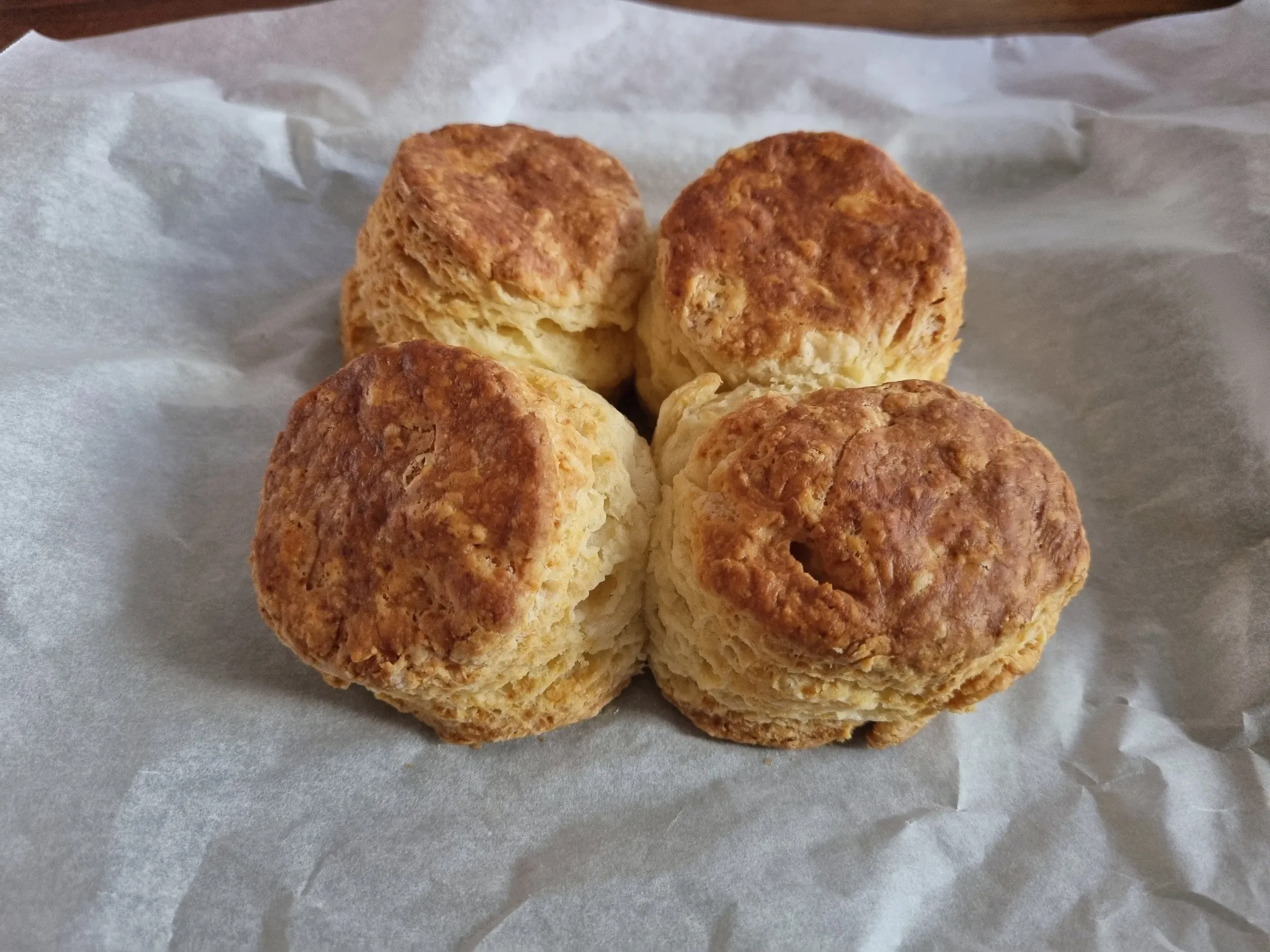
Homemade Southern Buttermilk Biscuits are a classic comfort food known for their golden tops, tender centers, and delicate, buttery layers. Made with simple pantry ingredients, cold butter, and tangy buttermilk, these biscuits rise beautifully in the oven and develop a soft, fluffy interior with a lightly crisp exterior.
The secret to achieving their signature texture is keeping the butter cold, handling the dough gently, and folding it several times to create layers. Baking powder and baking soda help the biscuits rise, while buttermilk adds moisture and a subtle tang that complements the rich butter flavor.
These homemade biscuits are perfect for breakfast, brunch, or dinner. Serve them warm with honey, fruit jam, scrambled eggs, or creamy sausage gravy, or pair them with soups, stews, and roasted dishes for a comforting homemade meal.
Best of all, this recipe takes approximately 30 minutes from preparation to serving, making it an excellent choice when you want freshly baked biscuits without spending hours in the kitchen.
Origin
Southern buttermilk biscuits are closely associated with the American South, where biscuits became an important part of everyday home cooking. Their development was influenced by European baking traditions and the increasing availability of refined flour and chemical leavening agents during the nineteenth century.
Before baking powder became widely available, many breads relied on yeast or other traditional leavening methods. Chemical leaveners made it possible to prepare quick breads without waiting for dough to rise, helping biscuits become a practical choice for busy households.
Buttermilk became a popular ingredient because it added moisture and a pleasant tang while reacting with baking soda to help the dough rise. Over time, cooks developed their own methods for incorporating fat, folding dough, and baking biscuits until golden.
Today, Southern-style biscuits remain a familiar feature of American comfort food, enjoyed at family breakfasts, restaurants, holiday gatherings, and everyday meals.
Cultural Significance
Biscuits hold a special place in Southern American cooking because they are versatile, economical, and closely connected to home-style meals. They can be served with sweet toppings for breakfast or paired with savory dishes throughout the day.
In many households, biscuits are associated with family recipes passed from one generation to the next. Some cooks prefer tall, soft biscuits made with layers of cold butter, while others favor a more rustic texture or use traditional shortening-based recipes.
Buttermilk biscuits are also closely linked to Southern dishes such as biscuits and gravy, fried chicken meals, and hearty country breakfasts. Their mild flavor makes them an ideal accompaniment to rich gravies, preserves, honey, and savory fillings.
This homemade version celebrates that tradition with a straightforward ingredient list and a folding technique that helps create tender, flaky layers.
Ingredients and Quantities
- 2½ cups all-purpose flour (approximately 300–315 g)
- 1 tablespoon baking powder
- ½ teaspoon baking soda
- 1 tablespoon granulated sugar
- 1 teaspoon salt
- ½ cup unsalted butter, very cold and cubed (113 g)
- 1 cup cold buttermilk (240 ml)
- 2 tablespoons melted butter, for brushing (approximately 28 g)
- 1 tablespoon all-purpose flour, for dusting the work surface
Ingredient Notes
All-purpose flour: Provides the structure needed for biscuits that hold their shape while remaining tender. Measure carefully to avoid adding too much flour, which can make the biscuits dry.
Cold butter: Essential for creating flaky layers. Small pieces of butter remain distributed throughout the dough and release moisture as they bake, helping form a light texture.
Buttermilk: Adds moisture, tenderness, and a subtle tang. Its acidity also reacts with the baking soda to support leavening.
Baking powder and baking soda: Work together to help the biscuits rise. Check that your leavening agents are fresh for the best results.
Sugar: Adds a touch of sweetness and helps the tops develop a golden color without making the biscuits taste like dessert.
Melted butter: Brushed over the hot biscuits, it adds shine and a richer buttery finish.
Optional Additions
Cheddar cheese: Fold in approximately ½ cup of shredded sharp cheddar for savory cheese biscuits. Add it after cutting the butter into the flour.
Fresh herbs: Add one or two tablespoons of finely chopped chives, parsley, or thyme for an aromatic variation.
Garlic butter: Mix a small amount of garlic powder into the melted butter used for brushing the tops.
Black pepper: Add freshly ground black pepper to the dry ingredients for a subtle savory note.
Honey butter: Mix softened butter with a little honey and serve alongside the warm biscuits for a sweet breakfast option.
Buttermilk substitute: If you do not have buttermilk, combine 1 tablespoon of lemon juice or white vinegar with enough milk to make 1 cup. Let it stand for five to ten minutes before using. The texture and flavor may differ slightly from traditional buttermilk.
Tips for Success
1. Keep the Butter Very Cold
Cold butter is one of the most important ingredients for flaky biscuits. If it becomes too soft before baking, the dough may lose some of its layered texture.
Cut the butter into small cubes and refrigerate it until needed. If your kitchen is warm, chill the mixing bowl and return the dough to the refrigerator briefly if the butter begins to soften.
2. Avoid Overworking the Dough
Mix the buttermilk into the flour just until a shaggy dough forms. A rough appearance is normal. Excessive mixing can develop too much gluten, resulting in dense or chewy biscuits.
3. Use a Light Touch When Folding
Folding the dough several times creates layers without requiring complicated techniques. Pat rather than aggressively roll the dough, and avoid pressing out all the air.
4. Do Not Twist the Biscuit Cutter
Press the cutter straight down and lift it straight up. Twisting can compress the edges and interfere with an even rise.
5. Arrange the Biscuits Close Together
Placing the biscuit rounds close together on the baking sheet helps their sides support one another as they rise. Leave them slightly separated if you prefer more browned edges all around.
6. Measure the Flour Carefully
Too much flour can make biscuits dry and heavy. For the most consistent result, use a kitchen scale. If measuring with cups, spoon the flour into the measuring cup and level it without packing it down.
7. Bake in a Fully Preheated Oven
A hot oven helps the butter release moisture quickly and encourages the biscuits to rise. Preheat the oven completely before placing the baking sheet inside.
8. Brush with Butter While Hot
Brushing the biscuits immediately after baking allows the melted butter to coat the warm tops and enhances their flavor.
Instructions
Step 1: Prepare the Dry Ingredients
Preheat the oven to 425°F (220°C). Line a baking sheet with parchment paper.
In a large mixing bowl, whisk together the all-purpose flour, baking powder, baking soda, sugar, and salt until evenly combined.
Whisking the dry ingredients first helps distribute the leavening agents throughout the flour, allowing the biscuits to rise more evenly.
Step 2: Cut in the Cold Butter
Add the cold, cubed butter to the flour mixture.
Using a pastry cutter, two forks, or your fingertips, work the butter into the flour until the mixture resembles coarse crumbs. Leave some pea-sized pieces of butter visible rather than blending everything into a fine powder.
These small pieces help create the biscuits’ characteristic flaky texture as the butter melts during baking.
Step 3: Add the Buttermilk
Pour the cold buttermilk into the flour mixture.
Stir gently with a fork or spatula until a shaggy dough forms. Stop mixing as soon as the ingredients come together and no large patches of dry flour remain.
The dough should be slightly rough and moist rather than perfectly smooth. If it seems unusually dry, add a small splash of buttermilk; if it is very sticky, use a light dusting of flour when shaping.
Step 4: Fold for Flaky Layers
Transfer the dough to a lightly floured work surface.
Gently pat it into a rectangle approximately 1 inch thick. Fold one side toward the center, then fold the opposite side over it, similar to folding a letter.
Rotate the dough 90 degrees and gently pat it out again. Repeat the folding process two or three times.
Handle the dough as little as possible. The aim is to build distinct layers while keeping the butter cold and the dough tender.
Step 5: Cut the Biscuits
Pat the folded dough into a final rectangle approximately 1 inch thick.
Use a floured biscuit cutter about 2½ inches in diameter to cut out rounds. Press straight down without twisting.
Place the rounds on the prepared baking sheet, arranging them close together if you prefer taller biscuits with soft sides.
Gather any remaining dough gently and pat it together to cut additional biscuits. Avoid repeatedly kneading the scraps, as this can make the final biscuits tougher.
Step 6: Bake Until Golden Brown
Place the baking sheet in the preheated oven.
Bake for approximately 12–16 minutes, or until the biscuits have risen and their tops are golden brown. Baking time may vary depending on the size of the biscuits and your oven.
If the oven heats unevenly, rotate the baking sheet halfway through baking. The centers should be fully baked while the interiors remain soft and tender.
Step 7: Brush with Melted Butter
Remove the biscuits from the oven and immediately brush the tops with the melted butter.
The butter creates a glossy finish and adds a rich flavor to the golden crust.
Allow the biscuits to rest for about five minutes before serving. This brief rest helps them settle while keeping the centers warm and fluffy.
Step 8: Serve Warm and Fluffy
Arrange the biscuits in a basket or on a serving plate.
Split them open to reveal the tender layers, then serve warm with butter, honey, fruit jam, scrambled eggs, or sausage gravy.
For a savory meal, serve them alongside soup, stew, roasted chicken, or a hearty breakfast plate. For a sweet option, add honey butter or your favorite fruit preserves.
Description
Homemade Southern Buttermilk Biscuits with Flaky, Golden Layers are tender, buttery quick breads with crisp golden tops and soft, fluffy centers. Cold butter and tangy buttermilk create the rich flavor and delicate texture that make these biscuits a beloved comfort food.
A simple combination of flour, baking powder, baking soda, and a few pantry staples produces a dough that rises beautifully in a hot oven. Gentle folding helps create distinct layers, while brushing the finished biscuits with melted butter gives them an appealing shine.
These biscuits are delicious fresh from the oven and can be served with both sweet and savory dishes. Whether enjoyed with honey at breakfast or paired with gravy at dinner, they offer a classic homemade flavor that is difficult to beat.
Recipe details
- Preparation time: 15 minutes
- Cooking time: 15 minutes
- Total time: 30 minutes
- Yield: Approximately 8 biscuits
- Cuisine: Southern American
- Course: Breakfast, brunch, or side dish
- Cooking method: Baking
Nutritional Information
The following values are estimates and may vary depending on the exact flour measurement, butter brand, biscuit size, and amount of melted butter used for brushing.
Estimated nutrition per biscuit, assuming 8 biscuits:
- Calories: approximately 260–290
- Protein: approximately 4–6 g
- Carbohydrates: approximately 30–35 g
- Fat: approximately 12–15 g
- Fiber: approximately 1 g
- Sodium: variable, depending on the salt and baking powder used
These biscuits provide carbohydrates from flour and fat from butter. Buttermilk contributes some protein and calcium, although the amount per biscuit is modest.
For a balanced meal, pair a biscuit with eggs, yogurt, fruit, or another source of protein, depending on whether you are serving it for breakfast or as a side dish.
Storage and Food Safety
Room-temperature storage: Allow the biscuits to cool before placing them in an airtight container. Store at room temperature for up to two days in a cool, dry environment.
Refrigeration: Refrigeration is generally unnecessary for plain biscuits and may cause them to dry out. If serving them with perishable fillings or toppings, refrigerate those components separately.
Freezing: Freeze completely cooled biscuits in a freezer-safe bag or airtight container for up to three months for best quality. Separate layers with parchment paper if stacking them.
Reheating: Warm biscuits in a 300°F (150°C) oven for approximately five to eight minutes, or until heated through. Frozen biscuits can be thawed first or reheated for longer. A small amount of butter brushed on top can help refresh their texture.
Dough handling: Keep the butter and buttermilk cold while preparing the dough. If the dough becomes very warm or greasy, refrigerate it briefly before cutting and baking.
Allergen note: This recipe contains wheat and dairy. Anyone with a milk allergy or wheat allergy should use appropriate alternatives and avoid cross-contact.
Conclusion
Homemade Southern Buttermilk Biscuits are a wonderful example of how simple ingredients can create something special. Their golden tops, buttery flavor, and soft layers make them suitable for everything from a relaxed weekend breakfast to a comforting family dinner.
The most important techniques are keeping the butter cold, mixing the dough gently, folding it to create layers, and baking in a fully preheated oven. Once you master these steps, you can easily adapt the recipe with cheese, herbs, or other additions.
Freshly baked and served warm, these biscuits bring classic Southern-inspired comfort to the table in just 30 minutes.
Recommendation
For the best texture, serve the biscuits shortly after baking while their centers are still warm and their tops remain lightly crisp. Pair them with honey, fruit preserves, or cinnamon butter for a sweet breakfast, or enjoy them with scrambled eggs and gravy for a savory meal.
If you want extra-flaky biscuits, pay particular attention to the cold butter and folding technique. For a more rustic result, use a light hand when bringing the dough together and avoid overworking the scraps.
You can also prepare the dry ingredient mixture ahead of time and store it in an airtight container. When you’re ready to bake, cut in the cold butter and add the buttermilk just before shaping the dough.
Embracing Healthful Indulgence
Homemade biscuits can be enjoyed as part of a varied eating pattern. Their buttery flavor and tender texture make them satisfying, and serving them alongside protein-rich foods and fruit or vegetables can create a more balanced meal.
If you prefer smaller portions, cut the dough into slightly smaller rounds and adjust the baking time, checking for golden tops and fully baked centers. You can also experiment with reducing the sugar slightly, although the flavor and browning may change.
The goal is not to lose the qualities that make biscuits special, but to enjoy them in a way that suits your preferences. With a few simple ingredients and careful handling, these Southern-inspired biscuits are an inviting homemade treat for breakfast, brunch, or dinner.