
Introduction
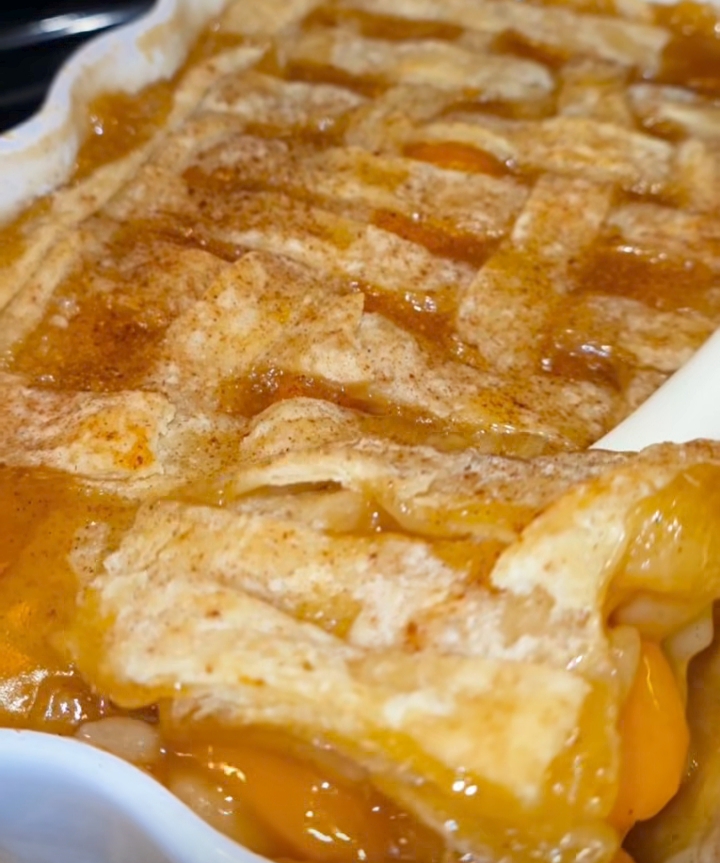
Old-Fashioned Southern Peach Cobbler with a Lattice Pie Crust is a comforting dessert that combines juicy peaches, warm spices, and buttery pastry in one irresistible dish. The peach filling becomes thick and syrupy as it bakes, while the lattice crust turns beautifully golden and flaky, allowing the bubbling fruit to peek through.
Made with fresh or canned peaches, brown sugar, cinnamon, nutmeg, and a touch of vanilla, this dessert delivers the classic flavors of homemade Southern baking. A little lemon juice balances the sweetness, while butter adds richness to the fruit filling.
Unlike cobblers topped with biscuits or cake-like batter, this version features a traditional pie crust arranged in a decorative lattice pattern. It looks impressive enough for holidays and family gatherings but is simple enough to prepare for a weekend dessert.
Serve it warm with a scoop of vanilla ice cream or a spoonful of whipped cream for a classic combination that celebrates the comforting taste of homemade peach cobbler.
Origin
Peach cobbler is closely associated with the culinary traditions of the American South, where peaches have long been a popular seasonal fruit. Southern cooks developed many variations of fruit cobblers using ingredients that were readily available, including fresh fruit, sugar, butter, and pastry or biscuit dough.
The name “cobbler” is often associated with the dessert’s rustic appearance. Unlike a traditional pie, which typically has a carefully fitted top crust, cobblers can feature a variety of toppings, from biscuits and cake-like batter to pastry.
Over time, regional and family recipes developed their own distinctive styles. Some Southern cobblers are made with a biscuit topping, while others use pastry crusts to create a dessert closer to a deep-dish fruit pie.
This lattice-crust version combines the bubbling fruit filling associated with cobbler with the decorative appearance of a classic pie. It is a delicious interpretation of a familiar Southern dessert, although recipes and traditions vary from one household to another.
Cultural Significance
Peach desserts have a special place in Southern American cooking, particularly during the summer when fresh peaches are in season. Peach cobbler is often served at family dinners, church gatherings, picnics, holiday celebrations, and other occasions when a homemade dessert brings people together.
Its appeal comes from the simplicity of its ingredients and the way they transform during baking. Peaches soften into a sweet, fragrant filling, while sugar and spices create a rich syrup that coats the fruit.
The lattice crust adds a traditional pie-making touch to the dessert. Its golden strips of pastry create an attractive finish without hiding the peaches beneath them.
Whether made with freshly picked peaches or convenient canned fruit, this cobbler offers a taste of home-style baking that can be shared with family and friends throughout the year.
Ingredients Quantity
This recipe makes approximately 8 servings.
For the Peach Filling
- 5–6 cups fresh peaches, peeled and sliced, or 2 large cans (29 ounces each) sliced peaches, drained
- ½ cup granulated sugar
- ½ cup packed light brown sugar
- 4 tablespoons unsalted butter, cut into small cubes
- 2–3 tablespoons cornstarch
- 1 teaspoon ground cinnamon
- ¼ teaspoon ground nutmeg
- 1 tablespoon lemon juice
- 1 teaspoon vanilla extract
For the Pastry and Topping
- 1 package refrigerated pie crusts containing 2 crusts, or enough homemade double pie crust for the baking dish
- 1 large egg
- 1 tablespoon water
- 1 tablespoon coarse or granulated sugar, for sprinkling
Ingredient Notes
Peaches: Fresh, ripe peaches provide excellent flavor and texture. If using canned peaches, drain them thoroughly to prevent an overly watery filling. If the canned peaches are packed in heavy syrup, consider reducing the added sugar.
Cornstarch: This thickens the peach juices into a glossy filling. Use 2 tablespoons for a softer consistency or 3 tablespoons for a thicker filling, especially when the peaches are particularly juicy.
Brown sugar: Light brown sugar contributes a mild molasses flavor that complements the fruit and warm spices.
Pie crust: Refrigerated crusts make this recipe easier to prepare, but homemade pastry can add extra buttery flavor.
Egg wash: Beating the egg with water creates a coating that helps the lattice crust develop an attractive golden color.
Optional Additions
You can personalize this Southern peach cobbler with a few simple ingredients.
- Almond extract: Replace a small amount of the vanilla with almond extract for a subtle, nutty aroma.
- Fresh lemon zest: Add a little lemon zest to brighten the peach flavor.
- Ground ginger: A small pinch adds warmth and complements the cinnamon and nutmeg.
- Fresh berries: Add a handful of blueberries or raspberries for a fruity variation.
- Chopped pecans: Sprinkle a few chopped pecans over the filling before adding the lattice for extra texture.
- Vanilla bean: Use vanilla bean paste instead of vanilla extract for a more pronounced vanilla flavor.
- Caramel sauce: Drizzle a little caramel over individual servings just before serving.
- Vanilla ice cream: Serve each warm portion with a scoop of ice cream for a classic dessert pairing.
For a traditional flavor, keep the filling simple and allow the peaches, brown sugar, cinnamon, and nutmeg to take center stage.
Tips for Success
1. Choose Flavorful Peaches
Use ripe peaches that smell fragrant and yield slightly when gently pressed. Very firm peaches may need additional cooking time, while overly soft peaches can break down quickly.
2. Drain Canned Peaches Thoroughly
Excess liquid can prevent the filling from thickening properly. Drain canned peaches well before mixing them with the sugars and spices. If they are packed in syrup, reduce the added sugar to suit your taste.
3. Adjust the Thickener to the Fruit
Peaches release different amounts of juice depending on their ripeness and whether they are fresh or canned. Start with 2 tablespoons of cornstarch and use 3 tablespoons if you expect a particularly juicy filling.
4. Avoid a Soggy Bottom Crust
If your recipe includes a bottom crust, make sure the peach filling is not excessively watery. You can also briefly pre-bake the bottom crust according to the pastry package instructions, protecting the edges if they begin to brown too quickly.
For a cobbler-style version without a bottom crust, simply place the filling in a greased baking dish and add the lattice on top.
5. Keep the Pastry Cold
Cold pastry is easier to handle and generally produces a flakier crust. If the dough becomes soft or sticky while you make the lattice, refrigerate it for 10–15 minutes before continuing.
6. Weave the Lattice Evenly
Cut the second crust into strips of similar width. Lay half the strips across the filling in one direction, then weave the remaining strips over and under them to create a classic lattice pattern.
If you prefer a simpler design, arrange the strips in a parallel pattern without weaving.
7. Use an Egg Wash
Brush the lattice gently with the beaten egg and water mixture. Sprinkle the coarse or granulated sugar over the top for a lightly crisp, sparkling finish.
8. Protect the Edges
The edges of the pastry may brown before the center is fully baked. If this happens, cover the edges loosely with aluminum foil and continue baking until the filling bubbles and the crust is cooked.
9. Let the Cobbler Rest
Allow the cobbler to rest for at least 30–45 minutes after baking. The filling will continue to thicken as it cools, making the dessert easier to serve.
Instructions
Step 1: Preheat the Oven
Preheat your oven to 375°F (190°C).
Lightly grease a deep 9-by-13-inch baking dish or a similarly sized oven-safe dish. If you are using a smaller, deeper dish, the cobbler may need additional baking time.
Step 2: Prepare the Peaches
If using fresh peaches, peel them, remove the pits, and slice them evenly.
If using canned peaches, drain them thoroughly and pat away excess liquid if necessary.
Place the peaches in a large mixing bowl.
Step 3: Make the Peach Filling
Add the granulated sugar, brown sugar, cornstarch, cinnamon, nutmeg, lemon juice, and vanilla extract to the peaches.
Gently stir until the peaches are evenly coated and the dry ingredients are distributed throughout the mixture.
Transfer the filling to the prepared baking dish. Scatter the cubed butter evenly over the peaches.
Step 4: Prepare the Pie Crust
Unroll one pie crust and place it in the baking dish if you want a bottom-crust version. Trim any excess dough and press it gently into place.
For a cobbler without a bottom crust, skip this step and place the peach filling directly into the greased dish.
Unroll the second pie crust on a lightly floured surface. Use a sharp knife or pastry cutter to cut it into strips approximately ¾–1 inch wide.
Step 5: Create the Lattice Pattern
Arrange half of the pastry strips across the peach filling, leaving small spaces between them.
Fold back every other strip and place a new strip across the center in the opposite direction. Return the folded strips to their original positions, then repeat with the remaining strips until the lattice is complete.
Trim any excess pastry and gently press the ends into the edge of the dish or bottom crust.
Step 6: Apply the Egg Wash
In a small bowl, whisk the egg with 1 tablespoon of water.
Brush the mixture lightly over the pastry strips, taking care not to let too much egg wash pool in the gaps.
Sprinkle the remaining tablespoon of coarse or granulated sugar evenly over the lattice.
Step 7: Bake the Cobbler
Place the dish on the middle rack of the preheated oven.
Bake for approximately 45–60 minutes, or until the pastry is golden brown and the peach filling is visibly bubbling.
Begin checking around 40–45 minutes. If the crust browns too quickly, loosely cover it with aluminum foil and continue baking until the filling is hot and bubbling throughout.
The exact baking time will depend on the depth of the dish, the type of peaches used, and whether you include a bottom crust.
Step 8: Allow the Filling to Set
Remove the cobbler from the oven and place it on a heat-safe surface.
Let it rest for 30–45 minutes before serving. This resting period allows the cornstarch to finish thickening the juices and helps prevent the filling from running excessively when scooped.
Step 9: Serve Warm
Spoon the peach cobbler into individual bowls and serve warm.
Add a scoop of vanilla ice cream or a spoonful of whipped cream if desired. The contrast between the warm, spiced peaches and the cool, creamy topping makes this dessert especially enjoyable.
Description
Old-Fashioned Southern Peach Cobbler with a Lattice Pie Crust is a classic-inspired dessert featuring tender peaches baked in a sweet cinnamon-nutmeg syrup beneath a flaky, golden pastry topping.
The peach filling is rich and fruity, with brown sugar adding a caramel-like depth and lemon juice balancing the sweetness. The lattice crust provides a buttery crunch while allowing the bubbling peaches to remain visible.
Every serving offers a comforting combination of soft fruit and crisp pastry. Enjoy it warm on its own or pair it with vanilla ice cream for a dessert that feels both rustic and special.
Nutritional Information
The following nutritional values are estimates for one serving, assuming the recipe makes 8 servings. Actual values will vary depending on the type of peaches, pie crust, amount of added sugar, and whether you include a bottom crust.
Estimated nutrition per serving:
- Calories: 350–500
- Protein: 3–6 g
- Carbohydrates: 55–75 g
- Fat: 12–22 g
- Saturated Fat: 5–10 g
- Sugar: 30–50 g
- Fiber: 2–4 g
- Sodium: 200–450 mg
Peaches provide fiber and naturally occurring vitamins, while the pastry, butter, and sugars contribute much of the dessert’s energy.
These figures are general estimates rather than laboratory-tested values. For more accurate information, calculate the nutrition using the exact products and quantities you use.
Conclusion
Old-Fashioned Southern Peach Cobbler with a Lattice Pie Crust brings together the comforting flavor of baked peaches and the buttery texture of homemade-style pastry. Cinnamon, nutmeg, brown sugar, and vanilla create a fragrant filling, while the lattice topping adds an attractive golden finish.
The recipe is flexible enough for fresh summer peaches or canned peaches during colder months. Although the lattice looks impressive, refrigerated pie crust makes it approachable for home bakers of different skill levels.
Serve it at a family dinner, bring it to a gathering, or prepare it as a weekend treat. With its bubbling fruit filling and flaky crust, this peach cobbler is a dessert worth sharing.
Recommendation
For the best flavor, use ripe fresh peaches when they are in season. If using canned peaches, drain them thoroughly and reduce the added sugar if they are packed in syrup.
Bake until the filling bubbles and the pastry is golden, then allow the cobbler to rest before serving. This helps the filling thicken and makes each portion easier to scoop.
For a memorable dessert, serve each portion warm with vanilla ice cream. You can also prepare the filling in advance and refrigerate it until you are ready to assemble and bake the cobbler.
Store leftover cobbler in a covered container in the refrigerator for up to 3–4 days. Reheat individual portions in the oven to help restore some of the pastry’s crispness.
Embracing Healthful Indulgence
Peach cobbler is a traditional comfort dessert made to be enjoyed for its sweet fruit filling and buttery pastry. Peaches contribute fiber and nutrients, while the sugars and crust create the dessert’s familiar richness.
If you would like to adjust the recipe, consider reducing the added sugar slightly when using very ripe peaches, serving smaller portions, or enjoying the cobbler with fresh fruit instead of an additional sweet topping.
You can also focus on seasonal ingredients and share the dessert with family or friends. A balanced approach to eating leaves room for homemade treats, and enjoying a favorite dessert in a satisfying portion can be part of that approach.