
1. Introduction
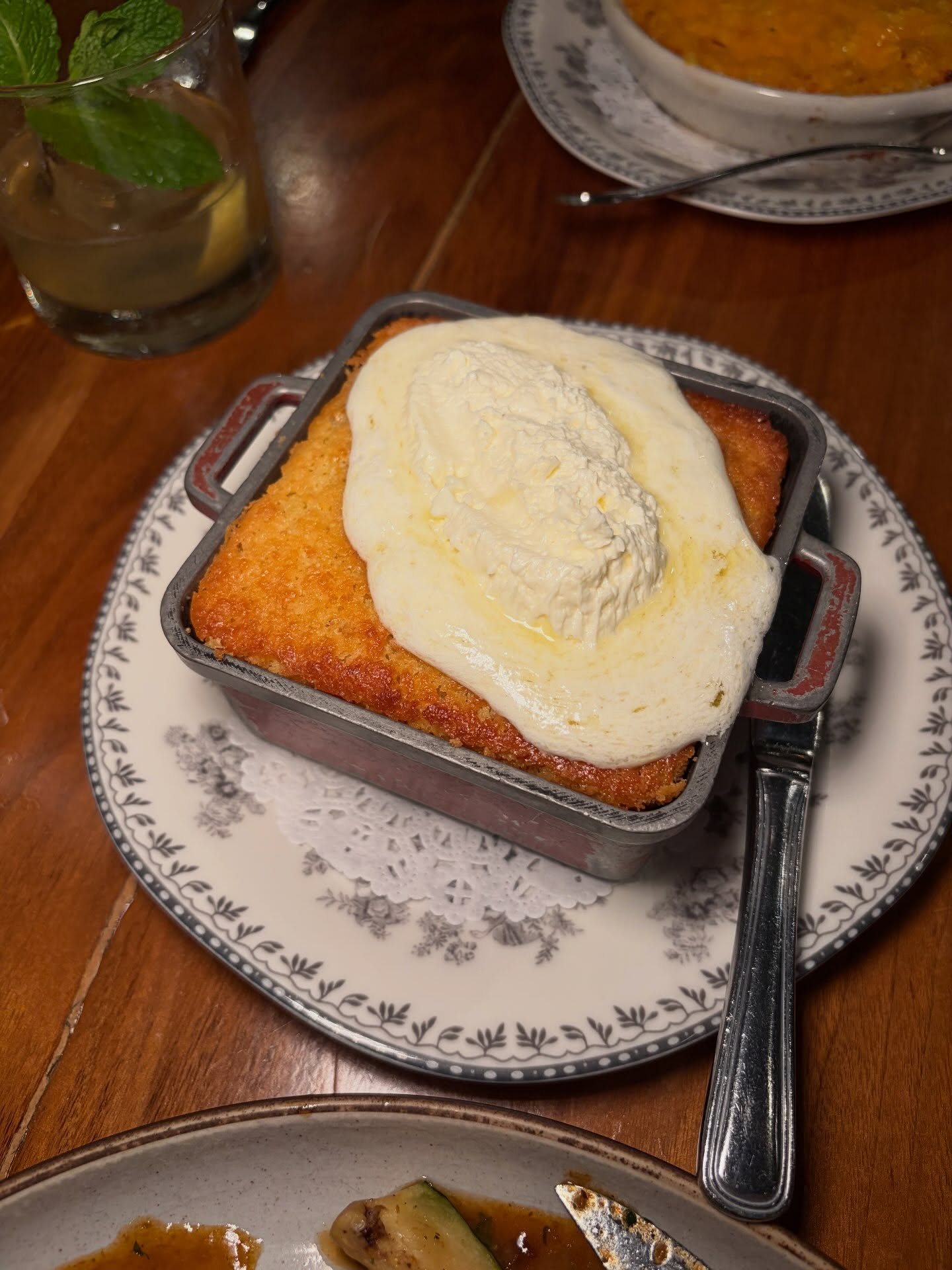
Southern Honey Butter Cornbread is a comforting homemade classic that combines the rustic flavor of yellow cornmeal with the sweetness of honey and the richness of butter. Baked until golden brown, this cornbread develops lightly crisp edges while remaining soft, fluffy, and moist in the center. Every slice offers a delicious balance of sweetness, buttery richness, and the distinctive flavor of cornmeal.
What makes this recipe especially inviting is the homemade whipped honey butter served on top. Made with softened butter, honey, powdered sugar, and a touch of cream, this topping becomes light, smooth, and spreadable. When placed on warm cornbread, it begins to melt into the surface, creating a sweet and creamy finish that makes every bite feel special.
This recipe is ideal for family breakfasts, afternoon snacks, holiday gatherings, and comforting dinners. Serve it alongside chili, vegetable soup, hearty stews, roasted chicken, or your favorite Southern-inspired meal. It is simple enough for everyday baking yet delicious enough to share on special occasions.
With straightforward ingredients and an easy preparation method, this Southern-style honey butter cornbread is an excellent choice for both beginner and experienced home bakers.
2. Origin
Cornbread has deep roots in the culinary history of North America, particularly in the American South. Long before European settlers arrived, Indigenous communities cultivated corn and developed methods for grinding it into meal and preparing it as a staple food. Corn became an important ingredient because it could be grown in many environments, stored in dried form, and transformed into a wide variety of dishes.
As cooking traditions developed across the Southern United States, cornbread became a familiar accompaniment to everyday meals. Recipes varied from household to household, with differences in cornmeal texture, flour content, fat, and sweeteners. Some Southern-style cornbreads emphasize a savory corn flavor, while other versions include sugar, honey, or other ingredients for a sweeter finish.
This honey butter variation is a modern, comforting interpretation of that tradition. It combines cornmeal with all-purpose flour, buttermilk, eggs, melted butter, and a little honey to produce a tender crumb and a balanced sweetness. The whipped honey butter adds an extra layer of richness that makes the finished dish especially suitable for serving warm.
Although sweetened cornbread recipes have become popular in many American kitchens, there is no single recipe that represents every Southern household. This version celebrates the broader tradition of homemade cornbread while adding a creamy honey topping that complements its golden crust.
3. Cultural Significance
Cornbread holds a special place in many Southern American food traditions. It is often served with beans, greens, barbecue, soups, stews, and other hearty dishes. Its versatility makes it suitable for both simple family meals and larger gatherings, and its ingredients are generally easy to find.
For many families, cornbread is also associated with home cooking and shared meals. A freshly baked pan placed on the table can make an ordinary dinner feel more welcoming. The aroma of warm cornmeal and butter, along with the golden surface emerging from the oven, contributes to its familiar appeal.
Honey butter brings an additional element of comfort to this recipe. Honey adds floral sweetness, while whipped butter creates a soft, creamy topping that contrasts with the slightly crisp edges of the cornbread. This combination works particularly well for people who enjoy a sweeter style of cornbread rather than a strictly savory version.
The recipe also reflects how traditional dishes evolve over time. Home cooks often adapt familiar foods to suit their tastes, incorporating different sweeteners, fats, seasonings, and toppings. Southern Honey Butter Cornbread is one such variation, combining the familiar character of cornbread with the indulgent appeal of homemade whipped honey butter.
4. Ingredients and Quantities
For the Cornbread
- 1 cup (125 g) all-purpose flour
- 1 cup (150 g) yellow cornmeal
- 1/3 cup (70 g) granulated sugar
- 2 tablespoons honey
- 1 tablespoon baking powder
- 1/2 teaspoon salt
- 2 large eggs, at room temperature
- 1 cup (240 ml) buttermilk
- 1/2 cup (115 g) unsalted butter, melted
- 1/4 cup (60 ml) vegetable oil
- 1 teaspoon vanilla extract, optional
For the Whipped Honey Butter
- 1/2 cup (115 g) unsalted butter, softened
- 3 tablespoons honey
- 2 tablespoons powdered sugar
- 1 tablespoon heavy cream
- 1/4 teaspoon salt
- 1/2 teaspoon vanilla extract, optional
For Serving
- Extra honey for drizzling
- A little melted butter, if desired
- Flaky sea salt, optional
Understanding the Main Ingredients
Yellow cornmeal: Cornmeal provides the characteristic flavor, color, and slightly grainy texture associated with cornbread. Yellow cornmeal gives this recipe its warm golden appearance. Different brands vary in coarseness, so the finished texture may vary slightly.
All-purpose flour: Flour helps create a softer, more cohesive crumb. Combining it with cornmeal produces a tender texture without losing the distinctive flavor of corn.
Buttermilk: Buttermilk contributes moisture and a gentle tang that balances the sweetness of honey and sugar. Its acidity also works with the baking powder to support a tender result.
Eggs: Eggs help bind the batter and provide structure. Bringing them to room temperature before mixing can help them combine more evenly with the other ingredients.
Butter and vegetable oil: Melted butter contributes rich flavor, while vegetable oil helps keep the cornbread moist. Together, they create a satisfying texture that is soft inside with the potential for crisp edges.
Honey: Honey adds sweetness and a subtle floral flavor to the batter. It also helps the surface brown during baking, so the cornbread should be checked toward the end of the suggested baking time.
Baking powder: This leavening ingredient helps the batter rise, giving the cornbread a lighter texture.
Whipped honey butter ingredients: Softened butter forms the base of the topping. Honey and powdered sugar sweeten it, while heavy cream helps create a smooth, airy consistency. Salt balances the sweetness and enhances the buttery flavor.
5. Optional Additions
This recipe is delicious as written, but several simple additions can help you adapt it to your taste.
Extra Honey
For a sweeter cornbread, add another tablespoon of honey to the batter. Keep in mind that additional honey can affect browning, so begin checking the center a little earlier than usual.
Corn Kernels
Add approximately 1/2 cup of drained, well-dried corn kernels for extra texture and bursts of corn flavor. Fresh, frozen, or canned corn can work, provided excess moisture is removed before adding it to the batter.
Cheddar Cheese
For a sweet-and-savory variation, fold in about 1/2 cup of shredded cheddar cheese. The cheese adds a savory note that pairs particularly well with soups, chili, and hearty stews.
Jalapeño
Finely chopped jalapeño can add a mild or noticeable heat, depending on the amount used and the pepper itself. This option is especially appealing if you plan to serve the cornbread with chili or barbecue.
Cinnamon
A small pinch of ground cinnamon can give the cornbread a warmer flavor. Use it sparingly so that it complements rather than overwhelms the cornmeal and honey.
Brown Sugar
Replace part of the granulated sugar with brown sugar for a deeper, slightly caramel-like sweetness. The flavor will be richer, although the texture and browning may change slightly.
Vanilla in the Honey Butter
Vanilla extract is optional, but it can make the topping taste more dessert-like. It is particularly suitable when serving the cornbread for breakfast or as an afternoon treat.
Citrus Zest
A small amount of finely grated orange zest can add a fresh aromatic note to the whipped honey butter. Use only the colored outer peel, avoiding the bitter white pith.
6. Tips for Success
Use Room-Temperature Eggs
Room-temperature eggs generally combine more easily with the other wet ingredients. If your eggs are cold, place them in a bowl of warm water for several minutes before cracking them.
Measure the Cornmeal and Flour Carefully
Too much flour can make cornbread heavy, while too much cornmeal can create a dry or crumbly texture. For the most consistent results, use the supplied gram measurements when possible. If measuring by cups, spoon the flour into the measuring cup and level it without packing it down.
Avoid Overmixing
Once the wet ingredients meet the dry ingredients, stir only until the flour and cornmeal are moistened. A few small lumps are acceptable. Overmixing can make the finished cornbread less tender.
Do Not Overbake
The cornbread should be golden on top and set in the center. Begin checking around the 25-minute mark, especially if using a wide or shallow pan. A toothpick inserted into the center should come out clean or with a few moist crumbs, rather than wet batter.
Choose the Right Baking Dish
A small cast-iron skillet creates attractive edges and can help develop a crisp crust, particularly if it is preheated with a little butter. A square baking pan also works well and may produce a more uniform shape. Baking time will vary according to the size, material, and depth of the dish.
Use Softened Butter for the Topping
The butter for the whipped honey butter should be soft enough to beat easily but should not be melted. Melted butter will not hold the same light, fluffy consistency.
Whip Long Enough
Beat the softened butter for 2–3 minutes before adding the other ingredients. Then continue beating for another 2–3 minutes after adding the honey, powdered sugar, cream, salt, and optional vanilla. Scrape down the bowl as needed to ensure an even texture.
Adjust the Honey Butter to Taste
If you prefer a less sweet topping, reduce the powdered sugar slightly. If you like a stronger honey flavor, add a small amount more honey and beat thoroughly. Adding too much liquid honey at once can make the mixture softer, so adjust gradually.
Let the Cornbread Rest Briefly
Allowing the cornbread to rest for 5–10 minutes after baking helps the crumb settle and makes it easier to slice. Serve it while warm for the best contrast between the tender bread and the creamy topping.
Preheat the Skillet for Crisp Edges
If using cast iron, carefully preheat the skillet with a little butter before pouring in the batter. The hot surface can help create a more pronounced crust. Use oven mitts when handling the skillet, as its handle will become very hot.
7. Instructions
Step 1: Prepare the Oven and Baking Dish
Preheat the oven to 375°F (190°C).
Lightly grease a small cast-iron skillet or baking dish with butter. Alternatively, line a square baking pan with parchment paper and lightly grease any exposed sides.
If you want crispier edges, place the greased cast-iron skillet in the oven while it preheats. Remove it carefully before adding the batter, ensuring the butter is hot but not smoking or burning.
Step 2: Combine the Dry Ingredients
In a large mixing bowl, whisk together the all-purpose flour, yellow cornmeal, granulated sugar, baking powder, and salt.
Continue whisking until the ingredients are evenly distributed. Breaking up any lumps at this stage makes it easier to mix the batter gently later.
Step 3: Prepare the Wet Ingredients
In a separate bowl, whisk the eggs until the yolks and whites are combined.
Add the buttermilk, honey, melted butter, vegetable oil, and optional vanilla extract. Whisk until the mixture looks smooth and the ingredients are evenly incorporated.
Make sure the melted butter is warm rather than very hot before adding it to the eggs. Excessive heat can cause the eggs to begin cooking prematurely.
Step 4: Make the Batter
Gradually pour the wet mixture into the bowl of dry ingredients.
Use a spatula or wooden spoon to stir gently until no large pockets of dry flour remain. Avoid beating the batter vigorously or mixing for longer than necessary.
The batter should be thick but pourable. Its exact consistency may vary slightly depending on the cornmeal and flour used.
Step 5: Transfer the Batter to the Pan
Pour the batter into the prepared baking dish or skillet.
Spread it evenly with a spatula so that the center and edges bake at a similar rate. If necessary, gently tap the dish on a stable countertop to release any large air pockets.
If using a preheated cast-iron skillet, pour the batter in carefully to avoid splashing the hot butter.
Step 6: Bake Until Golden
Place the baking dish in the preheated oven and bake for approximately 25–35 minutes.
Start checking the cornbread after 25 minutes. The top should turn golden brown, the edges should look set, and the center should no longer appear wet.
Insert a toothpick into the middle. It should emerge clean or with a few moist crumbs. If wet batter clings to the toothpick, continue baking for a few more minutes and check again.
Avoid relying on color alone because honey and sugar can cause the surface to brown before the center has fully baked.
Step 7: Begin the Whipped Honey Butter
While the cornbread bakes, place the softened unsalted butter in a clean mixing bowl.
Using an electric hand mixer or stand mixer, beat the butter for 2–3 minutes until it looks lighter in color and becomes smooth and fluffy.
Scrape the sides and bottom of the bowl to ensure that all the butter is evenly whipped.
Step 8: Add the Sweetening Ingredients
Add the honey, powdered sugar, heavy cream, salt, and optional vanilla extract to the whipped butter.
Beat for another 2–3 minutes, beginning at a low speed to prevent the powdered sugar from scattering. Increase the speed gradually until the mixture is creamy and airy.
If the butter seems too firm, allow it to soften slightly at room temperature and beat again. If it becomes too soft, chill it briefly before serving.
Step 9: Rest the Cornbread
When the cornbread is fully baked, remove it from the oven using oven mitts.
Allow it to rest for 5–10 minutes. This short resting period helps the crumb settle while keeping the center tender.
If you baked the cornbread in cast iron, remember that the skillet will remain hot for some time after it leaves the oven.
Step 10: Add the Whipped Honey Butter
While the cornbread is still warm, place a generous scoop of whipped honey butter in the center or spread it across the surface.
The warmth will soften the butter, allowing it to melt gently over the golden crust. For individual portions, serve each slice with a spoonful of the topping so that everyone can adjust the amount to taste.
Step 11: Finish and Serve
Drizzle a little extra honey over the cornbread if desired. Add a small pinch of flaky sea salt for a sweet-and-salty finish.
Serve warm alongside breakfast favorites, soups, stews, chili, or a Southern-inspired dinner. For the best texture, add the whipped honey butter shortly before serving rather than spreading it over cornbread intended for long-term storage.
8. Description
Southern Honey Butter Cornbread has a golden, inviting surface and a soft interior that combines the familiar texture of cornmeal with the tenderness of a lightly sweetened quick bread. The edges can become pleasantly crisp, particularly when the batter is baked in a well-preheated cast-iron skillet, while the center remains moist and delicate.
The flavor is balanced rather than overwhelmingly sweet. Yellow cornmeal provides a warm, earthy corn flavor, buttermilk adds a gentle tang, and honey contributes a subtle floral sweetness. Butter gives the bread its rich aroma, while the small amount of vegetable oil helps maintain moisture.
The whipped honey butter is the defining finishing touch. Beating the softened butter introduces air, creating a lighter consistency than ordinary spreadable butter. Honey and powdered sugar provide sweetness, while cream contributes smoothness and salt keeps the topping from tasting overly sugary.
When the whipped butter meets the warm cornbread, it softens and spreads across the surface, creating a creamy layer that seeps into the top of each slice. A final drizzle of honey adds shine and a little extra sweetness, while optional flaky salt enhances the contrast of flavors.
The finished dish is suitable for a wide range of occasions. It can be enjoyed as a breakfast treat, served with a cup of coffee or tea, offered as an afternoon snack, or presented as a side dish with savory meals.
9. Nutritional Information
The nutritional values below are estimates rather than laboratory measurements. Actual values depend on ingredient brands, portion sizes, the amount of whipped honey butter used, and any extra honey or melted butter added before serving.
Assuming the cornbread and topping are divided into 8 servings, each serving may contain approximately:
- Calories: 390–430
- Carbohydrates: 45–55 g
- Protein: 4–6 g
- Fat: 20–24 g
- Saturated fat: 10–13 g
- Sugar: 18–25 g
- Sodium: 250–400 mg
These estimates include a share of the whipped honey butter but may not include generous additional drizzles of honey or butter. Larger portions will contain more calories and nutrients.
Ways to Adjust the Recipe
For a less sweet result, reduce the granulated sugar in the cornbread or use less whipped honey butter per serving. You can also omit the final honey drizzle without changing the baking method.
For a different texture, some of the all-purpose flour can be replaced with whole-wheat flour, although this may produce a denser crumb. Make small adjustments rather than replacing all the flour at once.
To manage sodium, choose unsalted butter and adjust the added salt to your preference. Remember that the final nutritional profile depends on the ingredients and serving size, so these changes will affect the estimates.
This recipe is best enjoyed as part of a varied eating pattern, alongside foods that suit your needs and preferences.
10. Storage and Food Safety
Storing the Cornbread
Allow leftover cornbread to cool, then place it in an airtight container. For best quality and food safety, refrigerate it if it will not be eaten within a short period, and avoid leaving it at room temperature for more than two hours. In temperatures above 90°F (32°C), refrigerate it within one hour.
Refrigerated cornbread is generally best enjoyed within 3–4 days. Keep the whipped honey butter in a separate covered container in the refrigerator so that the bread does not become overly moist.
Storing the Whipped Honey Butter
Because this topping contains butter and cream, store it in a clean, covered container in the refrigerator. Use it within a few days for the best flavor and texture, following the storage guidance for the ingredients used.
The butter will become firm when chilled. Let a small portion soften briefly before serving, and avoid leaving the entire container out for an extended period.
Reheating Leftover Cornbread
For a soft texture, warm individual slices in a microwave for short intervals until heated through. To refresh the edges, place slices in an oven preheated to about 300°F (150°C) for several minutes, checking frequently to prevent drying.
Add the whipped honey butter after reheating. This keeps the topping creamy and prevents it from becoming unnecessarily oily during reheating.
Can You Freeze Cornbread?
Yes. Cool the cornbread completely, cut it into individual portions, and wrap the pieces securely before placing them in a freezer-safe container or bag. Label the package with the date. For the best quality, use frozen cornbread within about 2–3 months.
Thaw portions in the refrigerator or reheat them from frozen until warmed through. Store the whipped honey butter separately rather than freezing it on top of the bread, as its texture may change during freezing and thawing.
Food Safety Reminders
Use clean utensils and containers when preparing and storing the whipped butter. Discard food that has been left outside safe time limits or shows signs of spoilage. When in doubt, do not taste food to determine whether it is safe.
11. Conclusion
Southern Honey Butter Cornbread is a simple yet satisfying recipe that brings together the rustic flavor of yellow cornmeal, the sweetness of honey, and the richness of butter. Its golden crust, moist interior, and fluffy whipped topping create a combination that feels both familiar and special.
The preparation is straightforward, and the ingredients are easy to find in most grocery stores. With a few careful techniques, such as avoiding overmixing, checking the center for doneness, and whipping the butter until airy, you can make a tender cornbread that is delicious straight from the oven.
Whether you serve it with a hearty bowl of chili, a comforting soup, a family dinner, or a morning cup of coffee, this recipe is versatile enough to fit many occasions. The whipped honey butter adds a sweet, creamy finish that makes each slice especially inviting.
Prepare it for a weekend meal, share it with family and friends, or keep a batch ready for a comforting homemade snack. Warm, golden, and full of flavor, this cornbread is a wonderful addition to a home baker’s collection.
12. Recommendation
For the most satisfying experience, serve the cornbread warm with the whipped honey butter freshly prepared. The contrast between the lightly crisp edges, soft center, and creamy topping is what makes this recipe stand out.
If you are serving it as part of a savory meal, consider offering the honey butter on the side. Guests can choose how much sweetness they want, and the cornbread will pair naturally with dishes such as chili, bean soup, vegetable stew, barbecue chicken, or roasted vegetables.
For breakfast or an afternoon treat, serve a slice with fresh fruit and coffee or tea. A light drizzle of honey is usually enough to finish it without overpowering the cornmeal flavor.
If preparing the recipe for guests, bake the cornbread shortly before serving and whip the butter while it is in the oven. This makes it easy to bring everything to the table while the bread is still warm.
For a practical everyday option, bake the cornbread in a square pan, allow it to cool slightly, and cut it into portions. Keep the topping separate until serving so the leftovers remain easier to store and reheat.
13. Embracing Healthful Indulgence
Enjoying homemade comfort food can be about more than nutrition alone. Cooking can be a creative activity, a way to share time with others, and an opportunity to appreciate familiar flavors. Southern Honey Butter Cornbread offers that comforting experience through simple ingredients and a homemade finish.
If you would like to adjust the recipe to your preferences, start with small changes. Use a lighter drizzle of honey, serve a modest portion of whipped butter, or pair a slice with a nourishing soup or a meal containing vegetables and protein. These adjustments allow you to enjoy the recipe while shaping it to suit your needs.
You can also experiment with optional additions such as corn kernels, cheddar cheese, or a little cinnamon to create variations for different meals. Keeping the original recipe as your starting point makes it easier to discover which combinations you enjoy most.
The goal is not to remove the pleasure from a favorite food, but to enjoy it thoughtfully and in a way that fits your lifestyle. With its golden crust, tender crumb, and creamy honey butter, this cornbread is a reminder that homemade food can be both comforting and worth sharing.
Bake a batch, serve it warm, and enjoy the simple pleasure of a freshly made Southern-inspired favorite.