
1. Introduction
There is something wonderfully comforting about a warm cup of homemade hot chocolate on a chilly morning or a quiet evening. This rich and creamy hot chocolate combines real dark chocolate, unsweetened cocoa powder, whole milk, and heavy cream to create a luxurious drink with a deep chocolate flavor and a velvety-smooth texture.
Unlike instant hot chocolate mixes, this homemade version uses real chocolate for a more intense cocoa taste and a naturally indulgent finish. A touch of vanilla enhances the chocolate, while a pinch of salt balances the sweetness. Optional cinnamon adds a gentle warmth, making every sip feel extra cozy.
The recipe comes together in approximately 15 minutes and makes two generous servings. Whether you enjoy it beside a warm blanket, serve it after a family dinner, or prepare it as a special winter treat, this creamy homemade hot chocolate is an easy way to turn an ordinary moment into something memorable.
2. Origin
Hot chocolate has a long history that stretches back to ancient Mesoamerican civilizations, where cacao was prepared as a beverage long before chocolate became the sweet treat familiar today. Early cacao drinks were often bitter, spiced, and served differently from modern hot chocolate.
After cacao reached Europe during the sixteenth century, chocolate beverages gradually evolved. Sugar and milk became popular additions, transforming the drink into a sweeter, creamier preparation. Over time, different countries developed their own traditions, from thick European-style drinking chocolate to lighter hot cocoa enjoyed in American households.
This homemade recipe draws inspiration from the modern tradition of preparing hot chocolate with real melted chocolate, milk, and cream. The optional cornstarch creates a thicker consistency, making the drink especially satisfying for anyone who enjoys a rich, almost dessert-like cup.
Although recipes vary from one region to another, the central idea remains the same: turning chocolate into a warm, comforting beverage that brings people together.
3. Cultural Significance
Hot chocolate is more than a winter beverage. In many homes, it represents comfort, hospitality, and the pleasure of slowing down.
During colder months, families often prepare hot chocolate for breakfast, afternoon snacks, holiday gatherings, or evenings spent together. It is also a popular accompaniment to cookies, cakes, pastries, and other sweet treats.
Different cultures have their own approaches to chocolate drinks. Some favor a lighter cocoa-based beverage, while others prefer thick drinking chocolate with a concentrated flavor. In Spain and parts of Latin America, thicker chocolate beverages are enjoyed in traditional settings, sometimes alongside pastries or bread.
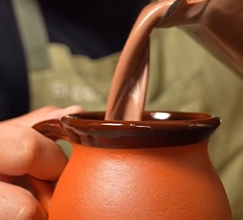
This creamy homemade version is flexible enough to fit many occasions. Serve it in ceramic mugs for a relaxed family breakfast, or use attractive terracotta cups for a rustic presentation. Chocolate shavings, whipped cream, and cocoa powder can make the drink feel special without requiring complicated preparation.
4. Ingredients and Quantities
This recipe makes 2 servings and takes approximately 15 minutes from start to finish.
For the Hot Chocolate
- 2 cups (480 ml) whole milk
- 1/2 cup (120 ml) heavy cream
- 100 g (3.5 oz) dark chocolate, finely chopped
- 2 tablespoons unsweetened cocoa powder
- 2 tablespoons granulated sugar, adjusted to taste
- 1 tablespoon cornstarch, optional for extra thickness
- 1 teaspoon vanilla extract
- 1 pinch of salt
- 1/4 teaspoon ground cinnamon, optional
For Serving
- Chocolate shavings
- Whipped cream, optional
- A light dusting of unsweetened cocoa powder
- Mini marshmallows, optional
Ingredient Notes
Whole milk: Whole milk gives the drink a smooth texture and a balanced dairy flavor. You can use a lower-fat milk if preferred, although the result will be less rich.
Heavy cream: Cream adds body and creates a more luxurious consistency. For a lighter version, reduce the cream and replace it with additional milk.
Dark chocolate: Choose a good-quality chocolate containing approximately 60–70% cocoa for a deep, balanced flavor. Finely chopping the chocolate helps it melt evenly.
Unsweetened cocoa powder: Cocoa powder intensifies the chocolate flavor and gives the drink a fuller, more complex taste. Dutch-process or natural cocoa powder can both work, although their flavors differ slightly.
Granulated sugar: The amount can be adjusted according to the sweetness of your chocolate and your personal preference. Start with the recommended quantity and taste before adding more.
Cornstarch: This ingredient is optional. It creates a thicker, more substantial drink, particularly when the mixture is heated gently long enough for the starch to thicken.
Vanilla extract: Vanilla rounds out the flavor and complements the dark chocolate.
Salt and cinnamon: A tiny pinch of salt balances sweetness, while cinnamon adds a subtle warming note without overpowering the chocolate.
5. Optional Additions
One of the best things about homemade hot chocolate is how easily you can customize it.
- Extra chocolate: Add a small amount of additional chopped chocolate for a more intense flavor.
- Cinnamon: Increase the cinnamon slightly if you enjoy warm, spiced beverages.
- Cardamom: Add a small pinch for a fragrant, aromatic variation.
- Chili powder: A tiny pinch can create a gentle warmth that complements dark chocolate.
- Espresso powder: A small pinch enhances the chocolate flavor without necessarily making the drink taste strongly of coffee.
- Peppermint extract: Add just a drop for a refreshing chocolate-mint variation.
- Marshmallows: Mini marshmallows soften into the warm drink and add sweetness.
- Whipped cream: A spoonful on top creates a classic café-style presentation.
- Chocolate curls: Use a vegetable peeler on a chocolate bar to create decorative shavings.
- Orange zest: A little finely grated orange zest can add a bright citrus note.
For a dairy-free alternative, use an unsweetened plant-based milk and a suitable dairy-free chocolate. Coconut cream can add richness, although it will introduce a noticeable coconut flavor. The consistency and sweetness may differ from the original recipe.
6. Tips for Success
Choose Good-Quality Chocolate
Because chocolate is the main flavor, quality makes a noticeable difference. A dark chocolate bar with approximately 60–70% cocoa generally provides a pleasant balance of bitterness and sweetness. Very high-percentage chocolate may require additional sugar.
Chop the Chocolate Finely
Small pieces melt faster and more evenly than large chunks. This helps prevent unmelted chocolate from collecting at the bottom of the saucepan.
Mix the Cocoa Powder Before Adding It
Cocoa powder can form lumps when added directly to hot liquid. Whisking it with the sugar, cornstarch, and a small amount of cold milk creates a smooth paste that incorporates more easily.
Heat the Milk Gently
Warm the milk and cream over medium-low heat until steaming. Avoid bringing the mixture to a rolling boil, which can cause excessive evaporation and may affect the texture.
Whisk Continuously
Regular whisking helps disperse the cocoa powder and cornstarch evenly. It also helps prevent the mixture from sticking to the bottom of the saucepan.
Add Sugar Gradually
Dark chocolate varies in sweetness. Taste the drink before adding extra sugar so that the chocolate flavor remains balanced rather than overly sweet.
Control the Thickness
For a thinner hot chocolate, omit the cornstarch. For a thicker version, include it and cook the mixture gently until it reaches the desired consistency. Remember that the drink may thicken slightly as it cools.
Warm the Serving Cups
Filling mugs with hot water for a minute before serving helps keep the beverage warm for longer. Empty and dry the cups before pouring in the hot chocolate.
Avoid Overheating
A gentle simmer is sufficient. Excessive heat can cause the dairy to scorch or the mixture to develop an unpleasant texture.
7. Instructions
Step 1: Prepare the Chocolate
Finely chop 100 g of dark chocolate and set it aside. The smaller the pieces, the more easily they will melt into the warm milk mixture.
Step 2: Make the Cocoa Paste
In a small bowl, combine the cocoa powder, granulated sugar, and cornstarch if using. Add a few tablespoons of cold milk taken from the measured 2 cups.
Whisk until the mixture becomes a smooth paste with no visible lumps. This step helps the dry ingredients blend evenly into the hot chocolate.
Step 3: Heat the Milk and Cream
Pour the remaining milk and the heavy cream into a medium saucepan.
Place the saucepan over medium-low heat and stir occasionally. Warm the mixture until it begins to steam, but do not let it boil.
Step 4: Incorporate the Cocoa Mixture
Slowly pour the cocoa paste into the warm milk and cream while whisking continuously.
Continue whisking until the cocoa mixture is completely incorporated and the liquid looks evenly colored.
Step 5: Melt the Dark Chocolate
Add the chopped dark chocolate to the saucepan.
Stir gently with a whisk or heat-resistant spatula until the chocolate melts completely. The mixture should become smooth, glossy, and evenly blended.
If small pieces remain, continue stirring over low heat rather than increasing the temperature sharply.
Step 6: Add the Flavorings
Stir in the vanilla extract and a pinch of salt. Add the cinnamon if desired.
Taste carefully once the mixture has cooled slightly, then adjust the sugar if needed.
Step 7: Thicken the Hot Chocolate
Allow the drink to simmer gently for approximately 2–4 minutes, stirring continuously.
If you included cornstarch, the mixture should gradually become thicker as it heats. Avoid a vigorous boil, and remove the saucepan from the heat once the desired consistency is reached.
If you prefer a thinner drink, you can skip this simmering step once the chocolate has melted and everything is well combined.
Step 8: Check the Consistency
The finished hot chocolate should be smooth, creamy, and rich without feeling grainy.
If it becomes too thick, add a small splash of warm milk and whisk until incorporated. If it is too thin and contains cornstarch, give it a little more gentle cooking time while stirring.
Step 9: Prepare the Serving Cups
Warm two ceramic mugs or terracotta cups by filling them with hot water for about a minute.
Carefully empty the water and dry the cups before serving. Handle hot cups cautiously, especially if they are made from terracotta or another material that retains heat.
Step 10: Pour and Serve
Divide the hot chocolate evenly between the prepared cups.
Pour slowly to keep the surface smooth and reduce splashing. If you are serving guests, a small pouring jug can make presentation easier.
Step 11: Add the Finishing Touches
Top each serving with chocolate shavings, a little cocoa powder, whipped cream, or mini marshmallows.
For a simple, elegant finish, use just a few chocolate curls and a light dusting of cocoa powder.
Step 12: Enjoy Warm
Serve immediately while the hot chocolate is warm and creamy.
Stir gently before drinking if the chocolate has settled slightly. Enjoy it on its own or alongside a cookie, croissant, slice of cake, or other favorite treat.
8. Description
This rich homemade hot chocolate has a deep chocolate aroma, a silky texture, and a smooth, velvety finish. The combination of melted dark chocolate and cocoa powder creates a more intense flavor than a drink made with cocoa powder alone.
Whole milk provides the base, while heavy cream adds a luxurious mouthfeel. Vanilla softens the bitterness of the dark chocolate, and a small pinch of salt helps bring the flavors together.
When prepared with cornstarch, the drink becomes thicker and more substantial, making it especially appealing to anyone who enjoys European-style drinking chocolate. Without cornstarch, it remains creamy but flows more easily from the cup.
The optional toppings provide an extra layer of texture and flavor. Whipped cream adds lightness, chocolate shavings intensify the chocolate experience, and marshmallows create a sweeter, more playful finish.
The result is a comforting beverage suitable for cold weather, holiday gatherings, relaxed weekends, or any occasion that calls for something warm and chocolatey.
9. Nutritional Information
The following values are estimates for one serving when the recipe makes two servings. Actual nutrition will vary according to the chocolate brand, milk and cream used, sugar quantity, and optional toppings.
Approximate nutrition per serving:
- Calories: 350–420
- Protein: 7–10 g
- Carbohydrates: 30–40 g
- Fat: 22–30 g
- Sugar: 25–35 g
These estimates assume the main ingredients are divided equally between two servings and do not include generous amounts of optional whipped cream, marshmallows, or other toppings. Using cornstarch may slightly increase the carbohydrate content.
For a lighter version, use less heavy cream, reduce the added sugar, and choose a smaller serving size. Keep in mind that these changes will also affect the richness and texture.
This beverage is best enjoyed as an occasional treat within an overall balanced eating pattern.
10. Storage and Food Safety
Homemade hot chocolate tastes best immediately after preparation, when the chocolate is fully melted and the texture is at its smoothest.
If you have leftovers, follow these storage guidelines:
- Refrigeration: Transfer the leftover hot chocolate to a clean, covered container and refrigerate within two hours of preparation.
- Storage time: For best quality, use refrigerated leftovers within 3–4 days.
- Reheating: Warm gently in a saucepan over low heat, whisking frequently. Avoid boiling.
- Restoring the texture: If the drink has thickened in the refrigerator, add a small splash of milk while reheating.
- Freezing: Freezing is generally not recommended because the dairy and chocolate mixture may separate or become grainy after thawing.
Do not leave the drink at room temperature for an extended period. Discard leftovers that have been stored improperly or show signs of spoilage.
11. Conclusion
Rich and creamy homemade hot chocolate is a simple recipe that delivers a luxurious chocolate experience with only a handful of everyday ingredients. Real dark chocolate, cocoa powder, whole milk, and heavy cream work together to create a drink that is smooth, flavorful, and wonderfully comforting.
The recipe is easy to adapt to your preferences. Add cornstarch for a thicker texture, adjust the sugar to suit your chocolate, or experiment with cinnamon, cardamom, or peppermint for a different flavor profile.
With just 15 minutes of preparation and cooking time, you can make a warm beverage that feels special without requiring complicated techniques or equipment.
Serve it in your favorite mug, finish it with chocolate shavings, and enjoy a homemade treat that is perfect for slow mornings and cozy evenings.
12. Recommendation
For the best experience, pair this hot chocolate with a freshly baked chocolate chip cookie, a buttery croissant, a cinnamon roll, or a slice of vanilla cake. The contrast between the warm drink and a lightly crisp pastry makes a particularly satisfying combination.
If you are serving it after dinner, use small cups and keep the toppings simple. A little whipped cream or a few chocolate shavings can provide an elegant finish without overwhelming the drink.
For a family gathering, prepare the chocolate mixture in advance, refrigerate it promptly if not serving immediately, and reheat it gently before pouring. Keep the consistency slightly thinner than you want for serving if you expect it to thicken while standing.
You can also create a hot chocolate bar with small bowls of marshmallows, chocolate curls, cinnamon, and whipped cream, allowing everyone to customize a cup.
13. Embracing Healthful Indulgence
Enjoying rich foods and beverages can be part of a balanced lifestyle. Homemade hot chocolate offers the advantage of allowing you to choose the ingredients, control the sweetness, and decide how much cream or topping to include.
For a less rich drink, replace some of the heavy cream with milk and reduce the sugar slightly. For a more intense chocolate flavor without adding much sweetness, choose a good-quality dark chocolate and a small amount of unsweetened cocoa powder.
Portion size also matters. Two modest servings can make it easier to share the recipe and enjoy the drink without making it overly heavy.
Most importantly, take time to appreciate the flavor and texture rather than rushing through it. A warm cup of homemade hot chocolate can be a simple pleasure, whether enjoyed during a cold morning, after a long day, or as part of a special gathering.
With its deep cocoa flavor, creamy consistency, and customizable toppings, this homemade hot chocolate is a comforting classic worth making whenever you crave a little chocolate indulgence.