
Prep Time: 5 minutes Cook Time: None Chilling Time: 20–30 minutes (optional) Total Time: 5–35 minutes Servings: 1–2 Difficulty: Very Easy Category: Healthy Desserts, High-Protein Snacks, Chocolate Desserts, No-Bake Recipes
1. Introduction
Ultimate Creamy Chocolate Cheesecake Pudding is a rich, smooth, and chocolatey dessert that combines the indulgent flavor of traditional chocolate cheesecake with the simplicity of a quick, no-bake pudding.
This delicious recipe uses cottage cheese as its main ingredient, creating a naturally creamy base that becomes exceptionally smooth when blended.
Unsweetened cocoa powder provides a deep chocolate flavor, while maple syrup adds natural sweetness and balances the slight tanginess of the cottage cheese.
A small amount of cream cheese enhances the richness and gives the pudding a more authentic cheesecake-inspired taste.
Pure vanilla extract introduces a delicate aromatic note, while a pinch of salt intensifies the chocolate flavor and balances the sweetness.
Unlike traditional cheesecake, this preparation requires no baking, complicated preparation, or lengthy ingredient list.
Simply combine the ingredients in a blender or food processor and blend until completely smooth.
The result is a thick, velvety chocolate pudding that can be enjoyed immediately or refrigerated for a firmer, chilled dessert.
Perfect for breakfast treats, afternoon snacks, post-workout meals, or satisfying chocolate cravings, this recipe offers a convenient way to enjoy a cheesecake-inspired dessert with protein-rich ingredients.
2. Origin and Cultural Significance
Chocolate Cheesecake Pudding made with cottage cheese is a modern dessert inspired by two popular culinary traditions: classic cheesecake and homemade chocolate pudding.
Traditional cheesecake has a long culinary history, with early versions of cheese-based cakes dating back to ancient Greece.
Over time, cheesecake evolved across Europe, particularly in countries such as Germany, Italy, and the United Kingdom.
The modern American-style cheesecake became especially popular through the use of cream cheese, which creates its characteristic rich and smooth filling.
Chocolate pudding also has a long history in European and American dessert traditions.
Traditional chocolate pudding is commonly prepared using milk, sugar, cocoa powder, and a thickening ingredient such as cornstarch or egg yolks.
The combination of cheesecake-inspired ingredients with a pudding-style preparation represents a more contemporary approach to dessert making.
Cottage cheese has become particularly popular in modern high-protein recipes because of its protein content, mild flavor, and creamy texture when blended.
Food enthusiasts have increasingly incorporated it into desserts such as chocolate mousse, cheesecake bowls, pancakes, and protein-rich puddings.
This recipe reflects that modern culinary trend by replacing much of the traditional cheesecake filling with blended cottage cheese while retaining a small amount of cream cheese for richness.
Although it is not a traditional cheesecake recipe, it offers a convenient alternative for people looking for a chocolate dessert with a different nutritional profile.
3. Ingredients and Quantities
A. For the Chocolate Cheesecake Pudding
| Ingredient | Quantity |
|---|---|
| Cottage cheese | 1 cup (226 g) |
| Unsweetened cocoa powder | 2 tablespoons (10 g) |
| Pure maple syrup | 2 tablespoons (30 ml) |
| Cream cheese | 1 tablespoon (15 g) |
| Pure vanilla extract | ½ teaspoon (2.5 ml) |
| Fine salt | 1 small pinch |
Why Use Cottage Cheese?
Cottage cheese provides the creamy foundation of this dessert.
It is naturally rich in protein and contains moisture that helps create a smooth pudding consistency when blended.
Blending completely breaks down its characteristic curds, producing a texture similar to a traditional cheesecake filling.
Why Use Unsweetened Cocoa Powder?
Unsweetened cocoa powder provides concentrated chocolate flavor without requiring additional chocolate or excessive sugar.
It also contributes the characteristic deep brown color of chocolate pudding.
Why Use Maple Syrup?
Maple syrup adds natural sweetness and balances the slight tanginess of cottage cheese.
Its mild caramel-like flavor also complements the cocoa.
Why Add Cream Cheese?
Cream cheese introduces the familiar richness and subtle tanginess associated with traditional cheesecake.
Even a small quantity makes the finished pudding taste more like a chocolate cheesecake filling.
Why Use Vanilla Extract?
Vanilla enhances the chocolate aroma and adds complexity to the overall flavor.
Why Add Salt?
A small pinch of salt balances the sweetness and intensifies the chocolate flavor.
B. Recommended Equipment
- High-speed blender or food processor
- Measuring cups and spoons
- Silicone spatula
- Small mixing bowl
- Serving glasses or dessert bowls
- Refrigerator
- Small sieve for cocoa powder, if necessary
4. Optional Additions
This chocolate cheesecake pudding can be customized with additional ingredients to create different textures and flavors.
Dark Chocolate: Add 15–20 g of melted dark chocolate for a richer chocolate flavor.
Chocolate Chips: Sprinkle 1 tablespoon of mini chocolate chips over the finished pudding.
Espresso Powder: Add ¼ teaspoon of instant espresso powder to intensify the chocolate flavor.
Peanut Butter: Incorporate 1 tablespoon of natural peanut butter for a delicious chocolate-peanut combination.
Almond Butter: Add 1 tablespoon of almond butter for a subtle nutty flavor.
Greek Yogurt: Replace part of the cottage cheese with 2 tablespoons of plain Greek yogurt for a slightly tangier consistency.
Honey: Replace maple syrup with 2 tablespoons of honey for a different sweetness profile.
Stevia: Use a suitable quantity of stevia instead of maple syrup for a lower-sugar variation.
Cinnamon: Add ¼ teaspoon of ground cinnamon for a warm, aromatic flavor.
Chia Seeds: Incorporate 1 teaspoon for additional fiber and a slightly thicker consistency after refrigeration.
Shredded Coconut: Add 1 tablespoon of unsweetened coconut for additional texture.
Fresh Strawberries: Serve with sliced strawberries for a refreshing fruity contrast.
Fresh Raspberries: Add fresh raspberries for a naturally tart accompaniment.
Banana: Blend in ½ ripe banana for additional sweetness and a thicker consistency.
Crushed Walnuts: Sprinkle 1 tablespoon of chopped walnuts over the pudding for crunch.
Almond Extract: Add 2–3 drops for a subtle almond aroma.
Whipped Cream: Finish with a small spoonful of homemade whipped cream for a more indulgent dessert.
5. Tips for Success
Choose the right cottage cheese. Both low-fat and full-fat cottage cheese work well. Full-fat varieties generally produce a richer consistency.
Blend thoroughly. Cottage cheese naturally contains small curds, so blending sufficiently is essential for a smooth pudding.
Use a high-speed blender. A powerful blender or food processor produces a more uniform, velvety texture.
Scrape the sides. Stop the blender occasionally and scrape down the sides to ensure that all ingredients are incorporated.
Sift the cocoa powder. Removing cocoa lumps before blending helps create a smoother chocolate mixture.
Adjust the sweetness. Taste the pudding before serving and add a little extra maple syrup if necessary.
Use softened cream cheese. Allow the cream cheese to reach room temperature before blending for easier incorporation.
Avoid adding too much liquid. Excess liquid can make the pudding thin and less similar to cheesecake filling.
Blend until completely smooth. Continue blending for approximately 1–2 minutes, depending on your equipment.
Refrigerate for a firmer texture. Chilling for 20–30 minutes helps the pudding become thicker and more refreshing.
Use quality cocoa powder. Good-quality unsweetened cocoa creates a deeper, more satisfying chocolate flavor.
Serve chilled. This dessert tastes particularly good when cold because the texture becomes thicker and the chocolate flavor develops.
Use attractive serving glasses. Small glass dessert bowls make the rich chocolate color more visually appealing.
6. Step-by-Step Instructions
Part A: Preparing the Ingredients
Step 1: Measure the Cottage Cheese
Measure 1 cup (226 g) of cottage cheese.
Transfer it into a clean blender or food processor.
If the cottage cheese contains excessive liquid, drain the excess before measuring.
The cottage cheese will form the main structure of the pudding.
Step 2: Prepare the Cocoa Powder
Measure 2 tablespoons (10 g) of unsweetened cocoa powder.
If the cocoa contains lumps, pass it through a small sieve.
Add it to the blender with the cottage cheese.
Step 3: Prepare the Maple Syrup
Measure 2 tablespoons (30 ml) of pure maple syrup.
Pour it into the blender.
This will provide the primary sweetness for the dessert.
Step 4: Add the Cream Cheese
Measure 1 tablespoon (15 g) of cream cheese.
Add it to the blender.
For easier blending, use softened cream cheese rather than a cold, firm block.
Step 5: Add the Vanilla and Salt
Add:
- ½ teaspoon (2.5 ml) pure vanilla extract.
- 1 small pinch of fine salt.
These ingredients enhance the chocolate flavor and balance the sweetness.
Part B: Blending the Chocolate Pudding
Step 6: Begin Blending
Secure the blender lid.
Start blending at a low speed to combine the ingredients.
Gradually increase the speed.
Continue blending until the cottage cheese begins to lose its grainy texture.
Step 7: Blend Until Completely Smooth
Blend for approximately 1–2 minutes.
Stop the blender if necessary and scrape down the sides using a silicone spatula.
Continue blending until the mixture becomes:
- Completely smooth.
- Thick and creamy.
- Uniformly chocolate-colored.
- Free from visible cottage cheese curds.
The finished consistency should resemble a thick chocolate cheesecake filling.
Step 8: Check the Consistency
Stop the blender and examine the mixture.
If the pudding is too thick for your preference, add 1 teaspoon of milk at a time.
Blend again briefly.
If it is too thin, avoid adding more liquid and refrigerate it to help the texture firm up.
Step 9: Taste and Adjust
Taste a small spoonful.
If you prefer a sweeter dessert, add another teaspoon of maple syrup.
For a deeper chocolate flavor, add a small quantity of cocoa powder.
Blend briefly after making any adjustments.
Part C: Chilling and Setting
Step 10: Transfer to Serving Bowls
Using a silicone spatula, transfer the chocolate pudding into individual serving glasses or dessert bowls.
Divide the mixture evenly.
Smooth the surface using the back of a spoon.
Step 11: Refrigerate
Cover the serving bowls with plastic wrap or suitable lids.
Place them in the refrigerator for approximately 20–30 minutes.
This resting period allows the pudding to become firmer and more refreshing.
For a thicker cheesecake-like consistency, refrigerate for approximately 1–2 hours.
Step 12: Prepare the Garnishes
While the pudding chills, prepare any optional toppings.
You can use:
- Fresh strawberries.
- Raspberries.
- Dark chocolate shavings.
- Chopped walnuts.
- Mini chocolate chips.
- A small amount of whipped cream.
Keep the toppings ready for serving.
Part D: Final Presentation
Step 13: Remove the Pudding from the Refrigerator
Take the chilled dessert bowls out of the refrigerator.
The pudding should have a thick, creamy consistency.
Its surface should appear smooth and glossy.
Step 14: Add the Toppings
Sprinkle a little dark chocolate over the top.
Add fresh strawberries or raspberries if desired.
For extra crunch, finish with chopped walnuts or toasted almonds.
Step 15: Serve Immediately
Serve the chocolate cheesecake pudding chilled.
Enjoy it directly from the serving bowl using a dessert spoon.
The finished dessert should combine deep chocolate flavor, creamy cheesecake-inspired texture, and balanced sweetness.
7. Description
Ultimate Creamy Chocolate Cheesecake Pudding is a rich, smooth, and satisfying no-bake dessert that combines the flavors of chocolate cheesecake with the convenience of a quick homemade pudding.
Its main ingredient is blended cottage cheese, which creates a naturally creamy base with a high-protein profile.
Unsweetened cocoa powder introduces a deep chocolate flavor, while maple syrup provides balanced sweetness.
A small amount of cream cheese enhances the richness and creates a subtle cheesecake-like taste.
Vanilla extract adds aromatic depth, and a pinch of salt brings out the natural intensity of the cocoa.
The ingredients are blended until completely smooth, eliminating the grainy texture normally associated with cottage cheese.
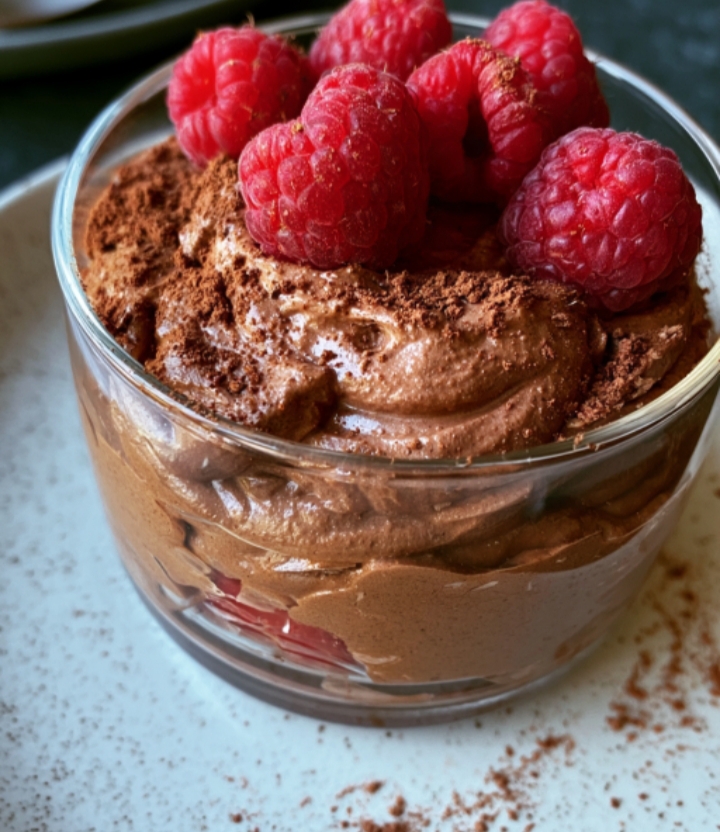
After refrigeration, the pudding develops a thicker consistency that resembles a creamy chocolate mousse or cheesecake filling.
It can be served plain or decorated with fresh berries, chocolate shavings, chopped nuts, or a small amount of whipped cream.
With its simple preparation, minimal ingredients, and indulgent chocolate flavor, this dessert is an excellent option for chocolate lovers looking for an alternative to traditional baked cheesecake.
8. Nutritional Information
Estimated Nutritional Values per Serving (Based on 1 Large Serving):
| Nutrient | Approximate Amount |
|---|---|
| Calories | 300–350 kcal |
| Protein | 25–30 g |
| Carbohydrates | 25–30 g |
| Total Fat | 10–15 g |
| Saturated Fat | 5–8 g |
| Sugar | 20–25 g |
| Fiber | 2–4 g |
| Sodium | 400–550 mg |
Note: These are approximate estimates based on regular cottage cheese, standard cream cheese, unsweetened cocoa powder, and pure maple syrup. Actual values vary according to the fat content and brand of cottage cheese.
Healthier Preparation Alternatives
Choose Low-Fat Cottage Cheese: This can reduce the overall fat and calorie content while retaining a substantial amount of protein.
Use Reduced-Fat Cream Cheese: Replace regular cream cheese with a lighter version.
Reduce Maple Syrup: Use 1 tablespoon instead of 2 if you prefer a less sweet dessert.
Use Unsweetened Greek Yogurt: Replace part of the cream cheese with plain Greek yogurt for a tangier variation.
Add Fresh Berries: Serve with strawberries, blueberries, or raspberries for additional fiber and natural sweetness.
Use Dark Chocolate: Choose dark chocolate with a high cocoa percentage for a more intense chocolate flavor.
Control the Toppings: Use moderate quantities of nuts, chocolate chips, and whipped cream.
Add Chia Seeds: Incorporate a small quantity for additional fiber.
9. Conclusion
Ultimate Creamy Chocolate Cheesecake Pudding is a simple and delicious dessert that transforms everyday ingredients into a rich, chocolatey treat.
The combination of cottage cheese, cocoa powder, maple syrup, and cream cheese creates a smooth and satisfying cheesecake-inspired pudding without requiring baking.
Its preparation is exceptionally straightforward: measure the ingredients, blend until completely smooth, and refrigerate if a firmer consistency is desired.
Cottage cheese provides the creamy foundation and contributes substantial protein, while cocoa powder delivers concentrated chocolate flavor.
Maple syrup balances the natural tanginess, and cream cheese adds the characteristic richness associated with cheesecake.
The recipe is also highly versatile and can be customized with fresh fruit, nuts, chocolate chips, or alternative sweeteners.
Whether enjoyed as an afternoon snack, a quick breakfast dessert, or an after-dinner chocolate treat, this pudding offers a convenient and flavorful alternative to traditional cheesecake.
10. Recommendation
For the best results, use good-quality cottage cheese and unsweetened cocoa powder.
A high-speed blender is strongly recommended because completely eliminating the cottage cheese curds is the most important step in achieving the desired cheesecake-like texture.
Use softened cream cheese to ensure that all ingredients blend smoothly.
Adjust the maple syrup according to your sweetness preference, but avoid adding too much liquid because the pudding should remain thick.
Refrigerating the finished dessert for at least 30 minutes is recommended if you prefer a firmer, chilled consistency.
Serving Recommendation: Spoon the chocolate pudding into small transparent dessert glasses. Smooth the surface and finish with dark chocolate shavings, fresh raspberries, and a few chopped walnuts. For a more indulgent presentation, add a small swirl of whipped cream.
Refrigerator Storage: Store the pudding in an airtight container in the refrigerator at 40°F (4°C) or below. Consume within 3–4 days for best quality.
Freezing: Freezing is not recommended because cottage cheese can change texture after thawing, potentially making the pudding grainy or watery.
Make-Ahead Recommendation: Prepare the pudding several hours before serving and refrigerate it in individual portions. Add fresh fruit, chocolate shavings, and crunchy toppings immediately before serving.
Allergen Information: This recipe contains dairy. Check the ingredient labels of cocoa powder, maple syrup, and cream cheese for additional ingredients or potential cross-contact warnings.
11. Embracing Healthful Indulgence
Chocolate Cheesecake Pudding demonstrates how a dessert can combine indulgent chocolate flavors with ingredients that contribute valuable nutrients.
Cottage cheese is particularly important because it provides high-quality protein containing essential amino acids.
Protein supports muscle maintenance, tissue repair, and normal physiological functions.
Depending on the variety, cottage cheese also contributes calcium, phosphorus, vitamin B12, and other important nutrients.
Unsweetened cocoa powder contains naturally occurring flavanols and other plant compounds, while also providing the characteristic chocolate flavor without requiring large quantities of added sugar.
Maple syrup provides sweetness and allows the recipe to avoid relying on refined granulated sugar.
Cream cheese contributes richness and calcium, although it also increases the saturated fat content.
A balanced approach involves choosing suitable ingredient quantities and enjoying the dessert as part of a varied diet.
Using low-fat cottage cheese and reduced-fat cream cheese can lower the overall fat content.
Reducing the maple syrup can also decrease the amount of added sugar without significantly changing the preparation.
Fresh berries introduce additional fiber, vitamins, and natural sweetness, while nuts provide healthy unsaturated fats and additional texture.
The high protein content makes this pudding a satisfying alternative to some conventional chocolate desserts, although its nutritional value depends on the specific ingredients and serving size.
Preparing it at home also provides greater control over sweetness, ingredient quality, and portion sizes.
Ultimately, healthful indulgence is about enjoying delicious desserts while maintaining moderation, nutritional variety, and balance in everyday eating.
Final Thought: 🍫🥄 With its rich chocolate flavor, silky cheesecake-inspired texture, naturally protein-rich cottage cheese base, and delicate sweetness from maple syrup, this Ultimate Chocolate Cheesecake Pudding transforms a handful of simple ingredients into an irresistible no-bake dessert. Finished with fresh berries, dark chocolate shavings, or crunchy nuts, it is a delicious choice for chocolate lovers seeking a creamy and satisfying homemade treat.