
Prep Time: 10 minutes Bake Time: 30–35 minutes Total Time: 40–45 minutes Servings: 9 Difficulty: Easy Category: Chocolate Desserts, Homemade Baking, Snack Cakes, Egg-Free Desserts
1. Introduction
Classic One-Bowl Chocolate Snack Cake is a wonderfully moist, tender, and deeply chocolatey homemade dessert made with simple pantry ingredients.
This traditional-style chocolate cake is particularly appreciated for its straightforward preparation, requiring no eggs, butter, or milk. Instead, vegetable oil provides moisture, while a combination of baking soda and vinegar helps the cake rise and develop a soft, delicate crumb.
Unsweetened cocoa powder delivers a rich chocolate flavor, while granulated sugar balances its natural bitterness and contributes to the cake’s tender texture.
The addition of vanilla extract enhances the chocolate aroma, and a small quantity of salt brings out the sweetness and creates a more balanced flavor profile.
One of the most distinctive characteristics of this recipe is its simple one-bowl preparation. All the dry ingredients are combined before the wet ingredients are incorporated, producing a smooth chocolate batter without complicated mixing techniques.
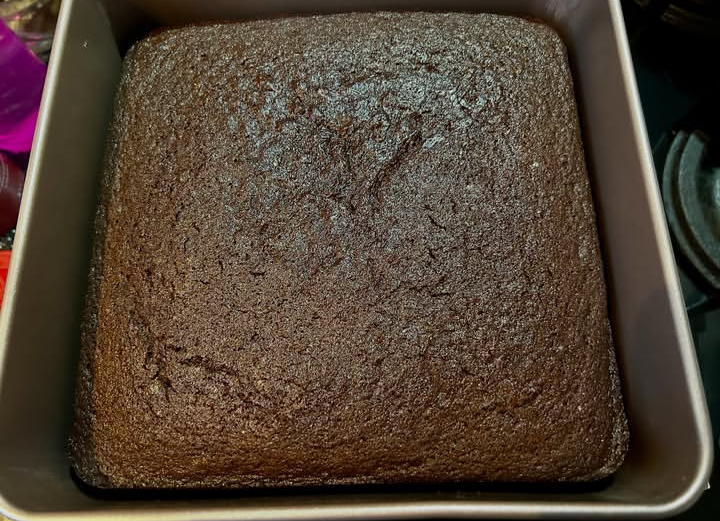
Once baked in a square pan, the cake develops a beautiful chocolate-brown surface and a soft, moist interior.
It can be served plain as an everyday snack cake, dusted with powdered sugar, topped with chocolate ganache, or decorated with a rich chocolate fudge frosting.
Perfect for afternoon snacks, family gatherings, birthday celebrations, or simple homemade desserts, this cake demonstrates how a few inexpensive ingredients can create an exceptionally satisfying chocolate treat.
2. Origin and Cultural Significance
Classic One-Bowl Chocolate Snack Cake is closely associated with a traditional American preparation commonly known as Wacky Cake, Crazy Cake, or Depression Cake.
This style of cake became particularly popular in the United States during the Great Depression and periods of ingredient shortages, when household cooks needed practical dessert recipes that required fewer expensive ingredients.
Traditional cake recipes often depended on eggs, butter, and milk. However, these ingredients were sometimes difficult to obtain or expensive for families.
Home bakers developed alternative preparations using inexpensive pantry staples such as flour, sugar, cocoa powder, vegetable oil, vinegar, baking soda, and water.
The combination of vinegar and baking soda became particularly important because their chemical reaction produces carbon dioxide, helping the cake rise without eggs.
Although the exact origins of Wacky Cake are difficult to establish, it became an enduring example of resourceful American home baking.
Its popularity continued long after periods of scarcity because of its simplicity, affordability, and surprisingly moist texture.
Today, this style of chocolate cake remains popular among home bakers looking for an easy egg-free and dairy-free dessert.
Modern variations frequently include brewed coffee, chocolate chips, nuts, chocolate frosting, or powdered sugar.
Despite its simple ingredients, the cake remains a beloved example of traditional homemade comfort food.
3. Ingredients and Quantities
A. For the Chocolate Cake Batter
| Ingredient | Quantity |
|---|---|
| All-purpose flour | 1½ cups (approximately 190 g) |
| Granulated sugar | 1 cup (200 g) |
| Unsweetened cocoa powder | ¼ cup (approximately 25 g) |
| Baking soda | 1 teaspoon |
| Fine salt | ½ teaspoon |
| Vegetable or canola oil | ⅓ cup (80 ml) |
| White vinegar or apple cider vinegar | 1 tablespoon (15 ml) |
| Pure vanilla extract | 1 teaspoon (5 ml) |
| Lukewarm water | 1 cup (240 ml) |
Why Use All-Purpose Flour?
All-purpose flour provides the structure of the cake. Its starch and proteins help create a soft but stable crumb.
Why Use Granulated Sugar?
Sugar adds sweetness, contributes moisture retention, and helps create a tender cake texture.
Why Use Unsweetened Cocoa Powder?
Cocoa powder provides the cake’s characteristic chocolate flavor and deep brown color without requiring melted chocolate.
Why Use Baking Soda?
Baking soda is the chemical leavening agent responsible for helping the cake rise.
It reacts with the acidic vinegar, producing carbon dioxide bubbles that expand during baking.
Why Add Vinegar?
Vinegar supplies the acidity needed to activate the baking soda.
Its flavor is not noticeable in the finished cake when used in the correct quantity.
Why Use Vegetable Oil?
Oil provides moisture and helps keep the cake soft, even after refrigeration.
Unlike butter, oil remains liquid at room temperature, contributing to a tender texture.
Why Use Lukewarm Water?
Lukewarm water helps dissolve the sugar and distribute the cocoa powder evenly throughout the batter.
Why Add Vanilla Extract?
Vanilla enhances the chocolate aroma and provides additional flavor complexity.
Why Add Salt?
Salt balances sweetness and intensifies the natural chocolate flavor.
B. For the Optional Chocolate Fudge Frosting
| Ingredient | Quantity |
|---|---|
| Unsalted butter | ¼ cup (56 g) |
| Unsweetened cocoa powder | ¼ cup (25 g) |
| Powdered sugar | 1½ cups (180 g) |
| Milk | 2–3 tablespoons |
| Vanilla extract | ½ teaspoon |
| Fine salt | A small pinch |
This optional frosting creates a richer, sweeter finish and transforms the simple snack cake into a more indulgent chocolate dessert.
C. For Optional Garnishing
| Ingredient | Quantity |
|---|---|
| Powdered sugar | 1–2 tablespoons |
| Chocolate shavings | 2 tablespoons |
| Mini chocolate chips | 2 tablespoons |
| Fresh strawberries | 4–6 |
| Fresh raspberries | A small handful |
| Chopped walnuts | 2 tablespoons |
D. Recommended Equipment
- Large mixing bowl
- 8 × 8-inch (20 × 20 cm) square baking pan
- Whisk
- Measuring cups and spoons
- Fine-mesh sieve
- Silicone spatula
- Baking parchment paper
- Cooling rack
- Toothpick or cake tester
- Small saucepan (for optional frosting)
4. Optional Additions
This classic chocolate snack cake can be customized with additional ingredients to create different flavor combinations.
Brewed Coffee: Replace the water with 1 cup of freshly brewed coffee to intensify the chocolate flavor.
Dark Chocolate Chips: Add ½ cup of chocolate chips for small pockets of melted chocolate throughout the cake.
Milk Chocolate Chips: Incorporate ½ cup for a sweeter chocolate variation.
Espresso Powder: Add ½ teaspoon to deepen the chocolate flavor.
Ground Cinnamon: Add ½ teaspoon for a warm, aromatic chocolate cake.
Orange Zest: Incorporate 1 teaspoon of fresh orange zest for a refreshing citrus note.
Chopped Walnuts: Add ½ cup of walnuts for a pleasant crunch.
Chopped Pecans: Incorporate ½ cup for a buttery, nutty flavor.
Shredded Coconut: Add ¼ cup of unsweetened coconut for additional texture.
Peanut Butter: Swirl 2 tablespoons of softened peanut butter into the batter before baking.
Almond Extract: Replace part of the vanilla extract with ¼ teaspoon of almond extract.
Instant Coffee: Add 1 teaspoon dissolved in the warm water for additional chocolate depth.
Raspberry Preserves: Spread a thin layer over the cooled cake before adding frosting.
Chocolate Ganache: Pour a smooth dark chocolate ganache over the cake for a glossy finish.
Cream Cheese Frosting: Replace the chocolate frosting with a tangy cream cheese topping.
Caramel Sauce: Drizzle caramel over individual slices before serving.
Sea Salt: Sprinkle a small amount of flaky sea salt over chocolate frosting for a sweet-and-salty combination.
5. Tips for Success
Measure the flour correctly. Avoid packing flour into the measuring cup because excessive flour can make the cake dense and dry.
Sift the cocoa powder. Cocoa powder can contain small lumps that create uneven chocolate distribution.
Use fresh baking soda. Old baking soda may have reduced leavening effectiveness.
Check the vinegar. White vinegar or apple cider vinegar works well for activating the baking soda.
Use lukewarm water. Extremely hot water is unnecessary and can make mixing less predictable.
Do not omit the vinegar. It is an important ingredient in this egg-free preparation.
Mix the dry ingredients thoroughly. This ensures that the baking soda, salt, and cocoa are evenly distributed.
Avoid overmixing. Mix only until the batter becomes smooth and no dry flour remains visible.
Prepare the baking pan properly. Grease the pan and line the bottom with parchment paper to make removal easier.
Use the correct pan size. An 8 × 8-inch square pan provides a suitable thickness for this quantity of batter.
Preheat the oven. Always allow the oven to reach the correct temperature before placing the cake inside.
Avoid opening the oven too early. Opening the door during the initial baking period can interfere with the cake’s rise.
Check the center for doneness. Insert a toothpick into the middle of the cake. It should come out clean or with a few moist crumbs.
Allow the cake to cool. Letting the cake rest prevents it from breaking when removed from the pan.
Cool completely before frosting. Warm cake can melt chocolate frosting and create an uneven finish.
Use good-quality cocoa powder. The quality of the cocoa has a significant impact on the final flavor.
6. Step-by-Step Instructions
Part A: Preparing the Baking Pan and Oven
Step 1: Preheat the Oven
Preheat your oven to 350°F (175°C).
Allow the oven to reach the correct temperature before baking.
Consistent oven temperature is important for achieving an even rise and properly baked interior.
Step 2: Prepare the Square Baking Pan
Choose an 8 × 8-inch (20 × 20 cm) square baking pan.
Lightly grease the bottom and sides using vegetable oil or nonstick cooking spray.
Line the bottom with parchment paper.
If desired, leave small parchment overhangs on two opposite sides to make removing the cake easier.
Set the pan aside.
Part B: Preparing the Dry Ingredients
Step 3: Measure the Flour
Measure 1½ cups of all-purpose flour.
Transfer it into a large mixing bowl.
For accurate measurement, spoon the flour into the measuring cup and level the surface using a straight edge.
Step 4: Add the Sugar
Add 1 cup of granulated sugar to the flour.
Whisk gently to distribute the sugar evenly.
Step 5: Add the Cocoa Powder
Measure ¼ cup of unsweetened cocoa powder.
Sift it into the bowl.
Whisk until the cocoa powder is evenly distributed throughout the flour and sugar.
The mixture should develop a uniform light-brown color.
Step 6: Add the Baking Soda and Salt
Add:
- 1 teaspoon baking soda.
- ½ teaspoon fine salt.
Whisk the dry ingredients thoroughly.
Make sure there are no concentrated pockets of baking soda or salt.
This step is important because uneven distribution can affect the cake’s flavor and rise.
Part C: Incorporating the Wet Ingredients
Step 7: Add the Vegetable Oil
Pour ⅓ cup (80 ml) of vegetable or canola oil into the dry mixture.
Begin stirring gently.
The mixture will appear slightly moist and crumbly.
This is normal.
Step 8: Add the Vanilla Extract
Measure 1 teaspoon of pure vanilla extract.
Add it to the bowl.
Stir gently to distribute the aroma throughout the mixture.
Step 9: Add the Vinegar
Measure 1 tablespoon (15 ml) of white vinegar or apple cider vinegar.
Pour it into the bowl.
The vinegar provides the acidity needed to react with the baking soda.
Step 10: Add the Lukewarm Water
Measure 1 cup (240 ml) of lukewarm water.
Pour it gradually into the mixing bowl while whisking.
Continue stirring until the ingredients begin to form a smooth chocolate batter.
Step 11: Mix Until Smooth
Continue mixing gently using a whisk.
Scrape the sides and bottom of the bowl with a silicone spatula.
Stop mixing once:
- No dry flour remains visible.
- The cocoa is evenly distributed.
- The batter has a smooth consistency.
- No large lumps remain.
Avoid excessive mixing because it can develop too much gluten and make the cake tougher.
The batter should be relatively thin compared with traditional butter-based cake batter.
Part D: Transferring and Baking the Cake
Step 12: Transfer the Batter
Pour the prepared chocolate batter into the greased and lined square baking pan.
Use a silicone spatula to scrape all the remaining batter from the bowl.
Step 13: Level the Surface
Gently move the pan from side to side to distribute the batter evenly.
Use the spatula to smooth the surface if necessary.
The batter should be distributed uniformly across the pan.
Step 14: Place the Cake in the Oven
Carefully place the baking pan on the center rack of the preheated oven.
Close the oven door.
Bake at 350°F (175°C) for approximately 30–35 minutes.
Avoid opening the oven during the first 25 minutes.
Step 15: Monitor the Baking Process
As the cake bakes, the baking soda reacts with the vinegar and releases carbon dioxide.
These gas bubbles expand within the batter, helping the cake rise.
The surface gradually becomes set and develops a rich chocolate-brown color.
The edges should begin to pull slightly away from the sides of the pan.
Step 16: Test for Doneness
After approximately 30 minutes, insert a toothpick into the center of the cake.
Remove it and inspect the result.
- If the toothpick comes out with wet batter, continue baking.
- If it comes out with a few moist crumbs, the cake is ready.
- If it comes out completely clean, the cake is also ready.
Avoid excessive baking because it can dry out the cake.
Step 17: Remove the Cake from the Oven
Once fully baked, carefully remove the pan using oven mitts.
Place it on a heat-resistant surface or cooling rack.
Allow the cake to rest in the pan for approximately 10–15 minutes.
Part E: Cooling and Preparing the Optional Frosting
Step 18: Cool the Cake
After the initial resting period, carefully lift the cake using the parchment paper overhangs.
Transfer it onto a cooling rack.
Allow it to cool completely before adding any frosting.
This generally takes approximately 30–45 minutes.
If you prefer a simple snack cake, you can serve it without frosting.
Step 19: Prepare the Chocolate Frosting
For the optional chocolate fudge frosting, place ¼ cup of unsalted butter in a small saucepan.
Melt over low heat.
Remove from the heat.
Add ¼ cup of unsweetened cocoa powder.
Whisk until smooth.
Step 20: Add the Powdered Sugar
Gradually add 1½ cups of sifted powdered sugar.
Add 2 tablespoons of milk.
Mix until a smooth frosting begins to form.
If the frosting is too thick, add the remaining tablespoon of milk gradually.
Step 21: Add Vanilla and Salt
Add:
- ½ teaspoon vanilla extract.
- A small pinch of salt.
Whisk until the frosting becomes smooth, glossy, and spreadable.
Allow it to cool slightly if it is too warm.
Part F: Frosting and Decoration
Step 22: Spread the Frosting
Once the cake has cooled completely, transfer it to a serving plate.
Pour the prepared chocolate frosting over the surface.
Use an offset spatula or the back of a spoon to spread it evenly.
For a rustic appearance, create gentle decorative swirls.
Step 23: Add Optional Toppings
Decorate with your preferred ingredients:
- Chocolate shavings.
- Mini chocolate chips.
- Chopped walnuts.
- Fresh raspberries.
- Sliced strawberries.
- A light sprinkle of powdered sugar.
Avoid adding too many toppings if you want to preserve the cake’s classic appearance.
Step 24: Allow the Frosting to Set
Leave the cake at room temperature for approximately 15–20 minutes.
This allows the frosting to become slightly firmer.
For a firmer chocolate topping, refrigerate briefly.
Step 25: Slice and Serve
Using a sharp knife, cut the cake into 9 equal squares.
Wipe the knife between cuts for cleaner edges.
Arrange the slices on individual dessert plates.
Serve at room temperature for the softest texture.
Enjoy your homemade Classic One-Bowl Chocolate Snack Cake!
7. Description
Classic One-Bowl Chocolate Snack Cake is a simple yet exceptionally satisfying homemade dessert featuring a soft, moist interior and a rich cocoa flavor.
Its traditional egg-free and dairy-free preparation combines all-purpose flour, granulated sugar, unsweetened cocoa powder, vegetable oil, vinegar, baking soda, vanilla extract, and water.
The interaction between vinegar and baking soda helps the cake rise naturally, producing a tender and delicate crumb without requiring eggs.
Vegetable oil provides lasting moisture, while cocoa powder creates the characteristic deep chocolate flavor.
The finished cake has a beautifully even square shape, a delicate chocolate-brown surface, and a soft interior that remains enjoyable even without frosting.
It can be served as a simple everyday snack cake or transformed into a more indulgent dessert with chocolate fudge frosting, ganache, powdered sugar, or fresh berries.
Its versatility makes it particularly suitable for different occasions, from casual afternoon snacks to family gatherings and birthday celebrations.
With minimal preparation and accessible pantry ingredients, this classic chocolate cake proves that delicious homemade baking does not need to be complicated.
8. Nutritional Information
Estimated Nutritional Values per Serving (Based on 9 Servings, Without Frosting):
| Nutrient | Approximate Amount |
|---|---|
| Calories | 230–250 kcal |
| Protein | 2–4 g |
| Carbohydrates | 38–42 g |
| Total Fat | 8–10 g |
| Saturated Fat | 1–2 g |
| Sugar | 21–23 g |
| Fiber | 1–2 g |
| Sodium | 250–300 mg |
Note: These are approximate nutritional estimates based on the cake ingredients divided into 9 portions. Adding frosting, chocolate chips, nuts, or other toppings will increase the nutritional values.
Healthier Preparation Alternatives
Reduce the Sugar: Reduce granulated sugar from 1 cup to ¾ cup for a less sweet variation.
Use Whole-Wheat Flour: Replace up to half the all-purpose flour with whole-wheat flour for additional fiber.
Reduce the Oil: Replace part of the vegetable oil with unsweetened applesauce, adjusting gradually to maintain moisture.
Choose Natural Cocoa: Use unsweetened cocoa powder rather than sweetened chocolate drink mixes.
Add Fresh Berries: Serve with strawberries, raspberries, or blueberries for additional fiber and natural sweetness.
Control Frosting Portions: Use a thin layer of chocolate frosting rather than a thick coating.
Use Dark Chocolate: Choose dark chocolate with a higher cocoa percentage for optional toppings.
Enjoy Moderate Portions: Serve one square alongside fresh fruit for a balanced dessert portion.
9. Conclusion
Classic One-Bowl Chocolate Snack Cake is an excellent example of how a small collection of everyday ingredients can produce a delicious and memorable homemade dessert.
Its moist texture, rich cocoa flavor, and simple preparation make it an ideal recipe for beginner bakers and experienced home cooks alike.
The combination of baking soda and vinegar allows the cake to rise without eggs, while vegetable oil helps maintain its softness.
Baking it in a square pan produces evenly shaped portions that can be served plain or decorated with chocolate frosting and other toppings.
The recipe is also highly adaptable, allowing different variations through the addition of coffee, chocolate chips, nuts, fruit, or spices.
The most important preparation techniques include accurately measuring the flour, distributing the dry ingredients evenly, avoiding excessive mixing, maintaining the correct oven temperature, and checking the center for doneness.
Whether enjoyed as a simple snack cake or presented as an elegant chocolate dessert, this recipe offers a practical and delicious homemade baking experience.
10. Recommendation
For the best results, use good-quality unsweetened cocoa powder, fresh baking soda, and neutral vegetable oil.
An 8 × 8-inch square pan is recommended because it provides the appropriate thickness for the quantity of batter.
Do not omit the vinegar, as it plays an essential role in activating the baking soda.
Mix the ingredients only until the batter becomes smooth, and avoid overbaking to preserve the cake’s moist interior.
If you prefer a more intense chocolate flavor, replace the lukewarm water with freshly brewed coffee.
For a classic homemade presentation, serve the cake plain with a light dusting of powdered sugar.
For a richer dessert, prepare the optional chocolate fudge frosting and spread it evenly over the cooled cake.
Serving Recommendation: Cut the cake into neat square portions and arrange them on a white ceramic serving plate. Add a smooth layer of chocolate frosting, a few chocolate shavings, and fresh raspberries. Serve with coffee, tea, or a glass of cold milk.
For additional serving ideas, accompany the cake with:
- Vanilla ice cream.
- Fresh strawberries.
- Homemade whipped cream.
- Chocolate ganache.
- Salted caramel sauce.
- Fresh raspberries.
Refrigerator Storage: Store the unfrosted cake in an airtight container at room temperature for approximately 2–3 days in a cool environment, or refrigerate for up to 5 days.
Reheating: Warm individual slices in the microwave for approximately 10–15 seconds to restore a soft texture.
Freezing: Wrap individual cake portions tightly in plastic wrap and place them in a freezer-safe container. Freeze for approximately 2–3 months for best quality.
Make-Ahead Recommendation: Bake the cake one day before serving. Allow it to cool completely, store it covered, and add the frosting shortly before presentation.
Allergen Information: This recipe contains wheat (gluten). The basic cake is made without eggs or dairy, provided the selected cocoa powder and other packaged ingredients are free from relevant cross-contact. Optional frosting contains dairy.
11. Embracing Healthful Indulgence
Classic One-Bowl Chocolate Snack Cake demonstrates how traditional homemade desserts can be enjoyed while maintaining awareness of ingredient quality and portion sizes.
Unsweetened cocoa powder contains naturally occurring flavanols and other plant compounds that contribute to its characteristic chocolate flavor.
All-purpose flour provides carbohydrates that serve as an important source of energy, while vegetable oil contributes unsaturated fats, depending on the type selected.
The absence of eggs and dairy in the basic recipe also makes it a useful alternative for people avoiding these ingredients, provided all packaged ingredients meet their dietary requirements.
However, the cake still contains added sugar and refined flour, so it is best enjoyed in moderate portions as part of a varied diet.
A few simple adjustments can improve its overall nutritional profile without sacrificing its characteristic chocolate flavor.
Replacing part of the all-purpose flour with whole-wheat flour can increase dietary fiber.
Reducing the sugar slightly can lower the added sugar content, while replacing some of the oil with unsweetened applesauce can reduce the total fat.
Fresh berries provide additional vitamins, fiber, and natural sweetness, making them an excellent accompaniment.
Choosing a moderate portion and avoiding excessive frosting can also help maintain a better balance between indulgence and nutritional awareness.
Preparing the cake at home allows greater control over sweetness, ingredient quality, toppings, and portion sizes.
Ultimately, healthful indulgence is about enjoying delicious homemade desserts while maintaining moderation, nutritional variety, and balance in everyday eating.
Final Thought: 🍫🍰 With its beautifully soft crumb, deep cocoa flavor, delicate sweetness, and wonderfully moist texture, this Ultimate Classic One-Bowl Chocolate Snack Cake is proof that simple ingredients can create an extraordinary homemade dessert. Whether enjoyed plain, dusted with powdered sugar, or covered in silky chocolate fudge frosting, every square delivers comforting chocolate goodness.