
Introduction
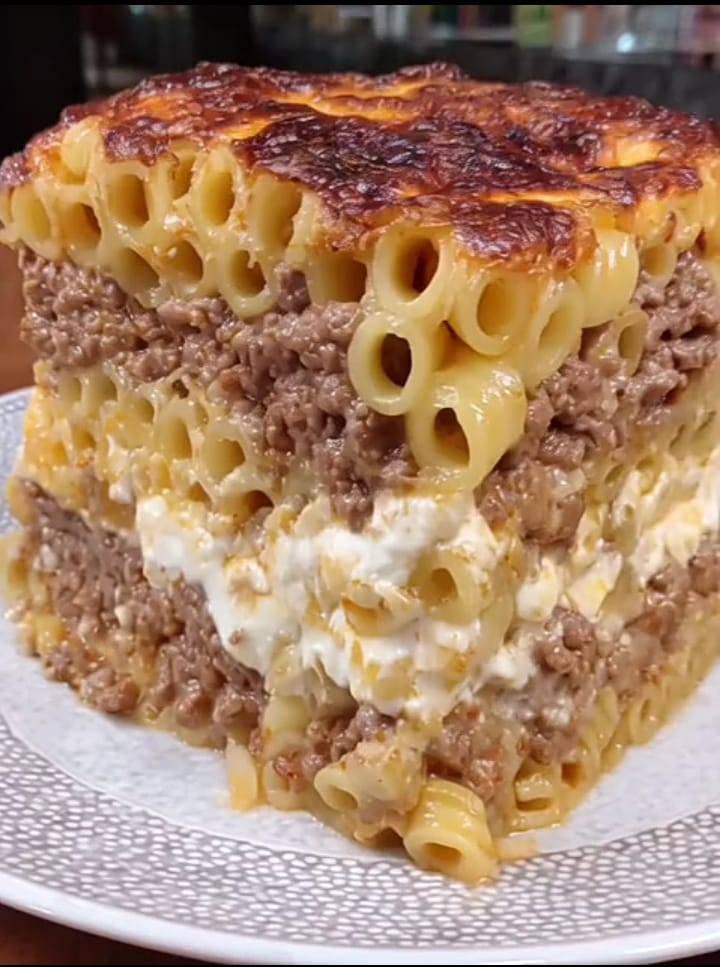
Greek Pastitsio is a beloved Mediterranean comfort dish featuring layers of seasoned ground beef, rich tomato sauce, tender pasta, and a creamy baked topping. Often described as a Greek-style lasagna, this hearty casserole is perfect for family dinners, celebrations, and special gatherings.
The combination of aromatic spices, savory beef, pasta, and creamy sauce creates a deeply satisfying dish with beautifully defined layers.
Origin
Pastitsio is a traditional Greek baked pasta dish with roots in Mediterranean cuisine. Its name is related to the Italian word pasticcio, referring to a baked or assembled dish. Greek pastitsio developed its own distinctive character through the use of tubular pasta, warmly spiced meat sauce, and a creamy béchamel-style topping.
Cultural Significance
Pastitsio is a classic example of Greek home cooking and is commonly associated with family gatherings and celebratory meals. Like many beloved Mediterranean casseroles, it brings together simple ingredients in a dish designed to be shared.
Ingredients Quantity
Yield: 10–12 servings
For the Meat Sauce
- 3 lbs ground beef
- 1 large onion, chopped
- 2 cans (15 oz each) tomato sauce
- 3 cloves garlic, minced
- 2 tablespoons tomato paste
- 1½ teaspoons dried oregano
- 1 teaspoon ground cinnamon
- ½ teaspoon ground allspice
- 1 teaspoon salt
- ½ teaspoon freshly ground black pepper
- ½ cup water
- 2 tablespoons olive oil
For the Pasta Layer
- 1 lb pastitsio pasta or bucatini
- 2 tablespoons unsalted butter
- ½ cup grated Parmesan cheese
- 1 large egg, lightly beaten
For the Creamy Topping
- 4 tablespoons unsalted butter
- ½ cup all-purpose flour
- 4 cups whole milk
- ½ teaspoon salt
- ¼ teaspoon freshly ground black pepper
- ¼ teaspoon ground nutmeg
- 2 large eggs, lightly beaten
- ½ cup grated Parmesan cheese
Optional Additions
For a slightly different variation, you can add:
- Finely diced carrots to the meat sauce
- Fresh parsley
- Fresh oregano
- A small amount of shredded mozzarella
- Additional Parmesan for the top
Tips for Success
Cook the meat sauce until it becomes thick rather than watery. A thick sauce creates cleaner layers.
Don’t overcook the pasta because it will continue cooking in the oven.
Allow the béchamel to cool slightly before adding the eggs to prevent them from scrambling.
Let the finished pastitsio rest for 20–30 minutes before slicing. This is essential for achieving neat layers.
Use a deep baking dish so the pasta, meat, and béchamel layers fit comfortably.
Instructions
Step 1 Prepare the Meat Sauce
Heat the olive oil in a large skillet or Dutch oven over medium heat.
Add the chopped onion and cook for 4–5 minutes, until softened.
Add the ground beef and cook for 8–10 minutes, breaking it apart as it browns.
Drain excess fat if necessary.
Add the minced garlic, tomato paste, oregano, cinnamon, allspice, salt, and black pepper.
Cook for 1–2 minutes.
Add the tomato sauce and water.
Bring to a gentle simmer and cook uncovered for 20–25 minutes, stirring occasionally, until thickened.
Set aside.
Step 2 Cook the Pasta
Bring a large pot of salted water to a boil.
Cook the pastitsio pasta according to the package instructions until just al dente.
Drain well.
Return the pasta to the pot and toss with butter.
Allow it to cool slightly.
Stir in the Parmesan and beaten egg until evenly distributed.
Step 3 Prepare the Creamy Topping
Melt the butter in a saucepan over medium heat.
Whisk in the flour and cook for approximately 1–2 minutes.
Gradually pour in the milk while whisking continuously.
Continue cooking for 5–7 minutes, until the sauce thickens.
Season with salt, black pepper, and nutmeg.
Remove from the heat and allow it to cool for several minutes.
Gradually whisk in the beaten eggs and Parmesan cheese.
Step 4 Assemble the Pastitsio
Preheat the oven to 350°F (175°C).
Lightly grease a deep 9 × 13-inch baking dish.
Spread the pasta evenly across the bottom.
Spoon the meat sauce over the pasta and spread it into an even layer.
Pour the creamy béchamel topping over the beef.
Smooth the surface with a spatula.
Sprinkle a little additional Parmesan over the top if desired.
Step 5 Bake
Bake uncovered for approximately 45–55 minutes, until the top is golden and bubbling.
If the top browns too quickly, loosely cover it with aluminum foil during the final portion of baking.
Step 6 Rest and Serve
Remove from the oven and allow the pastitsio to rest for 20–30 minutes.
Slice into squares and serve warm.
Description
Authentic Greek Pastitsio combines layers of tender pasta, aromatic seasoned beef, rich tomato sauce, and creamy béchamel into one spectacular baked casserole. The subtle warmth of cinnamon and allspice gives the meat sauce its characteristic Greek flavor, while the golden creamy topping creates the perfect finishing layer.
Nutritional Information
Estimated Per Serving
- Calories: 650 kcal
- Protein: 40 g
- Carbohydrates: 52 g
- Fat: 31 g
- Saturated Fat: 15 g
- Fiber: 4 g
- Sugar: 8 g
- Sodium: 900 mg
Nutrition values are estimates and can vary depending on the ground beef, pasta, milk, cheese, and tomato sauce brands used.
Conclusion
Greek Pastitsio is a beautiful example of comforting Mediterranean cooking. Its carefully layered pasta, richly seasoned beef, and creamy béchamel create a dish that’s hearty enough for a family dinner and elegant enough for a special occasion.
Recommendation
Serve with a crisp Greek-style salad, roasted vegetables, or steamed greens to complement the richness of the casserole. Fresh parsley and a light squeeze of lemon can also add brightness.
Pastitsio is particularly good when prepared ahead of time. Store leftovers covered in the refrigerator for up to 3–4 days and reheat individual portions in the oven or microwave.
Embracing Healthful Indulgence
Pastitsio is a naturally rich comfort dish, so pairing it with fresh vegetables and a bright salad creates a more balanced meal. Enjoying traditional foods in appropriate portions allows you to appreciate their flavor and cultural heritage while maintaining variety in your overall eating pattern.