
1. Introduction
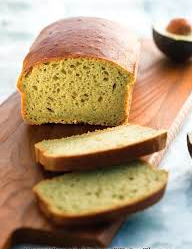
Matcha Loaf Cake is a soft, moist, and flavorful homemade cake prepared with finely ground Japanese green tea powder, commonly known as matcha.
This elegant loaf cake is characterized by its naturally green interior, delicate texture, lightly golden crust, and distinctive earthy flavor.
The combination of butter, sugar, eggs, flour, milk, and culinary-grade matcha creates a balanced cake that is slightly sweet with a subtle green tea aroma.
Its simple loaf shape makes it easy to prepare, slice, and serve. It is an excellent choice for breakfast, afternoon tea, family gatherings, and special occasions.
2. Origin
Matcha originates from Japan, where powdered green tea has been an important part of traditional tea culture for centuries.
The preparation of matcha involves specially cultivated green tea leaves that are steamed, dried, and finely ground into a bright green powder.
Matcha became particularly associated with Japanese tea ceremonies, where its preparation and presentation reflect traditions of hospitality, mindfulness, and craftsmanship.
Although traditional matcha was primarily consumed as a beverage, its distinctive flavor gradually became popular in modern baking and confectionery.
Today, matcha is widely used in cakes, cookies, pastries, ice cream, breads, and other desserts.
Matcha Loaf Cake represents a modern interpretation of traditional Japanese green tea flavors combined with Western-style butter cake preparation.
3. Cultural Significance
Matcha holds an important place in Japanese culinary and cultural traditions.
It is closely associated with Japanese hospitality, tea ceremonies, and the appreciation of carefully prepared food and beverages.
The use of matcha in modern desserts demonstrates how traditional ingredients can be incorporated into contemporary international cuisine.
Matcha Loaf Cake is particularly popular among people who appreciate Japanese-inspired desserts and distinctive green tea flavors.
It is commonly enjoyed during:
- Afternoon tea gatherings.
- Family breakfasts.
- Weekend brunches.
- Coffee and tea breaks.
- Birthday celebrations.
- Special family occasions.
- Homemade dessert gatherings.
Its attractive green color and delicate flavor make it a distinctive alternative to traditional vanilla and chocolate cakes.
4. Ingredients and Quantities
The following ingredients produce one standard matcha loaf cake.
Dry ingredients:
| Ingredient | Quantity |
|---|---|
| All-purpose flour | 190 g |
| Culinary-grade matcha powder | 2 tablespoons |
| Baking powder | 1½ teaspoons |
| Salt | ¼ teaspoon |
Wet ingredients:
| Ingredient | Quantity |
|---|---|
| Unsalted butter, softened | 115 g |
| Granulated sugar | 150 g |
| Large eggs | 2 |
| Vanilla extract | 1 teaspoon |
| Whole milk | 120 ml |
Optional additions:
- White chocolate chips: ½ cup.
- Almond extract: ¼ teaspoon.
- Lemon zest: 1 teaspoon.
- Powdered sugar: For decoration.
- White chocolate glaze: As desired.
Preparation time: 15 minutes.
Baking time: 40–50 minutes.
Cooling time: Approximately 1 hour.
Oven temperature: 175°C (350°F).
Yield: 1 loaf, approximately 8–10 slices.
5. Optional Additions
Matcha Loaf Cake can be customized with several ingredients to enhance its flavor, texture, and presentation.
- White chocolate chips: Add sweetness and creamy chocolate flavor.
- Almond extract: Introduces a delicate nutty aroma.
- Lemon zest: Provides a refreshing citrus note.
- Chopped almonds: Add a pleasant crunchy texture.
- Pistachios: Complement the green tea flavor.
- Coconut flakes: Introduce a mild tropical sweetness.
- Blueberries: Provide a fruity contrast.
- Cream cheese glaze: Creates a rich and slightly tangy topping.
- White chocolate glaze: Adds a smooth and decorative finish.
- Powdered sugar: Creates a simple and elegant presentation.
These additions can be incorporated into the batter or used as toppings.
6. Tips for Success
- Use good-quality culinary-grade matcha for a pleasant green tea flavor.
- Sift the matcha powder with the flour to prevent lumps.
- Use room-temperature eggs and milk for better mixing.
- Allow the butter to soften naturally before preparing the batter.
- Cream the butter and sugar thoroughly to incorporate air.
- Add the eggs one at a time to maintain a smooth mixture.
- Avoid overmixing after adding the flour.
- Measure the matcha accurately because excessive quantities can create bitterness.
- Line the loaf pan with parchment paper to make removal easier.
- Avoid opening the oven during the first 30 minutes of baking.
- Check the center with a toothpick before removing the cake.
- Allow the loaf to cool before slicing to preserve its structure.
- Store the cake in an airtight container to maintain moisture.
- Use fresh matcha powder for better color and flavor.
7. Instructions
Step 1: Prepare the oven and loaf pan
Preheat the oven to 175°C (350°F).
Grease a standard 8.5 × 4.5-inch loaf pan with butter or cooking spray.
Line the pan with parchment paper, leaving some overhang on the sides to make removing the cake easier.
Step 2: Combine the dry ingredients
In a medium mixing bowl, sift together the all-purpose flour, matcha powder, baking powder, and salt.
Whisk gently until all the ingredients are evenly distributed.
Sifting is particularly important because matcha powder can form small lumps.
Set the mixture aside.
Step 3: Cream the butter and sugar
Place the softened unsalted butter in a large mixing bowl.
Add the granulated sugar.
Using an electric mixer, beat the ingredients for approximately 2–3 minutes until the mixture becomes pale, light, and fluffy.
This process incorporates air into the batter and contributes to a tender cake texture.
Step 4: Add the eggs
Add the first egg to the butter mixture and beat until fully incorporated.
Add the second egg and continue mixing.
Pour in the vanilla extract and mix until smooth.
Step 5: Combine the wet and dry ingredients
Add approximately half of the prepared flour and matcha mixture to the butter mixture.
Mix gently until partially incorporated.
Pour in the milk and stir until combined.
Add the remaining dry ingredients.
Fold gently using a spatula until the batter becomes smooth and uniform.
Avoid overmixing because excessive mixing can produce a dense cake.
Step 6: Transfer the batter
Pour the prepared batter into the lined loaf pan.
Use a spatula to distribute it evenly.
Smooth the surface gently.
If desired, create a slight line along the center of the batter to encourage an attractive crack during baking.
Step 7: Bake the cake
Place the loaf pan in the preheated oven.
Bake for approximately 40–50 minutes at 175°C (350°F).
Check the cake by inserting a toothpick into the center.
If it comes out clean or with a few moist crumbs, the cake is ready.
If the toothpick contains wet batter, continue baking for several additional minutes.
Step 8: Cool the cake
Remove the loaf pan from the oven.
Allow the cake to rest in the pan for approximately 10 minutes.
Carefully lift it out using the parchment paper.
Transfer the loaf to a wire cooling rack and allow it to cool completely.
Step 9: Slice and serve
Once completely cooled, place the loaf on a cutting board.
Use a sharp serrated knife to cut even slices.
Serve plain or decorate with powdered sugar, white chocolate glaze, or chopped pistachios.
8. Description
Matcha Loaf Cake is a delicious homemade dessert distinguished by its soft green interior, lightly golden crust, and delicate green tea flavor.
The all-purpose flour provides the structure, while butter and sugar contribute richness and sweetness.
Eggs help bind the ingredients and provide structure, while milk creates a moist and tender crumb.
The matcha powder gives the cake its characteristic green color and distinctive earthy aroma.
Vanilla extract complements the green tea flavor, while baking powder helps the cake rise during baking.
When properly prepared, the finished loaf develops a lightly browned exterior and a soft, evenly textured green interior.
Its balanced sweetness and subtle bitterness make it particularly enjoyable with coffee, green tea, or other warm beverages.
9. Nutritional Information
The following nutritional values are approximate estimates per slice, assuming the loaf produces 10 slices.
| Nutritional Component | Estimated Amount |
|---|---|
| Calories | 190–220 kcal |
| Protein | 3–4 g |
| Carbohydrates | 25–29 g |
| Fat | 9–11 g |
| Fiber | 1–2 g |
| Sugar | 12–16 g |
Nutritional highlights:
- Flour provides carbohydrates for energy.
- Eggs contribute protein and essential nutrients.
- Milk provides calcium and additional protein.
- Butter contributes fat and richness.
- Matcha contains naturally occurring antioxidants, including catechins.
- Matcha also contains caffeine, although the amount per slice is relatively small.
Actual nutritional values depend on ingredient brands, quantities, and optional additions.
10. Conclusion
Classic Matcha Loaf Cake is an elegant homemade dessert that combines traditional Japanese green tea flavors with the familiar texture of a Western-style butter cake.
Its attractive green interior, golden crust, moist crumb, and distinctive earthy aroma make it a delicious alternative to conventional vanilla and chocolate cakes.
The recipe uses simple ingredients and straightforward preparation techniques, making it suitable for both beginner and experienced home bakers.
Whether served at breakfast, afternoon tea, or special gatherings, Matcha Loaf Cake offers a distinctive combination of flavor, appearance, and texture.
11. Recommendation
Matcha Loaf Cake is highly recommended for people who enjoy green tea flavors and homemade baked desserts.
For the best results:
- Choose fresh, good-quality culinary matcha.
- Sift the dry ingredients carefully.
- Use room-temperature ingredients.
- Cream the butter and sugar until fluffy.
- Avoid overmixing the batter.
- Monitor the baking time carefully.
- Allow the loaf to cool completely before slicing.
It pairs particularly well with:
- Japanese green tea.
- Matcha latte.
- Hot coffee.
- Fresh strawberries.
- Blueberries.
- Vanilla ice cream.
- Greek yogurt.
- White chocolate.
- Honey.
- Fresh whipped cream.
For an attractive presentation, serve the slices on a ceramic plate with a light dusting of powdered sugar and a few fresh berries.
12. Embracing Healthful Indulgence
Matcha Loaf Cake can be enjoyed as part of a balanced and varied diet.
Matcha contributes naturally occurring antioxidants, while eggs and milk provide protein and other essential nutrients.
Preparing the cake at home allows greater control over the sugar, butter, and optional toppings.
For a more nutritionally varied version, consider:
- Replacing a portion of the all-purpose flour with whole-wheat flour.
- Reducing the added sugar slightly.
- Adding chopped almonds or pistachios.
- Incorporating fresh blueberries.
- Serving smaller slices alongside fresh fruit.
- Using plain yogurt as part of the dairy component.
- Choosing moderate amounts of white chocolate.
- Pairing the cake with unsweetened green tea.
These adjustments can provide additional nutritional variety while preserving the characteristic matcha flavor and soft cake texture.
The essence of healthful indulgence is enjoying delicious homemade desserts prepared with quality ingredients while maintaining balance, variety, and moderation in everyday eating.