
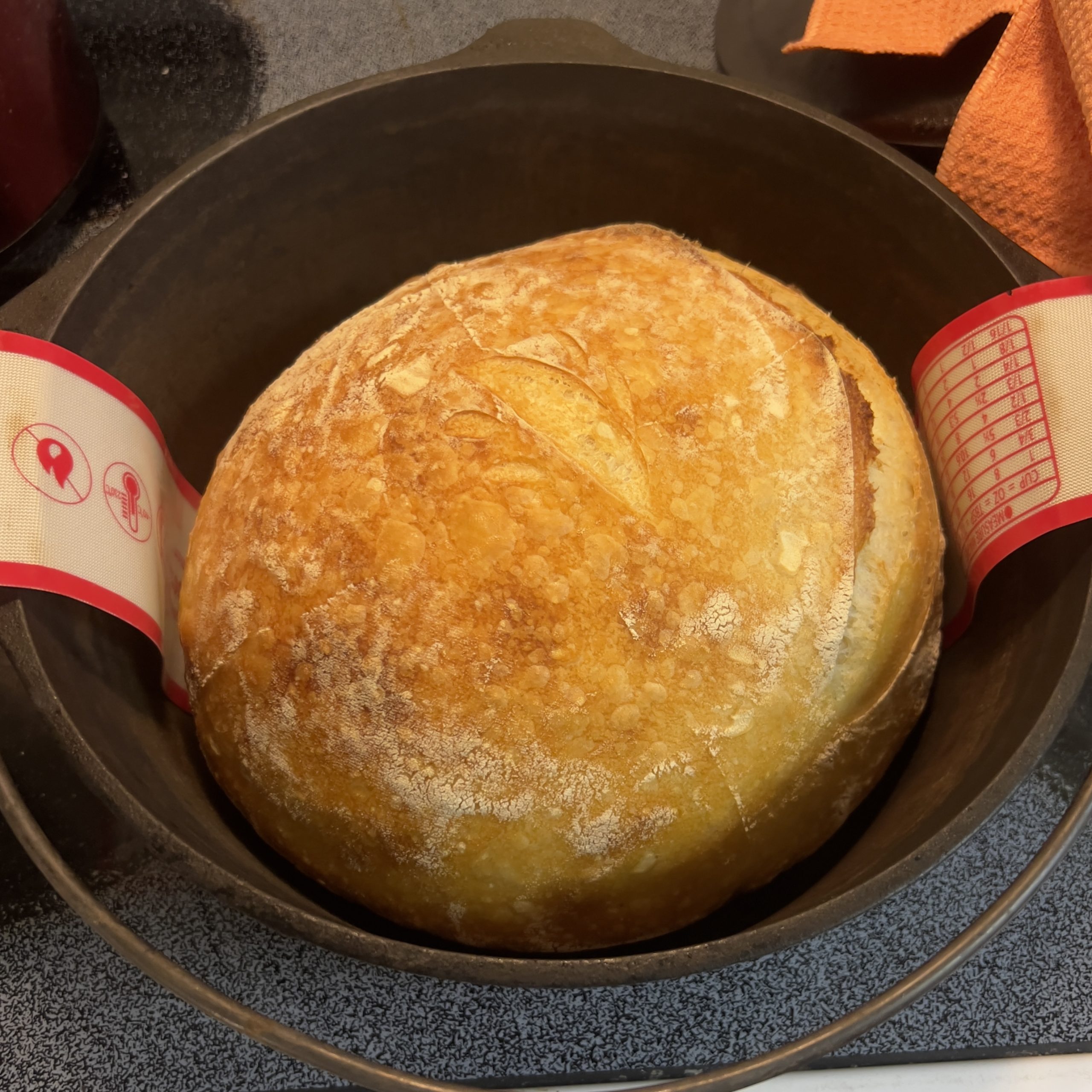
A rich, moist butter cake with a beautifully golden-brown crust, tender yellow crumb, and delicate vanilla aroma. Made with simple ingredients including butter, eggs, sugar, flour, and milk, this classic homemade cake delivers a soft, fluffy texture and irresistible buttery flavor. Perfect for afternoon tea, family gatherings, breakfast treats, or a comforting dessert.
Prep Time: 15 minutes | Bake Time: 40–50 minutes | Servings: 9–12 slices | Difficulty: Easy
1. Introduction
If you love simple homemade cakes with a rich buttery flavor and a wonderfully soft texture, this Classic Moist Butter Cake is an excellent recipe to try.
Made with softened butter, sugar, fresh eggs, vanilla, flour, and milk, this cake combines everyday baking ingredients into a delicious dessert.
Creaming the butter and sugar introduces small air pockets into the batter, helping the cake develop a light and tender crumb.
The eggs provide structure and richness, while milk contributes additional moisture.
During baking, the cake develops a beautiful golden-brown crust while remaining soft and buttery inside.
This timeless dessert is perfect for enjoying with coffee, tea, fresh fruit, or a light dusting of powdered sugar.
2. Origin and Cultural Significance
Butter cakes have a long history in European and American baking traditions.
They are closely related to traditional pound cakes, which were originally prepared using equal weights of butter, sugar, eggs, and flour.
Modern butter cake recipes often include milk and baking powder to create a lighter, more tender texture.
Butter cake is also popular throughout Southeast Asia, where it is frequently enjoyed as a simple homemade dessert or afternoon snack.
Although its golden appearance can resemble Hawaiian butter mochi, the two desserts have different ingredients and textures.
Butter cake uses wheat flour and has a tender cake-like crumb, while Hawaiian butter mochi uses glutinous rice flour and typically has a dense, chewy texture.
3. Ingredients
For the Classic Butter Cake
- 1 cup (226g) unsalted butter, softened
- 1 cup (200g) granulated sugar
- 4 large eggs, at room temperature
- 2 teaspoons vanilla extract
- 1½ cups (180g) all-purpose flour
- 1½ teaspoons baking powder
- ½ teaspoon salt
- ⅓ cup (80ml) whole milk, at room temperature
Optional Toppings
- Powdered sugar
- Fresh strawberries
- Lightly sweetened whipped cream
- Vanilla glaze
- Toasted sliced almonds
Ingredient Notes
Butter: Use good-quality unsalted butter softened to room temperature, rather than melted.
Sugar: Adds sweetness, helps retain moisture, and contributes to browning.
Eggs: Provide richness, structure, and the cake’s characteristic yellow color.
Flour: All-purpose flour works well, while cake flour can produce a more delicate crumb.
Baking Powder: Helps the cake rise during baking.
Whole Milk: Adds moisture and richness. Buttermilk can also be used for a slightly tangier flavor.
Vanilla: Enhances the buttery aroma and overall flavor.
4. Optional Additions
Lemon Butter Cake: Add 1–2 teaspoons freshly grated lemon zest to the batter.
Orange Butter Cake: Incorporate fresh orange zest for a fragrant citrus variation.
Chocolate Chip Butter Cake: Fold ½ cup chocolate chips into the finished batter.
Coconut Butter Cake: Add ¼ cup unsweetened shredded coconut.
Marble Butter Cake: Mix a small portion of the batter with cocoa powder and gently swirl it through the remaining batter.
Almond Butter Cake: Add ½ teaspoon almond flavoring and sprinkle sliced almonds over the surface.
5. Tips for Success
1. Use room-temperature ingredients. Butter, eggs, and milk combine more evenly when they are not cold.
2. Cream the butter and sugar thoroughly. Beat for 3–4 minutes until pale and fluffy.
3. Add eggs gradually. Adding one egg at a time helps maintain a smooth batter.
4. Measure flour accurately. Excess flour can make the cake dry and dense.
5. Avoid overmixing. Mix gently once the flour is incorporated.
6. Choose the correct baking pan. An 8-inch square pan produces a thicker cake, while a 9-inch pan produces a thinner cake that may bake faster.
7. Check the cake before removing it. A golden surface does not always mean the center is fully baked.
8. Cool before slicing. Allowing the cake to cool helps its delicate crumb hold together.
6. Instructions
Step 1: Preheat the Oven
Preheat your oven to 350°F (175°C).
Lightly grease an 8 × 8-inch square baking pan.
Line it with parchment paper, leaving an overhang on two sides for easy removal.
Step 2: Prepare the Butter
Place the softened butter in a large mixing bowl.
The butter should be soft enough to press easily but should not appear melted or greasy.
Step 3: Cream the Butter and Sugar
Add the granulated sugar to the softened butter.
Using an electric mixer, beat on medium-high speed for approximately 3–4 minutes, until the mixture becomes pale, light, and fluffy.
Scrape down the sides of the bowl as needed.
Step 4: Incorporate the Eggs
Add the eggs one at a time.
Beat well after each addition until incorporated.
If the mixture begins to look slightly separated, add a tablespoon of the measured flour and continue mixing gently.
Step 5: Add the Vanilla
Pour in the vanilla extract.
Mix briefly until evenly distributed throughout the butter mixture.
Step 6: Combine the Dry Ingredients
In a separate mixing bowl, whisk together the all-purpose flour, baking powder, and salt.
Break up any visible lumps.
Step 7: Add the Flour and Milk
Add approximately one-third of the flour mixture to the butter mixture.
Mix on low speed until just combined.
Add half of the milk, followed by another portion of flour.
Repeat with the remaining milk and finish with the remaining flour.
Step 8: Finish the Batter
Using a spatula, gently fold the batter until no dry flour remains.
The finished batter should be thick, creamy, and relatively smooth.
Avoid excessive mixing.
Step 9: Transfer to the Baking Pan
Pour the batter into the prepared square pan.
Spread it evenly using a spatula.
Smooth the surface and gently tap the pan against the countertop to release large air bubbles.
Step 10: Bake Until Golden Brown
Place the pan on the middle oven rack.
Bake for approximately 40–50 minutes, checking from 35 minutes onward.
The cake should develop a golden-brown surface, and a toothpick inserted into the center should come out clean or with a few moist crumbs.
If using a 9-inch square pan, begin checking around 30–35 minutes because the batter will be shallower.
Step 11: Cool the Cake
Remove the cake from the oven.
Allow it to cool in the pan for approximately 15 minutes.
Carefully lift it out using the parchment paper and transfer it to a wire rack.
Allow it to cool completely before slicing.
Step 12: Slice and Serve
Cut the cake into 9–12 equal squares.
Dust lightly with powdered sugar if desired.
Serve plain or alongside fresh berries and whipped cream.
7. Description
Classic Moist Butter Cake features a golden-brown exterior and a tender, buttery yellow interior.
The cake has a soft, fine crumb with a rich vanilla aroma and balanced sweetness.
Unlike lighter sponge cakes, butter cake has a slightly denser and richer texture while remaining moist and tender.
| Component | Flavor and Texture |
|---|---|
| Butter | Rich, creamy, buttery |
| Sugar | Sweet, lightly caramelized |
| Eggs | Rich, tender, golden |
| Flour | Soft, delicate crumb |
| Whole milk | Moist, creamy |
| Vanilla | Sweet, aromatic |
| Golden crust | Lightly firm, caramelized |
| Finished cake | Moist, fluffy, buttery |
8. Nutritional Information
Approximate nutritional values per slice, assuming the cake is divided into 12 equal portions without additional toppings.
| Nutrient | Estimated Amount |
|---|---|
| Calories | 280–300 kcal |
| Protein | 4–5 g |
| Carbohydrates | 27–30 g |
| Total Fat | 17–19 g |
| Saturated Fat | 10–11 g |
| Dietary Fiber | Less than 1 g |
| Sugar | 17–19 g |
Actual nutritional values depend on the ingredients used, portion size, milk variety, and optional toppings.
9. Recipe Details
| Detail | Information |
|---|---|
| Recipe Name | Classic Moist Butter Cake |
| Cuisine | Traditional Western Baking |
| Course | Dessert, Sweet Snack |
| Preparation Time | 15 minutes |
| Baking Time | 40–50 minutes |
| Cooling Time | 45–60 minutes |
| Total Time | Approximately 1 hour 40 minutes–2 hours |
| Yield | 1 square cake |
| Servings | 9–12 slices |
| Difficulty | Easy |
| Oven Temperature | 350°F (175°C) |
| Baking Pan | 8 × 8-inch or 9 × 9-inch |
| Cooking Method | Oven Baking |
| Main Ingredients | Butter, Flour, Sugar, Eggs, Milk |
| Texture | Moist, Soft, Tender |
| Best Served | At Room Temperature |
10. Conclusion
Classic Moist Butter Cake is a timeless homemade dessert that combines simple ingredients with familiar baking techniques.
The combination of butter, eggs, milk, and vanilla creates a rich flavor and beautifully tender texture.
Its golden crust and soft yellow crumb make it particularly appealing without requiring elaborate frosting or decoration.
Whether enjoyed with afternoon tea, served at a family gathering, or topped with fresh fruit, this butter cake is a delicious homemade favorite.
11. Serving and Storage Recommendations
Best Ways to Serve
This classic butter cake pairs beautifully with:
- Fresh strawberries or raspberries
- Vanilla ice cream
- Whipped cream
- Powdered sugar
- Freshly brewed coffee
- Black tea
- Homemade fruit preserves
- Warm chocolate sauce
Storing at Room Temperature
Allow the cake to cool completely.
Store the plain, unfrosted cake in an airtight container in a cool, dry place for 2–3 days.
Refrigerating Leftovers
Store the cake in an airtight container in the refrigerator for up to 5 days.
Allow individual slices to return to room temperature before serving, as refrigerated butter cake becomes firmer.
Cakes topped with whipped cream or other perishable ingredients should be refrigerated promptly.
Reheating
Warm an individual slice in the microwave for approximately 10–15 seconds to soften the butter and refresh the texture.
Avoid overheating.
Freezing
Wrap the completely cooled cake or individual slices tightly in freezer-safe packaging.
Freeze for up to 3 months for best quality.
Thaw while wrapped at room temperature before serving.
Make-Ahead Tips
Prepare the butter cake one day before serving.
Store it in an airtight container after cooling completely.
Add powdered sugar, fresh fruit, or other toppings shortly before serving.
12. Embracing Healthful Indulgence
Classic Moist Butter Cake is a rich homemade dessert made with familiar baking ingredients.
Eggs contribute protein and nutrients, while milk provides calcium and additional protein.
Butter creates the cake’s signature flavor and tender texture but also contributes substantial saturated fat.
Because the recipe contains added sugar and butter, it is best enjoyed as an occasional treat.
For a lighter serving, cut the cake into smaller squares and accompany it with fresh berries.
Homemade baking allows you to control ingredient quality, portion sizes, and additional toppings.
With its beautifully golden-brown crust, soft buttery yellow crumb, delicate vanilla aroma, and wonderfully moist texture, this Classic Moist Butter Cake is a comforting homemade dessert perfect for everyday treats and special occasions.
#ClassicButterCake #MoistButterCake #HomemadeCake #EasyBakingRecipes #VanillaButterCake