
Description
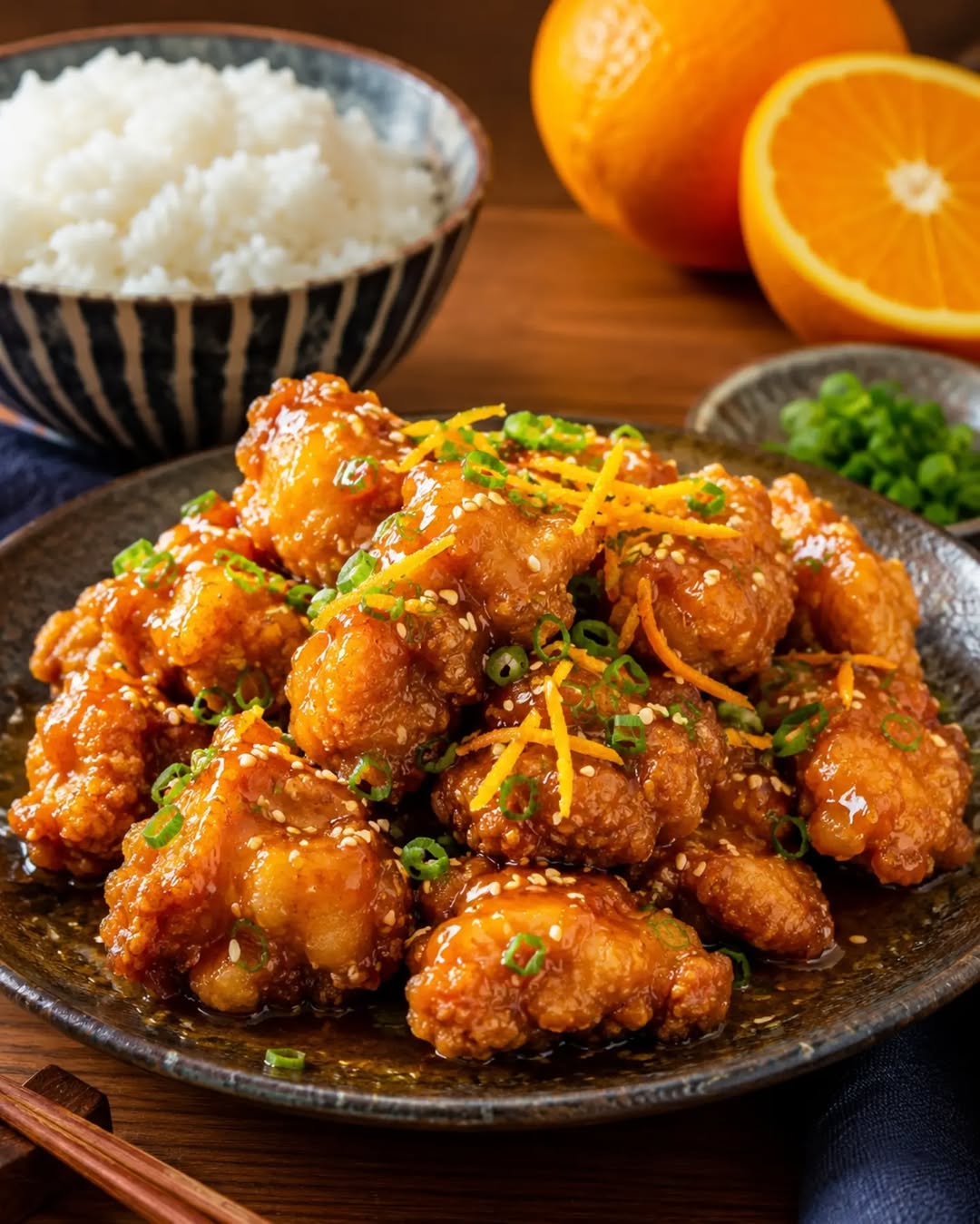
Japanese Chicken Karaage is a celebrated culinary classic featuring tender, juicy bite-sized chicken thighs marinated in an aromatic blend of soy sauce, ginger, garlic, and sake. Coated in a light layer of potato starch and double-fried to achieve a shatteringly crisp exterior, this version is paired with a glossy, sweet-and-tangy Japanese-style citrus orange sauce that glazes each piece beautifully.
Introduction
This recipe delivers an exceptional balance of textures and flavors by utilizing traditional Japanese frying methods. The hallmark of an authentic karaage lies in using boneless chicken thighs with the skin attached, combined with potato starch rather than wheat flour. Potato starch creates a distinctly light, crisp, and lace-like shell. By employing the traditional double-fry technique, the chicken first cooks through gently at a lower temperature before a fast, high-heat second fry coaxes out maximum crispness without drying out the interior meat.
Origin and Cultural Significance
While the term karaage historically referred to any Chinese style of deep-frying components without batter, the modern variation we enjoy today emerged in Japan during the 1930s at an Izakaya (Japanese pub) named Mikitani in Ginza. It became wildly popular post-World War II as a resourceful, high-flavor way to serve poultry. Today, it is a definitive cornerstone of Japanese comfort food—found everywhere from street food stalls and convenience stores to elegant bento boxes and home-cooked family dinners. Pairing it with a zesty citrus glaze pulls inspiration from Yuzu and Ponzu culinary dynamics, adding a modern, refreshing profile to a timeless favorite.
Ingredients Quantity
The Karaage Marinade
- 500 grams boneless, skinless chicken thighs (cut into bite-sized cubes)
- 2 tablespoons soy sauce (shoyu)
- 1 tablespoon cooking sake (or dry white wine)
- 1 teaspoon fresh ginger (finely grated)
- 2 cloves garlic (finely grated)
- 1 teaspoon toasted sesame oil
- Freshly cracked black pepper (to taste)
Frying Medium
- 1 cup potato starch (katakuriko)
- Neutral cooking oil with a high smoke point (such as canola, peanut, or corn oil, for deep frying)
Citrus Orange Sauce
- 100 ml fresh orange juice
- 2 tablespoons soy sauce (shoyu)
- 1 tablespoon honey
- 1 tablespoon mirin (sweet rice wine, or substitute with 1 teaspoon granulated sugar)
- 1 teaspoon fresh orange zest
- 1 teaspoon rice vinegar
- 1 teaspoon cornstarch dissolved in 2 tablespoons cold water (slurry)
Finish and Garnish
- 1 stalk green onion / scallion (finely sliced)
- 1 teaspoon toasted sesame seeds
Optional Additions
- Spicy Infusion: Mix ½ teaspoon of Shichimi Togarashi (Japanese seven-spice blend) or chili flakes into the orange sauce for a gentle heat overlay.
- Citrus Swap: Replace a splash of the orange juice with fresh lime juice or a drop of yuzu extract to deepen the tart complexity.
- Umami Boost: Toss a small piece of Kombu (dried kelp) into the sauce while it simmers to extract a deeper savory undertone.
Tips for Success
- Use Genuine Potato Starch: Avoid swapping potato starch for standard wheat flour. Wheat flour contains gluten, which yields a heavier, bread-like coating rather than the signature light, glassy crunch unique to authentic Japanese karaage.
- Shake Off Excess Starch: When dredging the marinated chicken, dust each piece thoroughly but tap off any heavy excess coating. A thin, uniform layer ensures a clean fry without chalky pockets.
- Do Not Skip the Rest Period: Resting the chicken between the first and second fry is essential. It allows the internal residual heat to cook the center of the meat completely while letting surface moisture evaporate, optimizing it for a perfect final crisp.
Instructions
1. Marinate the Chicken
In a medium bowl, combine the cubed chicken thighs with the soy sauce, cooking sake, grated ginger, grated garlic, sesame oil, and black pepper. Massage the liquid into the meat using your hands, then cover and let it marinate at room temperature for at least 30 minutes (or inside the refrigerator for up to 4 hours).
2. Dredge and Coat
Pour the potato starch into a shallow bowl. Take each piece of marinated chicken, letting any excessive pooled marinade drip off, and roll it thoroughly in the starch. Press firmly so the starch bonds with the surface, then gently tap away any loose powder.
3. The First Fry (The Cook)
Heat your neutral frying oil in a deep skillet or pot to 340°F (170°C). Working in batches to avoid crowding the pan, lower the chicken into the hot oil. Fry for about 4 minutes until the coating sets into a very light golden hue. Remove with a slotted spoon or spider strainer and let the chicken rest on a wire cooling rack or paper towels for 3 minutes.
4. The Second Fry (The Crunch)
Increase the heat of your stove until the frying oil reaches 375°F (190°C). Return the rested chicken pieces back into the hot oil. Fry for an additional 1 to 2 minutes, turning occasionally, until the exterior transforms into a deep golden-brown, crispy shell. Drain on the wire rack.
5. Simmer the Citrus Glaze
While the chicken undergoes its initial resting phase, combine the fresh orange juice, soy sauce, honey, mirin, orange zest, and rice vinegar in a small saucepan over medium heat. Bring the mixture to a boil. Once bubbling, stir your prepared cornstarch slurry quickly to re-homogenize it, then pour it into the pan. Whisk continuously for 1 minute as the sauce thickens into a glossy, clear glaze. Turn off the heat.
6. Dress and Serve
Transfer the hot, crispy karaage to a serving platter. Drizzle the warm citrus orange sauce generously over the chicken, or toss them together briefly in a clean bowl to coat. Scatter the sliced green onions and toasted sesame seeds over the top and serve immediately alongside hot steamed gohan (Japanese rice).
Nutritional Information
Serving Size: 1 plate of karaage with sauce (assuming a yield of 3 generous servings)
| Nutrient | Amount Per Serving |
| Calories | 410 kcal |
| Total Fat | 18g |
| Saturated Fat | 4g |
| Cholesterol | 135mg |
| Sodium | 640mg |
| Total Carbohydrate | 35g |
| Dietary Fiber | 0.8g |
| Sugars | 11g |
| Protein | 26g |
Recommendation
This vibrant, savory-sweet dish pairs beautifully with a side of lightly dressed Japanese cucumber salad (sunomono), shredded green cabbage with a sesame-ginger dressing, or a hot bowl of traditional miso soup to cut through the rich fried profile.
Embracing Healthful Indulgence
This recipe provides high-quality protein and utilizing ginger and garlic naturally aids digestion. To adapt this dish to a lighter lifestyle while preserving its bright flavor profile, you can brush the starch-dredged chicken lightly with sesame oil and bake them in an Air Fryer at 380°F (195°C) for 15 minutes, flipping halfway through, and replace the honey in the sauce with a touch of stevia or low-glycemic maple syrup.
Conclusion
Japanese Citrus Orange Karaage shows how precise frying intervals can elevate basic chicken into an addictive culinary experience. By combining a classic ginger-soy aromatic marinade with a double-fry technique and a glossy fruit reduction, you create a dynamic harmony of deep crunch and bright sweetness that brings immediate comfort to any dinner table.