
1. Introduction
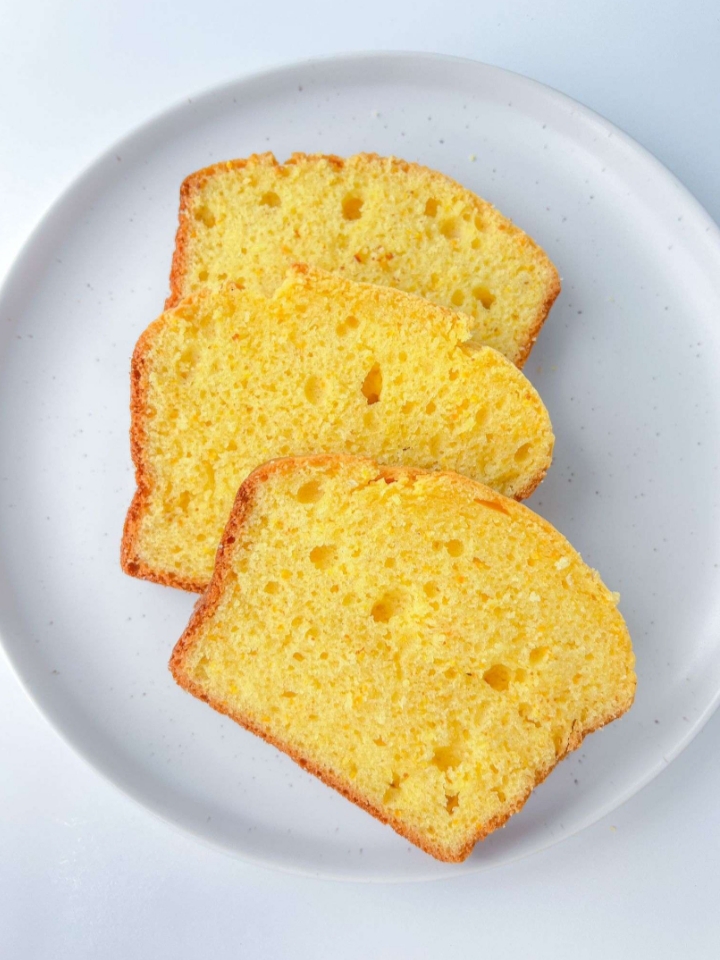
Japanese Honey Castella Cake, traditionally known as Kasutera, is a delicate, golden sponge cake celebrated for its exceptionally soft, moist, and bouncy texture. With its beautifully caramelized brown top and bottom crust and its fine, even crumb, this cake is a wonderful example of simple ingredients transformed into something extraordinary.
Unlike conventional sponge cakes, Castella does not rely on butter, oil, or baking powder. Instead, its signature texture comes from carefully whipped eggs, sugar, honey, and bread flour.
The honey adds a gentle sweetness and distinctive aroma, while the bread flour creates the cake’s characteristic elasticity and structure.
Perfect with a cup of green tea, coffee, or afternoon tea, Japanese Castella is an elegant treat for everyday enjoyment and special occasions.
2. Origin and Cultural Significance
Castella cake has an interesting history that connects European baking traditions with Japanese culinary culture.
Its origins can be traced to Portuguese sponge cakes introduced to Japan by Portuguese merchants and missionaries during the 16th century, particularly through the port city of Nagasaki.
The name Castella is believed to derive from the Portuguese expression Pão de Castela, meaning bread from Castile.
Over time, Japanese bakers adapted the original European recipe, refining the ingredients and baking techniques to create the distinctive Japanese Kasutera known today.
Nagasaki Castella became especially famous and developed into a beloved traditional confection. It is commonly given as a gift, served during celebrations, and enjoyed with tea.
Today, Japanese Honey Castella represents a beautiful blend of cultural exchange, craftsmanship, and the Japanese appreciation for delicate textures and balanced sweetness.
3. Ingredients Quantity
Yield: One 7-inch (18 cm) square cake or one 8 × 4-inch loaf cake.
| Ingredient | Quantity |
|---|---|
| Large eggs, room temperature | 5 |
| Granulated sugar | 130 g (⅔ cup) |
| Good-quality honey | 45 g (2 tablespoons) |
| Warm water or milk | 1 ½ tablespoons |
| Bread flour, sifted twice | 120 g (1 cup) |
| Vanilla extract (optional) | 1 teaspoon |
4. Optional Additions
Although traditional Castella is known for its simple honey flavor, you can introduce subtle variations:
- Vanilla Extract: Adds a delicate, sweet aroma.
- Matcha Powder: Incorporate a little sifted matcha for a Japanese green tea variation.
- Lemon Zest: Adds a refreshing citrus fragrance.
- Orange Zest: Creates a gentle fruity aroma that complements honey.
- Brown Sugar: Replace a small portion of the granulated sugar for deeper caramel notes.
- Cinnamon: Add a small pinch for a warm, comforting flavor.
For the most traditional experience, keep the original recipe simple and allow the honey and eggs to shine.
5. Tips for Success
- Use Room-Temperature Eggs: They whip more easily and help create a stable, voluminous mixture.
- Sift the Flour Twice: This removes lumps and helps produce an exceptionally fine crumb.
- Whip the Eggs Properly: The whipped egg mixture provides the cake’s structure, so adequate aeration is essential.
- Add Honey Carefully: Mix the honey with warm water or milk before incorporating it into the batter.
- Fold Gently: Use a spatula to incorporate the flour without deflating the egg mixture.
- Avoid Overmixing: Excessive mixing can remove the air responsible for Castella’s soft texture.
- Bake at a Moderate Temperature: Gentle, even heat helps the cake develop its characteristic golden crust.
- Allow the Cake to Rest: Wrapping the cooled cake and refrigerating it overnight helps the moisture distribute evenly and enhances its texture.
6. Instructions
Step 1: Prepare the Baking Pan
Preheat your oven to 320°F (160°C).
Line a 7-inch (18 cm) square baking pan or an 8 × 4-inch loaf pan with parchment paper, leaving enough paper hanging over the edges to make removal easier.
Step 2: Prepare the Honey Mixture
In a small bowl, combine the honey with the warm water or milk.
Stir until the honey dissolves completely. Set aside.
Step 3: Whip the Eggs and Sugar
Place the room-temperature eggs and granulated sugar into a large mixing bowl.
Using an electric mixer, beat until the mixture becomes pale, thick, and fluffy, with a ribbon-like consistency.
This process usually takes approximately 8–12 minutes, depending on your mixer.
Step 4: Incorporate the Honey
Reduce the mixer speed to low.
Gradually add the honey mixture and vanilla extract, if using. Mix gently until combined.
Step 5: Add the Bread Flour
Sift the bread flour twice.
Add it gradually to the whipped egg mixture, folding gently with a spatula until no visible dry flour remains.
Avoid overmixing to preserve the air in the batter.
Step 6: Fill the Pan
Pour the batter into the prepared baking pan.
Gently tap the pan on the counter to release large air bubbles. If necessary, use a skewer to remove visible bubbles near the surface.
Step 7: Bake the Cake
Place the pan in the preheated oven.
Bake for approximately 40–50 minutes, or until the top becomes deeply golden brown and a wooden skewer inserted into the center comes out clean.
If the top browns too quickly, loosely cover it with aluminum foil.
Step 8: Cool the Cake
Remove the cake from the oven and carefully lift it out of the pan using the parchment paper.
Allow it to cool slightly on a wire rack.
Step 9: Wrap and Rest
For the traditional moist Castella texture, remove the parchment once the cake has cooled sufficiently.
Wrap the cake tightly in plastic wrap and refrigerate overnight.
This resting period allows the moisture to distribute throughout the cake, creating an exceptionally soft and tender crumb.
Step 10: Slice and Serve
Remove the cake from the refrigerator and trim the edges if desired.
Using a sharp knife, cut into even slices and serve at room temperature.
Enjoy its delicate honey aroma, fine texture, and beautiful golden crust!
7. Description
Japanese Honey Castella Cake is a wonderfully delicate sponge cake with a distinctive combination of textures and flavors.
Its top and bottom develop a rich golden-brown color, while the inside remains pale golden, moist, and exceptionally fine.
The crumb is soft, springy, and slightly elastic, creating the signature bouncy texture that makes authentic Castella so special.
Honey provides a gentle floral sweetness and a subtle caramel-like aroma without overpowering the natural flavor of the eggs.
Unlike rich butter cakes, Castella feels light and simple while remaining satisfyingly moist.
Each slice is elegant in its simplicity, making it an ideal accompaniment to tea or coffee.
8. Nutritional Information
Estimated nutritional values per serving, assuming 10 equal slices. Actual values vary depending on ingredient brands and portion sizes.
| Nutrient | Amount |
|---|---|
| Calories | 145 kcal |
| Total Fat | 4 g |
| Saturated Fat | 1.3 g |
| Cholesterol | 93 mg |
| Carbohydrates | 23 g |
| Sugars | 16 g |
| Protein | 5 g |
| Fiber | 0.2 g |
| Sodium | 45 mg |
9. Conclusion
Japanese Honey Castella Cake is a timeless dessert that celebrates the beauty of simplicity. With only a handful of everyday ingredients, it creates an extraordinary cake with a soft, moist crumb, delicate honey sweetness, and beautifully caramelized crust.
Its unique preparation method, relying on whipped eggs rather than chemical leavening agents, makes it a fascinating and rewarding baking experience.
Whether enjoyed as an afternoon treat, served to guests, or shared during special celebrations, Castella offers a delicious taste of Japanese baking tradition.
10. Recommendation
For the best Castella experience, prepare the cake one day before serving and allow it to rest overnight in the refrigerator.
Here are some lovely serving suggestions:
- Japanese Green Tea: Its slightly earthy flavor balances the sweetness of the honey.
- Matcha Latte: Creates a delicious Japanese-inspired afternoon treat.
- Fresh Strawberries: Add freshness and a pleasant fruity contrast.
- Fresh Berries: Blueberries and raspberries complement the delicate sponge.
- Lightly Sweetened Whipped Cream: Adds a creamy finishing touch.
- Hot Coffee: Pairs beautifully with the cake’s subtle caramelized flavor.
For an authentic presentation, serve neat rectangular slices with the golden crust visible.
Store the cake tightly wrapped in the refrigerator for approximately 3–4 days.
11. Embracing Healthful Indulgence
Japanese Honey Castella Cake is a lovely example of enjoying a homemade dessert made with simple, recognizable ingredients.
Eggs provide protein and essential nutrients, while honey contributes sweetness and a distinctive natural aroma. The absence of butter and added oil gives this cake a different nutritional profile from many traditional rich cakes.
Its delicate texture and satisfying flavor make a modest slice a pleasant addition to an enjoyable, balanced eating routine.
For a lighter serving, pair a slice with fresh seasonal fruit or unsweetened green tea.
Ultimately, healthful indulgence is about appreciating quality ingredients, enjoying food mindfully, and making room for delicious treats without unnecessary restrictions.
A beautifully soft, honey-scented Japanese classic that proves that the simplest ingredients can create something truly special!