
1. Introduction
Nigerian Peppered Catfish Stew is a flavorful and spicy traditional dish prepared with fresh catfish simmered in a rich sauce made from red bell peppers, Scotch bonnet peppers, onions, garlic, ginger, and palm oil.
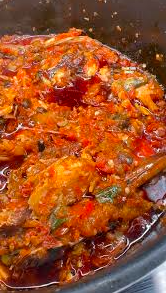
The dish is known for its vibrant red color, aromatic seasoning, tender fish, and thick, flavorful pepper sauce. It combines spicy, savory, and slightly smoky flavors, making it a popular choice for people who enjoy traditional West African cuisine.
It can be served as a main dish alongside boiled rice, yam, fried plantains, or fufu.
2. Origin
Nigerian Peppered Catfish Stew originates from Nigeria, where fish-based dishes are an important part of traditional cooking, particularly in communities near rivers and coastal areas.
Catfish is widely consumed because of its availability, distinctive taste, and versatility in different cooking methods.
The recipe reflects Nigerian culinary traditions through the use of palm oil, fresh peppers, onions, local herbs, and traditional seasonings. Different regions and households prepare the stew using their preferred combinations of spices and vegetables.
3. Cultural Significance
Fish dishes hold an important place in Nigerian food culture, particularly in communities where fishing and fish trading are common economic activities.
Peppered Catfish Stew is enjoyed during:
- Family meals and weekend gatherings.
- Traditional celebrations and festivals.
- Special occasions and social events.
- Restaurants and local food gatherings.
- Everyday meals shared with family and friends.
The dish represents the richness of Nigerian culinary traditions, particularly the use of fresh ingredients, aromatic spices, and bold pepper flavors.
4. Ingredients and Quantities
| Ingredient | Quantity |
|---|---|
| Fresh catfish, cleaned and cut into steaks | 1 medium fish |
| Red bell peppers (tatashe) | 4–5 |
| Scotch bonnet peppers (ata rodo) | 2–3 |
| Red onions | 2 medium |
| Garlic cloves | 3–4 |
| Fresh ginger | 1 thumb-sized piece |
| Palm oil | ½ cup |
| Seasoning cubes | 2–3 |
| Ground crayfish | 1 tablespoon |
| Curry powder | 1 teaspoon |
| Dried thyme | ½ teaspoon |
| Fresh scent leaves, basil, or spinach | 1 handful |
| Salt | To taste |
5. Optional Additions
The recipe can be customized with additional ingredients to enhance its flavor, texture, and nutritional value.
- Fresh tomatoes: Add natural sweetness and additional depth to the pepper sauce.
- Tomato paste: Create a thicker and richer sauce with a deeper red color.
- Smoked fish: Introduce a smoky flavor that complements the fresh catfish.
- Fresh parsley: Add a refreshing herbal aroma.
- Spring onions: Provide additional flavor and texture.
- Lemon or lime juice: Add a slight acidity that balances the richness of the sauce.
- Vegetable oil: Can replace palm oil for a different flavor profile.
- Extra Scotch bonnet peppers: Increase the spiciness according to personal preference.
6. Tips for Success
- Clean the catfish properly using hot water and salt or lime to remove surface slime.
- Avoid excessive handling of the fish because catfish can break apart easily during cooking.
- Use fresh peppers, onions, garlic, and ginger for a more aromatic sauce.
- Blend the pepper mixture coarsely rather than making it completely smooth.
- Allow the pepper sauce to cook sufficiently so that excess moisture evaporates.
- Avoid overheating the palm oil.
- Add the fish gently and avoid stirring too frequently.
- Cook the catfish over low to medium heat to preserve its shape and texture.
- Add fresh herbs toward the end of cooking to maintain their aroma.
- Adjust the seasoning and pepper quantity according to your taste.
7. Instructions
Step 1: Prepare the catfish
Clean the catfish thoroughly using hot water with salt or lime to remove surface slime. Rinse carefully and cut it into medium-sized steaks.
Season with salt, one seasoning cube, curry powder, thyme, and a little minced garlic and ginger. Allow it to marinate for 15–20 minutes.
Step 2: Prepare the pepper mixture
Place the red bell peppers, Scotch bonnet peppers, one onion, garlic, and ginger into a blender or food processor.
Blend or pulse until the mixture becomes coarsely chopped. Avoid creating a completely smooth puree.
Step 3: Heat the palm oil
Pour the palm oil into a large cooking pot and heat over medium heat. Avoid bleaching the oil.
Add the remaining sliced onion and sauté for approximately two minutes until fragrant.
Step 4: Cook the pepper sauce
Add the blended pepper mixture to the pot. Stir in the remaining seasoning cubes, ground crayfish, and a little salt.
Allow the mixture to cook uncovered for approximately 12–15 minutes, stirring occasionally, until the excess water evaporates and the oil begins to separate from the sauce.
Step 5: Add the catfish
Carefully arrange the seasoned catfish steaks inside the pepper sauce.
Spoon some of the sauce over the fish pieces to ensure they are properly coated.
Cover the pot and simmer over low to medium heat for approximately 8–10 minutes, or until the fish is fully cooked.
Step 6: Add the fresh herbs
Add the chopped scent leaves, basil, or spinach during the final two minutes of cooking.
Gently distribute the herbs without breaking the fish pieces.
Step 7: Serve
Remove the pot from the heat and allow the stew to rest briefly.
Serve warm with boiled white rice, boiled yam, fried plantains, or fufu.
8. Description
Nigerian Peppered Catfish Stew is a rich, aromatic, and spicy fish dish distinguished by its vibrant red pepper sauce and tender catfish steaks.
The fish absorbs the flavors of the pepper mixture, palm oil, garlic, ginger, and traditional seasonings during cooking.
The sauce has a thick consistency, with visible pieces of peppers and onions that provide texture and enhance its appearance.
The addition of fresh scent leaves or basil introduces an herbal aroma that balances the richness of the palm oil and the heat of the Scotch bonnet peppers.
Its combination of tender fish, bold spices, and flavorful sauce creates a satisfying dish that represents the diversity of Nigerian cuisine.
9. Nutritional Information
The following nutritional values are approximate estimates, assuming four servings and a medium catfish weighing approximately 1 kg before cleaning. Actual values depend on the fish size and quantity of oil used.
| Nutritional Component | Estimated Amount per Serving |
|---|---|
| Calories | 450–550 kcal |
| Protein | 35–45 g |
| Carbohydrates | 10–15 g |
| Fat | 28–38 g |
| Fiber | 3–5 g |
Nutritional highlights:
- Catfish provides high-quality protein.
- Fish contains vitamin B12 and other essential nutrients.
- Red bell peppers provide vitamin C.
- Garlic and ginger contribute aromatic plant compounds.
- Onions provide dietary fiber and beneficial plant compounds.
- Fresh herbs contribute vitamins and antioxidants.
Palm oil is a significant source of fat and contributes to the dish’s rich consistency and characteristic flavor.
10. Conclusion
Nigerian Peppered Catfish Stew is a delicious representation of traditional Nigerian cooking. Its combination of fresh fish, spicy peppers, palm oil, aromatic herbs, and carefully selected seasonings creates a distinctive and satisfying flavor.
The preparation process is relatively simple, making it suitable for both experienced cooks and people interested in exploring West African cuisine.
Whether served during family gatherings or as part of an everyday meal, this dish offers a rich culinary experience.
11. Recommendation
Nigerian Peppered Catfish Stew is recommended for people who enjoy spicy fish dishes and bold traditional flavors.
For the best results:
- Choose fresh catfish with firm flesh.
- Use a combination of red bell peppers and Scotch bonnet peppers.
- Prepare the sauce ahead of time to develop its flavor.
- Avoid overcooking the fish.
- Serve immediately while warm.
- Pair with boiled rice, yam, fried plantains, or fufu.
For a more balanced meal, serve the stew with vegetables or a fresh side salad.
12. Embracing Healthful Indulgence
Nigerian Peppered Catfish Stew can be incorporated into a balanced and varied diet because it combines fish, vegetables, peppers, and aromatic herbs.
Catfish provides protein that supports normal body functions and tissue maintenance, while the vegetables contribute vitamins, minerals, and dietary fiber.
For a lighter preparation, consider:
- Reducing the quantity of palm oil.
- Increasing the amount of red bell peppers and onions.
- Using moderate amounts of seasoning cubes and salt.
- Serving with boiled vegetables or a fresh salad.
- Choosing boiled yam or moderate portions of rice as an accompaniment.
These adjustments can help maintain the dish’s traditional flavor while offering greater nutritional flexibility.
The essence of healthful indulgence is enjoying the authentic taste of Nigerian cuisine while maintaining balance, variety, and moderation in everyday eating.