
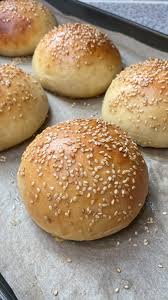
Soft, tender potato-avocado buns made with mashed potatoes, creamy avocado, oat flour, Greek yogurt, and eggs. Finished with a golden egg wash and toasted sesame seeds, these naturally green-tinted buns are a delicious alternative to traditional wheat-flour bread rolls.
Prep Time: 15 minutes | Bake Time: 20–30 minutes | Servings: 6 small buns | Difficulty: Easy
1. Introduction
If you’re looking for a creative homemade bread alternative, these Soft Potato-Avocado Protein Buns are a delicious recipe to try.
Made with mashed potatoes, ripe avocado, oat flour, Greek yogurt, and eggs, these small buns combine simple ingredients into a soft, satisfying baked treat.
The mashed potato provides tenderness, while avocado contributes natural moisture and gives the interior a subtle green tint.
Greek yogurt and eggs help bind the ingredients together and provide additional protein.
Unlike traditional yeast-based buns, this recipe uses baking powder for a quicker preparation without lengthy rising times.
These buns are perfect for breakfast sandwiches, small burgers, or enjoying warm with your favorite savory toppings.
2. Origin and Cultural Significance
Potato-based breads have been prepared in many regions of the world for generations.
Potatoes are frequently incorporated into bread dough because their starch and moisture can produce a tender texture.
Avocado, originally cultivated in Mesoamerica, has become a popular ingredient in contemporary cooking because of its creamy consistency and mild flavor.
Modern recipes increasingly combine mashed vegetables, oat flour, and Greek yogurt to create convenient alternatives to traditional wheat-based breads.
Potato-avocado buns are a contemporary social-media-style recipe rather than a traditional bread with a single established origin.
Their appeal lies in their unusual ingredients, soft texture, and simple preparation without commercial yeast.
3. Ingredients
For the Potato-Avocado Buns
- 1 cup (approximately 200–220 g) cooked, peeled, and mashed potato
- ½ ripe avocado (approximately 70–80 g flesh)
- 1 cup (approximately 90–100 g) oat flour
- ½ cup (120 g) plain nonfat Greek yogurt
- 1 large egg
- 1 teaspoon baking powder
- ¼ teaspoon salt, or a small pinch
For the Egg Wash and Topping
- 1 additional egg yolk
- 1–2 teaspoons sesame seeds
Optional Ingredients
- ¼ teaspoon garlic powder
- ½ teaspoon dried Italian herbs
- 1 tablespoon finely chopped fresh parsley
- Additional oat flour, if needed for shaping
Ingredient Notes
Potato: Use a starchy potato such as Russet or a versatile variety such as Yukon Gold. Allow it to cool before mixing.
Avocado: Choose a ripe avocado with soft flesh and no large brown patches.
Oat Flour: Use finely ground oat flour. If gluten avoidance is important, choose certified gluten-free oats.
Greek Yogurt: Thick Greek yogurt works better than thin, drinkable yogurt.
Eggs: Help the buns hold together during baking.
Baking Powder: Provides a modest lift, although these buns will not rise as dramatically as yeast bread.
4. Optional Additions
Garlic Herb Buns: Add garlic powder and dried Italian herbs for a more savory flavor.
Cheesy Potato-Avocado Buns: Mix ¼ cup shredded cheddar or mozzarella into the dough.
Black Sesame Buns: Replace the white sesame seeds with black sesame seeds for a contrasting appearance.
Spicy Avocado Buns: Add a small pinch of chili flakes or cayenne pepper.
Everything-Seasoned Buns: Replace the sesame seeds with an everything-bagel-style seasoning.
Dairy-Free Variation: Use thick, unsweetened plant-based yogurt, noting that the moisture content and protein level may differ.
5. Tips for Success
1. Cook the potatoes until completely soft. Lumpy potatoes make the buns harder to shape and create an uneven texture.
2. Drain the potatoes thoroughly. Excess cooking water can make the dough too wet.
3. Mash the avocado until smooth. This distributes its moisture evenly and creates a more uniform green tint.
4. Use thick Greek yogurt. A watery yogurt makes the mixture difficult to shape.
5. Let the mixture rest. Oat flour absorbs moisture gradually, so resting the dough for 10–15 minutes helps it thicken.
6. Expect a soft dough. This recipe is naturally wetter than conventional bread dough. It may be easier to portion with a scoop than to knead by hand.
7. Add oat flour if necessary. For more defined buns, add extra oat flour 1 tablespoon at a time until the mixture can hold a mound. Very wet mixtures may need an additional ¼–½ cup.
8. Cool before slicing. These buns firm up as they cool and may appear gummy if cut immediately after baking.
6. Instructions
Step 1: Preheat the Oven
Preheat your oven to 375°F (190°C).
Line a large baking sheet with parchment paper suitable for the baking temperature.
Step 2: Prepare the Potato
Peel and dice the potato.
Boil in lightly salted water until fork-tender, approximately 12–15 minutes.
Drain thoroughly and allow it to cool slightly.
Step 3: Mash the Potato
Measure 1 cup of cooked potato.
Mash until completely smooth, with no visible lumps.
Allow it to cool to room temperature.
Step 4: Prepare the Avocado
Cut a ripe avocado in half.
Remove the pit and scoop out the flesh.
Mash until smooth and creamy.
Step 5: Combine the Potato and Avocado
Place the mashed potato and avocado into a large mixing bowl.
Stir until evenly combined.
The mixture should have a pale green color.
Step 6: Add the Greek Yogurt
Add ½ cup plain Greek yogurt.
Mix until smooth and creamy.
Step 7: Incorporate the Egg
Crack one large egg into the bowl.
Stir until fully incorporated.
Step 8: Add the Dry Ingredients
Add the oat flour, baking powder, and salt.
Fold gently until a thick, soft mixture forms.
Avoid excessive mixing.
Step 9: Rest the Dough
Allow the mixture to stand for 10–15 minutes.
The oat flour will absorb some moisture and help the dough thicken.
If it still spreads excessively, add extra oat flour gradually.
The finished mixture should be thick enough to hold a rounded mound, although it may remain sticky.
Step 10: Divide into Portions
Using a large spoon or ice cream scoop, divide the mixture into six equal portions.
Arrange them on the prepared baking sheet, leaving approximately 2 inches between each.
Step 11: Shape the Buns
With lightly dampened hands or a spatula, gently shape each portion into a rounded bun.
Smooth the tops without pressing the dough flat.
If the mixture is too soft to shape, use a lightly greased six-cavity bun mold or muffin-top pan.
Step 12: Prepare the Egg Wash
Place the additional egg yolk in a small bowl.
Beat gently with a fork.
Add a few drops of water if necessary to make it easier to brush.
Step 13: Brush the Buns
Using a pastry brush, lightly coat the tops of the buns with egg yolk.
Avoid applying too much, which may drip down the sides.
Step 14: Add Sesame Seeds
Sprinkle sesame seeds evenly over the buns.
Press very gently so the seeds adhere.
Step 15: Bake
Place the baking sheet in the preheated oven.
Bake for approximately 20–30 minutes, until the tops are golden, the buns are set, and the centers no longer contain wet batter.
Baking time depends on the moisture content and thickness of the dough.
Step 16: Cool
Remove the buns from the oven.
Allow them to rest on the baking sheet for 5 minutes.
Transfer carefully to a wire rack and cool for another 10–15 minutes before slicing.
Step 17: Serve
Slice the buns horizontally.
Fill with your preferred sandwich ingredients or serve warm as a side.
7. Description
Soft Potato-Avocado Protein Buns have a tender, moist texture and a subtle green tint from the avocado.
The potato creates a soft, slightly dense interior, while the oat flour gives the buns structure and a mild whole-grain flavor.
Greek yogurt provides a gentle tanginess, and the sesame topping adds light crunch.
Unlike traditional wheat bread, these buns have a softer, more compact crumb rather than a stretchy, airy yeast-bread structure.
| Component | Flavor and Texture |
|---|---|
| Mashed potato | Soft, moist, mild |
| Avocado | Creamy, buttery, slightly earthy |
| Oat flour | Mild, nutty, tender |
| Greek yogurt | Creamy, lightly tangy |
| Egg | Rich, binding |
| Sesame seeds | Toasted, lightly crunchy |
| Finished buns | Soft, moist, gently dense |
8. Nutritional Information
Approximate values per bun, assuming six equal portions:
| Nutrient | Estimated Amount |
|---|---|
| Calories | 140–175 kcal |
| Protein | 5–7 g |
| Carbohydrates | 18–23 g |
| Total Fat | 5–7 g |
| Saturated Fat | 1–2 g |
| Dietary Fiber | 2–3 g |
| Sugar | 1–2 g |
Actual values depend on potato size, avocado quantity, oat flour, yogurt, and toppings.
Although these are described as protein buns, they contain a moderate amount of protein rather than the high protein content of specialized protein-enriched bread.
9. Recipe Details
| Detail | Information |
|---|---|
| Recipe Name | Soft Potato-Avocado Protein Buns |
| Cuisine | Modern Homemade Baking |
| Course | Breakfast, Snack, Bread |
| Preparation Time | 15 minutes with cooked potato |
| Dough Resting Time | 10–15 minutes |
| Baking Time | 20–30 minutes |
| Total Time | Approximately 45–60 minutes |
| Yield | 6 small buns |
| Difficulty | Easy |
| Oven Temperature | 375°F (190°C) |
| Cooking Method | Oven Baking |
| Main Ingredients | Potato, Avocado, Oat Flour, Greek Yogurt |
| Best Served | Slightly Warm or Toasted |
10. Conclusion
Soft Potato-Avocado Protein Buns are a creative way to prepare homemade bread alternatives using everyday ingredients.
The combination of mashed potato, avocado, oat flour, Greek yogurt, and eggs creates a tender, moist bun without wheat flour or added butter in the dough.
Because the recipe uses baking powder instead of yeast, preparation is relatively quick.
The buns can be enjoyed with savory fillings, toasted for breakfast, or served alongside a light meal.
Their subtle green color and golden sesame topping make them an attractive addition to homemade sandwiches.
11. Serving and Storage Recommendations
Best Ways to Serve
These buns pair beautifully with:
- Scrambled eggs
- Avocado slices
- Grilled chicken
- Fresh lettuce and tomatoes
- Cream cheese and herbs
- Grilled vegetables
- Homemade burger patties
Refrigerating Leftovers
Because these buns contain cooked potato, avocado, yogurt, and eggs, refrigerate them promptly after cooling.
Store in an airtight container at 40°F (4°C) or below.
Consume within 3–4 days.
Reheating
Warm in an oven or air fryer at 325°F (165°C) for approximately 5–8 minutes.
Alternatively, slice and toast lightly.
Freezing
Allow the buns to cool completely.
Wrap individually and store in a freezer-safe container for up to two months for best quality.
Thaw in the refrigerator before reheating.
Make-Ahead Tips
Cook and mash the potato one day in advance.
Keep it refrigerated until needed.
Mash the avocado shortly before mixing the dough to reduce browning.
12. Embracing Healthful Indulgence
These Potato-Avocado Buns combine several nutritious ingredients in a convenient homemade recipe.
Potatoes provide carbohydrates and potassium, while avocado contributes unsaturated fats and fiber.
Oat flour adds whole-grain carbohydrates and additional fiber.
Greek yogurt and eggs supply protein and other nutrients.
For a more balanced meal, serve the buns with protein-rich fillings and fresh vegetables.
For additional protein, consider pairing them with eggs, cottage cheese, grilled chicken, or another substantial filling.
The recipe contains no added butter or oil in the dough, although avocado naturally contributes fat.
It is also wheat-flour-free, but it is only suitable for a gluten-free diet when certified gluten-free oats and other uncontaminated ingredients are used.
With their tender potato-avocado centers, golden egg-washed tops, and toasted sesame seeds, these Soft Potato-Avocado Protein Buns are a delicious homemade alternative for breakfast sandwiches, snacks, and light meals.
#PotatoAvocadoBuns #ProteinBuns #OatFlourRecipes #HomemadeBread #HealthyBreakfastIdeas