
Introduction
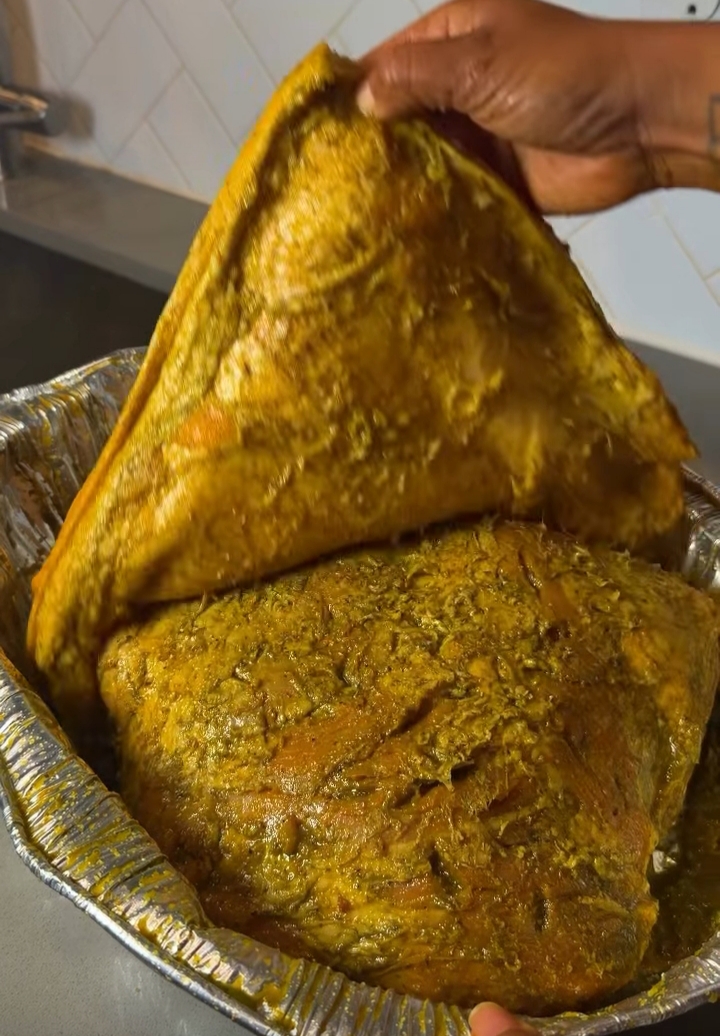
Traditional Puerto Rican Pernil is a beloved Caribbean dish made with a large, bone-in pork shoulder seasoned with garlic, sofrito, oregano, adobo, sazón, and other aromatic spices. Slowly roasted until tender and juicy, Pernil is famous for its deeply seasoned meat and irresistibly crispy, golden pork skin, known as cuero or cuerito.
The secret to authentic Pernil is allowing the pork to marinate for an extended period so the seasoning penetrates the meat before slow roasting. The result is a flavorful centerpiece traditionally served during Christmas celebrations, family gatherings, and special occasions.
Origin and Cultural Significance
Pernil is one of the most iconic dishes in Puerto Rican cuisine. Its culinary roots reflect Spanish roasting traditions combined with Caribbean ingredients and cooking techniques.
The name comes from the Spanish word pernil, referring to a leg or shoulder of pork. Over generations, Puerto Rican cooks developed their own distinctive seasoning blend using garlic, oregano, vinegar, sofrito, adobo, and sazón.
Pernil is especially important during Christmas and holiday celebrations, often served alongside arroz con gandules, pasteles, potato salad, and other traditional Puerto Rican dishes.
Ingredients and Quantities
Preparation: 25 minutes · Marinating: 12–24 hours · Cooking: Approximately 4 hours 30 minutes · Servings: 8–10 · Difficulty: Easy
For the Pork

| Ingredient | Quantity |
|---|---|
| Bone-in pork shoulder with skin | 6–8 pounds (2.7–3.6 kg) |
| Garlic cloves, peeled | 12–15 |
| Sofrito, homemade or store-bought | 3 tbsp |
| Olive oil | ¼ cup |
| White vinegar or sour orange juice | 2 tbsp |
| Dried oregano | 2 tbsp |
| Kosher salt | 1 tbsp, plus extra for skin |
| Adobo seasoning | 1 tbsp |
| Sazón with annatto (achiote) | 1 packet (about 1½ tsp) |
| Ground cumin | 1 tsp |
| Freshly ground black pepper | 1 tsp |
| Water or chicken broth | 1 cup |
Optional Additions
- Fresh cilantro: Adds a fresh herbal aroma to the seasoning.
- Fresh lime juice: Provides additional citrus brightness.
- Bay leaves: Add subtle aromatic depth to the roasting pan.
- Orange juice: Can complement the traditional sour orange flavor.
- Fresh thyme: Adds another layer of herbal flavor.
Tips for Success
- Choose the right cut: A bone-in pork shoulder with skin produces excellent flavor and texture.
- Use fresh garlic: Garlic is one of the defining ingredients in traditional Pernil seasoning.
- Allow enough marinating time: Refrigerate the seasoned pork for 12–24 hours for deeper flavor.
- Keep the skin dry: Pat the skin thoroughly dry before roasting to encourage crispiness.
- Roast slowly: Low, steady heat helps the pork become tender.
- Use a meat thermometer: Pork shoulder should become fork-tender, generally around 90–96°C (195–205°F).
- Rest before serving: Allow the roast to rest for approximately 20–30 minutes before carving.
Instructions
1. Prepare the Garlic Seasoning

In a food processor or mortar and pestle, combine the garlic cloves, sofrito, olive oil, vinegar, oregano, kosher salt, adobo, sazón, cumin, and black pepper.
Blend or mash until a thick, aromatic seasoning paste forms.
Taste the marinade and adjust the seasoning if necessary.
2. Prepare the Pork Shoulder
Pat the pork shoulder dry with paper towels.
Carefully separate the skin from the meat where possible, keeping it attached along the edges. Make several deep pockets in the meat using a small knife.
Rub the seasoning mixture generously into the pockets and over the exposed meat.
Keep the outer skin as clean and dry as possible.
3. Marinate the Pork

Place the seasoned pork shoulder in a large roasting dish.
Cover securely and refrigerate for 12–24 hours.
This resting period allows the garlic, oregano, sofrito, and spices to develop a rich flavor throughout the meat.
4. Prepare for Roasting
Remove the pork from the refrigerator while preparing the oven.
Preheat the oven to 300°F (150°C).
Pat the skin dry again with paper towels and sprinkle a little additional kosher salt over it.
Pour 1 cup of water or chicken broth into the bottom of the roasting pan, keeping the liquid away from the skin.
5. Slow-Roast the Pork

Place the pork shoulder in the oven, uncovered or loosely covered initially if needed to prevent excessive browning.
Roast for approximately 4–4½ hours, depending on the size and thickness of the shoulder.
Baste the exposed meat occasionally with the pan juices, avoiding the skin.
Cook until the pork is thoroughly cooked and tender. For the characteristic shreddable texture of Pernil, aim for an internal temperature of approximately 195–205°F (90–96°C).
6. Crisp the Skin

Once the meat is tender, increase the oven temperature to 425°F (220°C).
Roast for another 15–25 minutes, monitoring carefully, until the skin becomes golden, crisp, and blistered.
The skin should develop a crunchy texture while the meat remains juicy and tender.
7. Rest and Serve
Remove the Pernil from the oven and allow it to rest for 20–30 minutes.
Transfer to a large serving platter.
Carve or pull the tender meat into generous portions, making sure to include pieces of crispy skin.
Spoon some of the flavorful roasting juices over the meat before serving.
Description
Traditional Puerto Rican Pernil is a spectacular combination of tender, succulent pork and intensely flavorful seasoning.
The outside develops a beautiful roasted appearance, while the garlic, oregano, sofrito, and annatto create a distinctive Caribbean aroma.
The meat becomes wonderfully tender and easy to pull apart, while the crispy pork skin provides a delicious contrast in texture.
Every bite delivers savory, garlicky, and slightly tangy flavors that make this dish a memorable centerpiece.
Nutritional Information
Estimated values per serving, assuming 10 servings. Actual nutrition varies with the cut of pork and amount of skin and fat consumed.
| Nutrient | Approximate Amount |
|---|---|
| Calories | 450–600 kcal |
| Protein | 40–50 g |
| Carbohydrates | 2–5 g |
| Fat | 30–42 g |
| Fiber | Less than 1 g |
| Sodium | 650–950 mg |
Serving Suggestions


Pernil is traditionally served with several delicious Puerto Rican side dishes:
- Arroz con gandules: Rice cooked with pigeon peas and traditional seasonings.
- Pasteles: Traditional masa parcels filled with seasoned meat.
- Ensalada de papa: Creamy Puerto Rican potato salad.
- Maduros: Sweet fried ripe plantains.
- Tostones: Crispy twice-fried green plantains.
- Habichuelas guisadas: Flavorful stewed beans.
Storage and Reheating
- Refrigeration: Store leftover pork in an airtight container for up to 3–4 days.
- Freezing: Freeze portions for approximately 2–3 months for best quality.
- Reheating: Warm the meat covered in the oven with a little reserved cooking juice until heated through to 165°F (74°C).
- Crispy skin: Reheat separately in the oven to help restore its crunch.
Conclusion
Traditional Puerto Rican Pernil is much more than a roasted pork dish. It represents family traditions, holiday celebrations, and the rich culinary heritage of Puerto Rico.
With its deeply seasoned meat, tender texture, and famously crispy skin, this recipe makes an unforgettable centerpiece for Christmas dinner, celebrations, or a special family gathering.
Recommendation
For the most traditional experience, serve Pernil with arroz con gandules, pasteles, and sweet fried plantains.
Prepare the marinade the day before roasting, and give the pork plenty of time to cook slowly. The combination of overnight seasoning, tender meat, and crispy golden skin is what makes authentic Puerto Rican Pernil so special.
Embracing Culinary Traditions
Food has a wonderful way of bringing families together, and Pernil is a perfect example. Passed down through generations, this beloved Puerto Rican roast celebrates the importance of traditional ingredients, patient preparation, and sharing a memorable meal with loved ones.