
Prep Time: 10–15 minutes Cook Time: 15–25 minutes Total Time: Approximately 30–40 minutes Yield: 6–8 round waffles, depending on waffle maker size Servings: 4 Difficulty: Easy Category: Breakfast, Brunch, American Diner Classics, Comfort Food
1. Introduction
Classic Golden Waffles with Melting Butter and Maple Syrup are a timeless breakfast favorite, celebrated for their crispy golden exterior, soft and fluffy interior, and irresistible buttery flavor.
These traditional diner-style waffles offer the perfect balance of texture and taste. Each waffle features beautifully defined pockets that hold melted butter and warm maple syrup, creating a delicious combination of rich sweetness and delicate crispness.
Prepared with simple pantry ingredients such as flour, eggs, milk, butter, and vanilla, homemade waffles are surprisingly easy to make. A carefully balanced batter produces waffles that are light and tender inside while developing a golden, slightly crunchy surface when cooked in a properly heated waffle iron.
The finishing touch of softened butter and pure maple syrup transforms these everyday ingredients into a comforting breakfast that feels both familiar and indulgent.
Perfect for leisurely weekend mornings, family breakfasts, holiday brunches, or special occasions, these waffles are a versatile dish that can be enjoyed with countless toppings.
2. Origin and Cultural Significance
Waffles have a long and fascinating history rooted in European culinary traditions, particularly in regions that are now Belgium, France, Germany, and the Netherlands.
Early forms of waffles were prepared using batter cooked between heated metal plates. During medieval times, patterned irons were used to create decorative impressions on thin cakes and wafers.
As recipes and cooking equipment evolved, waffles became thicker, softer, and more elaborate.
Belgian waffle traditions eventually became especially well known, with regional variations such as Brussels waffles and Liège waffles developing their own distinctive textures and flavors.
Waffles also became popular in North America, where European settlers introduced waffle-making techniques.
Over time, American-style waffles evolved into a familiar breakfast dish, typically prepared with chemical leavening agents and served with butter, maple syrup, fruit, or other toppings.
The classic round waffle became particularly associated with American diners, breakfast restaurants, and family kitchens.
Maple syrup has its own important culinary history in North America. Indigenous peoples developed traditions of collecting and processing maple sap long before European settlement.
Today, waffles topped with butter and maple syrup remain an iconic North American breakfast combination.
Their popularity reflects the appeal of comforting, customizable foods that bring families and friends together around the breakfast table.
3. Ingredients and Quantities
A. For the Classic Waffle Batter
| Ingredient | Quantity |
|---|---|
| All-purpose flour | 2 cups (250 g) |
| Granulated sugar | 1 tablespoon (12 g) |
| Baking powder | 2 teaspoons |
| Baking soda | ½ teaspoon |
| Salt | ½ teaspoon |
| Large eggs | 2 |
| Whole milk or buttermilk | 1¾ cups (420 ml) |
| Unsalted butter, melted | ⅓ cup (75 g) |
| Pure vanilla extract | 1 teaspoon |
Why Use All-Purpose Flour?
All-purpose flour provides the structure needed to create waffles that are tender on the inside while holding their shape during cooking.
Why Use Baking Powder and Baking Soda?
Baking powder helps the waffles rise and develop a fluffy texture. Baking soda is especially effective when using acidic buttermilk, contributing to tenderness and browning.
Why Add Melted Butter?
Butter enriches the batter, adds flavor, and encourages a beautifully golden exterior.
Why Use Whole Milk or Buttermilk?
Whole milk produces a mild, creamy flavor, while buttermilk introduces a delicate tanginess and reacts with baking soda to support a light texture.
B. For the Classic Butter and Maple Syrup Topping
| Ingredient | Quantity |
|---|---|
| Softened unsalted butter | 2–4 tablespoons, for serving |
| Pure maple syrup | ½ cup (120 ml), or to taste |
Why Use Pure Maple Syrup?
Pure maple syrup contributes a distinctive caramel-like sweetness with delicate woody notes that complement the buttery waffle flavor.
Why Use Softened Butter?
Softened butter melts gradually over warm waffles, spreading into their pockets and creating the familiar diner-style presentation.
C. Recommended Equipment
A round electric waffle maker, two mixing bowls, whisk, measuring cups, measuring spoons, silicone spatula, ladle, and wire cooling rack are recommended.
A Belgian-style waffle maker can also be used, although cooking time and yield may differ.
4. Optional Additions
Fresh Blueberries: Fold ½ cup of blueberries into the batter for bursts of natural sweetness and fruity flavor.
Chocolate Chips: Add ½ cup of mini chocolate chips for a rich, dessert-inspired variation.
Ground Cinnamon: Mix ½ teaspoon of cinnamon into the dry ingredients for a warm, comforting aroma.
Lemon Zest: Add 1 teaspoon of finely grated lemon zest for a refreshing citrus flavor.
Strawberries: Top the finished waffles with sliced fresh strawberries for color and freshness.
Whipped Cream: Add a small dollop of lightly sweetened whipped cream for an indulgent brunch presentation.
Chopped Pecans: Sprinkle toasted pecans over the waffles for a pleasant crunchy texture.
Banana Slices: Serve with ripe banana slices and maple syrup for natural sweetness.
Greek Yogurt: Replace part of the butter topping with plain Greek yogurt for a tangy, protein-containing accompaniment.
Nut Butter: Drizzle a little almond or peanut butter over the waffles for a rich, nutty flavor.
5. Tips for Success
Preheat the waffle iron thoroughly. A properly heated waffle maker encourages rapid browning and helps produce a crispy exterior.
Measure the flour accurately. Excess flour can create dense, heavy waffles instead of light and fluffy ones.
Use room-temperature eggs. Eggs that are not refrigerator-cold incorporate more easily into the batter.
Cool the melted butter slightly. Very hot butter can affect the eggs and create an uneven mixture.
Avoid overmixing. Stir the wet and dry ingredients only until combined. A few small lumps are normal and help prevent the waffles from becoming tough.
Allow the batter to rest briefly. Resting for 5–10 minutes lets the flour hydrate and helps produce a more consistent texture.
Lightly grease the waffle maker when necessary. Even nonstick waffle irons may benefit from a little oil, depending on the manufacturer’s instructions.
Do not open the waffle maker too early. Opening before the waffle has set can cause tearing and interfere with browning.
Keep finished waffles on a wire rack. Stacking hot waffles traps steam and can soften their crispy surfaces.
Serve immediately. Waffles taste best when freshly cooked, with crisp exteriors and warm, fluffy centers.
6. Step-by-Step Instructions
Step 1: Prepare the Ingredients
Begin by gathering and measuring all the ingredients.
Allow the eggs and milk to sit briefly at room temperature if refrigerated.
Melt the unsalted butter in a small saucepan or microwave-safe bowl.
Set the butter aside to cool slightly.
Measure the flour, sugar, baking powder, baking soda, and salt.
Having all the ingredients prepared before mixing makes the process more efficient.
Step 2: Preheat the Waffle Maker
Turn on the round waffle maker and allow it to preheat according to the manufacturer’s instructions.
For waffle makers with adjustable temperature settings, select medium-high heat for a golden, lightly crispy finish.
A thoroughly preheated waffle iron helps the batter cook evenly and develop its characteristic crisp exterior.
If recommended by the manufacturer, lightly grease the cooking surfaces with nonstick cooking spray or a small amount of neutral oil.
Step 3: Combine the Dry Ingredients
In a large mixing bowl, add the all-purpose flour, granulated sugar, baking powder, baking soda, and salt.
Whisk thoroughly for approximately 30 seconds.
This helps distribute the leavening agents and salt evenly throughout the flour.
Set the dry mixture aside.
Step 4: Prepare the Wet Ingredients
In a separate mixing bowl, crack the two large eggs.
Whisk until the yolks and whites are fully combined.
Pour in the whole milk or buttermilk.
Add the slightly cooled melted butter and pure vanilla extract.
Whisk gently until the ingredients are combined.
The mixture should be smooth and evenly blended, although small droplets of butter may remain visible.
Step 5: Combine the Wet and Dry Mixtures
Create a small well in the center of the dry ingredients.
Slowly pour the wet mixture into the well.
Using a whisk or silicone spatula, stir gently until the flour is mostly incorporated.
Avoid vigorous mixing.
The finished batter should be thick but pourable, with a few small lumps remaining.
Overmixing develops gluten and can produce waffles that are less tender.
Step 6: Allow the Batter to Rest
Set the prepared batter aside for approximately 5–10 minutes.
During this period, the flour gradually absorbs the liquid, and the leavening ingredients begin producing small air bubbles.
This short resting period helps create a more consistent batter and contributes to the waffles’ tender interior.
Avoid letting the batter rest for an excessively long period at room temperature.
Step 7: Prepare the Waffle Iron for Cooking
Once the waffle maker is fully heated, open the lid carefully.
If necessary, lightly brush the cooking plates with oil.
Give the batter one gentle stir to redistribute any ingredients that may have settled.
Avoid excessive stirring, which can deflate some of the air incorporated into the mixture.
Step 8: Pour the Batter
Using a ladle or measuring cup, pour an appropriate quantity of batter into the center of the lower waffle plate.
For many standard round waffle makers, approximately ½–¾ cup of batter is sufficient, although the exact amount depends on the machine.
Spread the batter gently if necessary, leaving a small border around the edges to prevent overflow.
Close the waffle maker carefully.
Step 9: Cook Until Golden and Crispy
Cook the waffle for approximately 3–5 minutes, or according to the waffle maker’s instructions.
The waffle will gradually rise as the baking powder creates gas and the batter sets.
Steam will escape from the sides of the waffle iron during cooking.
When the steaming decreases significantly, the waffle is often approaching doneness.
Open the waffle maker carefully and inspect the color.
The finished waffle should be golden brown, firm enough to lift easily, and lightly crisp on the outside.
If it appears too pale, close the lid and continue cooking briefly.
Step 10: Remove the Cooked Waffle
Using a silicone or wooden utensil suitable for the waffle maker, gently lift the finished waffle.
Avoid metal utensils on nonstick surfaces.
Transfer the waffle to a wire cooling rack.
The rack allows steam to escape from underneath, helping preserve the crispy texture.
Repeat the cooking process with the remaining batter.
Step 11: Keep the Waffles Warm
If preparing several waffles, preheat the oven to approximately 200°F (95°C).
Place a wire rack over a baking sheet and arrange the cooked waffles in a single layer.
Keep them in the warm oven while preparing the remaining batch.
Avoid covering them tightly or stacking them, as trapped moisture can soften the golden crust.
For the best quality, do not leave the waffles in the oven longer than necessary.
Step 12: Warm the Maple Syrup
Pour the desired quantity of pure maple syrup into a small saucepan.
Warm gently over low heat for approximately 1–2 minutes.
Alternatively, microwave the syrup briefly in a microwave-safe container.
The syrup should become pleasantly warm without boiling.
Warm syrup flows easily into the waffle pockets and complements the melting butter.
Step 13: Prepare the Butter Topping
Allow the butter intended for serving to soften slightly.
Cut it into small squares or thin pats.
Place the butter pieces onto the hot waffles shortly before serving.
The residual heat will gently melt the butter into the golden surface.
For a traditional diner-style presentation, arrange one or two small butter pats near the center of each round waffle.
Step 14: Assemble the Classic Waffles
Place one or two freshly cooked waffles onto a serving plate.
Arrange the softened butter over the top.
Slowly drizzle warm maple syrup across the waffle surface, allowing it to collect naturally in the square pockets.
For a more generous presentation, add a second waffle and repeat with a smaller amount of butter and syrup.
Avoid adding excessive syrup too early, as this can soften the crispy exterior.
Step 15: Serve and Enjoy
Serve the waffles immediately while warm.
Enjoy their crisp golden edges, soft fluffy centers, rich buttery flavor, and sweet maple syrup.
For a more complete breakfast, accompany them with fresh fruit, scrambled eggs, or plain Greek yogurt.
The waffles can also be served with coffee, tea, milk, or freshly squeezed orange juice.
7. Description
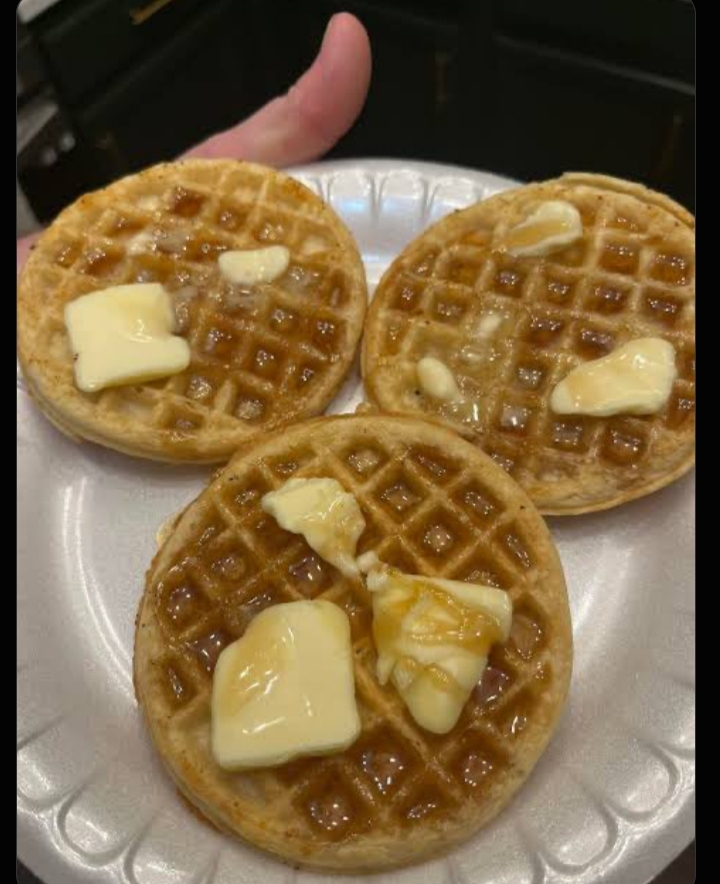
The Ultimate Classic Golden Waffles are beautifully toasted, round breakfast waffles featuring a crisp, golden-brown exterior and a light, fluffy interior.
Their distinctive grid pattern creates deep pockets that capture melted butter and warm maple syrup, ensuring a delicious combination of flavors in every bite.
The batter is delicately flavored with pure vanilla and enriched with melted butter, providing a pleasant aroma and rich, comforting taste.
When cooked in a properly preheated waffle iron, the exterior develops a slightly crunchy texture while the inside remains tender and airy.
The warm waffles are topped with small pieces of softened butter that gradually melt into the surface.
Golden maple syrup flows between the raised sections, creating an attractive glossy finish and a naturally sweet flavor.
The contrast between crispy edges, fluffy centers, creamy butter, and smooth maple syrup gives these waffles their classic diner-style appeal.
Simple yet elegant, they are suitable for everyday breakfasts, leisurely brunches, and special family gatherings.
8. Nutritional Information
Estimated Nutritional Values per Waffle (Based on 6–8 Waffles, Without Toppings):
| Nutrient | Approximate Amount |
|---|---|
| Calories | 240–320 kcal |
| Protein | 6–9 g |
| Carbohydrates | 31–42 g |
| Total Fat | 10–14 g |
| Saturated Fat | 6–8 g |
| Sugar | 4–7 g |
| Fiber | 1–2 g |
| Sodium | 300–420 mg |
Note: These are approximate estimates. Values depend on the waffle size, milk type, exact ingredient brands, and number of waffles produced.
Additional Calories from Toppings
| Topping | Approximate Calories |
|---|---|
| 1 teaspoon butter | 34 kcal |
| 1 tablespoon pure maple syrup | 52 kcal |
| ¼ cup fresh blueberries | 21 kcal |
| ¼ cup sliced strawberries | 13 kcal |
| 2 tablespoons plain Greek yogurt | 18–35 kcal |
Healthier Preparation Alternatives
Use Whole-Wheat Flour: Replace half of the all-purpose flour with whole-wheat flour to increase fiber and add a slightly nutty flavor.
Reduce the Butter: Replace part of the melted butter with a small amount of neutral oil or unsweetened applesauce, recognizing that the final texture may change.
Use Low-Fat Milk: Substitute whole milk with reduced-fat milk to slightly lower the saturated fat content.
Add Fresh Fruit: Serve with berries, bananas, or sliced peaches to introduce fiber and additional nutrients.
Control the Maple Syrup: Use a moderate drizzle rather than soaking the waffles in syrup.
Include Protein: Pair the waffles with eggs, cottage cheese, or Greek yogurt for a more balanced and satisfying breakfast.
9. Conclusion
The Ultimate Classic Golden Waffles with Melting Butter and Warm Maple Syrup are a timeless breakfast dish that combines simplicity, comforting flavors, and satisfying textures.
Their crispy exterior, fluffy center, delicate vanilla aroma, and rich buttery flavor make them a favorite for both everyday mornings and special occasions.
The recipe relies on familiar ingredients and straightforward techniques, making it accessible to beginner cooks and experienced home bakers alike.
Achieving excellent results depends on properly preheating the waffle maker, mixing the batter gently, allowing a short resting period, and cooking each waffle until beautifully golden.
The finishing combination of softened butter and warm maple syrup provides the classic diner-style experience that has made waffles so widely loved.
Whether enjoyed plain or customized with fresh fruit, nuts, yogurt, or chocolate, these homemade waffles offer endless possibilities for delicious breakfasts and brunches.
10. Recommendation
For the best possible waffles, use fresh baking powder, good-quality butter, and pure vanilla extract.
Whole milk produces a mild and creamy batter, while buttermilk is recommended when a slightly tangy flavor and tender texture are desired.
Avoid overmixing the batter, as this can make the waffles dense rather than light and fluffy.
Preheat the waffle maker completely before adding batter, and allow each waffle to cook until the exterior becomes golden and crisp.
For an especially crunchy finish, place cooked waffles briefly on a wire rack in a low-temperature oven rather than stacking them on a plate.
Use pure maple syrup when possible, as its distinctive flavor complements the buttery waffles beautifully.
Serving Recommendation: Serve two warm waffles with small pats of butter, a moderate drizzle of warm maple syrup, and a side of fresh strawberries or blueberries.
Refrigerator Storage: Allow leftover waffles to cool completely, then refrigerate in an airtight container for up to 3–4 days.
Freezer Storage: Arrange cooled waffles in a single layer and freeze until firm. Transfer to a freezer-safe bag or container, separating layers with parchment paper. For best quality, consume within approximately 2–3 months.
Reheating: Reheat refrigerated or frozen waffles in a toaster, toaster oven, or conventional oven until thoroughly heated and crisp.
To restore their texture, avoid microwaving whenever possible, as it tends to produce soft rather than crispy waffles.
11. Embracing Healthful Indulgence
Classic Golden Waffles demonstrate how a comforting breakfast can be enjoyed within a balanced and varied eating pattern.
The flour provides carbohydrates, which serve as an important energy source for the body.
Eggs contribute high-quality protein along with nutrients such as choline, vitamin B12, and selenium.
Milk adds calcium and protein, supporting normal bone health and other essential bodily functions.
Butter provides richness and flavor, although it also contributes saturated fat.
Pure maple syrup contains naturally occurring plant compounds and small amounts of minerals, but it remains a concentrated source of sugar and is best enjoyed in moderate quantities.
A balanced approach focuses on adjusting portions and combining waffles with nutrient-rich accompaniments.
For example, serving waffles with fresh berries and plain Greek yogurt introduces additional fiber, protein, and freshness.
Replacing part of the white flour with whole-wheat flour can increase the fiber content, while reducing the quantity of syrup helps manage added sugar intake.
Homemade waffle preparation also provides greater control over ingredient quality, sweetness, portion sizes, and toppings.
Rather than eliminating beloved breakfast foods, thoughtful preparation allows them to remain part of enjoyable meals.
The process of making waffles from scratch can also create opportunities for family cooking, creativity, and shared breakfast traditions.
Ultimately, healthful indulgence involves appreciating satisfying foods while maintaining variety, moderation, and balance throughout the overall diet.
Final Thought: 🧇🍁🧈 With their beautifully crisp golden edges, fluffy vanilla-scented interiors, melting butter, and warm maple syrup, these Ultimate Classic Golden Waffles capture everything that makes a traditional diner-style breakfast so comforting. Simple to prepare, endlessly customizable, and perfect for sharing, they are a delicious homemade favorite for any morning of the week.