
1. Introduction
Homemade Chocolate-Covered Coconut Bars are delicious bite-sized desserts featuring a soft, sweet, and creamy coconut filling encased in a smooth milk chocolate coating.
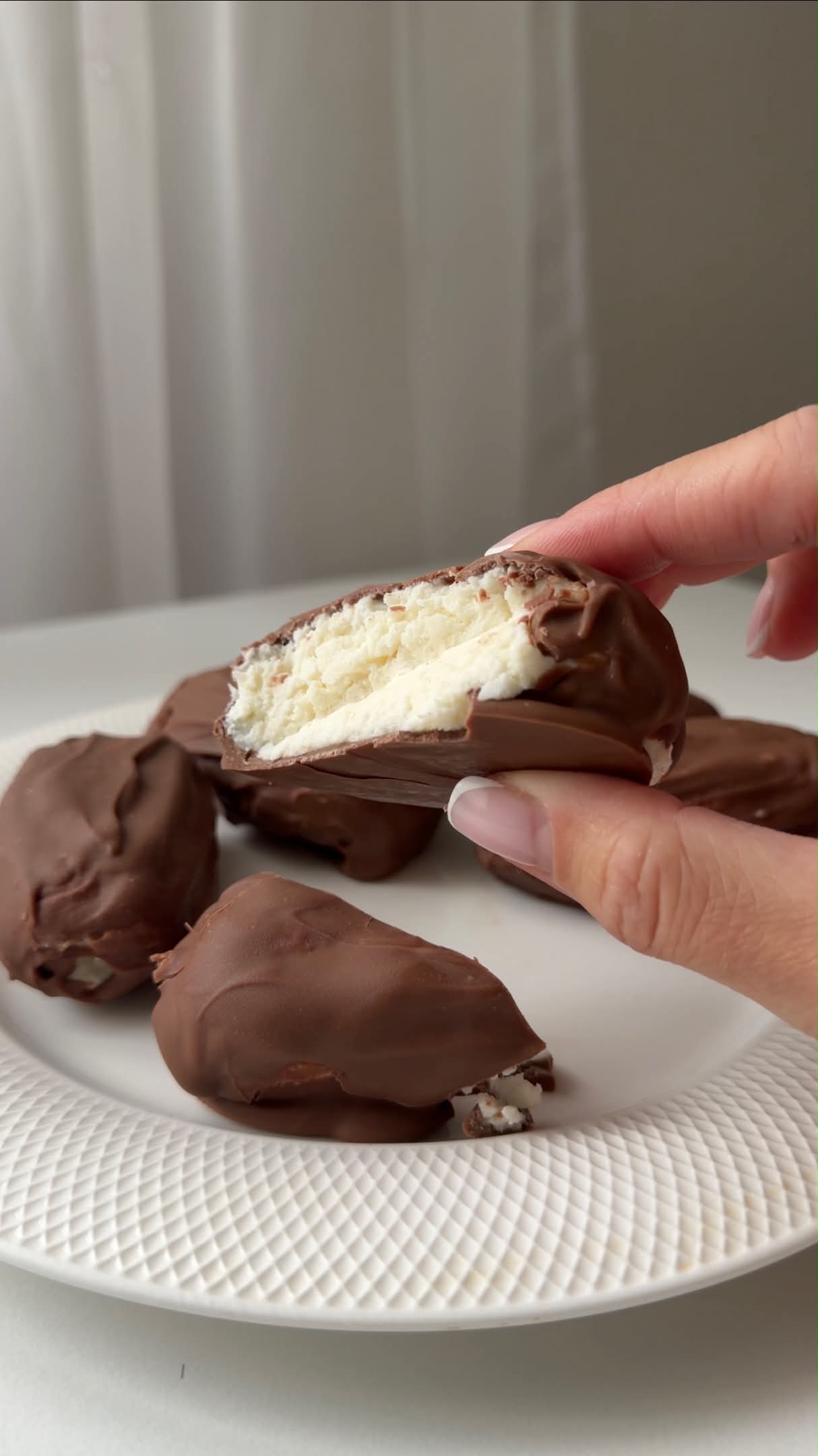
As shown in the photograph, these treats have a rich chocolate exterior that contrasts beautifully with their thick, white coconut interior. Their slightly irregular homemade shape gives them an attractive handcrafted appearance, while the combination of chocolate and coconut creates a delightful balance of sweetness and texture.
These chocolate coconut treats are ideal for dessert, afternoon snacks, celebrations, parties, and homemade edible gifts. They can also be prepared ahead of time and stored in the refrigerator for convenient serving.
2. Origin
Chocolate-covered coconut confectionery is associated with several international dessert traditions, particularly European chocolate-making and tropical coconut-based sweets.
One well-known commercial example is the Bounty chocolate bar, introduced by Mars in 1951, which popularized the combination of sweet coconut filling and milk chocolate coating.
Homemade versions have evolved into different shapes and recipes, using ingredients such as shredded coconut, condensed milk, coconut cream, butter, and melted chocolate.
This homemade variation recreates the familiar combination of a soft coconut center and a rich chocolate shell.
3. Cultural Significance
Chocolate and coconut desserts are popular in many countries because they combine familiar ingredients into simple yet indulgent treats.
Their cultural significance includes:
- Homemade confectionery: Families prepare chocolate-covered sweets for celebrations and special occasions.
- European chocolate traditions: Chocolate coating techniques have influenced countless modern confectionery recipes.
- Tropical ingredients: Coconut is widely used in desserts across Caribbean, African, Asian, and Latin American cuisines.
- Gift-giving traditions: Homemade chocolate treats are popular as personalized gifts.
- Modern dessert culture: Chocolate coconut bars are frequently featured in bakeries, cafés, dessert shops, and social media food trends.
The combination of coconut and chocolate has become a recognizable flavor pairing appreciated by dessert lovers worldwide.
4. Ingredients and Quantity
Estimated quantities for approximately 10–12 homemade coconut bars.
Batoniki bounty – mocno kokosowe – Onet Gotowanie
For the coconut filling
| Ingredient | Quantity |
|---|---|
| Desiccated coconut, finely shredded | 200 g |
| Sweetened condensed milk | 150 g |
| Coconut cream | 2 tablespoons |
| Unsalted butter, softened | 30 g |
| Vanilla extract | 1 teaspoon |
| Powdered sugar | 2 tablespoons, optional |
| Salt | A small pinch |
For the chocolate coating
| Ingredient | Quantity |
|---|---|
| Milk chocolate | 300 g |
| Dark chocolate | 50 g, optional |
| Coconut oil | 1 tablespoon |
| Extra desiccated coconut | 2 tablespoons, optional |
5. Optional Additions
You can customize the coconut filling and chocolate coating with several additional ingredients.
- Almonds: Add chopped almonds for a pleasant crunchy texture.
- Hazelnuts: Introduce a rich nutty flavor.
- Dark chocolate: Create a less sweet chocolate coating.
- White chocolate: Offer an alternative coating with a sweeter flavor.
- Coconut flakes: Add extra coconut texture.
- Almond extract: Enhance the aromatic profile.
- Lemon zest: Introduce a subtle citrus fragrance.
- Pistachios: Provide color and a delicate nutty taste.
- Peanut butter: Add richness to the coconut filling.
- Dried cranberries: Introduce a slightly tangy contrast to the sweetness.
For a more luxurious version, place a whole roasted almond in the center of each coconut bar before coating it with chocolate.
6. Tips for Success
- Use finely shredded coconut: This creates a smoother, more compact filling.
- Control the moisture: Add condensed milk gradually to prevent the mixture from becoming too soft.
- Chill before shaping: Refrigeration helps the coconut mixture become firm and easier to handle.
- Shape consistently: Make the bars approximately the same size for an attractive presentation.
- Freeze briefly before coating: Firm coconut bars are easier to dip into melted chocolate.
- Melt chocolate gently: Use a double boiler or short microwave intervals to prevent burning.
- Add coconut oil carefully: A small quantity helps create a smoother chocolate coating.
- Cover completely: Ensure every surface of the coconut filling is coated.
- Allow excess chocolate to drip off: This prevents excessively thick coatings.
- Refrigerate until set: Proper chilling creates a firm chocolate shell.
- Use a sharp knife: For clean cuts, briefly warm and wipe the knife before slicing.
7. Instructions
Bounty selber machen – einfach unglaublich lecker | Einfach Backen
Кокосовая сладость: как приготовить конфеты «Баунти» в домашних условиях | MARIECLAIRE
10
Step 1: Prepare the coconut mixture
Place the desiccated coconut in a large mixing bowl. Add the condensed milk, coconut cream, softened butter, vanilla extract, and a small pinch of salt.
Step 2: Mix the ingredients
Stir thoroughly until all ingredients are evenly combined and the coconut becomes moist and sticky.
If the mixture is too soft, add a little more desiccated coconut.
Step 3: Shape the coconut bars
Take small portions of the mixture and shape them into rectangular bars or rounded oval pieces.
Place them on a parchment-lined tray.
Step 4: Refrigerate the filling
Transfer the tray to the refrigerator for approximately 1–2 hours, or until the coconut pieces become firm.
For easier chocolate coating, place them in the freezer for an additional 10–15 minutes.
Step 5: Melt the chocolate
Break the milk chocolate into small pieces and place it in a heatproof bowl.
Melt gently over a double boiler or in the microwave using short intervals, stirring regularly.
Add coconut oil and mix until the chocolate becomes smooth and glossy.
Step 6: Coat the coconut bars
Using a fork or dipping tool, carefully dip each chilled coconut bar into the melted chocolate.
Turn it gently to ensure complete coverage.
Step 7: Remove excess chocolate
Lift each piece from the chocolate and allow the excess coating to drip back into the bowl.
Place the coated bars on parchment paper.
Step 8: Refrigerate until firm
Refrigerate the chocolate-covered coconut bars for approximately 30–45 minutes, or until the chocolate coating has completely set.
Step 9: Prepare for serving
Remove the bars from the refrigerator and allow them to stand for a few minutes before serving.
Step 10: Present the dessert
Arrange the finished chocolate coconut bars on a decorative serving plate. Cut one piece in half to reveal the soft, white coconut filling inside the chocolate shell.
8. Description
The Homemade Chocolate-Covered Coconut Bars displayed in the photograph are visually appealing, with a thick milk chocolate exterior surrounding a generous layer of white coconut filling.
The chocolate coating appears smooth, rich, and slightly glossy, while the interior has a soft, fluffy, and compact texture.
When broken apart, the dessert reveals a beautiful contrast between the dark brown chocolate shell and the bright white coconut center.
The bars have a generous filling-to-coating ratio, making the coconut flavor an important part of every bite.
Texture and flavor profile:
- Exterior: Smooth, rich, and firm chocolate coating.
- Interior: Soft, creamy, and slightly chewy coconut filling.
- Flavor: Sweet coconut combined with rich chocolate.
- Aroma: Pleasant roasted cocoa and natural coconut fragrance.
- Appearance: Handcrafted chocolate-covered bars with an attractive white center.
The combination produces a satisfying dessert that balances the richness of chocolate with the distinctive sweetness of coconut.
9. Nutritional Information
Estimated nutrition
The following nutritional values are approximate and depend on the type of chocolate, coconut, and condensed milk used.
| Nutritional component | Per bar |
|---|---|
| Calories | 220–270 kcal |
| Protein | 2–4 g |
| Carbohydrates | 20–27 g |
| Total fat | 14–19 g |
| Saturated fat | 10–14 g |
| Dietary fiber | 2–3 g |
| Sugar | 17–23 g |
| Sodium | 30–65 mg |
Nutritional considerations:
- Coconut provides dietary fiber and fat.
- Chocolate contains cocoa compounds and minerals.
- Milk chocolate contributes some calcium.
- Condensed milk provides sweetness and additional energy.
- Coconut and chocolate contribute considerable saturated fat.
- Added sugar increases the overall carbohydrate content.
For a lighter alternative, use dark chocolate with a higher cocoa percentage, reduce the condensed milk, and make smaller portions.
10. Conclusion
Homemade Chocolate-Covered Coconut Bars are delicious and visually attractive treats that combine a soft coconut filling with a rich chocolate exterior.
Their contrasting textures, sweet coconut flavor, and smooth chocolate coating make them an excellent homemade dessert for different occasions.
The recipe is relatively simple, requires accessible ingredients, and can be customized with nuts, different chocolate varieties, and additional flavorings.
Whether served as an afternoon treat, a party dessert, or a homemade gift, these chocolate coconut bars offer a delightful confectionery experience.
11. Recommendation
I recommend serving these coconut bars chilled but not excessively cold, allowing the chocolate coating to remain firm while the coconut center retains its soft texture.
For an attractive dessert presentation, serve them with:
- Fresh strawberries.
- Sliced bananas.
- Roasted almonds.
- Fresh raspberries.
- A cup of coffee or tea.
- A small selection of dark and milk chocolates.
For special occasions, arrange the bars in small paper confectionery cases and decorate them with a light drizzle of white chocolate.
My recommendation: Use good-quality milk chocolate, finely shredded coconut, and a generous coconut filling to achieve the soft white center and rich chocolate exterior shown in the photograph.
12. Embracing Healthful Indulgence
Enjoying chocolate-covered coconut desserts can be part of a balanced eating pattern when portion sizes and ingredients are considered.
Although these treats contain coconut and cocoa, they are still relatively energy-dense because of their chocolate, condensed milk, and coconut fat content.
A few adjustments can make them more suitable for occasional enjoyment:
- Reduce the quantity of condensed milk.
- Use dark chocolate containing 70% cocoa or more.
- Prepare smaller individual bars.
- Avoid excessive powdered sugar.
- Incorporate unsweetened coconut.
- Add chopped almonds for additional texture.
- Enjoy one portion alongside fresh fruit.
The goal is not to eliminate indulgent desserts but to appreciate them in moderation while maintaining variety in everyday food choices.
Final Recommendation: These chocolate-covered coconut bars are an excellent homemade confectionery choice for anyone who enjoys the combination of creamy coconut and rich chocolate. Their soft white filling, smooth chocolate shell, and attractive appearance make them a delightful dessert for sharing, gifting, and special occasions.