
1. Introduction
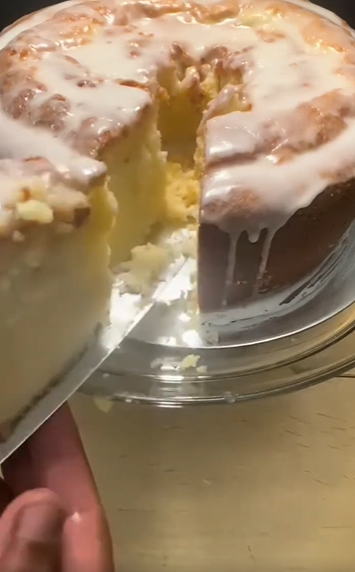
This Glazed Lemon Bundt Cake is a beautiful, buttery dessert with a tender crumb, bright lemon flavor, and a sweet-tart glaze that drips gracefully over every curve. Made with fresh lemon zest and juice, this homemade cake balances citrusy freshness with the rich sweetness of a classic butter cake.
Baked in a Bundt pan, it has an elegant shape that makes it perfect for family gatherings, afternoon tea, holiday celebrations, potlucks, and weekend baking. The simple lemon glaze adds a glossy finish without overpowering the delicate cake.
With straightforward ingredients and an easy preparation method, this lemon Bundt cake is a wonderful choice for anyone who loves homemade desserts with fresh, refreshing flavor.
2. Origin
Bundt cakes are associated with American home baking, although their distinctive ring shape was inspired in part by European cake traditions, including the German and Austrian Gugelhupf. The modern Bundt pan became widely recognized in the United States during the twentieth century and remains popular for cakes served at gatherings and celebrations.
Lemon cakes have a much broader history, reflecting the long-standing use of citrus in baking. Lemon juice and zest bring acidity and fragrance to sweet recipes, helping balance the richness of butter, sugar, and eggs.
This Glazed Lemon Bundt Cake combines these traditions in a familiar homemade dessert: a buttery cake baked in a decorative ring pan and finished with a fresh lemon glaze.
3. Cultural Significance
Bundt cakes have earned a special place in American baking because they are attractive, practical, and easy to share. Their decorative shape makes even a simple cake look impressive without requiring complicated frosting or elaborate decorating techniques.
Lemon desserts are also popular for spring and summer gatherings, afternoon coffee breaks, birthdays, and family celebrations. Their bright citrus flavor provides a refreshing contrast to rich baked goods.
This lemon Bundt cake brings both qualities together. It looks elegant on a dessert table while remaining simple enough to bake at home. A drizzle of lemon glaze gives it a polished finish, making it suitable for both casual occasions and more festive gatherings.
4. Ingredients and Quantities
Prep Time: 20 minutes
Cook Time: 45–55 minutes
Total Time: Approximately 1 hour 25 minutes
Servings: 12
For the Cake
- 2½ cups all-purpose flour
- 2 teaspoons baking powder
- ½ teaspoon salt
- 1 cup unsalted butter, softened
- 1¾ cups granulated sugar
- 4 large eggs, at room temperature
- 2 tablespoons finely grated lemon zest
- ¼ cup fresh lemon juice
- 1 teaspoon vanilla extract
- ¾ cup whole milk, at room temperature
For the Lemon Glaze
- 1½ cups powdered sugar
- 2–3 tablespoons fresh lemon juice
- 1 teaspoon lemon zest, optional
5. Optional Additions
Customize this lemon Bundt cake with a few simple additions that complement its buttery texture and citrus flavor.
- Almond extract: Replace a small portion of the vanilla extract with almond extract for a subtle nutty aroma.
- Poppy seeds: Add 1–2 tablespoons to the batter for a classic lemon-poppy-seed variation.
- Blueberries: Fold in a small amount of fresh blueberries, lightly coated in flour, for fruity bursts throughout the cake.
- Cream cheese glaze: Replace part of the powdered sugar glaze with softened cream cheese for a richer topping.
- Extra lemon zest: Add a little more zest if you prefer a stronger citrus aroma.
- Fresh berries: Serve slices with strawberries, raspberries, or blueberries for a colorful presentation.
- Candied lemon peel: Sprinkle finely chopped candied lemon peel over the glaze for a decorative finish.
If adding fruit, fold it into the batter gently to avoid crushing the berries or overmixing the cake.
6. Tips for Success
Prepare the Bundt pan thoroughly. Grease every ridge and crevice, then dust the pan with flour, tapping out any excess. This helps the cake release cleanly after baking.
Use room-temperature ingredients. Softened butter, room-temperature eggs, and milk combine more evenly, helping create a smooth batter and tender texture.
Cream the butter and sugar properly. Beat them for about 3 minutes, until the mixture looks pale and fluffy. This incorporates air that contributes to the cake’s texture.
Add the eggs one at a time. Beat well after each addition to help the batter emulsify evenly.
Measure flour accurately. Spoon flour into the measuring cup and level it off rather than packing it down. Too much flour can make the cake dense.
Avoid overmixing. Once the flour is added, mix only until the ingredients are combined. Excessive mixing can develop gluten and make the cake tougher.
Zest before juicing. It is easier to grate the lemon zest while the lemons are still whole. Avoid grating deeply into the bitter white pith.
Check for doneness. Begin checking around 45 minutes. A toothpick inserted into the thickest part of the cake should come out clean or with a few moist crumbs.
Let the cake rest before unmolding. Cooling it in the pan for about 15 minutes helps it firm up enough to release without breaking.
Glaze only after cooling. A completely cooled cake allows the glaze to remain visible on the surface instead of melting and soaking into the cake.
7. Instructions
Step 1: Prepare the Bundt Pan
Preheat the oven to 350°F (175°C).
Grease a 10- to 12-cup Bundt pan thoroughly with butter or baking spray, making sure to coat all the ridges. Lightly dust with flour and tap out any excess.
Step 2: Mix the Dry Ingredients
In a medium bowl, whisk together the all-purpose flour, baking powder, and salt until evenly combined.
Set the mixture aside while preparing the wet ingredients.
Step 3: Cream the Butter and Sugar
In a large mixing bowl, beat the softened butter and granulated sugar with an electric mixer for about 3 minutes, until pale and fluffy.
Add the eggs one at a time, beating well after each addition. Scrape down the sides of the bowl as needed to ensure everything is evenly mixed.
Step 4: Add the Lemon and Vanilla
Mix in the lemon zest, fresh lemon juice, and vanilla extract.
The mixture may look slightly separated after adding the lemon juice, but it should come together as the dry ingredients and milk are incorporated.
Step 5: Combine the Batter
Add the flour mixture in three additions, alternating with the milk. Begin and finish with the flour mixture.
Mix on low speed just until combined after each addition. Scrape the bowl gently to make sure no dry flour remains at the bottom.
Avoid overmixing so the finished cake stays tender.
Step 6: Fill the Pan and Bake
Spoon the batter evenly into the prepared Bundt pan and smooth the surface.
Bake for 45–55 minutes, or until the cake is golden and a toothpick inserted into the thickest section comes out clean or with a few moist crumbs.
If the cake is browning too quickly, loosely cover the top with foil near the end of baking.
Step 7: Cool and Release the Cake
Remove the pan from the oven and let the cake cool for 15 minutes on a wire rack.
Carefully loosen the edges if needed, then invert the pan onto the rack. Lift the pan away gently and allow the cake to cool completely before glazing.
Step 8: Prepare the Lemon Glaze
Place the powdered sugar in a small bowl. Add 2 tablespoons of lemon juice and whisk until smooth.
Add more lemon juice a little at a time until the glaze is thick but pourable. Stir in the optional lemon zest for extra citrus flavor.
Step 9: Glaze and Serve
Drizzle the glaze over the completely cooled cake, allowing it to run naturally down the sides.
Let the glaze set for approximately 15–20 minutes before slicing. Serve at room temperature with tea, coffee, or fresh berries.
8. Description
Glazed Lemon Bundt Cake is a soft, buttery cake with a delicate crumb and a bright citrus aroma. Fresh lemon zest adds fragrant oils, while lemon juice gives the cake a gentle tang that balances the sweetness of the batter.
The powdered sugar glaze creates a smooth, sweet-tart finish that settles over the cake’s decorative ridges. Each slice offers a combination of tender cake, refreshing lemon flavor, and a delicate layer of glaze.
Its elegant shape makes it visually impressive without requiring complicated decorating. Whether served plain, accompanied by fresh berries, or enjoyed with a warm drink, this cake is a timeless addition to a homemade dessert collection.
9. Nutritional Information
Approximate nutrition per serving, based on 12 servings:
- Calories: 390
- Protein: 5 g
- Carbohydrates: 56 g
- Fat: 16 g
- Fiber: 1 g
- Sugar: 38 g
- Sodium: 180 mg
These values are estimates and may vary depending on the exact ingredients, the amount of glaze used, and the size of each slice.
10. Conclusion
Glazed Lemon Bundt Cake is a delightful homemade dessert that combines buttery richness with fresh citrus flavor. Its soft crumb, sweet-tart glaze, and decorative shape make it suitable for everything from everyday afternoon treats to special celebrations.
The recipe relies on familiar baking ingredients and a straightforward mixing method, making it approachable for home bakers. With a little care when preparing the pan and mixing the batter, you can create a beautiful cake that looks impressive and tastes wonderfully fresh.
Serve it on its own or pair it with fresh fruit for a simple dessert that is easy to share and enjoy.
11. Recommendation
For the best flavor and texture, bake the cake a few hours before serving so it has enough time to cool completely and the glaze can set.
Pair each slice with fresh strawberries, raspberries, or blueberries. Coffee, black tea, and lightly brewed herbal tea also complement the lemon flavor without overpowering it.
To store leftovers, place the cake in an airtight container and keep it at room temperature for up to 2 days in a cool environment, or refrigerate it for up to 5 days. If refrigerated, let slices sit briefly at room temperature before serving for a softer texture.
The unglazed cake can also be frozen. Wrap it securely and freeze for up to 3 months for best quality. Thaw it in the refrigerator or at room temperature, then add freshly prepared glaze before serving.
12. Embracing Healthful Indulgence
Baking at home allows you to enjoy familiar desserts while choosing the ingredients and flavors you love. This lemon Bundt cake combines butter, eggs, milk, and flour with fresh citrus, creating a dessert that is rich, fragrant, and satisfying.
For a fresh presentation, serve smaller or larger slices according to the occasion and pair the cake with seasonal fruit. You can also experiment with poppy seeds or fresh berries to introduce new flavors and textures.
The goal is to enjoy the experience of homemade baking and share something delicious with the people around you. With its tender crumb and bright lemon glaze, this cake makes an inviting centerpiece for coffee breaks, celebrations, and everyday moments.