
Introduction
There is something truly irresistible about the aroma of freshly baked cinnamon rolls filling the kitchen. With their soft, pillowy dough, buttery cinnamon-sugar swirls, and generous layers of smooth cream cheese frosting, these homemade cinnamon rolls are the perfect combination of sweetness, warmth, and comforting bakery-style indulgence.
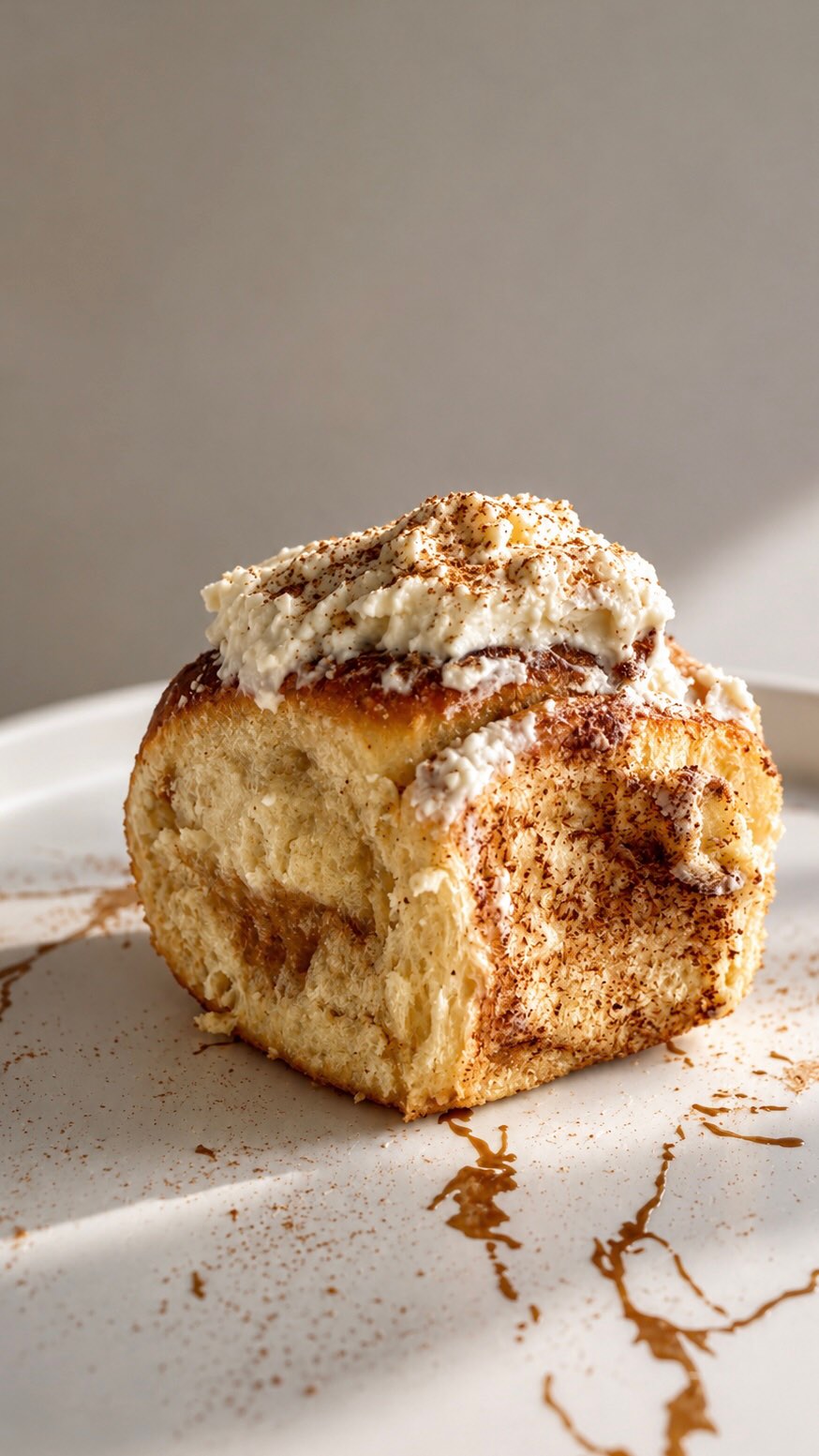
These Soft and Fluffy Homemade Cinnamon Rolls with Rich Cream Cheese Frosting are designed to deliver everything you love about classic bakery cinnamon rolls. Each roll features tender, golden dough wrapped around a rich filling of brown sugar, ground cinnamon, and softened butter. Once baked, the rolls become beautifully puffed, with delicate layers that pull apart easily.
The finishing touch is a thick, creamy frosting made from softened cream cheese, butter, powdered sugar, and vanilla extract. Spread over the rolls while they are still slightly warm, the frosting softens gently and settles into the cinnamon swirls, creating an irresistible combination of fluffy bread and sweet, tangy creaminess.
Unlike store-bought cinnamon rolls, homemade versions allow you to control the amount of cinnamon, sweetness, and frosting. You can make them extra gooey, generously frosted, or lightly glazed according to your preference.
The dough is enriched with whole milk, eggs, butter, and sugar, creating a soft and tender texture. Two rising periods allow the yeast to develop the dough’s structure and help the finished rolls become light and airy.
Whether served for a weekend breakfast, holiday brunch, family gathering, or afternoon treat, these cinnamon rolls bring the comforting experience of a bakery directly into your home.
Origin and Cultural Significance
Cinnamon rolls are enjoyed in many parts of the world, with variations influenced by European baking traditions and modern American pastry culture.
Sweet yeast-raised breads flavored with cinnamon have a long history in Northern and Central Europe. As cinnamon became more widely available through international trade, it became a popular ingredient in sweet breads, pastries, and festive baked goods.
One of the most recognizable European cinnamon buns is the Swedish kanelbulle, a twisted or rolled pastry traditionally flavored with cinnamon and often cardamom.
In Sweden, cinnamon buns are closely associated with fika, a social tradition centered around taking a break to enjoy coffee and something sweet.
Other countries, including Finland, Denmark, and Norway, have their own cinnamon-flavored sweet bread traditions.
In the United States, cinnamon rolls developed into a particularly rich and indulgent bakery favorite. American-style cinnamon rolls are often larger, softer, and more generously coated with icing than many traditional European versions.
Cream cheese frosting became an especially popular topping because its mild tanginess balances the sweetness of the cinnamon filling.
Today, cinnamon rolls are commonly associated with weekend breakfasts, holiday mornings, brunch gatherings, and homemade comfort baking.
Their spiral shape, buttery filling, and fragrant aroma make them instantly recognizable.
This recipe celebrates the familiar American bakery-style cinnamon roll while drawing on the broader tradition of cinnamon-flavored yeast breads.
Ingredients
For the Soft and Fluffy Cinnamon Roll Dough
- 1 cup (240 ml) whole milk, warmed to approximately 105–110°F (40–43°C)
- 2¼ teaspoons (7 g) active dry yeast, approximately 1 standard packet
- ½ cup (100 g) granulated sugar, divided
- ⅓ cup (75 g) unsalted butter, melted and cooled slightly
- 2 large eggs, at room temperature
- 1 teaspoon fine salt
- 4½ cups (approximately 540–565 g) all-purpose flour, plus a small amount for dusting
- 1 teaspoon vanilla extract, optional
Note: Flour weight varies depending on how it is measured. Begin with approximately 540 g and add only enough additional flour to produce a soft, slightly tacky dough.
For the Buttery Cinnamon-Sugar Filling
- 1 cup (200 g) packed light brown sugar
- 2½ tablespoons ground cinnamon
- ½ cup (113 g) unsalted butter, softened to room temperature
- 1 teaspoon all-purpose flour, optional, to help absorb excess moisture from the filling
- A small pinch of salt, optional
For the Rich Cream Cheese Frosting
- 4 oz (113 g) full-fat cream cheese, softened
- ¼ cup (57 g) unsalted butter, softened
- 2 cups (approximately 240 g) powdered sugar, sifted if lumpy
- 1 teaspoon pure vanilla extract
- 1–2 tablespoons whole milk or heavy cream, as needed
- A small pinch of salt, optional
For Finishing and Garnishing
- ¼ teaspoon ground cinnamon, for dusting
- Additional powdered sugar, optional
- A small amount of melted butter, optional, for brushing the warm rolls
Optional Additions
- Extra cinnamon: Add another ½ teaspoon to the filling for a more intense cinnamon flavor.
- Ground cardamom: Incorporate ¼ teaspoon into the dough for a fragrant Scandinavian-inspired variation.
- Brown butter: Use cooled browned butter in the frosting for a deeper, nutty flavor.
- Orange zest: Add 1 teaspoon of finely grated orange zest to the frosting for a fresh citrus note.
- Maple syrup: Stir 1 tablespoon into the frosting for a subtle maple flavor, reducing the added milk if necessary.
- Chopped pecans: Sprinkle ⅓ cup of finely chopped pecans over the cinnamon filling for additional crunch.
- Chopped walnuts: Add a small amount to the filling for an earthy, nutty contrast.
- Raisins: Scatter ¼ cup of raisins over the filling before rolling.
- Vanilla bean paste: Substitute for vanilla extract to create a more aromatic frosting.
- Heavy cream: For an extra-rich variation, pour approximately ¼ cup of slightly warmed heavy cream around the risen rolls just before baking. This changes the baking behavior and may require a few additional minutes in the oven.
- Caramel drizzle: Add a small amount over the frosting for a dessert-style presentation.
- Espresso powder: Mix a pinch into the frosting for a subtle coffee flavor.
Tips for Success
- Use fresh yeast: Check the expiration date and ensure the yeast becomes active during proofing.
- Keep the milk comfortably warm: Milk that is too hot can damage yeast. Aim for approximately 105–110°F (40–43°C).
- Use room-temperature eggs: They blend more easily into the dough and help maintain a suitable dough temperature.
- Allow melted butter to cool slightly: Very hot butter can raise the dough temperature excessively.
- Measure flour carefully: Too much flour can make cinnamon rolls dense and dry.
- Keep the dough slightly tacky: A soft dough produces a more tender roll than a stiff, heavily floured dough.
- Knead until smooth and elastic: Proper gluten development helps the dough rise and maintain its structure.
- Allow sufficient rising time: Yeast activity depends on temperature, so watch for dough expansion rather than relying only on the clock.
- Use softened filling butter: Butter that is soft but not melted spreads more evenly and helps the cinnamon sugar stay in place.
- Distribute the cinnamon filling evenly: A consistent layer creates attractive swirls in every roll.
- Roll the dough snugly: A firm but gentle roll creates defined spirals without squeezing out the filling.
- Cut the rolls evenly: Similar-sized pieces bake at approximately the same rate.
- Use unflavored dental floss: It can create clean cuts without compressing the dough.
- Allow a second rise: The shaped rolls should look noticeably puffy before baking.
- Avoid overbaking: Overbaked cinnamon rolls lose their soft, tender texture.
- Check the center rolls: Rolls in the middle of the pan often take longer to bake than those near the edges.
- Use softened cream cheese: This helps create a smooth frosting without lumps.
- Add powdered sugar gradually: Mixing slowly prevents clouds of sugar and creates a more consistent frosting.
- Frost while slightly warm: Warm rolls soften the frosting so it settles into the spirals.
- Allow the rolls to cool slightly before frosting: Extremely hot rolls can cause the frosting to melt and become too thin.
Instructions
Step 1: Warm the Milk and Activate the Yeast
Pour the whole milk into a small saucepan or microwave-safe measuring cup.
Warm gently until it reaches approximately 105–110°F (40–43°C).
The milk should feel warm but not hot.
Transfer the milk to a large mixing bowl.
Add the active dry yeast and 1 tablespoon of the granulated sugar.
Whisk gently until combined.
Allow the mixture to rest for approximately 5–10 minutes.
The surface should become foamy or bubbly, indicating that the yeast is active.
If the mixture shows no signs of activity, check the yeast’s freshness and the milk temperature before proceeding.
Step 2: Combine the Wet Dough Ingredients
Add the remaining granulated sugar to the yeast mixture.
Pour in the melted butter, ensuring it has cooled enough that it is no longer hot.
Add the eggs, salt, and optional vanilla extract.
Whisk until the ingredients are evenly combined.
The mixture should appear smooth and slightly creamy.
Step 3: Add the Flour
Begin adding the all-purpose flour gradually.
Start with approximately 4 cups, stirring with a sturdy wooden spoon or dough hook attachment.
Continue mixing until a soft dough begins forming.
Add the remaining flour in small amounts as needed.
The dough should be soft and slightly tacky but manageable.
Avoid adding excessive flour simply to eliminate all stickiness.
A slightly moist dough helps produce fluffy cinnamon rolls.
Step 4: Knead the Dough
Transfer the dough to a lightly floured work surface.
Knead for approximately 8–10 minutes, pushing the dough forward with the heel of your hand, folding it back, and rotating it.
Continue until the dough becomes smooth, elastic, and cohesive.
If the dough sticks excessively, dust the surface with a small amount of additional flour.
Alternatively, use a stand mixer fitted with a dough hook.
Knead on low to medium-low speed for approximately 6–8 minutes, or until the dough becomes smooth and elastic.
The finished dough should stretch without tearing immediately.
Step 5: Prepare the Dough for the First Rise
Lightly grease a large mixing bowl with butter or neutral oil.
Place the kneaded dough inside.
Turn it once so the surface is lightly coated.
Cover the bowl with plastic wrap, a reusable cover, or a clean kitchen towel.
Place it in a warm, draft-free area.
Allow the dough to rise for approximately 60–90 minutes, or until it has roughly doubled in volume.
The exact time depends on the room temperature and yeast activity.
Step 6: Prepare the Cinnamon-Sugar Filling
While the dough rises, prepare the filling.
In a medium bowl, combine the packed brown sugar and ground cinnamon.
Add the optional teaspoon of flour and a small pinch of salt.
Mix thoroughly until the ingredients are evenly distributed.
Set the softened butter aside in a separate bowl.
The butter should be spreadable but not melted.
Step 7: Prepare the Baking Pan
Lightly grease a 9-by-13-inch (23-by-33-cm) baking pan with butter or nonstick cooking spray.
Make sure the bottom and sides are evenly coated.
A light-colored metal pan or ceramic baking dish works well.
Set the prepared pan aside.
Step 8: Roll Out the Dough
Once the dough has doubled in size, gently press it down to release some of the accumulated gas.
Transfer it to a lightly floured work surface.
Using a rolling pin, roll the dough into a large rectangle approximately 16 by 21 inches (41 by 53 cm).
Aim for an even thickness throughout.
If the dough springs back excessively, allow it to rest for 5–10 minutes before continuing.
Try to keep the edges relatively straight so the rolls will have a consistent shape.
Step 9: Spread the Softened Butter
Using an offset spatula or the back of a spoon, spread the softened butter evenly over the dough rectangle.
Cover the surface with a thin, consistent layer.
Leave approximately ½ inch along one long edge uncovered to help seal the rolled dough.
The butter acts as a flavorful base for the cinnamon-sugar filling.
Step 10: Add the Cinnamon-Sugar Mixture
Sprinkle the prepared brown sugar and cinnamon mixture evenly over the buttered dough.
Use your fingertips or the back of a spoon to distribute it into a uniform layer.
Press gently so the sugar adheres to the butter.
Avoid concentrating too much filling in one area.
The goal is to create a consistent cinnamon ribbon throughout the finished rolls.
Step 11: Roll the Dough into a Log
Starting from the long edge opposite the uncovered border, begin rolling the dough into a tight log.
Work slowly and evenly across the width.
Keep the roll snug without pulling so tightly that the filling is squeezed out.
Continue rolling until you reach the uncovered edge.
Pinch the seam gently to seal the log.
Position the seam underneath.
The finished log should be approximately 21 inches long.
Step 12: Cut the Cinnamon Rolls
Using a sharp knife, bench scraper, or piece of unflavored dental floss, divide the dough log into 12 approximately equal pieces.
Each roll will be about 1¾ inches thick.
For clean cuts with dental floss, slide the floss beneath the log, cross the ends over the top, and pull in opposite directions.
This method cuts through the dough without compressing the spiral layers.
Arrange the sliced rolls in the prepared baking pan.
Place them cut-side up in approximately three rows of four.
Leave a little space between the rolls to allow expansion during the second rise.
Step 13: Allow the Rolls to Rise Again
Cover the baking pan loosely with plastic wrap or a clean kitchen towel.
Place it in a warm, draft-free location.
Allow the rolls to rise for approximately 30–45 minutes, or until noticeably puffy.
The rolls should expand and begin touching one another.
If the kitchen is cool, the second rise may take longer.
Avoid rushing this stage, as sufficient proofing helps produce a soft, fluffy texture.
Step 14: Preheat the Oven
During the final 20 minutes of the second rise, preheat the oven to 350°F (175°C).
Position the oven rack near the center.
Allow the oven to heat thoroughly before baking.
If using a glass or ceramic baking dish, follow the manufacturer’s temperature and handling recommendations.
Step 15: Bake the Cinnamon Rolls
Remove the covering from the risen cinnamon rolls.
Place the baking pan on the center oven rack.
Bake for approximately 25–30 minutes.
The rolls should become lightly golden on top, with puffed centers and fragrant cinnamon filling.
Check the center rolls for doneness, as they may take slightly longer than the outer rolls.
An instant-read thermometer inserted into the bread portion of a center roll, avoiding concentrated filling, should typically register approximately 190–195°F (88–91°C).
If the tops brown too quickly, loosely cover the pan with aluminum foil during the final minutes.
Avoid overbaking, which can make the rolls dry.
Step 16: Prepare the Cream Cheese Frosting
While the cinnamon rolls bake, prepare the frosting.
Place the softened cream cheese and softened butter in a medium mixing bowl.
Using an electric hand mixer or stand mixer, beat for approximately 1–2 minutes until smooth and creamy.
Scrape down the sides of the bowl as needed.
The mixture should be free of large lumps.
Step 17: Add the Powdered Sugar and Vanilla
Gradually add the powdered sugar to the cream cheese mixture.
Mix on low speed initially to prevent the sugar from scattering.
Once incorporated, increase the speed slightly and beat until fluffy.
Add the vanilla extract and optional pinch of salt.
Continue mixing until smooth.
If the frosting is too thick, add milk or heavy cream 1 teaspoon at a time.
For a thick bakery-style frosting, use only enough liquid to make it spreadable.
Step 18: Cool the Rolls Slightly
Remove the baked cinnamon rolls from the oven.
Place the baking pan on a heat-resistant surface or cooling rack.
Allow the rolls to cool for approximately 10–15 minutes.
They should remain warm but no longer be extremely hot.
This short cooling period helps prevent the frosting from melting completely.
Step 19: Frost the Warm Cinnamon Rolls
Spoon the cream cheese frosting generously over the warm rolls.
Using an offset spatula or the back of a spoon, spread it across the tops.
Allow some frosting to settle naturally into the spiral grooves and spaces between the rolls.
For a particularly thick, attractive frosting layer, apply about half while the rolls are warm, then spread the remaining frosting once they have cooled a little more.
This creates a soft, creamy finish while preserving the appearance of the frosting.
Step 20: Garnish and Serve
Lightly dust the frosted rolls with ground cinnamon.
For a more decorative presentation, sprinkle the cinnamon from a small fine-mesh sieve.
Serve the cinnamon rolls warm or at room temperature.
Use a spatula to lift individual rolls from the pan, preserving their spiral shape.
Enjoy with coffee, tea, hot chocolate, or a glass of milk.
Optional Method: Overnight Cinnamon Rolls
For a convenient make-ahead version, prepare the dough, complete the first rise, add the filling, and cut the rolls as directed.
Arrange the shaped rolls in the greased baking pan.
Cover tightly and refrigerate overnight, approximately 8–12 hours.
The following morning, remove the pan from the refrigerator.
Allow the rolls to stand at room temperature until visibly puffy, typically 45–90 minutes depending on how much they rose in the refrigerator and the kitchen temperature.
Preheat the oven to 350°F (175°C).
Bake as directed, checking the center rolls for doneness.
Prepare the frosting while the rolls bake.
This method allows you to enjoy freshly baked cinnamon rolls in the morning without completing all the preparation that day.
Description
Soft and Fluffy Homemade Cinnamon Rolls with Rich Cream Cheese Frosting are classic bakery-style sweet rolls featuring tender yeast dough, buttery cinnamon-sugar swirls, and a generous layer of creamy frosting.
The exterior is lightly golden and soft, while the interior has a delicate, pillowy texture.
Each roll contains spirals of brown sugar, cinnamon, and butter that become fragrant and slightly gooey during baking.
The cream cheese frosting adds a smooth, rich, and mildly tangy contrast to the sweet cinnamon filling.
A light dusting of ground cinnamon enhances the aroma and creates an inviting presentation.
The finished rolls are warm, fluffy, sweet, and comforting, making them ideal for breakfast, brunch, dessert, or an afternoon treat.
Nutritional Information
Approximate values per cinnamon roll, assuming the recipe makes 12 large rolls and all the filling and frosting are used:
- Calories: 550–650 kcal
- Protein: 7–9 g
- Carbohydrates: 80–95 g
- Fat: 22–27 g
- Saturated Fat: 13–17 g
- Fiber: 2–3 g
- Sugar: 45–55 g
- Sodium: 220–320 mg
These values are estimates and vary depending on the flour, butter, milk, cream cheese, and frosting quantities.
Using a smaller amount of frosting or dividing the dough into more portions will reduce the approximate calories per roll.
The cinnamon rolls contain gluten, milk, and eggs.
Recipe Details
- Prep Time: Approximately 25–35 minutes of active preparation
- First Rise: Approximately 60–90 minutes
- Second Rise: Approximately 30–45 minutes
- Cook Time: Approximately 25–30 minutes
- Cooling and Frosting Time: Approximately 15–20 minutes
- Total Time: Approximately 2 hours 35 minutes to 3 hours 40 minutes
- Servings: 12 large cinnamon rolls
- Cuisine: American bakery-style, inspired by European sweet bread traditions
- Course: Breakfast, brunch, dessert, or sweet snack
- Cooking Methods: Yeast fermentation, kneading, rolling, proofing, and baking
- Difficulty: Moderate
Conclusion
Soft and Fluffy Homemade Cinnamon Rolls with Rich Cream Cheese Frosting bring together the comforting aroma of cinnamon, the tenderness of enriched yeast dough, and the irresistible richness of creamy frosting.
The soft dough develops a beautifully fluffy texture through careful kneading and two rising periods, while the buttery cinnamon-sugar filling creates delicious spirals throughout every roll.
The generous cream cheese frosting adds a smooth, tangy sweetness that complements the warm cinnamon flavor.
Although homemade cinnamon rolls require some patience, the process is straightforward when broken into manageable steps.
From activating the yeast and preparing the dough to rolling, shaping, baking, and frosting, each stage contributes to the finished texture and flavor.
The result is a pan of golden, fragrant cinnamon rolls that are perfect for sharing with family and friends.
Whether served during a holiday breakfast, weekend brunch, or cozy afternoon, these homemade cinnamon rolls offer a memorable bakery-style treat.
Recommendation
For the softest cinnamon rolls, measure the flour carefully and avoid adding excessive amounts during kneading.
Allow the dough to complete both rising stages before baking.
Use softened butter for the filling rather than melted butter to help keep the cinnamon sugar in place.
For an attractive spiral pattern, roll the dough evenly and cut the pieces using unflavored dental floss or a sharp knife.
Bake only until the rolls are fully cooked and lightly golden.
Allow them to cool briefly before applying the cream cheese frosting.
For a thick bakery-style topping, reserve part of the frosting and spread it over the rolls after they have cooled slightly.
Because the frosting contains cream cheese, refrigerate frosted cinnamon rolls in an airtight container within 2 hours of preparation.
Store refrigerated rolls for approximately 3–4 days for best quality.
To reheat, warm individual rolls gently in the microwave for approximately 10–20 seconds, checking frequently to prevent the frosting from becoming excessively hot.
Alternatively, warm unfrosted rolls in a low oven and add frosting afterward.
For longer storage, freeze unfrosted cinnamon rolls in a freezer-safe container for up to 2–3 months for best quality.
Thaw in the refrigerator or at room temperature for a short period before reheating, then frost before serving.
For a beautiful presentation, arrange the rolls closely together in a baking dish, spread the frosting generously, and finish with a light dusting of cinnamon.
Serve alongside freshly brewed coffee, tea, or hot chocolate.
Embracing Healthful Indulgence
Homemade cinnamon rolls are a comforting sweet treat that can be enjoyed as part of a varied and balanced eating pattern.
The enriched dough provides carbohydrates for energy, while milk and eggs contribute protein and other nutrients.
Cinnamon adds aromatic flavor, allowing the rolls to develop a warm, inviting character.
The cream cheese frosting contributes richness and a pleasant tanginess, although it also adds sugar and saturated fat.
For a less-sweet variation, reduce the amount of powdered sugar in the frosting or apply a thinner layer.
The brown sugar filling can also be reduced slightly while maintaining the recognizable cinnamon swirl.
Replacing a small portion of the all-purpose flour with whole wheat flour may increase fiber, although the dough may require a little more liquid and the finished rolls may be slightly denser.
For smaller portions, divide the dough into 15 rolls rather than 12 and adjust the baking time as needed.
Pairing a cinnamon roll with protein-rich foods such as plain yogurt or eggs and some fresh fruit can create a more substantial breakfast.
Ultimately, these homemade cinnamon rolls celebrate the pleasure of baking from scratch, sharing sweet treats, and enjoying familiar flavors.
Their soft texture, warm cinnamon aroma, and creamy frosting make them a delicious occasional indulgence that can be adapted to suit different preferences and serving sizes.