
1. Introduction
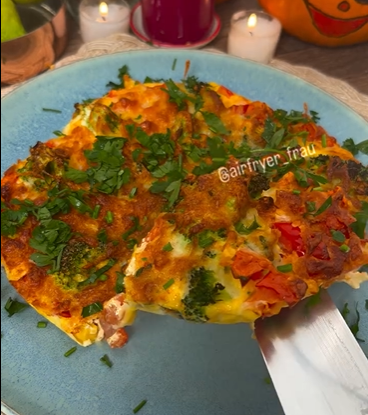
This Cheesy Baked Vegetable Frittata is a colorful, satisfying dish made with fluffy eggs, tender broccoli, sweet bell peppers, juicy tomatoes, and plenty of melted cheese. Baked until the center is set and the top turns beautifully golden, it is an easy recipe that brings fresh vegetables and comforting flavors together in one skillet.
The combination of mozzarella or cheddar, aromatic garlic powder, paprika, oregano, and fresh herbs gives every slice a delicious savory flavor. A little milk or cream creates a tender texture, while sautéing the vegetables before adding the eggs helps develop their natural sweetness.
One of the best things about this vegetable frittata is its versatility. Serve it for breakfast, weekend brunch, lunch, or a light dinner. It is also a convenient option for meal preparation because individual slices can be refrigerated and reheated for a quick meal later in the week.
With simple ingredients and approximately 35 minutes from preparation to serving, this baked frittata is an excellent addition to your collection of easy homemade recipes.
2. Origin
The frittata is an Italian egg-based dish traditionally prepared with ingredients such as vegetables, cheese, herbs, and sometimes meat. Its name comes from the Italian verb friggere, meaning “to fry,” reflecting the traditional practice of cooking eggs in a pan.
Unlike some omelets, which are folded around their fillings, a frittata generally combines its ingredients directly with the beaten eggs. It may begin cooking on the stovetop and finish in the oven, or it can be cooked entirely on the stovetop depending on the recipe.
This baked vegetable version takes inspiration from that classic preparation while incorporating familiar ingredients such as broccoli, bell peppers, tomatoes, mozzarella, and cheddar. The result is a practical, modern variation that is easy to prepare in a home kitchen.
Although it resembles a crustless quiche, a frittata typically has a higher proportion of eggs to dairy and does not use a pastry crust.
3. Cultural Significance
Egg dishes have long been valued in home cooking because they are adaptable, easy to prepare, and suitable for many meals. A frittata is a particularly practical example: leftover vegetables, small amounts of cheese, and fresh herbs can be combined with eggs to create a complete dish.
In Italian cooking, frittatas are often served warm or at room temperature and can be enjoyed for breakfast, lunch, or as part of a larger meal. Their flexible ingredients make them useful for everyday cooking and for reducing food waste.
This cheesy vegetable variation brings that versatility to the modern family table. Its bright colors and familiar flavors make it suitable for brunch gatherings, weekday breakfasts, or a relaxed dinner served with salad and bread.
4. Ingredients and Quantities
Prep time: 15 minutes
Cook time: 20 minutes
Total time: 35 minutes
Servings: 4
Ingredients
- 8 large eggs
- 1/2 cup milk or heavy cream
- 1 cup broccoli florets, lightly steamed
- 1 red bell pepper, diced
- 1 small onion, finely chopped
- 1 medium tomato, diced and drained
- 1 cup shredded mozzarella or cheddar cheese
- 2 tablespoons olive oil
- 1/2 teaspoon paprika
- 1/2 teaspoon garlic powder
- 1/2 teaspoon dried oregano
- Salt and black pepper, to taste
- 2 tablespoons fresh parsley or cilantro, chopped
- 2 tablespoons grated Parmesan cheese, optional
Equipment
- Oven-safe skillet, preferably 10 inches
- Mixing bowl
- Whisk or fork
- Cutting board and knife
- Measuring cups and spoons
- Spatula
- Oven mitts
Ingredient Notes
Eggs: Large eggs provide the structure of the frittata. Whisk them thoroughly with the milk or cream to create a consistent mixture.
Milk or heavy cream: Milk produces a lighter texture, while heavy cream makes the finished frittata richer. Either option works well.
Broccoli: Lightly steaming the broccoli before adding it to the skillet helps it become tender without releasing too much moisture into the eggs.
Bell pepper and onion: These vegetables contribute sweetness, color, and texture. Sautéing them before adding the egg mixture improves their flavor.
Tomato: Use a firm, ripe tomato and drain away excess liquid. Too much moisture can make the center watery.
Mozzarella or cheddar: Mozzarella provides a mild flavor and a stretchy melt, while cheddar offers a sharper, more pronounced taste. A combination of both is also delicious.
Fresh herbs: Parsley adds a fresh, mild flavor, while cilantro provides a more distinctive herbal note. Choose whichever you prefer.
5. Optional Additions
This baked vegetable frittata is easy to customize with ingredients you already have available.
- Spinach: Stir in a handful of fresh spinach and cook until wilted before adding the eggs.
- Mushrooms: Sauté sliced mushrooms with the onion for an earthy flavor.
- Zucchini: Add diced zucchini, cooking it until some of its moisture evaporates.
- Green onions: Sprinkle sliced green onions into the egg mixture for a fresh, savory note.
- Feta cheese: Replace some of the mozzarella with crumbled feta for a tangier flavor.
- Sun-dried tomatoes: Add a few chopped pieces for a concentrated tomato flavor.
- Fresh basil: Replace some of the oregano or parsley with chopped basil.
- Red pepper flakes: Add a small pinch for a little heat.
- Cooked chicken: Add small pieces of cooked chicken if you want a more substantial meal.
If you add extra vegetables, cook out excess moisture before pouring in the eggs. This helps the frittata set evenly and makes the slices easier to cut.
6. Tips for Success
Cook Moisture-Rich Vegetables First
Vegetables such as tomatoes, mushrooms, zucchini, and spinach can release water during cooking. Sauté or drain them as needed before combining them with the eggs.
Do Not Overcook the Broccoli
Steam the broccoli for just 2–3 minutes before adding it to the skillet. It should be slightly tender but still hold its shape, since it will continue cooking in the oven.
Whisk the Eggs Thoroughly
Beat the eggs and milk until the yolks and whites are fully combined. This helps create a consistent texture throughout the frittata.
Use an Oven-Safe Skillet
A cast-iron or oven-safe nonstick skillet allows you to sauté the vegetables, begin setting the eggs, and finish baking in the same pan. If your skillet is not oven-safe, transfer the vegetables and egg mixture to a greased baking dish before placing it in the oven.
Cook the Edges Gently
After pouring in the eggs, cook over medium-low heat for 3–4 minutes. This gives the edges time to begin setting without browning too quickly on the bottom.
Watch the Center, Not Just the Top
The cheese may melt and turn golden before the center is fully cooked. Check the middle of the frittata to ensure the eggs have set completely. The center should reach 160°F for food safety.
Let It Rest Before Slicing
Rest the frittata for about 5 minutes after baking. This helps the eggs settle and makes it easier to cut neat slices without the filling falling apart.
7. Instructions
Step 1: Prepare the Oven and Broccoli
Preheat the oven to 375°F.
Lightly steam the broccoli florets for 2–3 minutes, until they begin to soften but remain firm. Drain them well and set aside.
If the florets are large, cut them into smaller bite-sized pieces so they distribute evenly throughout the frittata.
Step 2: Sauté the Onion and Bell Pepper
Heat the olive oil in a 10-inch oven-safe skillet over medium heat.
Add the chopped onion and diced red bell pepper. Cook for 3–4 minutes, stirring occasionally, until the vegetables begin to soften.
Add the drained diced tomato and steamed broccoli. Cook for another 2 minutes to help evaporate excess moisture.
Step 3: Season the Vegetables
Sprinkle the paprika, garlic powder, dried oregano, salt, and black pepper over the vegetables.
Stir well so the seasonings are distributed evenly. Remove the skillet from the heat briefly while you prepare the egg mixture.
Step 4: Prepare the Egg Mixture
Crack the eggs into a mixing bowl and add the milk or heavy cream.
Whisk until the mixture is smooth and evenly combined. Stir in half of the shredded cheese and half of the chopped fresh herbs.
Pour the egg mixture over the vegetables in the skillet, gently moving the vegetables with a spatula if needed to distribute them evenly.
Step 5: Begin Cooking on the Stovetop
Return the skillet to medium-low heat.
Cook for 3–4 minutes, until the edges of the egg mixture begin to set. The center should still be soft at this stage because it will finish cooking in the oven.
Avoid stirring the mixture once the eggs begin to set.
Step 6: Add the Remaining Cheese
Sprinkle the remaining shredded cheese over the top of the frittata. Add the grated Parmesan, if using.
Distribute the cheese evenly so each slice has a flavorful, melted topping.
Step 7: Bake Until Set
Carefully transfer the skillet to the preheated oven.
Bake for 15–20 minutes, until the center is set and the cheese has melted. The top should look lightly golden, and the eggs should no longer appear wet in the middle.
For food safety, the center should reach 160°F. If it needs more time, continue baking in short intervals and check again.
Step 8: Rest, Garnish, and Serve
Remove the skillet from the oven using oven mitts. Let the frittata rest for 5 minutes.
Sprinkle the remaining fresh parsley or cilantro over the top. Cut into four portions and serve warm.
Be sure to remind everyone that the skillet handle will remain hot after it leaves the oven.
8. Description
Cheesy Baked Vegetable Frittata is a savory, oven-baked egg dish filled with broccoli, red bell pepper, onion, tomato, and melted cheese. The eggs become fluffy and tender, while the vegetables add color, texture, and natural sweetness.
Paprika, garlic powder, and oregano provide a gentle blend of seasonings, and fresh parsley or cilantro brightens the finished dish. The mozzarella or cheddar topping melts into the eggs, creating a deliciously cheesy finish without the need for a pastry crust.
Each slice offers a combination of soft eggs, tender vegetables, and rich cheese. Serve it for breakfast or brunch, or pair it with a salad and crusty bread for an easy lunch or light dinner.
9. Nutritional Information
Approximate nutrition per serving, based on four servings:
- Calories: 310
- Protein: 21 g
- Carbohydrates: 8–12 g
- Fat: 21–24 g
- Saturated fat: 7–10 g
- Sodium: 350–600 mg
These figures are estimates and may vary depending on whether you use milk or heavy cream, the type of cheese selected, and the amount of salt added. Additional toppings and side dishes are not included.
For more precise nutritional information, calculate the recipe using the specific ingredients and quantities used in your kitchen.
10. Conclusion
Cheesy Baked Vegetable Frittata is an easy, colorful recipe that combines fluffy eggs, fresh vegetables, herbs, and melted cheese in one satisfying dish. Its simple preparation and flexible ingredients make it a reliable choice for breakfast, brunch, lunch, or a light dinner.
By sautéing the vegetables first and allowing the frittata to finish cooking in the oven, you can create tender slices with a flavorful, cheesy top and a fully set center.
Serve it warm with fresh herbs, a crisp salad, or toasted bread. Whether you prepare it for a weekend brunch or a quick weekday meal, this homemade frittata is a practical way to enjoy a variety of flavors in every slice.
11. Recommendation
For a complete breakfast or brunch, serve the frittata with sides that complement its savory flavors.
- Whole-grain toast: A simple accompaniment that works well with the soft eggs.
- Fresh fruit salad: Adds refreshing sweetness to the meal.
- Roasted potatoes: Make the dish more substantial for a weekend brunch.
- Mixed green salad: Provides freshness and a crisp contrast.
- Sliced avocado: Offers a creamy texture that pairs nicely with the vegetables.
- Tomato and cucumber salad: Adds a light, refreshing side.
For entertaining, cut the frittata into small squares and arrange them on a platter as part of a brunch spread. It can also be served at room temperature after cooling safely, making it convenient for casual gatherings.
Storage and Reheating
Allow leftover frittata to cool slightly, then refrigerate it in an airtight container within two hours of cooking. Store it in the refrigerator for 3–4 days.
To reheat, place individual slices in a microwave-safe dish and heat in short intervals until thoroughly warmed. You can also reheat slices in a 325°F oven until hot throughout.
For freezing, cut the fully cooled frittata into individual portions and wrap them separately before placing them in a freezer-safe container. Freeze for up to 2 months for best quality. Thaw overnight in the refrigerator and reheat thoroughly before serving. The texture of some vegetables may soften slightly after freezing.
Frequently Asked Questions
What is the difference between a frittata and a crustless quiche?
Both dishes contain eggs, cheese, and other fillings without necessarily using a pastry crust. A frittata is generally more egg-focused and often begins cooking on the stovetop before finishing in the oven. A crustless quiche typically has a higher proportion of dairy and a softer, custard-like texture.
Can I make this frittata with frozen broccoli?
Yes. Thaw the broccoli and drain it thoroughly before adding it to the skillet. Cook away any excess moisture so the finished frittata does not become watery.
Can I use milk instead of heavy cream?
Absolutely. Milk works well and produces a less rich texture. Heavy cream creates a richer, more custard-like result, so choose according to your preference.
Why is my vegetable frittata watery?
Excess moisture from tomatoes, frozen vegetables, mushrooms, or zucchini can make the center watery. Drain tomatoes, cook vegetables before adding the eggs, and avoid adding too much liquid to the egg mixture.
How do I know when the frittata is done?
The edges should be set, the center should no longer look wet, and the eggs should reach 160°F in the middle. Avoid relying only on the color of the cheese, since the top may brown before the center is fully cooked.
Can I prepare the frittata ahead of time?
Yes. You can chop the vegetables, steam the broccoli, and shred the cheese a day ahead. Store the prepared ingredients in separate covered containers in the refrigerator, then assemble and bake the frittata when you are ready.
Can I make this recipe without cheese?
Yes. The cheese can be omitted, although the flavor and texture will be different. Season the vegetables well and consider adding fresh herbs or a little extra black pepper for flavor.
12. Embracing Healthful Indulgence
A homemade frittata is a convenient way to bring eggs, vegetables, herbs, and cheese together in one versatile meal. The eggs provide protein, while broccoli, bell pepper, tomato, and onion contribute color, texture, and a variety of nutrients.
You can adjust the recipe to suit your preferences by choosing milk or cream, using your favorite cheese, or incorporating additional vegetables. Pair it with fruit, whole-grain toast, or a fresh salad to create a meal that feels complete and satisfying.
Cooking at home also gives you the freedom to use ingredients you enjoy and make the recipe your own. With its fluffy eggs, tender vegetables, and melted cheese, this Cheesy Baked Vegetable Frittata is a flavorful option for sharing a relaxed homemade meal.