
1. Introduction
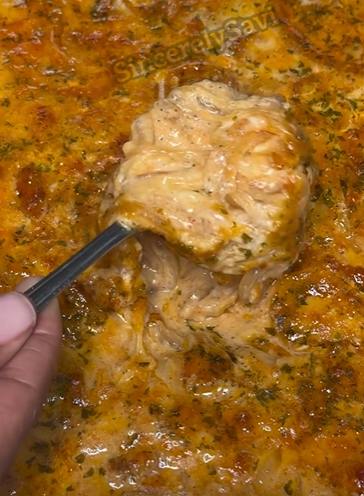
Creamy Tuscan Chicken in Garlic Parmesan Sauce is a comforting, restaurant-style dinner made with tender pan-seared chicken simmered in a rich sauce of garlic, Parmesan cheese, heavy cream, herbs, and a touch of tomato paste. The result is a velvety, savory sauce with a beautiful golden color and layers of flavor in every bite.
This easy chicken dinner brings together simple ingredients to create a meal that feels special without requiring complicated cooking techniques. The chicken develops a golden crust in the skillet before finishing in the creamy sauce, allowing it to absorb the garlic, herbs, and Parmesan flavors.
Serve this creamy Tuscan chicken over pasta, mashed potatoes, or rice to make the most of the delicious sauce. Crusty bread is another excellent choice for soaking up every last spoonful. Whether you’re preparing a cozy family dinner or a meal for guests, this recipe is satisfying, versatile, and easy to make in one skillet.
2. Origin
Creamy Tuscan Chicken is a modern Italian-American-inspired dish rather than a traditional recipe with one established origin in Tuscany, Italy. Its name draws on the appeal of Tuscan-style cooking, which is often associated with garlic, herbs, olive oil, and straightforward ingredients.
The creamy version popular in American home kitchens combines these familiar flavors with heavy cream and Parmesan cheese to create a rich skillet sauce. Some versions also include sun-dried tomatoes, spinach, or mushrooms, while others, like this recipe, use tomato paste for a subtle tomato flavor and a warm golden color.
This particular variation keeps the ingredient list relatively simple while emphasizing seared chicken, aromatic garlic, Parmesan, and fresh parsley.
3. Cultural Significance
Creamy Tuscan Chicken has become a favorite in home cooking because it delivers the comforting flavors of a restaurant-style meal using accessible ingredients and familiar techniques.
One-pan chicken recipes are especially appealing for busy households. Searing the chicken and preparing the sauce in the same skillet creates a flavorful foundation while reducing the number of dishes to wash.
The dish also adapts easily to different occasions. It can be served over pasta for a hearty family dinner, paired with roasted vegetables for a more varied plate, or presented with crusty bread for a relaxed meal with friends.
Although the name evokes Italian cuisine, this creamy preparation is best understood as a contemporary Italian-American comfort-food recipe.
4. Ingredients and Quantities
Prep time: 15 minutes
Cook time: 30 minutes
Total time: 45 minutes
Servings: 4
Ingredients
- 4 boneless, skinless chicken breasts or chicken thighs
- 2 tablespoons olive oil
- 2 tablespoons unsalted butter, divided
- 4 cloves garlic, minced
- 1 small onion, thinly sliced
- 1 teaspoon paprika
- 1/2 teaspoon Italian seasoning
- 1/2 teaspoon dried thyme
- Salt and black pepper, to taste
- 1 cup chicken stock
- 1 cup heavy cream
- 1/2 cup grated Parmesan cheese
- 1 tablespoon tomato paste
- 1/2 teaspoon red chili flakes, optional
- 2 tablespoons fresh parsley, chopped
- 1 tablespoon fresh lemon juice
Ingredient Notes
Chicken breasts or thighs: Boneless, skinless chicken breasts provide a leaner option, while chicken thighs tend to remain juicy and have a richer flavor. If the pieces are unusually thick, flatten them to a more even thickness for consistent cooking.
Olive oil and butter: Olive oil helps brown the chicken, while butter adds richness to the sauce. Using both creates a flavorful base for the aromatics.
Garlic and onion: Fresh minced garlic gives the sauce its signature aroma, and sliced onion adds a gentle sweetness as it softens.
Paprika and herbs: Paprika adds color and mild warmth. Italian seasoning and dried thyme provide an aromatic, savory flavor that complements the creamy sauce.
Chicken stock: Stock loosens the browned bits from the pan and provides a savory foundation. Lower-sodium stock is useful if you want greater control over the saltiness.
Heavy cream: Heavy cream creates a smooth, rich sauce. For the best consistency, bring it to a gentle simmer rather than a vigorous boil.
Parmesan cheese: Freshly grated Parmesan generally melts more smoothly than pre-shredded cheese. Add it gradually and stir until incorporated.
Tomato paste: A small amount deepens the sauce’s flavor and adds subtle sweetness and color without making it taste strongly of tomato.
Lemon juice and parsley: Lemon juice brightens the rich sauce, while fresh parsley adds color and a fresh herbal finish.
Equipment
- Large skillet with a lid
- Tongs
- Cutting board and sharp knife
- Measuring cups and spoons
- Instant-read meat thermometer
- Wooden spoon or heat-resistant spatula
- Small bowl for seasoning
5. Optional Additions
This creamy garlic Parmesan chicken is easy to customize with extra vegetables, herbs, or spices.
- Fresh spinach: Stir in two generous handfuls during the final few minutes of cooking until wilted.
- Sun-dried tomatoes: Add a small handful of chopped sun-dried tomatoes for a tangy, concentrated flavor.
- Sliced mushrooms: Brown mushrooms after removing the chicken, then continue with the onion and garlic.
- Bell peppers: Add thinly sliced red or yellow bell peppers with the onion for extra color and sweetness.
- Extra Parmesan: Add a little more cheese at the end if you prefer a stronger Parmesan flavor. Adjust the salt afterward.
- Fresh basil: Replace some of the parsley with chopped fresh basil for a fragrant finish.
- Smoked paprika: Use smoked paprika instead of regular paprika for a deeper, smoky note.
- More heat: Increase the red chili flakes gradually if you enjoy a spicier sauce.
If you add vegetables that release a lot of water, cook them until their excess moisture evaporates before adding the cream. This helps the sauce maintain a smooth, creamy consistency.
6. Tips for Success
Pat the chicken dry before seasoning. Removing surface moisture helps the chicken develop a golden-brown crust instead of steaming in the skillet.
Season evenly. Coat both sides of the chicken with paprika, Italian seasoning, thyme, salt, and pepper. This ensures the chicken is flavorful throughout.
Avoid overcrowding the skillet. If the chicken pieces do not fit comfortably in one layer, sear them in batches. Overcrowding can prevent proper browning.
Do not worry if the chicken is not fully cooked after searing. The initial cooking step develops color and flavor. The chicken will finish cooking in the sauce.
Cook the garlic briefly. Garlic can burn quickly and become bitter. Add it after the onion has softened and stir for about 30 seconds.
Deglaze the pan thoroughly. After adding the chicken stock, scrape up the browned bits from the bottom of the skillet. These add depth to the sauce.
Keep the sauce at a gentle simmer. A vigorous boil can cause the cream sauce to reduce too quickly or become less smooth. Moderate heat gives the ingredients time to combine.
Add Parmesan gradually. Sprinkle in the cheese while stirring so it melts evenly. Finely grated Parmesan usually incorporates more easily.
Check the chicken with a thermometer. Cook the thickest part of each piece to an internal temperature of 165°F (74°C). Cooking time varies depending on the size and thickness of the chicken.
Finish with lemon juice. Adding the lemon juice near the end brightens the rich cream and cheese without overwhelming the sauce.
Taste before adding more salt. Parmesan and chicken stock already contribute salt, so adjust the seasoning only after the sauce has come together.
7. Instructions
Step 1: Season the Chicken
Pat the chicken breasts or thighs dry with paper towels.
In a small bowl, combine the paprika, Italian seasoning, dried thyme, salt, and black pepper. Sprinkle the mixture evenly over both sides of the chicken, pressing lightly so the seasonings adhere.
If using particularly thick chicken breasts, consider slicing them horizontally or gently flattening them to help them cook evenly.
Step 2: Sear the Chicken
Heat the olive oil and 1 tablespoon of butter in a large skillet over medium-high heat.
Once the skillet is hot, add the chicken in a single layer. Sear for approximately 4–5 minutes per side, or until each side develops a golden-brown crust.
The chicken does not need to be fully cooked at this stage. Transfer it to a clean plate and set it aside while you prepare the sauce.
Step 3: Sauté the Onion and Garlic
Reduce the heat to medium and add the remaining tablespoon of butter to the same skillet.
Add the sliced onion and cook for 2–3 minutes, stirring occasionally, until softened. Add the minced garlic and cook for about 30 seconds, stirring constantly until fragrant.
If the garlic starts to brown too quickly, lower the heat slightly.
Step 4: Build the Sauce
Stir the tomato paste into the onion and garlic mixture. Add the red chili flakes if using, and cook for about 1 minute to deepen the flavor.
Pour in the chicken stock and use a wooden spoon or spatula to scrape up the browned bits from the bottom of the skillet.
Allow the stock to simmer briefly so it combines with the aromatics and tomato paste.
Step 5: Add the Cream and Parmesan
Pour the heavy cream into the skillet and stir until the sauce is evenly combined.
Bring the mixture to a gentle simmer, then gradually add the grated Parmesan cheese while stirring. Continue cooking for 3–5 minutes, allowing the sauce to thicken slightly.
Avoid boiling the sauce aggressively. If it becomes too thick, add a small splash of chicken stock and stir until it reaches your preferred consistency.
Step 6: Return the Chicken to the Skillet
Place the seared chicken back into the skillet, along with any juices that have collected on the plate.
Spoon the creamy garlic Parmesan sauce over each piece. Cover the skillet and reduce the heat to medium-low.
Simmer for approximately 10–15 minutes, depending on the thickness of the chicken. Check the thickest part of each piece with an instant-read thermometer; the safe internal temperature is 165°F (74°C).
If the chicken reaches the correct temperature before the sauce has reduced to your liking, remove the chicken temporarily and let the sauce simmer gently until it reaches the desired consistency.
Step 7: Finish the Sauce
Turn the heat to low and stir in the fresh lemon juice and chopped parsley.
Taste the sauce and adjust the salt, pepper, or chili flakes as needed. If you prefer a more pronounced cheese flavor, add a little extra Parmesan and stir until melted.
Return the chicken to the sauce if you removed it during the final reduction, then spoon the sauce over the top.
Step 8: Serve and Enjoy
Transfer the chicken to plates or serve it directly from the skillet.
Spoon plenty of garlic Parmesan sauce over each portion. Garnish with additional parsley and a little freshly grated Parmesan if desired.
Serve immediately with pasta, mashed potatoes, rice, roasted vegetables, or crusty bread. The sauce is particularly delicious with a side that can absorb its creamy, savory flavor.
8. Description
Creamy Tuscan Chicken in Garlic Parmesan Sauce combines golden, tender chicken with a smooth, herb-infused cream sauce. Garlic and onion create an aromatic base, while Parmesan contributes a savory, nutty richness. Paprika adds warm color, thyme and Italian seasoning provide herbal depth, and a touch of tomato paste rounds out the flavor.
The finishing squeeze of lemon juice balances the creaminess and gives the sauce a brighter taste. Fresh parsley adds a final burst of color and freshness.
The texture is one of the dish’s biggest attractions: the chicken is seared for a flavorful exterior, then gently simmered until cooked through, while the sauce becomes thick enough to coat each piece without losing its silky consistency.
Serving Suggestions
- Pasta: Serve over fettuccine, linguine, or penne for a hearty dinner.
- Mashed potatoes: Spoon the sauce over creamy mashed potatoes to make a comforting meal.
- Rice: Pair with white or brown rice to absorb the garlic Parmesan sauce.
- Crusty bread: Serve warm bread on the side for dipping.
- Roasted vegetables: Add roasted broccoli, asparagus, carrots, or green beans for color and variety.
- Simple salad: A fresh green salad with a light vinaigrette provides a crisp contrast to the rich sauce.
Storage Instructions
Refrigerator: Allow leftovers to cool slightly, then transfer them to an airtight container and refrigerate within 2 hours of cooking. Store for up to 3–4 days.
Freezer: For the best sauce texture, enjoy this dish fresh or refrigerated. Cream sauces can separate after freezing and thawing. If you choose to freeze it, place the cooled chicken and sauce in a freezer-safe container for up to 2 months for best quality, knowing that the sauce may need extra attention when reheated.
Reheating on the stovetop: Place the chicken and sauce in a skillet over low to medium-low heat. Add a small splash of chicken stock or cream if the sauce has thickened. Cover and heat gently, stirring the sauce occasionally, until the chicken is heated through.
Reheating in the microwave: Place a portion in a microwave-safe dish, cover loosely, and heat in short intervals, stirring the sauce and turning the chicken as needed. Heat until the center reaches 165°F (74°C).
Avoid reheating the sauce over high heat, as vigorous boiling can make its texture less smooth.
9. Nutritional Information
The following figures are estimates for one serving when the recipe is divided into four portions. Actual values depend on the cut of chicken, the brand of cream and Parmesan, and the amount of sauce consumed.
- Calories: Approximately 560
- Protein: Approximately 42 g
- Carbohydrates: Approximately 8–12 g
- Fat: Approximately 38–42 g
- Saturated fat: Approximately 17–21 g
- Sodium: Varies considerably depending on the chicken stock, Parmesan, and added salt
These are approximate values rather than laboratory-verified nutrition facts. For a more precise estimate, calculate the recipe using the exact ingredients and quantities you use.
Chicken provides protein, while the cream, butter, and Parmesan give the sauce its rich texture and flavor. Adding vegetables or serving the dish with a side of whole grains can create a more varied meal.
10. Conclusion
Creamy Tuscan Chicken in Garlic Parmesan Sauce is a satisfying skillet dinner that turns everyday ingredients into a rich, flavorful meal. The combination of golden chicken, fragrant garlic, herbs, Parmesan, and cream creates a sauce that is delicious over pasta, rice, mashed potatoes, or crusty bread.
The recipe is straightforward enough for a weeknight dinner yet elegant enough to serve to guests. With a few practical techniques—searing the chicken properly, simmering the sauce gently, and checking the internal temperature—you can achieve tender chicken and a smooth, flavorful sauce every time.
Make it your own with spinach, mushrooms, sun-dried tomatoes, or extra herbs, and keep the basic method in your recipe collection for a dependable family favorite.
11. Recommendation
For the best meal, serve Creamy Tuscan Chicken with fettuccine or mashed potatoes and a side of roasted broccoli or green beans. Finish the plates with fresh parsley and a light sprinkle of Parmesan.
If you’re cooking for guests, prepare the ingredients before you begin and use a large skillet so the chicken browns evenly. You can also slice the cooked chicken before serving for easier portioning, especially when pairing it with pasta.
Frequently Asked Questions
Can I use chicken thighs instead of chicken breasts?
Yes. Boneless, skinless chicken thighs work very well and tend to remain juicy. Their cooking time may vary depending on their size, so always check that the thickest part reaches 165°F (74°C).
Can I make this recipe without heavy cream?
You can substitute half-and-half, but the sauce will generally be thinner and may be more prone to separating. Add it over lower heat and avoid boiling. For a thicker sauce, a small amount of cornstarch mixed with cold stock can help, although the texture will differ from the original recipe.
Why is my Parmesan sauce grainy?
The sauce may have been too hot when the cheese was added, or the cheese may not have melted evenly. Lower the heat before adding Parmesan, stir it in gradually, and use finely grated cheese for a smoother result.
How can I thicken the sauce?
Let the sauce simmer gently for a few additional minutes before returning the chicken to the skillet, or remove the chicken once cooked and reduce the sauce separately. Avoid boiling it vigorously.
Can I make Creamy Tuscan Chicken ahead of time?
Yes. You can cook it in advance and refrigerate it in an airtight container for up to 3–4 days. Reheat gently with a splash of stock or cream to help restore the sauce’s consistency.
Is this recipe spicy?
The recipe is mild if you leave out the red chili flakes. Add them for a little warmth, or adjust the quantity to suit your preferences.
What can I serve with Tuscan chicken?
Pasta, rice, mashed potatoes, crusty bread, roasted vegetables, and green salads all pair well with the creamy sauce.
Can I add spinach or sun-dried tomatoes?
Absolutely. Add spinach toward the end of cooking and stir until wilted. Add chopped sun-dried tomatoes with the tomato paste or while the sauce simmers so their flavor has time to blend in.
How do I know when the chicken is done?
Use an instant-read thermometer inserted into the thickest part of the chicken. It should reach 165°F (74°C). Color alone is not a reliable way to confirm that chicken is safely cooked.
Can I freeze the leftovers?
Yes, although cream-based sauces can change texture after freezing. Store in a freezer-safe container for up to 2 months for best quality and thaw in the refrigerator before reheating gently.
12. Embracing Healthful Indulgence
A satisfying meal can offer both comfort and variety. Creamy Tuscan Chicken combines protein-rich chicken with a flavorful sauce made from garlic, herbs, Parmesan, and cream, creating a dish that feels special without requiring complicated preparation.
You can tailor the meal to your preferences by using chicken breasts or thighs, adding vegetables such as spinach or mushrooms, and choosing a side that complements the sauce. A colorful serving of vegetables alongside pasta, rice, or potatoes adds variety in flavor, texture, and nutrients.
Enjoy this dish for its rich taste and comforting qualities, whether you’re sharing dinner with family or preparing a homemade meal for yourself. With fresh ingredients and a few simple cooking techniques, this creamy garlic Parmesan chicken can become a dependable favorite at your table.