
Introduction
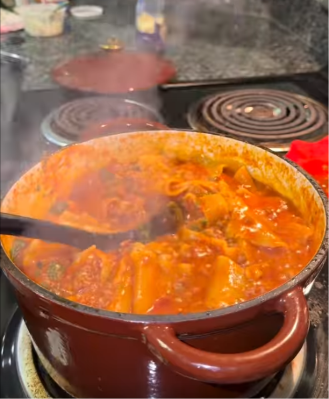
Enjoy all the comforting flavors of traditional homemade lasagna in a warm, hearty bowl with this delicious One-Pot Lasagna Soup. Combining savory ground beef or Italian sausage, tender lasagna noodles, rich tomato broth, aromatic Italian herbs, and a generous blend of creamy cheeses, this satisfying recipe delivers everything you love about classic lasagna without the time-consuming layering and baking.
The beauty of this dish lies in its simplicity. Instead of assembling multiple layers of pasta, meat sauce, and cheese in a baking dish, all the main ingredients come together in one large pot. Broken lasagna noodles simmer directly in the flavorful tomato broth, absorbing the delicious seasonings while releasing starch that gives the soup a pleasantly hearty consistency.
Ground beef or Italian sausage creates a rich, savory foundation, while onions, garlic, tomato paste, marinara sauce, and diced tomatoes build layers of classic Italian-inspired flavor. A generous sprinkle of Italian seasoning adds aromatic warmth, and optional red pepper flakes provide a subtle kick.
What makes this soup especially irresistible is the cheesy finish. Melted mozzarella adds a deliciously stretchy texture, Parmesan contributes a savory depth, and a generous spoonful of ricotta cheese on top recreates the creamy richness of traditional lasagna.
Fresh basil or parsley completes the dish with a burst of color and freshness.
Perfect for busy weeknights, cozy family dinners, meal preparation, or chilly evenings, this One-Pot Lasagna Soup is an easy and satisfying way to enjoy a beloved comfort food classic with minimal cleanup.
Origin and Cultural Significance
Lasagna is one of the most recognizable pasta dishes associated with Italian cuisine, celebrated for its layers of pasta, savory sauces, and rich fillings.
The history of lasagna extends back centuries, with early forms of layered or sheet-based pasta dishes appearing in Italian culinary traditions. Over time, different regions developed their own interpretations, incorporating ingredients such as meat ragù, béchamel sauce, tomato sauce, and various cheeses.
In the Emilia-Romagna region of Italy, lasagne alla Bolognese is traditionally associated with layers of pasta, slow-cooked meat ragù, béchamel, and Parmigiano Reggiano.
Other regional and Italian American versions often include tomato-based meat sauce, ricotta, mozzarella, and Parmesan.
As Italian immigrants brought their culinary traditions to North America, lasagna became a popular family meal, particularly for Sunday dinners, celebrations, and gatherings.
One-Pot Lasagna Soup is a modern, Italian American-inspired adaptation of this classic baked dish.
Rather than layering the ingredients in a casserole, the familiar components are transformed into a hearty soup featuring broken lasagna noodles, meat sauce, tomato broth, and melted cheese.
This preparation reflects the popularity of simplified one-pot meals, which emphasize convenience while preserving the recognizable flavors of traditional comfort foods.
The result is not a traditional Italian lasagna recipe, but a creative contemporary variation that celebrates the familiar combination of pasta, tomatoes, meat, herbs, and cheese.
Ingredients
For the Savory Meat and Tomato Soup Base
- 1 tablespoon extra virgin olive oil, or 1–2 tablespoons butter
- 1 lb (approximately 450 g) ground beef or mild or hot Italian sausage
- 1 medium yellow onion, finely diced
- 4 garlic cloves, minced
- 2 tablespoons tomato paste
- 1 jar (24 oz or approximately 680 g) marinara or pasta sauce
- 1 can (14.5 oz or approximately 410 g) diced tomatoes, including their juices
- 4 cups (approximately 950 ml) low-sodium chicken broth or beef broth
- 1 tablespoon Italian seasoning, plus more to taste
- ½ teaspoon crushed red pepper flakes, optional
- ½ teaspoon salt, or to taste
- ¼ teaspoon freshly ground black pepper
- ½–1 cup additional broth or water, as needed to adjust the consistency
Note: Start with 1 tablespoon of Italian seasoning and increase gradually if desired. Some seasoning blends are particularly concentrated, and using too much can overpower the tomato and meat flavors.
For the Lasagna Noodles
- 8–10 standard dried lasagna sheets, approximately 7–9 oz (200–250 g), broken into bite-sized pieces
Note: Regular dried lasagna noodles work well for this recipe. Oven-ready noodles can also be used, but their cooking time may differ. Follow the package guidance and check the pasta frequently.
For the Three-Cheese Finish
- ½ cup whole-milk ricotta cheese
- 1 cup shredded mozzarella cheese
- ¼ cup freshly grated Parmesan cheese
For Garnishing and Serving
- 2 tablespoons freshly chopped basil or parsley
- Additional grated Parmesan cheese, optional
- Freshly cracked black pepper
- A pinch of red pepper flakes, optional
- Crusty bread or garlic bread, optional, for serving
Optional Additions
- Italian sausage: Use mild or hot Italian sausage instead of ground beef for a richer, more seasoned soup.
- Mixed ground meat: Combine ground beef and Italian sausage for additional flavor.
- Fresh spinach: Stir in 2 cups of baby spinach during the final minutes of cooking for extra color and vegetables.
- Mushrooms: Add 1 cup of sliced mushrooms while sautéing the onions for an earthy flavor.
- Zucchini: Stir in 1 small diced zucchini with the tomato broth for additional vegetables.
- Bell peppers: Add ½ cup of finely diced red or green bell pepper for sweetness and texture.
- Fresh oregano: Add a little chopped fresh oregano for a more pronounced herbal aroma.
- Fresh thyme: Include a small amount for a subtle earthy note.
- Heavy cream: Stir in ¼ cup near the end for a creamier tomato broth.
- Cream cheese: Add 2 tablespoons for a richer, slightly tangy finish.
- Extra mozzarella: Sprinkle additional shredded mozzarella over each bowl for a cheesier presentation.
- Fresh basil pesto: Swirl a small spoonful into individual servings for an aromatic variation.
- Crushed red pepper: Increase slightly if you enjoy spicy pasta dishes.
- Vegetarian variation: Replace the ground meat with sautéed mushrooms, lentils, or a plant-based ground meat alternative, and use vegetable broth.
Tips for Success
- Choose flavorful ground meat: Ground beef with moderate fat content or Italian sausage provides a rich base. Drain excess grease after browning if necessary.
- Brown the meat thoroughly: Allowing the meat to develop color enhances the savory flavor of the soup.
- Cook the onions until tender: Softened onions contribute natural sweetness and balance the acidity of the tomatoes.
- Avoid burning the garlic: Add garlic after the onions have softened and cook only until fragrant.
- Toast the tomato paste: Cooking tomato paste briefly helps deepen its flavor and reduces its raw taste.
- Use a good-quality marinara sauce: The pasta sauce contributes significantly to the overall flavor, so choose one with a balanced tomato and herb profile.
- Start with low-sodium broth: This allows better control over the salt level, especially when using sausage, Parmesan, and prepared marinara sauce.
- Break the noodles into similar-sized pieces: Evenly sized pieces cook more consistently and are easier to eat with a spoon.
- Stir the pasta frequently: Lasagna noodles can stick together or settle at the bottom of the pot, so stir occasionally while they cook.
- Monitor the liquid level: Pasta absorbs broth as it cooks, so add more liquid if the soup becomes too thick.
- Avoid overcooking the noodles: Cook until just tender, especially if the soup will remain warm before serving.
- Add cheese gradually: Stir mozzarella and Parmesan into the hot soup after reducing or turning off the heat to prevent excessive clumping.
- Reserve ricotta for serving: A spoonful of ricotta on top creates a creamy contrast and resembles the cheese layers in traditional lasagna.
- Taste before adding more salt: Prepared marinara, broth, sausage, and cheese can already contain substantial sodium.
- Serve immediately for the best texture: The noodles continue absorbing liquid as the soup rests.
- Store pasta separately when meal prepping: Cooking and storing noodles separately helps prevent them from becoming overly soft in leftover soup.
Instructions
Step 1: Prepare the Ingredients
Begin by gathering all the ingredients.
Finely dice the yellow onion and mince the garlic cloves.
Measure the tomato paste, marinara sauce, diced tomatoes, broth, and seasonings.
Break the lasagna noodles into irregular bite-sized pieces, approximately 1–2 inches wide.
Try to keep the pieces relatively similar in size so they cook evenly.
Shred the mozzarella if using a block of cheese, and grate the Parmesan.
Set the ricotta cheese aside in the refrigerator until serving.
Having everything prepared before cooking makes the one-pot process quick and organized.
Step 2: Heat the Olive Oil and Brown the Meat
Place a large Dutch oven or heavy-bottomed stockpot over medium-high heat.
Add the olive oil and allow it to warm.
Add the ground beef or Italian sausage.
Use a wooden spoon or spatula to break the meat into small, evenly sized pieces.
Cook for approximately 5–7 minutes, stirring occasionally, until the meat is browned and no longer pink.
For food safety, cook ground beef or ground pork sausage to an internal temperature of 160°F (71°C).
If the meat releases excessive grease, carefully drain some of it before continuing.
Leave a small amount of fat in the pot to help cook the aromatics and build flavor.
Step 3: Sauté the Onion and Garlic
Reduce the heat to medium.
Add the diced onion to the browned meat.
Cook for approximately 3–4 minutes, stirring occasionally, until the onion becomes soft and translucent.
If the pot appears dry, add a small drizzle of olive oil.
Stir in the minced garlic.
Cook for another 30–60 seconds, stirring continuously, until fragrant.
Avoid allowing the garlic to darken excessively because burnt garlic can create a bitter flavor.
The combination of browned meat, softened onion, and garlic forms the savory foundation of the soup.
Step 4: Add the Tomato Paste and Italian Seasonings
Add the tomato paste to the pot.
Stir thoroughly until it coats the meat and onions.
Cook for approximately 1–2 minutes, allowing the paste to darken slightly and develop a richer flavor.
Sprinkle in the Italian seasoning, optional red pepper flakes, salt, and black pepper.
Stir continuously for another 30 seconds to distribute the seasonings.
The herbs should become fragrant as they warm in the meat mixture.
Step 5: Add the Marinara Sauce and Diced Tomatoes
Pour the marinara sauce into the pot.
Add the canned diced tomatoes along with their juices.
Stir thoroughly, scraping the bottom of the pot to release any flavorful browned bits.
These browned bits contribute additional depth to the tomato broth.
Allow the tomato mixture to warm for approximately 2 minutes.
The soup base should become thick, aromatic, and richly colored.
Step 6: Pour in the Broth
Add the chicken or beef broth to the pot.
Stir until the broth combines evenly with the meat and tomato mixture.
Bring the soup to a gentle boil over medium-high heat.
Once it begins bubbling, reduce the heat to medium-low.
Allow the soup to simmer for approximately 5 minutes to begin blending the flavors.
Taste the broth and adjust the seasoning if necessary.
The mixture should taste slightly more concentrated than the finished soup because the pasta will absorb some of the liquid.
Step 7: Add the Broken Lasagna Noodles
Carefully add the broken lasagna noodles directly to the simmering soup.
Stir immediately to prevent the pieces from sticking together.
Make sure most of the pasta is submerged in the broth.
If the soup appears too thick, add approximately ½ cup of additional broth or water.
Cover the pot loosely and maintain a gentle simmer.
Avoid boiling too aggressively, as this can cause the pasta to break apart and the liquid to evaporate too quickly.
Step 8: Cook the Pasta Until Tender
Allow the lasagna noodles to simmer for approximately 10–15 minutes, depending on their thickness and the package instructions.
Stir every few minutes to prevent the pasta from sticking to the bottom of the pot.
Check the noodles regularly.
They should become tender while retaining a slight firmness in the center.
If the noodles absorb too much liquid before they are cooked, add another small amount of hot broth or water.
Continue cooking until the pasta reaches your preferred texture.
The soup should be thick and hearty but still contain enough broth to be spoonable.
Step 9: Adjust the Soup Consistency
Once the noodles are cooked, examine the consistency.
For a thicker, stew-like lasagna soup, leave the mixture as it is.
For a more brothy soup, stir in an additional ½–1 cup of warm broth.
Allow the mixture to return briefly to a gentle simmer if necessary.
Taste and adjust the salt, black pepper, and Italian seasoning.
Keep in mind that the cheeses added next will contribute additional richness and saltiness.
Step 10: Add the Mozzarella and Parmesan
Reduce the heat to low or turn it off completely.
Sprinkle the shredded mozzarella into the hot soup a little at a time.
Stir gently until the cheese begins melting into the tomato broth.
Add the grated Parmesan and continue stirring.
The cheese will create a rich, savory finish with some deliciously stretchy strands of mozzarella.
Avoid boiling the soup vigorously after adding the cheese, as high heat can cause the cheese to clump or separate.
For a smoother broth, you may reserve some or all of the mozzarella for individual serving bowls instead of stirring it into the pot.
Step 11: Prepare the Ricotta Topping
Place the ricotta cheese in a small bowl.
Stir gently with a spoon until smooth and creamy.
For a more seasoned topping, add a small pinch of salt, black pepper, or finely chopped basil.
Mix until combined.
The ricotta should remain thick enough to hold its shape when spooned over the soup.
Refrigerate until ready to serve.
Step 12: Ladle the Soup into Serving Bowls
Use a large ladle to divide the hot lasagna soup among six to eight deep serving bowls.
Make sure each portion contains a balanced amount of meat, lasagna noodles, tomato broth, and melted cheese.
The soup should look rich and hearty, with visible pieces of pasta and savory ground meat throughout.
If it has thickened while standing, stir in a small amount of hot broth before serving.
Step 13: Add the Creamy Ricotta
Place a generous spoonful of ricotta cheese in the center of each bowl.
Allow the ricotta to sit on top of the hot soup rather than mixing it in immediately.
The contrast between the creamy white ricotta and the deep red tomato broth creates an attractive presentation.
As the soup is eaten, the ricotta gradually blends into the broth, adding a rich, creamy texture reminiscent of traditional lasagna filling.
Step 14: Garnish and Serve
Sprinkle freshly chopped basil or parsley over each bowl.
Add a little extra Parmesan cheese if desired.
For a spicier finish, garnish with a pinch of crushed red pepper flakes.
Serve immediately while the soup is hot and the cheese is soft and creamy.
Pair with warm garlic bread, crusty Italian bread, or a simple green salad for a complete meal.
Optional Method: Prepare Lasagna Soup for Meal Prep
If preparing the soup several days in advance, consider cooking the lasagna noodles separately.
Prepare the meat and tomato soup base as directed, but omit the pasta during the initial cooking.
Allow the soup base to cool promptly and refrigerate in airtight containers.
Cook the lasagna noodles separately until just tender, drain, and store in another container.
When ready to serve, reheat the soup base thoroughly and add the cooked pasta.
Warm gently until the noodles are heated through.
Add the mozzarella, Parmesan, and ricotta just before serving.
This method helps prevent the pasta from absorbing too much liquid and becoming overly soft during storage.
Description
One-Pot Lasagna Soup with Ground Beef, Rich Tomato Broth, and Three-Cheese Topping is a comforting Italian American-inspired dish that captures the familiar flavors of baked lasagna in a hearty soup.
The rich tomato broth combines marinara sauce, diced tomatoes, tomato paste, garlic, onions, and aromatic Italian herbs.
Ground beef or Italian sausage adds a savory, satisfying foundation, while broken lasagna noodles cook directly in the flavorful broth.
As the pasta softens, it absorbs the tomato and meat flavors, creating a thick, hearty consistency that resembles a rustic pasta stew.
Melted mozzarella contributes a deliciously stretchy texture, while Parmesan adds a salty, nutty richness.
A spoonful of creamy ricotta on top completes the classic lasagna-inspired flavor combination.
Fresh basil or parsley introduces brightness and color, making each bowl as inviting as it is delicious.
The result is a warm, satisfying meal that offers the comfort of traditional lasagna with a simpler preparation method and minimal cleanup.
Nutritional Information
Approximate values per serving, assuming the recipe makes 8 servings and includes ground beef, pasta, tomato sauce, broth, and all three cheeses:
- Calories: 350–480 kcal
- Protein: 22–30 g
- Carbohydrates: 30–42 g
- Fat: 14–24 g
- Saturated Fat: 6–11 g
- Fiber: 3–5 g
- Sugar: 7–12 g
- Sodium: 750–1,200 mg
These values are estimates and may vary depending on the fat content of the ground meat, the brand of marinara sauce, the type of broth, the amount of cheese, and serving size.
Using Italian sausage instead of lean ground beef may increase the fat and sodium content.
Choosing low-sodium broth and a lower-sodium marinara sauce can help reduce the overall sodium level.
Optional bread, additional cheese, or other accompaniments are not included in these estimates.
Recipe Details
- Prep Time: Approximately 10–15 minutes
- Cook Time: Approximately 25–35 minutes
- Total Time: Approximately 35–50 minutes
- Servings: 6–8 servings
- Cuisine: Italian American-inspired
- Course: Main course, soup, or hearty dinner
- Cooking Methods: Browning, sautéing, simmering, and one-pot pasta cooking
- Difficulty: Easy
Conclusion
One-Pot Lasagna Soup with Ground Beef, Rich Tomato Broth, and Three-Cheese Topping is a delicious way to enjoy the familiar flavors of traditional lasagna without the extra work of layering and baking.
The combination of savory ground meat, aromatic herbs, rich tomato sauce, tender pasta, and creamy cheeses creates a hearty, satisfying dish that feels comforting from the first spoonful.
Cooking the noodles directly in the tomato broth allows them to absorb the surrounding flavors while naturally thickening the soup.
Mozzarella and Parmesan contribute richness, while the ricotta topping recreates the creamy character of classic lasagna filling.
One of the greatest advantages of this recipe is its convenience. Everything comes together in a single pot, making it especially suitable for busy weeknights and family meals.
Whether served with garlic bread, a crisp salad, or enjoyed on its own, this flavorful soup delivers a comforting combination of pasta, meat, tomatoes, and cheese.
It is a practical, delicious addition to any collection of easy homemade dinner recipes.
Recommendation
For the best flavor and texture, serve One-Pot Lasagna Soup immediately after the noodles finish cooking.
The pasta will continue absorbing broth as the soup rests, so add a little warm broth if the consistency becomes too thick.
For a particularly attractive presentation, reserve some mozzarella and Parmesan for sprinkling over individual bowls.
Add the ricotta topping immediately before serving to maintain its creamy appearance.
Fresh basil is especially delicious with the tomato-rich broth, while parsley provides a milder herbal finish.
For a complete dinner, pair the soup with garlic bread, toasted baguette slices, or a simple salad with a light vinaigrette.
If preparing the soup ahead of time, consider cooking and storing the pasta separately to prevent it from becoming mushy.
Store leftover soup in airtight containers in the refrigerator within 2 hours of cooking, or within 1 hour when the temperature exceeds 90°F (32°C).
For best quality and food safety, use refrigerated leftovers within 3–4 days.
Reheat gently in a saucepan over medium-low heat, stirring occasionally and adding broth as necessary.
Reheat leftovers thoroughly to 165°F (74°C).
The tomato and meat soup base can also be frozen without the pasta and cheese for approximately 2–3 months for best quality.
Thaw overnight in the refrigerator, reheat thoroughly, and add freshly cooked pasta and cheese before serving.
Embracing Healthful Indulgence
One-Pot Lasagna Soup offers a satisfying combination of protein, carbohydrates, vegetables, and dairy ingredients in a comforting homemade meal.
Ground beef provides protein, iron, zinc, and vitamin B12, while the pasta contributes carbohydrates that supply energy.
Tomatoes provide vitamin C, potassium, and lycopene, a naturally occurring carotenoid responsible for their red color.
Onions and garlic contribute flavor and small amounts of beneficial plant compounds.
Mozzarella, ricotta, and Parmesan provide calcium and protein, although they can also contribute saturated fat and sodium.
For a lighter version, choose lean ground beef or lean ground turkey and drain excess fat after browning.
Part-skim mozzarella and reduced-fat ricotta can be used to lower the fat content while maintaining a creamy texture.
Adding vegetables such as spinach, zucchini, mushrooms, or bell peppers increases the variety of nutrients and adds color and texture.
Whole-wheat lasagna noodles may also be substituted for additional dietary fiber, although the cooking time and broth requirements may differ.
Using low-sodium broth and carefully selecting marinara sauce can help control the sodium content.
For a more balanced meal, serve a moderate portion of soup alongside a generous green salad or steamed vegetables.
Ultimately, this One-Pot Lasagna Soup demonstrates how a comforting, cheese-filled pasta dish can be adapted into a practical homemade meal while leaving room for nutritious ingredient choices and personal preferences.