
Introduction
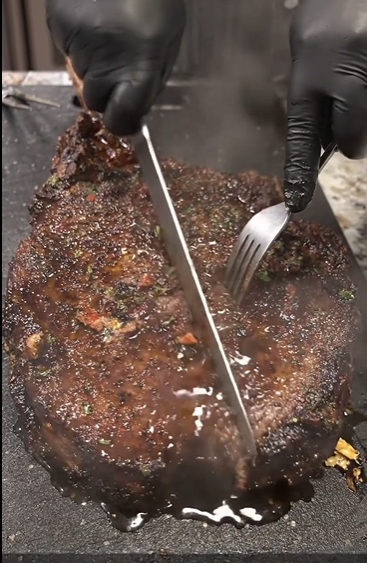
Slow-Smoked Beef Brisket is a classic barbecue favorite known for its rich beef flavor, dark smoky crust, and incredibly tender texture. Cooked slowly at a low temperature, this cut of beef gradually becomes juicy and flavorful, developing a beautifully seasoned exterior that barbecue lovers appreciate.
Although brisket requires patience, the preparation itself is relatively simple. A flavorful rub made with salt, black pepper, paprika, garlic powder, and other seasonings creates a delicious crust, while hours of smoking allow the meat to develop its signature smoky taste.
This recipe is perfect for weekend cookouts, family gatherings, special celebrations, and anyone who enjoys authentic barbecue-style cooking. Once the brisket has rested and is sliced against the grain, each serving offers a satisfying combination of smoky seasoning and tender beef.
Origin
Beef brisket has a long history in traditional barbecue, particularly in Texas, where slow-smoked beef became an important part of regional food culture. Brisket comes from the lower chest of the cow, a hardworking muscle that contains connective tissue and benefits from long, slow cooking.
Texas-style barbecue is especially associated with simple seasoning, wood smoke, and careful temperature control. Many traditional preparations emphasize salt and black pepper, allowing the natural flavor of the beef and the smoke to stand out.
Over time, brisket recipes have evolved to include different spice rubs, wrapping techniques, and cooking methods. This version combines traditional low-and-slow smoking with garlic, paprika, and optional Worcestershire sauce for an extra layer of flavor.
Cultural Significance
Slow-smoked brisket is an iconic dish at barbecue restaurants, backyard cookouts, and community gatherings, particularly in the southern United States. Preparing brisket often becomes a shared event because the long cooking process encourages people to gather, socialize, and enjoy a meal together.
The dish is valued not only for its flavor but also for the skill and patience involved in preparing it. Pitmasters carefully manage heat, smoke, moisture, and resting time to achieve the desired texture.
Today, brisket is served in many ways, including sliced on a platter, tucked into sandwiches, or accompanied by classic barbecue sides. Its rich flavor and generous portions make it a popular centerpiece for special meals.
Ingredients Quantity
This recipe serves approximately 8–10 people.
For the Brisket
- 4–5 lb beef brisket, preferably with a thin fat cap
- 2 tablespoons yellow mustard or olive oil
- 2 tablespoons kosher salt
- 2 tablespoons coarse black pepper
- 1 tablespoon paprika
- 1 tablespoon garlic powder
- 1 teaspoon onion powder
- ½ teaspoon cayenne pepper, optional
- 1 cup beef broth, for spritzing or wrapping
- 2 tablespoons Worcestershire sauce, optional
Equipment
- Smoker capable of maintaining a steady temperature
- Reliable meat thermometer
- Butcher paper or aluminum foil for wrapping
- Sharp carving knife and cutting board
- Heat-safe tray or container for resting the brisket
Preparation time: Approximately 20 minutes
Smoking and cooking time: Approximately 8–12 hours, sometimes longer depending on the brisket
Resting time: At least 1 hour
Total time: Approximately 9 hours 20 minutes to 13 hours 20 minutes
Estimated calories: Approximately 420 per serving, depending on the cut and portion size
Optional Additions
You can adjust the seasoning and serving style to suit your preferences.
- Brown sugar: Add 1 tablespoon to the rub for a slightly sweeter crust.
- Smoked paprika: Replace regular paprika with smoked paprika for a deeper smoky note.
- Ground mustard: Add 1 teaspoon for a subtle tangy flavor.
- Chili powder: Include 1 teaspoon for extra warmth and complexity.
- Apple cider vinegar: Mix a small amount with water for spritzing if you prefer a tangier surface flavor.
- Fresh rosemary or thyme: Use sparingly in a serving sauce for an aromatic finish.
- Barbecue sauce: Serve on the side for guests who prefer a sweeter or tangier flavor.
Traditional Texas-style brisket often uses only salt and pepper, so additional seasonings are optional rather than essential.
Tips for Success
1. Choose a suitable brisket. A whole brisket, often called a packer brisket, contains both the flat and point muscles. If possible, select one with a reasonably even thickness and a flexible texture.
2. Trim the fat carefully. Remove thick, hard pieces of fat while leaving approximately ¼ inch of fat on the surface where appropriate. This helps protect the meat without leaving an excessively thick layer.
3. Season generously and evenly. Apply the rub to every side of the brisket. The mustard or olive oil acts as a binder, helping the seasoning adhere to the surface.
4. Allow time for the seasoning to work. Refrigerating the seasoned brisket for at least 4 hours, or overnight, helps the salt penetrate the surface and develops a more consistent flavor.
5. Maintain a steady smoker temperature. Aim for approximately 225°F (107°C). Large temperature fluctuations can make the cooking process less predictable.
6. Use a thermometer rather than relying only on time. Every brisket cooks differently depending on its thickness, fat content, and the smoker. Temperature readings and tenderness checks are more useful than the clock alone.
7. Understand the stall. During smoking, the internal temperature may stop rising for a period as moisture evaporates from the surface. This is normal. Wrapping the brisket can help the cooking process continue.
8. Wrap when the bark is ready. Wrap the brisket when the crust is dark and well formed, often around 160–170°F (71–77°C). Butcher paper helps preserve the bark, while foil retains more moisture and can soften the crust.
9. Rest before slicing. Resting allows the meat to settle after cooking and makes it easier to slice cleanly. Keep the brisket wrapped during the rest.
10. Slice against the grain. The grain runs in different directions in the flat and point muscles. Identify the direction of the fibers before slicing, and adjust your cutting direction when moving between the two sections.
Instructions
Step 1: Prepare the Brisket
Remove the brisket from its packaging and pat it dry with paper towels.
Trim away thick, hard fat and any loose pieces that could burn during smoking. Leave approximately ¼ inch of fat on top where suitable. If the brisket has a very thick end, trim it carefully to help the meat cook more evenly.
Step 2: Apply the Binder and Seasoning
Rub the brisket with yellow mustard or olive oil, coating the surface with a thin layer.
In a small bowl, combine the kosher salt, coarse black pepper, paprika, garlic powder, onion powder, and optional cayenne pepper.
Sprinkle the seasoning mixture evenly over all sides of the brisket. Gently press the rub onto the surface so it adheres.
For a deeper flavor, place the seasoned brisket in a covered container and refrigerate it for at least 4 hours or overnight.
Step 3: Preheat the Smoker
Preheat your smoker to 225°F (107°C). Use a suitable smoking wood, such as oak, pecan, or hickory, according to your preference and smoker instructions.
Allow the smoker to stabilize before adding the meat. A consistent temperature helps the brisket cook gradually and develop a flavorful crust.
Step 4: Smoke the Brisket
Place the brisket in the smoker, positioning it according to the heat source and your smoker’s instructions. In many smokers, the fat side is placed toward the stronger heat source.
Close the lid and allow the brisket to smoke undisturbed for several hours.
After the first few hours, check the surface occasionally. If it looks dry, lightly spritz it with beef broth. Avoid opening the smoker too frequently because this releases heat and smoke.
Continue cooking until the bark is dark and well developed and the internal temperature is approximately 165°F (74°C). This stage often takes 6–8 hours, but the timing can vary significantly.
Step 5: Wrap the Brisket
Remove the brisket from the smoker and place it on a large sheet of unwaxed butcher paper or heavy-duty aluminum foil.
Add a small splash of beef broth and the optional Worcestershire sauce if desired. Wrap the brisket tightly, making sure there are no large openings.
Return the wrapped brisket to the smoker. Continue cooking until the thickest part of the meat reaches approximately 195–205°F (91–96°C) and a temperature probe slides into the meat with very little resistance.
The final temperature is a guide rather than an absolute rule. Tenderness is the most useful indicator that the brisket is ready.
Step 6: Rest the Brisket
Remove the wrapped brisket from the smoker and keep it wrapped.
Allow it to rest for at least 1 hour before slicing. For a longer rest, keep it in a properly temperature-controlled warm holding environment rather than leaving it at room temperature for an extended period.
Resting helps the brisket remain juicy and makes it easier to carve without shredding.
Step 7: Slice Against the Grain
Transfer the brisket to a cutting board and carefully unwrap it, saving any collected juices.
Identify the direction of the muscle fibers and slice the meat across the grain into approximately ¼-inch slices. The flat and point may have different grain directions, so rotate the brisket as needed.
If the meat is tender, the knife should pass through the slices without excessive pressure.
Step 8: Serve and Enjoy
Arrange the slices on a serving platter and spoon some of the reserved juices over the meat.
Serve warm with barbecue sauce on the side, if desired. Classic accompaniments include coleslaw, baked beans, potato salad, cornbread, pickles, and sliced onions.
Description
Slow-Smoked Beef Brisket is a rich and flavorful barbecue dish featuring a dark, seasoned crust and a tender, juicy interior. The combination of salt, black pepper, paprika, and garlic creates a savory exterior, while hours of gentle smoking give the beef its characteristic aroma.
The long cooking process softens the connective tissue, helping the meat become tender enough to slice easily. Resting the brisket before carving and cutting against the grain further improves the eating experience.
Served with its natural juices and classic barbecue sides, this brisket makes a hearty centerpiece for family gatherings, weekend cookouts, and special occasions.
Nutritional Information
The following values are approximate per serving, assuming 8–10 servings and depending on the amount of fat retained in the meat.
- Calories: approximately 350–500
- Protein: approximately 35–45 g
- Carbohydrates: approximately 1–4 g
- Fat: approximately 20–35 g
- Sugar: approximately 0–2 g
- Sodium: varies considerably depending on the amount of salt, broth, and Worcestershire sauce used
These estimates do not necessarily include barbecue sauce or side dishes. Fat content can vary substantially between briskets and between lean and fatty slices.
For a more accurate nutritional estimate, weigh the cooked meat and use the nutrition information for the specific cut and ingredients.
Conclusion
Slow-Smoked Beef Brisket is a rewarding barbecue recipe that transforms a hardworking cut of beef into a tender, flavorful meal through patience and careful temperature control.
The seasoned crust, smoky aroma, and juicy interior make it an excellent centerpiece for gatherings and celebrations. Although the cooking process takes several hours, the preparation is straightforward, and most of the cooking time requires little hands-on work.
With a suitable brisket, a steady smoker temperature, a proper rest, and careful slicing, you can create a delicious homemade barbecue meal that is well worth the wait.
Recommendation
For the best results, plan your cooking schedule around the brisket rather than relying on an exact finish time. Brisket can take longer than expected, so it is often better to finish early and hold it safely at a suitable warm temperature than to rush the final cooking stage.
Serve the brisket with simple sides that complement its rich flavor without overpowering it. Creamy coleslaw adds freshness, pickles provide acidity, and baked beans or potato salad make the meal more substantial.
If you have leftovers, refrigerate them promptly in shallow airtight containers and consume them within 3–4 days. Store the meat with some of its juices to help retain moisture during reheating. Reheat thoroughly, and freeze portions that will not be eaten within that period.
Embracing Healthful Indulgence
Slow-Smoked Beef Brisket provides a substantial amount of protein and can be enjoyed as part of a varied, balanced eating pattern. Its nutritional profile depends largely on the cut, the amount of fat, the seasoning, and the portion size.
To create a more balanced plate, serve a moderate portion of brisket with vegetables, a fresh salad, or other fiber-rich side dishes. You can also choose leaner slices and serve barbecue sauce separately so everyone can control how much they add.
Enjoying barbecue does not require giving up its traditional flavors. By combining a flavorful portion of brisket with a variety of sides and thoughtful preparation, you can savor this classic dish while keeping the overall meal balanced.