
1. Introduction
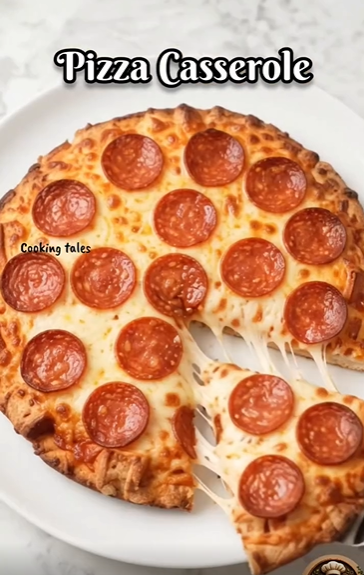
Pizza Casserole is the perfect combination of two beloved comfort foods: classic pizza and hearty baked pasta. Loaded with tender pasta, savory ground beef or Italian sausage, rich tomato sauce, pepperoni, and plenty of melted cheese, this delicious casserole brings all the familiar flavors of pizza into one satisfying dish.
With its bubbling mozzarella topping, flavorful Italian-seasoned sauce, and golden edges, this recipe is ideal for busy weeknights, family dinners, potlucks, and casual gatherings. It is easy to prepare using everyday ingredients, making it a convenient alternative when you’re craving homemade comfort food.
The best part is its versatility. You can customize the casserole with your favorite pizza toppings, change the type of pasta, or add extra vegetables to suit your family’s preferences. Every serving delivers a delicious combination of cheesy goodness, savory meat, and comforting pasta.
2. Origin
Pizza Casserole is a modern American-inspired comfort food that combines the flavors of Italian-style pizza with the convenience of a baked pasta casserole. Unlike traditional Italian dishes with well-documented regional histories, this recipe does not have one universally established inventor or place of origin.
Its inspiration comes from two culinary traditions. Pizza developed in Italy, with Naples becoming particularly famous for its distinctive pizza-making heritage. Pasta casseroles, meanwhile, have appeared in many forms across different cuisines, offering a practical way to combine pasta, sauce, meat, vegetables, and cheese in one oven-baked dish.
As Italian-American cooking became popular throughout the United States, home cooks began experimenting with familiar ingredients to create easy, family-sized meals. Pizza Casserole reflects this approach by combining pasta with pizza sauce, pepperoni, mozzarella, and other favorite toppings.
Today, it remains a popular choice for home cooks looking for a hearty meal that captures the flavor of pizza without requiring individual pizza doughs or complicated preparation.
3. Cultural Significance
Pizza Casserole represents the creativity and convenience of modern home cooking. By combining pizza-inspired flavors with baked pasta, it transforms familiar ingredients into a meal that is easy to share and customize.
Pizza itself has become an internationally recognized food associated with casual dining, celebrations, family gatherings, and friendly get-togethers. Its wide variety of toppings makes it easy for people to express their individual preferences.
Casseroles also have an important place in American home cooking, where oven-baked dishes are valued for their practicality, generous portions, and suitability for feeding families or groups.
This recipe brings those ideas together in a single baking dish. The melted cheese, tomato sauce, savory meat, and pepperoni create familiar flavors, while the pasta makes the dish especially filling.
Although Pizza Casserole is not a traditional Italian regional specialty, it celebrates the adaptability of Italian-inspired cooking and the pleasure of sharing a comforting homemade meal.
4. Ingredients and Quantities
This recipe makes approximately six servings and requires simple ingredients that are readily available at most grocery stores.
Main Ingredients
- 12 oz (340 g) penne or rotini pasta
- 1 lb (450 g) ground beef or Italian sausage
- 1 small onion, finely chopped
- 2 garlic cloves, minced
- 2 cups (approximately 475 ml) pizza sauce or marinara sauce
- 1 teaspoon Italian seasoning
- 1/2 teaspoon paprika
- 1/2 teaspoon salt, or to taste
- 1/4 teaspoon black pepper
- 2 cups shredded mozzarella cheese (approximately 200–225 g)
- 1/2 cup shredded cheddar cheese (approximately 55–60 g)
- 1 cup sliced pepperoni (approximately 100–120 g)
- 2 tablespoons grated Parmesan cheese, optional
- Fresh basil or parsley, chopped, for garnish
Optional Cooking Ingredients
- 1 teaspoon olive oil, if needed for cooking the onion
- A pinch of red pepper flakes for extra heat
- A little extra Italian seasoning for the topping
Kitchen Equipment
- A large pot for cooking pasta
- A colander
- A large skillet
- A mixing spoon
- A cutting board and knife
- A 9-by-13-inch (approximately 23-by-33-cm) baking dish
- Measuring cups and spoons
- Aluminum foil, if needed to prevent excessive browning
5. Optional Additions
One of the greatest advantages of Pizza Casserole is how easily it can be adapted to your favorite pizza flavors.
Bell peppers: Add 1/2 cup of diced red, green, or yellow bell peppers for extra color, sweetness, and texture.
Mushrooms: Add 1 cup of sliced mushrooms. Sauté them with the onion to release excess moisture before combining them with the sauce.
Black olives: Add 1/2 cup of sliced black olives for a salty, savory flavor that complements the tomato sauce and cheese.
Extra cheese: Use a mixture of mozzarella, provolone, cheddar, or Parmesan for a richer, more complex cheese topping.
Vegetables: Add spinach, zucchini, or finely chopped broccoli for additional variety.
Spicy pepperoni: Use spicy pepperoni or add red pepper flakes if you enjoy a little heat.
Different proteins: Substitute ground turkey or chicken for the ground beef. You can also use plant-based mince for a meat-free variation.
Vegetarian version: Omit the meat and pepperoni, then add mushrooms, bell peppers, olives, and extra vegetables. Make sure the pizza sauce and cheese suit your dietary preferences.
Whole-wheat pasta: Replace regular pasta with whole-wheat penne or rotini for a different texture and additional fiber.
Fresh herbs: Add fresh basil after baking for a fragrant finish that complements the tomato sauce and melted cheese.
When adding vegetables, cook those with high moisture content beforehand when appropriate. This helps prevent the casserole from becoming watery.
6. Tips for Success
1. Cook the pasta until just tender. Follow the package instructions, but consider draining the pasta one or two minutes before its recommended cooking time. It will continue cooking in the oven, helping prevent a mushy texture.
2. Brown the meat thoroughly. Cook the ground beef or Italian sausage until browned and fully cooked. If there is excess fat, drain it before adding the sauce.
3. Build flavor with onion and garlic. Allow the onion to soften before adding the garlic. This creates a flavorful base without burning the garlic.
4. Choose a flavorful sauce. A good-quality pizza sauce or marinara provides the tomato flavor that brings the dish together. Taste the sauce before adding extra salt, especially if the pepperoni and cheese are already salty.
5. Use freshly shredded cheese when possible. Cheese shredded from a block often melts more smoothly than some pre-shredded varieties, which may contain anti-caking agents.
6. Divide the cheese between layers. Mixing some mozzarella into the pasta helps distribute the cheesy flavor throughout the casserole, while reserving the rest for the topping creates a golden, bubbling finish.
7. Avoid overcrowding the skillet. If necessary, brown the meat in batches so it cooks evenly rather than steaming.
8. Keep the pepperoni balanced. Mixing some pepperoni into the pasta and arranging the rest on top ensures that its savory flavor appears throughout the casserole.
9. Watch the baking time. Bake until the cheese is melted and bubbling. If the top browns too quickly, loosely cover the dish with foil for the remainder of the baking time.
10. Allow the casserole to rest. Let it stand for approximately five minutes after baking. This makes serving easier and allows the sauce to settle slightly.
11. Prepare ingredients in advance. Chop the onion, mince the garlic, shred the cheese, and slice any additional vegetables before you begin cooking.
12. Taste before serving. Finish with fresh basil, parsley, black pepper, or a little Parmesan to brighten the flavor.
7. Instructions
Step 1: Preheat the Oven
Preheat your oven to 375°F (190°C).
Lightly grease a 9-by-13-inch baking dish with cooking spray or a small amount of oil. Set it aside while you prepare the pasta and sauce.
Step 2: Cook the Pasta
Bring a large pot of salted water to a boil. Add the penne or rotini and cook according to the package directions until just tender.
Drain the pasta thoroughly and set it aside. Avoid rinsing it unless the package or a particular preparation method calls for it.
Step 3: Brown the Meat
Heat a large skillet over medium heat. Add the ground beef or Italian sausage and cook, breaking it into small pieces with a spoon.
Continue cooking until the meat is browned and fully cooked. If necessary, drain off excess fat.
Add the chopped onion and cook for approximately 3–4 minutes, until softened. Stir in the minced garlic and cook for another 30–60 seconds, taking care not to burn it.
Step 4: Prepare the Sauce
Add the pizza sauce or marinara sauce to the skillet.
Stir in the Italian seasoning, paprika, salt, and black pepper. Mix thoroughly and allow the sauce to simmer gently for approximately five minutes.
Taste and adjust the seasoning if needed.
Step 5: Combine the Pasta and Sauce
Add the drained pasta to the skillet and stir until the pasta is evenly coated with the meat sauce.
Mix in half of the shredded mozzarella and half of the sliced pepperoni. Stir gently to distribute the ingredients without breaking up the pasta.
Step 6: Assemble the Casserole
Transfer the pasta mixture into the prepared baking dish and spread it into an even layer.
Sprinkle the remaining mozzarella and the shredded cheddar over the top. Add the grated Parmesan, if using, and arrange the remaining pepperoni across the surface.
For extra flavor, add a light sprinkle of Italian seasoning.
Step 7: Bake Until Bubbly
Place the casserole in the preheated oven and bake uncovered for 20–25 minutes.
The casserole is ready when the cheese has melted, the sauce is bubbling around the edges, and the top has developed a lightly golden appearance.
If you prefer a more browned cheese topping, watch it carefully and use the oven’s broiler briefly if appropriate for your dish.
Step 8: Rest and Garnish
Remove the casserole from the oven and let it rest for approximately five minutes.
Sprinkle with freshly chopped basil or parsley just before serving.
Step 9: Serve Warm
Spoon the casserole onto plates and serve while the cheese is warm and stretchy.
Pair it with a green salad, steamed vegetables, or garlic bread for a complete and satisfying meal.
8. Description
Pizza Casserole is a hearty, cheesy baked pasta dish that captures the familiar flavors of a classic pepperoni pizza in a convenient family-style meal.
Tender penne or rotini is coated in rich tomato sauce seasoned with Italian herbs, paprika, garlic, and onion. Savory ground beef or Italian sausage adds depth, while sliced pepperoni contributes its distinctive smoky, spicy flavor.
A generous topping of mozzarella, cheddar, and optional Parmesan melts into a bubbling layer of cheese, creating a delicious contrast with the tender pasta underneath. Fresh basil or parsley adds color and a touch of freshness.
Every serving combines soft pasta, savory meat, tangy tomato sauce, and gooey cheese. The result is a comforting dish that is easy to prepare, simple to customize, and ideal for feeding a hungry family.
9. Nutritional Information
The following nutritional information is approximate and assumes the casserole makes six servings using ground beef, regular pasta, pizza sauce, pepperoni, mozzarella, and cheddar.
| Nutrient | Approximate amount per serving |
|---|---|
| Calories | 560 kcal |
| Protein | 28 g |
| Carbohydrates | 48 g |
| Total fat | 27 g |
| Saturated fat | 11 g |
| Dietary fiber | 3 g |
| Sugar | 7 g |
| Sodium | 1,000–1,400 mg |
Actual nutritional values vary depending on the type and fat content of the meat, the quantity of cheese and pepperoni, the sauce brand, and the amount of salt used.
Nutritional Highlights
Protein: Ground meat and cheese provide protein, which supports muscle maintenance and normal body functions.
Carbohydrates: Pasta supplies carbohydrates that the body uses for energy.
Calcium: Mozzarella, cheddar, and Parmesan contribute calcium, which is important for bones and teeth.
Vegetables: Onion, garlic, and any additional vegetables provide a range of vitamins, minerals, and beneficial plant compounds.
Dietary flexibility: You can use leaner ground meat, add more vegetables, choose whole-wheat pasta, or adjust the cheese and pepperoni to suit your preferences.
Because cheese, pepperoni, and prepared sauces can be high in sodium, taste the dish before adding extra salt.
10. Conclusion
Pizza Casserole is an easy, satisfying recipe that brings together the best features of pizza and baked pasta. With tender pasta, seasoned meat, rich tomato sauce, pepperoni, and a generous layer of melted cheese, it delivers comforting flavors in every bite.
Its simple preparation makes it a practical choice for busy weeknights, while its customizable ingredients allow you to create different versions according to your family’s tastes.
Whether you stick with the classic meat-and-cheese combination or add mushrooms, peppers, olives, or other favorite toppings, this casserole is a delicious way to bring everyone together around the dinner table.
Prepare it for a family meal, share it at a potluck, or make a batch ahead of time for convenient leftovers. This cheesy pizza-inspired dish is sure to become a welcome addition to your collection of easy dinner recipes.
11. Recommendation
For the best results, use a flavorful tomato sauce, cook the pasta until just tender, and combine different cheeses for a rich, bubbly topping.
Serve the casserole with a crisp green salad dressed with olive oil and lemon juice to provide a refreshing contrast to the warm, cheesy pasta. Garlic bread or roasted vegetables also make excellent accompaniments.
If you’re feeding a group, set out extra toppings such as olives, sliced peppers, fresh basil, and red pepper flakes so everyone can personalize their portion.
For convenient meal preparation, assemble the casserole ahead of time and refrigerate it until you’re ready to bake. If baking directly from the refrigerator, allow additional cooking time and check that the center is thoroughly heated.
Store leftovers in airtight containers in the refrigerator and consume them within 3–4 days. Reheat portions until steaming hot throughout. You can also freeze suitable portions for later meals.
This recipe is especially recommended for families, pasta lovers, and anyone looking for a comforting, pizza-inspired dinner without the extra work of making individual pizzas.
12. Embracing Healthful Indulgence
Comfort food can be enjoyed as part of a varied and balanced eating pattern. Pizza Casserole offers familiar, satisfying flavors while leaving plenty of room to adapt the recipe to your preferences.
Adding mushrooms, bell peppers, spinach, or other vegetables increases the variety of ingredients in the dish. Choosing lean ground meat or replacing some of the meat with beans can also change its nutritional profile, while whole-wheat pasta offers an alternative with more fiber.
You can experiment with different cheeses and adjust the quantity of pepperoni to create the flavor and texture you enjoy most. Serving the casserole with a fresh salad or cooked vegetables adds color and variety to the meal.
There is no need to make a favorite dish unnecessarily complicated. Simple ingredient choices, sensible food storage, and a variety of meals throughout the week can help you enjoy comforting recipes while supporting your overall well-being.
Ultimately, Pizza Casserole is about more than melted cheese and savory tomato sauce. It is a practical, customizable meal that celebrates the pleasure of homemade cooking and sharing delicious food with the people around you.