
Introduction
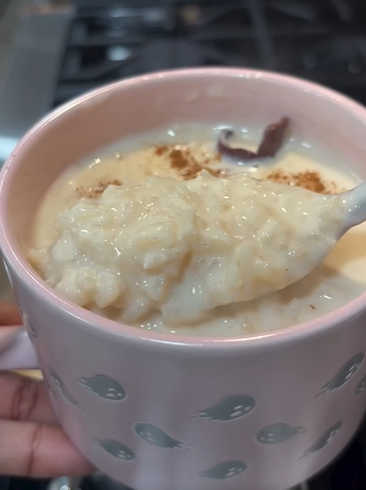
Creamy Rice Pudding with Cinnamon is a timeless dessert made with tender rice, whole milk, sugar, vanilla, and warm cinnamon. Its smooth, creamy consistency and gentle sweetness make it a comforting treat for family dinners, special occasions, or a simple afternoon dessert. Prepared with everyday pantry ingredients, this recipe transforms humble rice into a rich and satisfying dish.
One of the best features of homemade rice pudding is its versatility. You can enjoy it warm straight from the saucepan or refrigerate it for a cool, refreshing dessert. A sprinkle of ground cinnamon adds a fragrant finish, while optional raisins or chopped nuts introduce extra sweetness and texture.
This recipe uses a combination of water and milk to cook the rice gradually until tender. The starch released during cooking helps thicken the mixture naturally, creating a creamy texture without requiring complicated techniques. A little heavy cream can be added for extra richness, although the pudding is delicious without it.
Whether you prefer your rice pudding thick and spoonable or slightly softer and creamier, this recipe is easy to adapt to your taste.
Origin
Rice pudding has a long culinary history, with variations appearing in many regions around the world. Because rice has been cultivated and traded for centuries, milk-based rice dishes developed in different cultures, each using locally available ingredients, spices, and sweeteners.
There is no single universally accepted origin for modern rice pudding. Historical versions have ranged from simple rice cooked in milk to elaborate desserts flavored with sugar, aromatic spices, dried fruit, or other ingredients.
In Europe, rice pudding became a familiar home-cooked dessert, with different countries developing their own approaches. Some versions are baked, while others are slowly simmered on the stovetop. In parts of Asia, rice-based sweet dishes are prepared using local varieties of rice, milk or coconut milk, and regional flavorings.
This stovetop version follows a widely used home-cooking method: rice is simmered gently with milk until it becomes tender and creamy, then sweetened and flavored with vanilla and cinnamon.
Cultural Significance
Rice pudding is often associated with home cooking, family traditions, and comforting meals. Its popularity across different cultures reflects the versatility of rice and the ability to turn a small collection of everyday ingredients into a satisfying dessert.
In many households, rice pudding is served after lunch or dinner, prepared for gatherings, or made as a practical way to create something sweet from ingredients already in the kitchen. Its soft texture also makes it appealing to people who prefer simple desserts without elaborate decorations.
Cinnamon is a popular addition because its warm aroma complements the mild flavor of milk and rice. Depending on the region and family tradition, rice pudding may also include raisins, citrus zest, cardamom, nuts, or other spices.
This version combines the familiar flavors of vanilla and cinnamon in a straightforward recipe that can be personalized while preserving the traditional character of the dessert.
Ingredients and Quantities
This recipe makes approximately 4 to 6 servings, depending on portion size. Preparation takes about 5 minutes, followed by approximately 40 minutes of cooking.
- 1 cup short-grain or medium-grain white rice
- 4 cups whole milk
- 1/2 cup water
- 1/2 cup granulated sugar
- 1 teaspoon vanilla extract
- 1 cinnamon stick or 1/2 teaspoon ground cinnamon
- 1/4 teaspoon salt
- 1/4 cup heavy cream, optional
- Ground cinnamon, for garnish
- Raisins or chopped nuts, optional
Choosing the Best Ingredients
Rice: Short-grain rice generally produces a thicker, creamier pudding because it releases more starch during cooking. Medium-grain white rice is also a good choice. Long-grain rice can work, but the texture may be less creamy.
Whole milk: Whole milk provides a rich flavor and smooth consistency. Lower-fat milk can be substituted, although the pudding may be less luxurious.
Water: A small amount of water helps the rice begin cooking before the milk is added. This allows the grains to soften gradually.
Granulated sugar: Sugar adds sweetness and balances the mild flavor of the milk. You can adjust the quantity to suit your preferences.
Vanilla extract: Vanilla gives the pudding a pleasant aroma and complements the cinnamon.
Cinnamon: A cinnamon stick gently infuses the milk as the pudding simmers. Ground cinnamon offers a more pronounced spice flavor and can be stirred directly into the mixture.
Salt: A small amount enhances the other flavors without making the dessert taste salty.
Heavy cream: This optional ingredient adds richness and creates a more velvety consistency.
Optional Additions
Creamy rice pudding is easy to customize. Choose one or two additions that complement the cinnamon and vanilla without overwhelming the delicate flavor.
- Raisins: Stir in a small handful during the final 10 minutes of cooking so they soften and release some of their sweetness.
- Chopped almonds or walnuts: Sprinkle them over individual servings for a pleasant crunch.
- Orange zest: A small amount of finely grated zest adds a fresh citrus aroma.
- Ground nutmeg: A light pinch provides a warm, slightly earthy flavor that pairs well with cinnamon.
- Cardamom: A small pinch creates a fragrant variation inspired by rice desserts enjoyed in several regions.
- Coconut milk: Replace part of the dairy milk with coconut milk for a subtle coconut flavor.
- Brown sugar: Substitute some or all of the granulated sugar for a deeper, caramel-like sweetness.
- Extra vanilla: Add a little more vanilla if you prefer a stronger aromatic flavor.
For a simple, traditional presentation, finish each serving with ground cinnamon. If you enjoy contrasting textures, add nuts just before serving so they remain crunchy.
Tips for Success
Rinse the Rice Before Cooking
Rinsing the rice helps remove excess surface starch and loose particles. Although some starch contributes to the pudding’s creamy texture, rinsing can help prevent excessive foaming and keep the grains more distinct.
Drain the rice thoroughly before placing it in the saucepan.
Use a Heavy-Bottomed Saucepan
Milk can scorch easily when heated for a long time. A heavy-bottomed saucepan distributes heat more evenly and reduces the chance of rice sticking to the bottom.
Choose a saucepan large enough to accommodate the milk as it simmers.
Keep the Heat Low
Once the milk has been added, maintain a gentle simmer rather than a vigorous boil. Excessive heat can cause the milk to boil over, scorch, or evaporate too quickly before the rice is tender.
Stir frequently, paying particular attention to the bottom and corners of the pan.
Stir Regularly
Rice releases starch as it cooks, naturally thickening the milk. Stirring helps distribute that starch and prevents the grains from sticking together or forming a layer on the bottom of the saucepan.
You do not need to stir constantly, but check the pudding regularly throughout cooking.
Adjust the Consistency Gradually
Rice pudding thickens as it cools because the rice continues to absorb liquid. If it looks too thick near the end of cooking, stir in a little warm milk until you reach your preferred consistency.
If the pudding seems thin, continue simmering gently for a few more minutes while stirring.
Add Sugar After the Rice Softens
Adding sugar after the rice has begun to soften helps keep the cooking process manageable. Sugar can affect how rice softens, so waiting until the grains are nearly tender is a useful technique for this recipe.
Cool and Store Safely
If serving the pudding chilled, transfer it into shallow containers and refrigerate promptly. Do not leave cooked rice pudding at room temperature for extended periods. Refrigerate leftovers within two hours of cooking, keep them at 40°F (4°C) or below, and use them within three to four days.
Instructions
Step 1: Cook the Rice
Rinse the rice under cool running water and drain well.
Place the rice, water, and salt in a medium heavy-bottomed saucepan. Bring the mixture to a gentle simmer over medium heat, then reduce the heat and cook for approximately 8 to 10 minutes, until most of the water has been absorbed.
Stir occasionally to keep the rice from sticking. The grains do not need to be completely tender at this stage because they will continue cooking in the milk.
Step 2: Add the Milk and Cinnamon
Pour the whole milk into the saucepan and add the cinnamon stick, if using.
Stir gently to combine the ingredients. Increase the heat just enough to bring the mixture to a gentle simmer, watching carefully to prevent the milk from boiling over.
Once small bubbles begin appearing around the edges, reduce the heat to low.
Step 3: Simmer Until Creamy
Cook the mixture uncovered over low heat for approximately 25 to 35 minutes, stirring frequently.
As the rice absorbs the milk and releases starch, the mixture will gradually become thicker and creamier. Continue cooking until the grains are tender and the pudding has reached a consistency you like.
If the milk reduces too quickly before the rice softens, add a small amount of warm milk and continue cooking gently.
Step 4: Add the Sugar and Vanilla
Once the rice is tender, stir in the granulated sugar and vanilla extract.
Continue cooking for another 3 to 5 minutes, stirring until the sugar dissolves completely and the flavors are evenly distributed.
If you want a richer dessert, add the optional heavy cream and stir until fully incorporated.
Step 5: Adjust the Consistency
Remove the cinnamon stick if you used one.
Check the texture of the pudding. If it is thicker than you prefer, stir in a little warm milk, adding it gradually until the desired consistency is reached.
Remember that the pudding will continue to thicken as it cools, so it is best to leave it slightly looser than your final preferred texture.
Step 6: Portion and Garnish
Spoon the pudding into individual bowls, cups, or a larger serving dish.
Sprinkle a small amount of ground cinnamon over each portion. Add raisins or chopped nuts if desired.
For a simple presentation, a light dusting of cinnamon is enough to make the dessert look inviting.
Step 7: Serve Warm or Chilled
Serve immediately while the pudding is warm and creamy, or allow it to cool slightly before refrigerating.
For a chilled dessert, transfer the pudding into shallow containers, cover, and refrigerate for at least 2 hours. Stir in a little milk before serving if the pudding has become too thick.
Description
Creamy Rice Pudding with Cinnamon is a smooth, comforting dessert featuring tender rice suspended in sweetened milk. Vanilla provides a gentle aroma, while cinnamon adds warmth and depth. The optional heavy cream makes the pudding richer, and toppings such as raisins or chopped nuts create extra flavor and texture.
The texture is one of the dessert’s most appealing qualities. As the rice cooks, it releases starch that naturally thickens the milk, producing a creamy consistency without the need for flour or cornstarch. When served warm, the pudding is soft and comforting. After chilling, it becomes thicker and more spoonable.
This recipe is also highly adaptable. You can make it sweeter or less sweet, add extra cinnamon, include dried fruit, or use part coconut milk for a different flavor profile.
Because it uses common ingredients and straightforward cooking techniques, this rice pudding is an excellent option for beginner cooks and experienced home bakers alike.
Nutritional Information
The following nutritional estimates are based on the main ingredients, including whole milk and sugar, but excluding optional heavy cream, raisins, nuts, and additional toppings.
For a serving based on approximately 6 portions, the estimated nutrition is:
- Calories: approximately 290
- Protein: approximately 7 grams
- Carbohydrates: approximately 48–52 grams
- Fat: approximately 6–8 grams
- Saturated fat: approximately 3–4 grams
- Sugar: approximately 20–25 grams
These values are estimates and can vary depending on the exact rice and milk used, the final yield, and the portion size. Using heavy cream or adding nuts will increase the calories and fat per serving. Dividing the recipe into four larger portions will also increase the nutritional values per portion.
Rice pudding provides carbohydrates from rice and sugar, while milk contributes protein, calcium, and other nutrients. For a less sweet version, reduce the sugar gradually and rely on vanilla and cinnamon for flavor.
Conclusion
Creamy Rice Pudding with Cinnamon is a classic dessert that demonstrates how simple ingredients can create something delicious and comforting. Tender rice, whole milk, sugar, vanilla, and cinnamon come together to form a smooth pudding that can be enjoyed throughout the year.
The recipe requires little preparation, and most of the work involves gently simmering the ingredients until the rice becomes soft and the milk thickens. Frequent stirring, low heat, and careful attention to consistency are the keys to achieving a creamy result.
Serve it warm for a comforting dessert on a cool evening or chilled for a refreshing treat after dinner. With optional additions such as raisins, nuts, or orange zest, you can easily adapt the recipe to suit your taste.
Recommendation
For the creamiest results, use short-grain rice, whole milk, and a heavy-bottomed saucepan. Keep the mixture at a gentle simmer and stir regularly to prevent scorching. If you prefer a richer finish, add the optional heavy cream near the end of cooking.
For a traditional flavor, use a cinnamon stick while the pudding simmers and finish each serving with a light dusting of ground cinnamon. If you enjoy a little texture, add raisins during the final stages of cooking or sprinkle chopped nuts over the top immediately before serving.
When preparing the pudding ahead of time, remember that it will thicken in the refrigerator. Stir in a little milk before serving to restore its creamy consistency.
This recipe is particularly suitable for family meals, make-ahead desserts, and anyone looking for a simple homemade sweet that does not require an oven.
Embracing Healthful Indulgence
Homemade rice pudding can be enjoyed as part of a varied eating pattern, and preparing it yourself allows you to control the sweetness, richness, and toppings. Small adjustments can make the recipe better suited to your preferences without sacrificing its comforting character.
Consider reducing the sugar slightly, using the heavy cream only when you want extra richness, or adding fruit for additional flavor. Cinnamon and vanilla help create a satisfying aroma, allowing the dessert to taste flavorful without relying entirely on sweetness.
As with any cooked rice dish, proper storage is important. Refrigerate leftovers promptly in covered, shallow containers and reheat individual portions thoroughly if you prefer to enjoy them warm again.
Whether served straight from the saucepan or enjoyed cold from the refrigerator, Creamy Rice Pudding with Cinnamon is a simple, versatile dessert worth keeping in your recipe collection. Its familiar flavors, smooth texture, and easy preparation make it a comforting choice for everyday enjoyment.