
Introduction
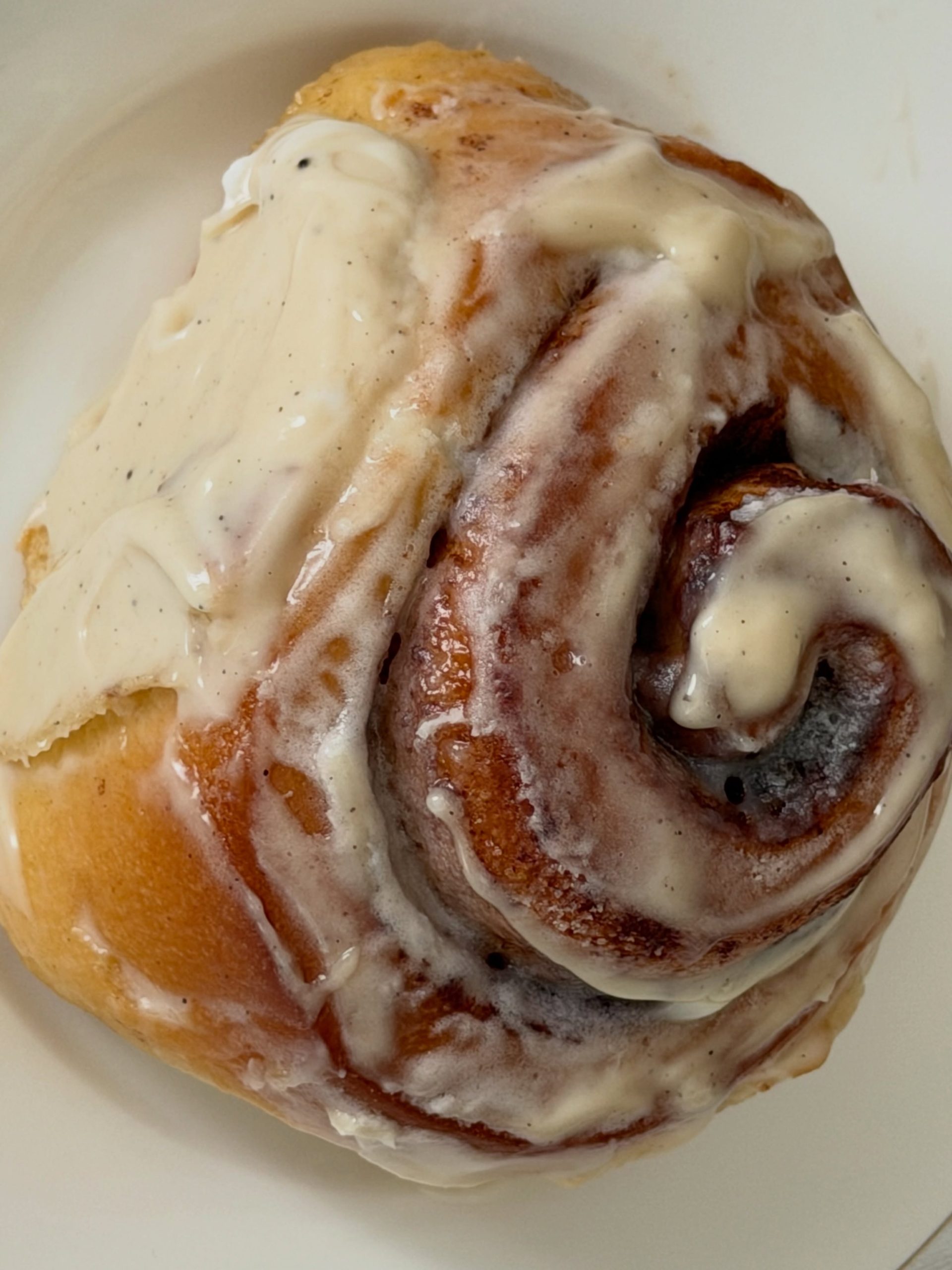
Soft cinnamon rolls with cream cheese icing are a comforting homemade treat that combines tender, fluffy dough with a rich cinnamon-sugar filling and a smooth, tangy frosting. Each roll features delicate layers of buttery dough, warm cinnamon, and brown sugar, finished with a generous layer of sweet cream cheese icing that melts beautifully over the warm surface.
This recipe is perfect for weekend breakfasts, holiday brunches, afternoon coffee breaks, or special family gatherings. Made with simple pantry ingredients, these cinnamon rolls deliver the warmth and flavor of a bakery-style pastry without requiring complicated techniques.
Whether you are preparing them for guests or enjoying a quiet morning at home, these soft cinnamon rolls offer a delicious balance of sweetness, spice, and creamy richness.
Origin
Cinnamon rolls belong to a broader family of sweet yeast breads enjoyed in many parts of the world. Similar pastries have long been prepared across Northern Europe, where enriched doughs, butter, sugar, and aromatic spices became popular ingredients in baked goods.
Sweden is particularly associated with kanelbullar, traditional cinnamon buns often flavored with cardamom. Cinnamon rolls also became widely popular in North America, where they are frequently made larger, sweeter, and topped with icing or frosting.
Cream cheese icing is a particularly popular North American variation. Its mild tanginess balances the sweetness of the cinnamon-sugar filling, creating the familiar flavor combination found in many modern bakery-style cinnamon rolls.
Although recipes vary between households and regions, the essential appeal remains the same: soft dough, fragrant cinnamon, and a sweet topping served fresh from the oven.
Cultural Significance
Cinnamon rolls are closely associated with comfort, hospitality, and shared meals. Their inviting aroma can make an ordinary morning feel special, while their soft texture and sweet filling make them a favorite for celebrations and family gatherings.
In many homes, cinnamon rolls are prepared for holiday breakfasts, brunches, birthdays, and relaxed weekend mornings. Preparing them from scratch can also become a family activity, with everyone helping to roll the dough, sprinkle the cinnamon filling, or spread the icing.
The cream cheese topping adds a modern bakery-style touch, transforming a traditional sweet roll into a rich dessert-like pastry. Served warm with coffee, tea, or a glass of milk, these cinnamon rolls are an easy way to bring a little homemade comfort to the table.
Ingredients and Quantities
This recipe makes approximately 9–12 cinnamon rolls, depending on how thickly the dough is sliced.
For the Dough
- 3 cups all-purpose flour, approximately 360 g
- 1/4 cup granulated sugar, approximately 50 g
- 2 1/4 teaspoons active dry yeast, approximately 7 g
- 1/2 teaspoon salt, approximately 3 g
- 3/4 cup warm milk, approximately 180 ml
- 1/4 cup unsalted butter, melted and slightly cooled, approximately 57 g
- 1 large egg, at room temperature
For the Cinnamon Filling
- 1/2 cup unsalted butter, softened, approximately 113 g
- 1/2 cup packed brown sugar, approximately 100 g
- 1 tablespoon ground cinnamon, approximately 8 g
For the Cream Cheese Icing
- 100 g cream cheese, softened
- 1/2 cup powdered sugar, approximately 60 g
- 2 tablespoons unsalted butter, softened, approximately 28 g
- 1 teaspoon vanilla extract
- 1–2 tablespoons milk, approximately 15–30 ml
Optional Additions
These cinnamon rolls are delicious as written, but a few simple additions can customize their flavor and texture.
Chopped pecans or walnuts: Add approximately 1/4 cup of finely chopped nuts to the filling for extra crunch.
A touch of cardamom: Add 1/4 teaspoon ground cardamom to the cinnamon filling for a warm, aromatic flavor inspired by Scandinavian baking.
Orange zest: Add a small amount of finely grated orange zest to the icing for a bright citrus note that complements the cinnamon.
Raisins: Sprinkle a small handful of raisins over the filling before rolling the dough for a traditional bakery-style variation.
Maple icing: Replace a portion of the milk in the icing with maple syrup, reducing the powdered sugar slightly if necessary to maintain a smooth consistency.
Extra vanilla: A little additional vanilla extract in the dough or icing can deepen the sweet, comforting flavor.
Tips for Success
1. Use Warm, Not Hot, Milk
The milk should feel comfortably warm rather than hot, ideally around 100–110°F (38–43°C) when activating active dry yeast. Milk that is too hot can damage the yeast and prevent the dough from rising properly.
2. Check Your Yeast
After mixing the yeast, warm milk, and sugar, allow the mixture to stand for about five minutes. It may begin to look foamy, although the amount of visible foam can vary. If the yeast does not appear active, check its expiration date and the milk temperature before continuing.
3. Knead Until the Dough Is Smooth
Kneading for approximately five minutes is a useful starting point. The dough should become soft, elastic, and slightly tacky rather than excessively sticky. Add flour sparingly if needed, because too much flour can produce dense rolls.
4. Allow Enough Time for Rising
The first rise usually takes around one hour, but the exact time depends on room temperature and yeast activity. Look for dough that has approximately doubled in size instead of relying exclusively on the clock.
After shaping the rolls, let them rise again for about 30 minutes, or until they look noticeably puffy.
5. Spread the Filling Evenly
Use softened butter rather than completely melted butter. Soft butter spreads easily and helps the brown sugar and cinnamon adhere to the dough without making the filling excessively runny.
Leave a small border along one long edge to make sealing the rolled dough easier.
6. Roll and Slice Carefully
Roll the dough into a snug log without squeezing it too tightly. Cut it into equal-sized pieces using a sharp knife or unflavored dental floss for cleaner edges.
Arrange the rolls with a little room between them so they can expand during the second rise.
7. Avoid Overbaking
Bake at 350°F (180°C) for approximately 20–25 minutes, checking toward the beginning of that range. The rolls should be lightly golden and cooked through. If they brown too quickly, loosely cover them with foil while they finish baking.
8. Ice While Warm, Not Piping Hot
Allow the rolls to cool for several minutes before adding the cream cheese icing. This helps the icing soften and spread without immediately melting into a completely liquid glaze.
9. Measure Flour Correctly
For more consistent results, weigh the flour when possible. If using measuring cups, spoon the flour into each cup and level it rather than packing it down. Too much flour is one of the most common reasons homemade cinnamon rolls turn out dry.
Instructions
Step 1: Activate the Yeast
Pour the warm milk into a large mixing bowl. Add the granulated sugar and active dry yeast, then stir gently.
Leave the mixture for approximately five minutes. If the yeast is active, it may become slightly foamy.
Step 2: Prepare the Dough
Add the melted butter, egg, and salt to the milk mixture. Stir until combined.
Gradually add the flour, mixing until a soft dough forms. The dough should hold together without being excessively dry.
Step 3: Knead the Dough
Transfer the dough to a lightly floured surface and knead for approximately five minutes, until it becomes smooth and elastic.
Place it in a lightly greased bowl, cover with a clean kitchen towel or plastic wrap, and leave it in a warm place for about one hour, or until it has doubled in size.
Step 4: Prepare the Cinnamon Filling
While the dough rises, combine the softened butter, brown sugar, and ground cinnamon in a small bowl.
Mix until the ingredients form a thick, spreadable paste.
Step 5: Roll Out the Dough
Once the dough has risen, gently press it to release excess air.
Transfer it to a lightly floured work surface and roll it into a large rectangle approximately 12 by 16 inches (30 by 40 cm).
Spread the cinnamon filling evenly over the surface, leaving a small border along one long edge.
Step 6: Shape the Rolls
Starting from the opposite long edge, roll the dough into a log. Keep the roll snug but avoid squeezing out the filling.
Cut the log into 9–12 equal pieces, depending on your preferred size.
Step 7: Let the Rolls Rise Again
Grease a baking dish and arrange the cinnamon rolls inside, leaving a little space between them.
Cover and allow them to rise for approximately 30 minutes, until they look soft and puffy.
Meanwhile, preheat the oven to 350°F (180°C).
Step 8: Bake the Cinnamon Rolls
Place the baking dish in the preheated oven and bake for 20–25 minutes, or until the rolls are lightly golden and cooked through.
The centers should no longer look raw or doughy. If necessary, continue baking briefly while checking frequently to prevent overbrowning.
Remove the dish from the oven and let the rolls cool for about five to ten minutes.
Step 9: Make the Cream Cheese Icing
In a medium bowl, beat the softened cream cheese and butter until smooth and creamy.
Add the powdered sugar and vanilla extract, then mix until fully combined.
Add the milk gradually, one tablespoon at a time, until the icing reaches your preferred consistency. Use less milk for a thicker frosting or a little more for a softer glaze.
Step 10: Frost and Serve
Spread the cream cheese icing over the cinnamon rolls while they are still warm.
Allow the icing to settle into the swirls before serving. Enjoy the rolls fresh from the oven for the softest texture and the best cinnamon aroma.
Description
These soft cinnamon rolls with cream cheese icing combine everything people love about homemade sweet pastries: pillowy yeast dough, a buttery cinnamon-sugar center, and a smooth frosting that balances sweetness with a gentle tang.
The dough is tender without being heavy, while the brown sugar creates a rich filling that melts into the layers as the rolls bake. Ground cinnamon adds warmth and fragrance, filling the kitchen with an inviting bakery-style aroma.
The cream cheese icing provides the finishing touch. Its creamy texture contrasts beautifully with the warm rolls, creating a pastry that works equally well for breakfast, brunch, dessert, or an afternoon treat.
For the best experience, serve the cinnamon rolls slightly warm with freshly brewed coffee, tea, or cold milk. Their comforting flavor and soft texture make them an excellent choice for sharing with family and friends.
Nutritional Information
The following estimates are provided for one cinnamon roll, assuming the recipe makes 12 rolls and the icing is divided evenly.
- Calories: approximately 300–360
- Carbohydrates: approximately 40–48 g
- Protein: approximately 5–7 g
- Fat: approximately 13–17 g
- Saturated fat: approximately 7–10 g
- Sugar: approximately 18–24 g
- Fiber: approximately 1–2 g
- Sodium: approximately 150–230 mg
These values are estimates, not laboratory measurements. Actual nutrition will vary according to the size of the rolls, the ingredients and brands used, and the amount of icing added to each serving.
For a more precise estimate, calculate the nutritional values using the exact ingredients and quantities used in your kitchen.
Conclusion
Soft cinnamon rolls with cream cheese icing are a wonderful homemade treat that turns simple baking ingredients into something special. Their fluffy texture, rich cinnamon filling, and creamy topping create a comforting combination that is difficult to resist.
Although yeast dough requires some time to rise, the preparation is straightforward and suitable for home bakers of many experience levels. With careful measuring, gentle kneading, and attention to baking time, you can make soft, flavorful rolls in your own kitchen.
Prepare a batch for a weekend breakfast, a holiday brunch, or an afternoon gathering, and serve them warm for a memorable homemade treat.
Recommendation
For the best results, enjoy these cinnamon rolls on the day they are baked. Pair them with black coffee, a latte, herbal tea, or a glass of milk for a satisfying breakfast or snack.
If you want to prepare ahead, shape the rolls, arrange them in the greased baking dish, cover, and refrigerate them overnight. The next morning, allow them to warm up and become puffy before baking. Rising time will depend on the refrigerator temperature and the dough’s condition, so check their appearance rather than following the clock alone.
Store leftover rolls in an airtight container in the refrigerator because the icing contains cream cheese. For the best texture, warm individual portions briefly before serving. Avoid leaving the cream cheese-topped rolls at room temperature for extended periods.
Embracing Healthful Indulgence
Homemade cinnamon rolls can be enjoyed as part of a varied, balanced eating pattern. Their combination of flour, butter, sugar, and cream cheese makes them a rich treat, so serving size and overall dietary variety are worth considering.
To complement the rolls, serve fresh fruit, such as berries, sliced apples, or oranges. You can also enjoy one alongside a source of protein, such as plain yogurt or eggs, to make breakfast more satisfying.
If desired, experiment with slightly reducing the icing or using a smaller amount of filling while preserving the recipe’s signature cinnamon flavor. Small adjustments can help you tailor the recipe to your preferences without giving up the pleasure of freshly baked pastries.
Ultimately, healthful eating can include foods chosen for enjoyment as well as nourishment. These soft cinnamon rolls are a delicious reminder that homemade baking can bring comfort, creativity, and connection to the table.