
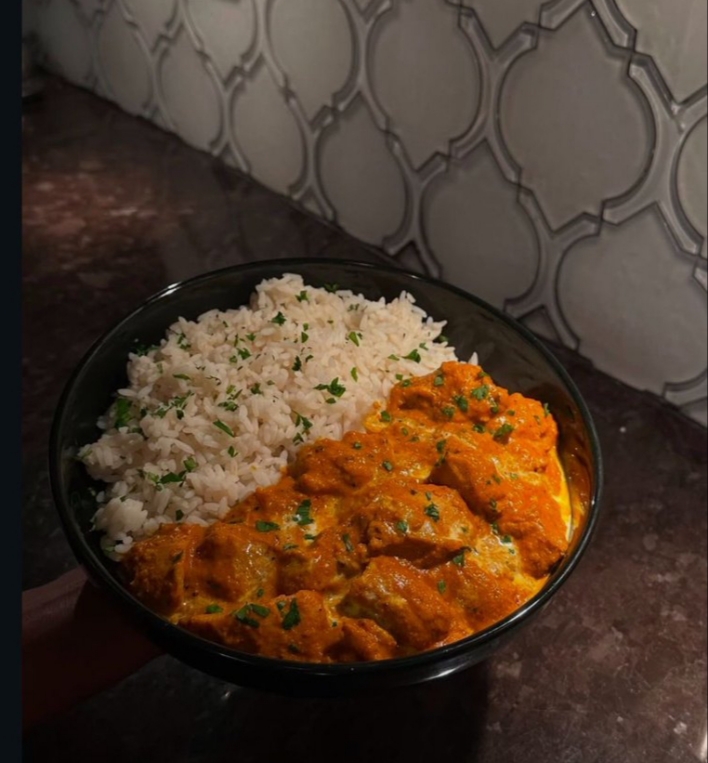
Prep Time: 20 minutes Marinating Time: 30 minutes to overnight Cook Time: 35–40 minutes Total Time: Approximately 1 hour 30 minutes, including minimum marinating Servings: 4 Difficulty: Intermediate Category: Main Course, Indian Cuisine, Comfort Food
1. Introduction
Indian Butter Chicken, traditionally known as Murgh Makhani, is one of the most celebrated dishes in Indian cuisine. Featuring tender, marinated chicken pieces enveloped in a luxurious tomato-based sauce enriched with butter, cream, and aromatic spices, this comforting dish delivers an exceptional balance of flavors.
The beauty of Butter Chicken lies in its harmonious combination of creamy richness, gentle warmth, subtle sweetness, and vibrant tomato flavor. The chicken is first marinated in yogurt, ginger, garlic, and traditional Indian spices, allowing the meat to absorb delicious aromas while developing a tender texture.
The signature makhani sauce is prepared with tomatoes, onions, butter, heavy cream, and a carefully balanced blend of spices. A finishing touch of dried fenugreek leaves, known as Kasuri Methi, introduces the distinctive fragrance associated with restaurant-style Butter Chicken.
Served alongside fluffy, fragrant basmati rice, this dish creates a satisfying meal that is ideal for family dinners, celebrations, weekend cooking, or special gatherings.
Although the finished dish tastes rich and sophisticated, it can be successfully recreated at home using accessible ingredients and straightforward cooking techniques.
2. Origin and Cultural Significance
Butter Chicken originated within the culinary traditions of northern India and is particularly associated with Punjabi cooking and the restaurant culture of Delhi.
Its development is closely connected to the famous Moti Mahal restaurant and chefs who migrated from Peshawar to Delhi around the time of the 1947 Partition of British India.
One widely told account describes Butter Chicken as a practical way of transforming leftover tandoori chicken into a flavorful meal by simmering it in a sauce made from tomatoes, butter, cream, and spices.
However, the precise inventor, location, and date of the dish’s creation remain disputed. The families of Kundan Lal Gujral and Kundan Lal Jaggi have advanced competing claims about its origins. National Geographic +1
The name Murgh Makhani reflects the dish’s defining ingredients: murgh refers to chicken, while makhani describes its buttery character.
Over time, Butter Chicken became internationally recognized as one of the most popular Indian restaurant dishes.
Its appeal comes from the balance between flavorful Indian spices and a relatively mild, creamy sauce, making it approachable for people with different spice preferences.
Today, Butter Chicken is enjoyed around the world, often accompanied by naan, roti, or fragrant basmati rice.
Its popularity also reflects the global influence of Indian cuisine and the adaptability of traditional dishes to different ingredients and cooking styles.
3. Ingredients and Quantities
A. For the Chicken Marinade
| Ingredient | Quantity |
|---|---|
| Boneless chicken thighs or breasts | 1.5 lb (700 g) |
| Plain yogurt or Greek yogurt | ½ cup (120 g) |
| Ginger-garlic paste | 1 tablespoon |
| Garam masala | 1 teaspoon |
| Kashmiri red chili powder | 1 teaspoon |
| Turmeric powder | ½ teaspoon |
| Ground cumin | ½ teaspoon |
| Fresh lemon juice | 1 tablespoon |
| Salt | 1 teaspoon |
Why Use Yogurt?
Yogurt helps tenderize the chicken through its gentle acidity while creating a flavorful coating that holds the spices against the meat.
Why Use Kashmiri Red Chili Powder?
Kashmiri chili powder provides a beautiful reddish-orange color and a generally milder heat than many other chili powders.
Why Use Garam Masala?
Garam masala is an aromatic Indian spice blend that adds warmth and complexity. Its ingredients vary, but commonly include spices such as cumin, coriander, cardamom, cinnamon, and cloves.
B. For the Rich Makhani Sauce
| Ingredient | Quantity |
|---|---|
| Vegetable oil | 2 tablespoons |
| Unsalted butter | 4 tablespoons (56 g), divided |
| Large onion, finely diced | 1 |
| Ginger-garlic paste | 1 tablespoon |
| Garam masala | 1 teaspoon |
| Kashmiri red chili powder | 1 teaspoon |
| Ground coriander | 1 teaspoon |
| Tomato purée or passata | 1 can (400 g / 14 oz) |
| Heavy cream | 1 cup (240 ml) |
| Sugar or honey | 1 tablespoon |
| Kasuri Methi (dried fenugreek leaves) | 1 tablespoon |
| Fresh cilantro | For garnish |
Why Use Butter and Heavy Cream?
Butter adds richness and a smooth mouthfeel, while heavy cream softens the acidity of tomatoes and creates the signature silky consistency.
Why Use Kasuri Methi?
Dried fenugreek leaves provide a distinctive, slightly earthy and aromatic flavor that is strongly associated with restaurant-style Butter Chicken.
Why Add Sugar or Honey?
A small amount balances the natural acidity of tomatoes without making the sauce noticeably sweet. Adjust according to the sweetness of the tomatoes.
C. For the Seasoned Basmati Rice
The following ingredients are an additional suggested accompaniment for four servings.
| Ingredient | Quantity |
|---|---|
| Basmati rice | 1½ cups (approximately 280 g), uncooked |
| Water | 2¼ cups (540 ml) |
| Butter or ghee | 1 tablespoon |
| Salt | ½ teaspoon |
| Cumin seeds (optional) | ½ teaspoon |
| Green cardamom pods (optional) | 2 |
| Fresh cilantro | For garnish |
Basmati rice has a delicate fragrance and light, fluffy texture, making it an excellent accompaniment to creamy Indian curries.
4. Optional Additions
Cashew Paste: Blend ¼ cup of soaked cashews with a little water and add to the sauce for additional richness and a smooth, nutty texture.
Fresh Green Chilies: Include one finely chopped green chili for a spicier variation.
Smoked Paprika: Add a small pinch to introduce a subtle smoky character when cooking without a tandoor.
Extra Fenugreek: Add a little more crushed Kasuri Methi for a stronger traditional restaurant-style aroma.
Fresh Ginger: Garnish with thin strips of fresh ginger for a vibrant, aromatic finish.
Plain Greek Yogurt: Replace part of the heavy cream with yogurt for a tangier, lighter variation, adding it carefully over low heat to reduce the risk of curdling.
Toasted Almonds: Sprinkle a few toasted almond flakes over the finished curry for additional texture.
Fresh Lemon Juice: Add a few drops just before serving to brighten the flavor.
Naan Bread: Serve warm butter naan or garlic naan alongside the rice to enjoy every drop of the rich sauce.
5. Tips for Success
Choose chicken thighs for tenderness. Boneless chicken thighs remain juicy and flavorful during cooking, while chicken breasts are a leaner alternative.
Marinate properly. Allow the chicken to marinate for at least 30 minutes. Several hours in the refrigerator will develop a deeper flavor.
Do not overcrowd the pan. Sear the chicken in batches to promote browning rather than steaming.
Use quality tomato passata. Smooth tomato passata creates a more uniform sauce and helps achieve the characteristic restaurant-style appearance.
Cook the tomatoes thoroughly. Allow the tomato mixture to simmer until its raw acidic aroma softens and the sauce becomes rich and concentrated.
Use moderate heat when adding cream. Heavy cream should be incorporated gently to preserve the smooth texture of the makhani sauce.
Crush Kasuri Methi between your palms. This helps release its distinctive fragrance before adding it to the sauce.
Balance the flavors carefully. The finished sauce should be creamy, gently spiced, slightly tangy, and subtly sweet.
Avoid overcooking the chicken. Cook until the chicken reaches an internal temperature of 165°F (74°C), without prolonged unnecessary simmering.
Let the curry rest briefly. A few minutes of resting allows the flavors to settle before serving.
6. Step-by-Step Instructions
Step 1: Prepare the Chicken
Begin by cutting the boneless chicken thighs or breasts into evenly sized, bite-sized pieces.
Place the chicken into a large mixing bowl.
Pat away excess surface moisture with paper towels if necessary.
Uniform pieces help ensure that the chicken cooks evenly.
Step 2: Prepare the Marinade
Add the plain yogurt, ginger-garlic paste, garam masala, Kashmiri red chili powder, turmeric, cumin, lemon juice, and salt to the chicken.
Mix thoroughly until every piece is evenly coated with the seasoned yogurt mixture.
Cover the bowl and refrigerate for at least 30 minutes.
For a deeper flavor, marinate the chicken for approximately 4–8 hours or overnight in the refrigerator.
Avoid leaving the chicken at room temperature during marination.
Step 3: Prepare the Basmati Rice
Rinse the basmati rice under cold running water until the water becomes mostly clear.
Soak the rice in fresh water for approximately 15–20 minutes if desired, then drain thoroughly.
In a saucepan, melt the butter or ghee over medium heat.
Add the optional cumin seeds and cardamom pods.
Stir gently for approximately 20–30 seconds until fragrant.
Add the drained basmati rice and stir carefully to coat the grains in the aromatic butter.
Pour in the measured water and add the salt.
Bring to a gentle boil, reduce the heat to low, and cover tightly.
Cook for approximately 12–15 minutes, or until the rice is tender and the liquid has been absorbed.
Remove from the heat and let the rice rest, covered, for another 10 minutes.
Fluff gently with a fork before serving. Adjust the water quantity if your rice package specifies a different ratio.
Step 4: Sear the Marinated Chicken
Heat 1 tablespoon of vegetable oil in a large heavy-bottomed frying pan over medium-high heat.
Remove the chicken from the refrigerator.
Using tongs, transfer the marinated chicken pieces into the hot pan, allowing excess marinade to drip off.
Arrange the chicken in a single layer without overcrowding.
Sear for approximately 3–4 minutes on each side, until the exterior develops lightly charred, golden-brown areas.
Work in batches if necessary.
The chicken does not need to be completely cooked at this stage because it will finish cooking in the sauce.
Transfer the seared chicken to a clean plate and set aside.
Discard any marinade that has been in contact with raw chicken.
Step 5: Prepare the Aromatic Sauce Base
Using the same pan, add the remaining tablespoon of vegetable oil and 2 tablespoons of butter.
Reduce the heat to medium.
Add the finely diced onion.
Cook for approximately 5–7 minutes, stirring frequently, until softened and lightly golden.
Add the ginger-garlic paste.
Continue cooking for approximately 1 minute until fragrant.
Stir constantly to prevent the garlic from burning.
Step 6: Add the Indian Spices
Add the garam masala, Kashmiri red chili powder, and ground coriander to the onion mixture.
Stir continuously for approximately 20–30 seconds.
The warm oil and butter help release the aromatic compounds in the spices.
If the mixture becomes too dry, add a tablespoon of water to prevent scorching.
Step 7: Add the Tomato Purée
Pour the tomato passata or tomato purée into the pan.
Stir thoroughly to combine it with the onion and spice mixture.
Bring the sauce to a gentle simmer.
Cook over medium-low heat for approximately 8–10 minutes, stirring occasionally.
The sauce should gradually thicken, deepen in color, and lose its raw tomato taste.
If it becomes excessively thick, add a small splash of water.
Step 8: Blend the Sauce for a Silky Texture
For an exceptionally smooth restaurant-style finish, carefully blend the cooked tomato mixture using an immersion blender.
Alternatively, allow the mixture to cool slightly before transferring it to a heat-safe blender.
Blend until completely smooth.
For an even finer texture, pass the sauce through a fine-mesh strainer.
Return the smooth sauce to the saucepan.
This step is optional, but it produces the luxurious consistency associated with many restaurant-style makhani sauces.
Step 9: Add the Heavy Cream
Reduce the heat to low.
Slowly pour the heavy cream into the tomato sauce while stirring gently.
Continue mixing until the cream is fully incorporated.
The sauce will gradually transform into a smooth, rich, orange-red mixture.
Avoid vigorous boiling after adding the cream.
The finished consistency should be thick enough to coat the back of a spoon while remaining pourable.
Step 10: Balance the Sauce
Add the sugar or honey and stir until dissolved.
Taste the sauce carefully.
Adjust the sweetness according to the natural acidity of the tomatoes.
If the sauce tastes too sharp, a little additional cream or butter can soften the flavor.
If it is too thick, stir in a small amount of warm water.
Step 11: Add the Chicken to the Sauce
Carefully return the seared chicken pieces to the saucepan.
Include any juices collected on the plate.
Stir gently until every piece is coated in the creamy makhani sauce.
Cover partially and simmer over low heat for approximately 6–10 minutes, or until the chicken is completely cooked.
Use a food thermometer to confirm that the thickest pieces reach 165°F (74°C).
Avoid excessive stirring or prolonged cooking.
Step 12: Add the Kasuri Methi
Measure 1 tablespoon of dried fenugreek leaves.
Rub the leaves gently between your palms to crush them.
Sprinkle them directly into the simmering Butter Chicken.
Stir carefully to distribute the distinctive aroma throughout the sauce.
Continue cooking for approximately 1–2 minutes.
The fenugreek adds a characteristic savory, slightly earthy fragrance.
Step 13: Finish with Butter
Add the remaining 2 tablespoons of unsalted butter to the sauce.
Stir gently over very low heat until the butter melts and combines with the creamy tomato mixture.
Taste once more and adjust the seasoning if necessary.
The finished sauce should appear glossy, velvety, and rich, with tender chicken pieces distributed evenly throughout.
Step 14: Garnish the Butter Chicken
Remove the saucepan from the heat.
Transfer the Butter Chicken into a large serving bowl or individual dishes.
Garnish generously with freshly chopped cilantro.
For a decorative restaurant-style presentation, add a small swirl of cream or a tiny piece of butter on top.
Step 15: Assemble and Serve
Spoon the fluffy, seasoned basmati rice onto individual serving plates or into deep bowls.
Arrange a generous portion of Butter Chicken beside or over the rice.
Ladle additional creamy makhani sauce over the chicken.
Sprinkle with fresh cilantro.
Serve immediately while everything is warm and aromatic.
For an authentic restaurant-inspired experience, accompany the dish with freshly baked naan bread and a refreshing cucumber raita.
7. Description
The Ultimate Indian Butter Chicken with Basmati Rice is a luxurious, aromatic dish featuring tender marinated chicken immersed in a rich and silky tomato-cream sauce.
The chicken is first seasoned with yogurt, ginger, garlic, garam masala, turmeric, cumin, and Kashmiri red chili powder before being seared to develop a lightly charred exterior.
The sauce combines ripe tomato flavor with the richness of butter and heavy cream, creating a beautiful orange-red color and smooth consistency.
Dried fenugreek leaves contribute the distinctive fragrance associated with traditional makhani preparations.
Each bite delivers a harmonious combination of tender chicken, mild warmth, aromatic spices, creamy richness, and balanced tomato acidity.
The fragrant basmati rice provides a light, fluffy accompaniment that absorbs the sauce beautifully.
Fresh cilantro adds a bright herbal finish, complementing the deep, comforting flavors.
This dish is ideal for anyone who appreciates aromatic Indian cuisine, rich sauces, and satisfying homemade meals.
8. Nutritional Information
Estimated Nutritional Values per Serving (Based on 4 Servings, Including Basmati Rice):
| Nutrient | Approximate Amount |
|---|---|
| Calories | 850–1,050 kcal |
| Protein | 40–55 g |
| Carbohydrates | 65–85 g |
| Total Fat | 45–65 g |
| Saturated Fat | 20–30 g |
| Fiber | 3–6 g |
| Sugar | 9–16 g |
| Sodium | 800–1,300 mg |
Note: These values are approximate. Actual nutrition depends on the chicken cut, amount of cream and butter used, rice portion, ingredient brands, and how much sauce is served.
Healthier Preparation Alternatives
Use Chicken Breast: Replace chicken thighs with skinless chicken breast for a leaner protein option.
Reduce the Cream: Substitute part of the heavy cream with milk or a suitable lighter alternative, understanding that the sauce will be less rich.
Control the Butter: Reduce the butter quantity slightly while keeping enough to preserve the signature makhani flavor.
Choose Brown Basmati Rice: Brown basmati rice provides more fiber than white rice, although it requires a longer cooking time and additional water.
Serve More Vegetables: Add steamed broccoli, green beans, or a fresh cucumber salad to create a more balanced meal.
Reduce Added Sugar: If the tomatoes are naturally sweet, reduce or omit the sugar or honey.
Manage Portions: Serve moderate quantities of rice and sauce while maintaining a generous portion of chicken and vegetables.
9. Conclusion
The Ultimate Indian Butter Chicken with Basmati Rice is a classic comfort-food dish that combines aromatic spices, tender marinated chicken, and a rich, creamy tomato sauce.
Its distinctive flavor comes from the balance between yogurt-marinated chicken, warm spices, tangy tomatoes, heavy cream, butter, and fragrant dried fenugreek leaves.
Although Butter Chicken is often associated with restaurant dining, it can be successfully prepared at home using straightforward cooking methods and carefully selected ingredients.
The most important steps include marinating the chicken properly, developing flavor through searing, cooking the tomato sauce thoroughly, and incorporating the cream over gentle heat.
Served with fluffy basmati rice, this dish becomes a satisfying meal suitable for family dinners, weekend cooking, and special occasions.
Its combination of comforting flavors and beautiful presentation has helped make Butter Chicken one of the most internationally recognized Indian dishes.
10. Recommendation
For the best flavor and texture, use boneless chicken thighs because they remain especially juicy during cooking.
Allow the chicken to marinate for several hours whenever possible so the yogurt and spices can develop a deeper flavor.
Sear the chicken over medium-high heat to achieve lightly charred edges before finishing it in the sauce.
Choose a smooth, good-quality tomato passata and allow it to simmer until the raw tomato flavor disappears.
For a restaurant-style texture, blend the tomato sauce before adding the heavy cream.
Use genuine Kasuri Methi rather than omitting it, as it contributes an important characteristic aroma.
Add butter at the beginning and end of the sauce preparation to build richness and create a glossy finish.
Serving Recommendation: Serve with fluffy basmati rice, warm butter naan, cucumber raita, and a small side salad.
Storage Recommendation: Refrigerate leftover Butter Chicken promptly in an airtight container and consume within 3–4 days. Store cooked rice separately, cool it promptly, and preferably refrigerate within one hour. For best quality and food safety, use refrigerated rice within 24 hours.
Reheating: Reheat the chicken gently until thoroughly hot, reaching 165°F (74°C). Add a small splash of water if the sauce becomes too thick. Reheat rice only once, until steaming hot throughout.
Freezing: Butter Chicken can be frozen in individual portions for approximately 2–3 months for best quality. Cream-based sauces may separate slightly after thawing, but gentle stirring during reheating can help restore their texture.
11. Embracing Healthful Indulgence
Indian Butter Chicken demonstrates how rich, aromatic comfort food can be enjoyed as part of a balanced eating pattern when prepared thoughtfully.
Chicken provides high-quality protein, which contributes to muscle maintenance, tissue repair, and normal bodily functions.
Yogurt adds protein and calcium while helping tenderize the chicken during marination.
Tomatoes contribute vitamin C, potassium, and naturally occurring carotenoids, including lycopene.
Spices such as turmeric, cumin, coriander, ginger, and garlic introduce a variety of aromatic plant compounds while providing substantial flavor without requiring excessive salt.
Basmati rice supplies carbohydrates that serve as an important source of energy.
However, traditional Butter Chicken also contains significant quantities of saturated fat from butter and heavy cream.
A balanced approach involves enjoying moderate portions, adjusting the amount of cream and butter when appropriate, and pairing the dish with vegetables or a fresh salad.
Choosing chicken breast, using slightly less cream, and serving brown basmati rice are possible adaptations for those seeking a different nutritional balance.
The dish can also be enjoyed in its original rich form occasionally, with portion sizes adjusted according to individual nutritional needs.
Preparing Butter Chicken at home allows greater control over ingredients, seasoning, cooking methods, and serving quantities.
The aromatic spices and creamy tomato sauce make the meal satisfying, while fresh herbs and vegetables can provide additional freshness and variety.
Ultimately, healthful indulgence means appreciating flavorful meals while maintaining moderation, dietary variety, and thoughtful ingredient choices.
Final Thought: 🍗🍛✨ With its tender yogurt-marinated chicken, luxurious tomato-butter sauce, fragrant Indian spices, and fluffy seasoned basmati rice, the Ultimate Indian Butter Chicken offers an exceptional combination of warmth, richness, and comforting flavor. Beautifully aromatic and satisfying, this restaurant-inspired classic is perfect for sharing with family and friends.