
1. Introduction
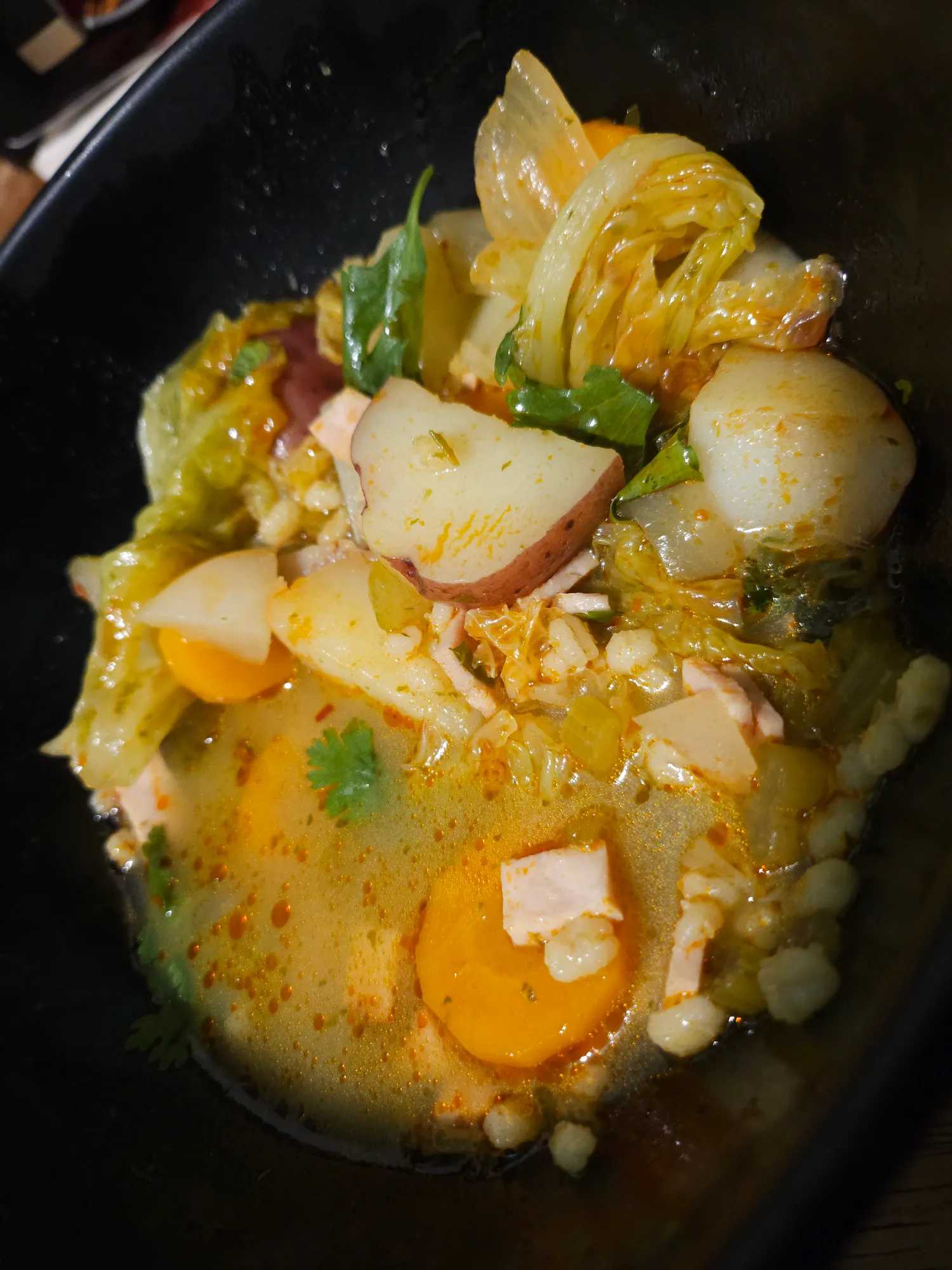
Spicy Chicken, Potato & Cabbage Soup is a comforting homemade meal filled with tender chicken, soft potatoes, sweet carrots, and flavorful cabbage simmered in a golden, lightly spicy broth. Made in one pot with everyday ingredients, this satisfying soup combines the richness of chicken broth with aromatic garlic, onion, warming spices, and a refreshing splash of lemon juice.
The combination of paprika, turmeric, and cumin creates a fragrant base with earthy, savory notes, while optional chili flakes add a gentle kick of heat. As the vegetables simmer, they release their natural flavors into the broth, making every spoonful rich and delicious without requiring complicated cooking techniques.
Potatoes give the soup body and make it filling, while carrots provide natural sweetness and cabbage becomes tender as it absorbs the seasoned broth. Bite-sized chicken pieces add protein, turning this vegetable-packed soup into a complete, satisfying meal.
Whether you need a cozy lunch, a simple weeknight dinner, or a meal to prepare ahead for busy days, this chicken and vegetable soup is an excellent choice. It is easy to customize, economical to prepare, and suitable for serving with crusty bread, warm flatbread, or a simple side salad.
Best of all, everything cooks together in one pot, making preparation straightforward and cleanup easier. With fresh herbs and lemon juice added at the end, the finished soup tastes warming, balanced, and wonderfully fresh.
2. Origin
Chicken soup is enjoyed in many culinary traditions around the world, with countless regional variations shaped by local ingredients, cooking methods, and family preferences. From clear chicken broths to thick vegetable soups, cooks have long combined poultry, vegetables, herbs, and seasonings to create nourishing meals.
Potatoes, carrots, and cabbage are particularly useful soup ingredients because they are versatile, widely available in many regions, and able to hold up well during simmering. Potatoes add substance, carrots contribute sweetness, and cabbage develops a tender texture as it cooks in the broth.
This spicy chicken, potato, and cabbage soup is best understood as a contemporary homemade variation rather than a dish with one specific historical origin. It brings together familiar soup-making techniques with paprika, turmeric, cumin, garlic, and optional chili flakes for a warmly seasoned broth.
The finishing ingredients also give the recipe its distinctive character. Lemon juice brightens the savory flavors, while parsley or cilantro adds freshness. The result is a flexible one-pot meal that can be adapted to different kitchens, spice preferences, and available vegetables.
Because the recipe uses accessible ingredients and a straightforward cooking method, it fits comfortably into the broader tradition of practical home cooking: creating a satisfying meal from a combination of protein, vegetables, broth, and seasonings.
3. Cultural Significance
Soup has an important place in everyday cooking across many cultures. It can be an economical way to prepare a filling meal, use seasonal vegetables, and bring several ingredients together in a single pot. Chicken and vegetable soups are especially popular because their flavors are familiar, comforting, and easy to adapt.
In family kitchens, a pot of simmering soup often represents practical home cooking. It can feed several people, accommodate different preferences, and provide leftovers for another meal. The ingredients in this recipe are also easy to modify depending on what is available.
Cabbage and potatoes make the dish particularly versatile. They can turn a modest amount of chicken into a substantial meal, while carrots and onions add natural sweetness. Garlic and spices deepen the flavor, reducing the need for complicated preparation.
The spice combination gives this recipe a warm, aromatic profile. Paprika contributes color and a mild pepper flavor, turmeric adds an earthy note and golden hue, and cumin brings a distinctive savory aroma. Chili flakes can be included for people who prefer a little heat.
Fresh herbs and lemon juice provide a finishing contrast to the warm broth. This balance between comforting ingredients and fresh flavors makes the soup suitable for ordinary family dinners as well as relaxed gatherings.
Although the recipe is not tied to one particular regional tradition, it reflects the universal appeal of a homemade soup that is hearty, adaptable, and easy to share.
4. Ingredients and Quantities
For the Soup
- 2 chicken breasts, cut into bite-sized pieces
- 3 medium potatoes, peeled and chopped
- 2 carrots, sliced
- 1/2 small green cabbage or Napa cabbage, roughly chopped
- 1 small onion, finely diced
- 3 garlic cloves, minced
- 1 celery stalk, chopped, optional
- 1 tablespoon olive oil
- 1 tablespoon butter
- 4 cups (approximately 1 liter) chicken broth
- 1/2 cup cauliflower florets, optional
- 1 tablespoon tomato paste
- 1/2 teaspoon paprika
- 1/2 teaspoon turmeric
- 1/2 teaspoon ground cumin
- 1/4 teaspoon chili flakes, optional
- Salt and black pepper, to taste
For the Finishing Touch
- 2 tablespoons freshly chopped parsley or cilantro
- 1 tablespoon lemon juice
- 1/2 teaspoon dried herbs
- Extra paprika or chili oil, optional
Understanding the Main Ingredients
Chicken breast: Chicken breast provides lean protein and cooks relatively quickly when cut into evenly sized pieces. Cutting the chicken into bite-sized portions helps it cook consistently and makes the soup easier to eat.
Potatoes: Potatoes add substance and a soft, satisfying texture. Medium-sized chunks are ideal because they hold their shape during simmering while becoming tender enough to absorb the broth’s flavors.
Carrots: Carrots contribute natural sweetness and a pleasant texture that balances the savory chicken and earthy spices. Slicing them evenly helps them cook at a similar rate.
Cabbage: Green cabbage creates a heartier texture and develops a mild sweetness as it cooks. Napa cabbage is a softer alternative that generally becomes tender more quickly.
Onion and garlic: Onion builds the aromatic foundation of the soup, while garlic contributes depth and fragrance. Sautéing them before adding the broth helps develop their flavor.
Chicken broth: Broth provides the main liquid and carries the flavors of the chicken, vegetables, and spices. A good-quality broth can make a noticeable difference in the finished soup.
Tomato paste: A small amount of tomato paste adds savory depth, color, and a subtle richness to the golden broth.
Paprika, turmeric, and cumin: These spices create the soup’s warm, aromatic character. They should be stirred into the tomato paste and oil briefly to help release their aromas without burning.
Olive oil and butter: Olive oil helps sauté the aromatics, while butter adds richness. Together, they create a flavorful base for the soup.
Lemon juice and fresh herbs: Added near the end of cooking, these ingredients brighten the broth and balance its savory, earthy flavors.
5. Optional Additions
One of the best features of this soup is its flexibility. You can change the vegetables, adjust the heat, or add ingredients to suit your preferences without changing the basic cooking method.
Extra Vegetables
Add zucchini, green beans, peas, or chopped bell pepper for more variety. Firmer vegetables should be added early enough to become tender, while quick-cooking vegetables can be stirred in near the end.
Cauliflower
The original recipe includes optional cauliflower florets. They contribute a mild flavor and soft texture that complements the potatoes and cabbage. Keep the florets relatively small so they cook evenly.
White Beans
For a more substantial soup, add drained and rinsed canned white beans during the final 10 minutes of simmering. They provide additional protein and fiber while absorbing the seasoned broth.
Sweet Potato
Replace one of the regular potatoes with a small sweet potato for a sweeter flavor and a different texture. Because sweet potatoes can soften more quickly, check them regularly toward the end of cooking.
Extra Chili
If you enjoy a spicier broth, increase the chili flakes gradually or add a small amount of hot paprika. Taste as you go, since the intensity of chili products varies.
Fresh Ginger
A small amount of finely grated ginger can add warmth and fragrance. Add it with the garlic so its flavor develops in the aromatic base.
Additional Herbs
Thyme, oregano, or a mild mixed-herb seasoning can complement the chicken and vegetables. Use dried herbs during simmering and reserve fresh parsley or cilantro for the finishing stage.
A Creamier Broth
For a creamier variation, stir in a small splash of milk or cream after the chicken and vegetables are cooked. Keep the heat gentle and avoid vigorous boiling after adding dairy.
Extra Lemon
If you prefer a brighter, fresher flavor, serve the soup with lemon wedges so everyone can adjust the acidity in their own bowl.
6. Tips for Success
Cut the Ingredients Evenly
Try to cut the potatoes and chicken into similarly sized pieces. Uniform pieces cook more consistently, reducing the chance of having tender chicken alongside undercooked potatoes.
Slice the carrots to a similar thickness, and cut the cabbage into manageable pieces that fit comfortably on a spoon.
Season the Chicken Before Cooking
Coating the chicken with paprika, cumin, turmeric, salt, and black pepper helps distribute the flavors throughout the meat. Some of these seasonings will also flavor the oil and broth as the soup cooks.
Because the recipe includes the spices again in the cooking process, measure carefully and avoid adding excessive amounts at the beginning.
Sauté the Onion and Garlic Properly
Cook the onion for 3–4 minutes until softened before adding the garlic. Garlic cooks quickly, so approximately 30 seconds is usually enough to release its aroma.
If garlic begins to brown too quickly, lower the heat. Burnt garlic can give the broth a bitter taste.
Cook the Tomato Paste Briefly
After adding the tomato paste and spices, stir for 1–2 minutes. This short cooking step helps deepen the flavor and blends the seasonings with the oil and aromatics.
Keep stirring so the paste does not stick to the bottom of the pot.
Add the Cabbage at the Appropriate Time
Cabbage needs less cooking time than potatoes in many cases. For a more defined texture, add it after the potatoes and carrots have begun simmering. If you prefer very soft cabbage, add it earlier.
Napa cabbage generally softens faster than regular green cabbage, so check it before extending the cooking time.
Use Enough Liquid
The vegetables should be mostly covered by the chicken broth. If the soup becomes too thick or the liquid level drops more than expected, add a little extra broth or water.
Remember that the potatoes can release starch as they cook, naturally thickening the soup.
Simmer Gently
After bringing the soup to a boil, reduce the heat to maintain a gentle simmer. Vigorous boiling can break apart the potatoes and make the broth cloudy, while gentle simmering helps the vegetables retain their shape.
Check the Chicken for Doneness
Chicken should reach an internal temperature of 165°F (74°C) at its thickest point. A food thermometer is the most reliable way to check. Do not rely only on the outside color of the chicken pieces.
Adjust the Seasoning at the End
Broths vary in saltiness, and the vegetables can absorb a significant amount of seasoning. Taste the soup near the end of cooking before adding more salt.
Lemon juice is also best added toward the end because it brightens the flavors without needing to simmer for a long time.
Finish with Fresh Herbs
Parsley and cilantro bring freshness to the finished soup. Add them near the end of cooking to preserve their flavor and aroma.
For an attractive presentation, reserve a small amount of chopped herbs to sprinkle over each bowl just before serving.
7. Instructions
Step 1: Prepare the Vegetables
Wash the vegetables thoroughly under running water.
Peel and chop the potatoes into medium-sized chunks. Slice the carrots, dice the onion, mince the garlic, and chop the celery if using. Roughly chop the cabbage into pieces that are easy to eat with a spoon.
If adding cauliflower, separate it into small florets.
Prepare all the ingredients before heating the pot. Having everything ready makes the cooking process smoother and helps prevent the garlic or spices from overcooking while you prepare the vegetables.
Step 2: Season the Chicken
Cut the chicken breasts into bite-sized pieces.
Place the chicken in a bowl and season with the paprika, turmeric, cumin, salt, and black pepper. Mix well to coat the pieces evenly.
Handle raw chicken carefully. Use a separate cutting board or wash and sanitize the board and utensils before using them for ready-to-eat ingredients. Do not rinse raw chicken, as splashing water can spread bacteria around the kitchen.
Step 3: Sauté the Aromatics
Place a large, heavy-bottomed pot over medium heat.
Add the olive oil and butter. Once the butter has melted, add the diced onion and cook for approximately 3–4 minutes, stirring occasionally, until it becomes soft and translucent.
Add the minced garlic and cook for another 30 seconds, stirring continuously until fragrant.
Avoid allowing the garlic to burn, as this can affect the flavor of the entire soup.
Step 4: Cook the Chicken
Add the seasoned chicken pieces to the pot.
Cook for approximately 4–5 minutes, stirring occasionally, until the outside of the chicken begins to turn lightly golden.
The chicken does not need to be fully cooked at this stage because it will continue cooking in the broth. Keep the heat moderate and avoid overcrowding the pot if the pieces are packed tightly together.
Step 5: Add the Tomato Paste and Spices
Stir in the tomato paste, paprika, turmeric, cumin, and optional chili flakes.
Cook for 1–2 minutes, stirring frequently to coat the chicken and aromatics evenly. The tomato paste should become fragrant and blend with the oil, creating a rich base for the broth.
If the bottom of the pot begins to look dry, reduce the heat slightly and continue stirring.
Step 6: Add the Potatoes, Carrots, and Other Vegetables
Add the chopped potatoes and sliced carrots to the pot.
Stir to coat them with the seasoned mixture. Add the celery and cauliflower if using.
Allow the vegetables to cook with the chicken and aromatics for a minute or two, stirring gently so the flavors begin to combine.
Step 7: Pour in the Chicken Broth
Pour in approximately 4 cups (1 liter) of chicken broth.
Stir well, scraping the bottom of the pot gently to release any flavorful bits. Bring the mixture to a gentle boil.
Check that the potatoes and carrots are mostly covered. Add a little extra broth or water if needed, particularly if your pot is wide or the vegetables are large.
Step 8: Add the Cabbage
Stir the chopped cabbage into the pot.
It may initially sit above the broth, but it will soften and reduce in volume as it cooks. Stir gently to distribute it among the chicken and vegetables.
If you prefer the cabbage to retain more texture, add it after the potatoes have simmered for about 5–10 minutes instead of adding it immediately.
Step 9: Simmer Until Tender
Reduce the heat to low or medium-low, depending on your stove, and partially cover the pot with a lid.
Simmer for approximately 20–25 minutes, stirring occasionally. The potatoes should become fork-tender, the carrots should soften, and the cabbage should reach your preferred texture.
Check the chicken with a food thermometer to confirm that it has reached 165°F (74°C). If the vegetables need more time, continue simmering gently until they are tender, checking the chicken again as needed.
If the soup becomes thicker than you prefer, add a little more broth or water.
Step 10: Adjust the Flavor
Taste the broth carefully.
Add more salt and black pepper if needed. If you prefer a stronger spice flavor, add a small pinch of paprika, cumin, or chili flakes, allowing the soup to simmer briefly after each adjustment.
If the broth tastes too concentrated, add a little water or unsalted broth. If it seems too thin, mash a few cooked potato pieces against the side of the pot and stir them back into the soup.
This creates a naturally thicker texture without requiring flour or cornstarch.
Step 11: Add the Fresh Herbs and Lemon
Stir in the chopped parsley or cilantro, dried herbs, and lemon juice.
Allow the soup to simmer gently for another 2 minutes so the flavors combine.
Taste once more and adjust the lemon juice or seasoning according to your preference. The broth should taste savory and warming, with a fresh finish that balances the earthy spices.
Step 12: Serve Warm
Remove the pot from the heat.
Ladle the soup into bowls, distributing the chicken, potatoes, carrots, and cabbage evenly. Finish each serving with additional chopped herbs, a light sprinkle of paprika, or a small drizzle of chili oil if desired.
Serve immediately while the soup is hot. Warm bread, flatbread, or a simple side salad makes an excellent accompaniment.
8. Description
Spicy Chicken, Potato & Cabbage Soup is a hearty one-pot dish with a golden broth, tender chicken, soft vegetables, and a gentle warmth from its blend of spices.
The chicken provides savory flavor and satisfying texture, while the potatoes make the broth feel more substantial. Carrots soften as they cook, releasing a natural sweetness that balances the earthiness of cumin and turmeric. Cabbage absorbs the seasoned liquid, becoming tender while adding a delicate vegetable flavor.
The broth is the heart of the recipe. Onion and garlic provide the aromatic foundation, tomato paste adds depth, and chicken broth carries the flavors throughout the pot. Paprika contributes color, turmeric gives the soup its golden appearance, and cumin adds a warm, earthy aroma.
Optional chili flakes bring a mild heat that can be increased or reduced to suit different preferences. Fresh parsley or cilantro and lemon juice finish the soup with brightness, preventing the rich broth from tasting heavy.
The texture can be adjusted to suit your taste. Leave the potatoes intact for a lighter broth with distinct pieces of vegetables, or mash a few potatoes into the liquid for a thicker, more substantial consistency.
Every bowl offers a mixture of tender chicken, soft potatoes, sweet carrots, and cabbage in a flavorful broth. It is a practical, comforting meal that works well for lunch, dinner, or make-ahead meal preparation.
9. Nutritional Information
The following nutritional values are approximate and will vary depending on the size of the chicken breasts, the type of broth, the amount of oil and butter used, and the final serving size.
For one serving, assuming the recipe makes 5 servings, the soup may provide approximately:
- Calories: 280–350
- Protein: 25–32 g
- Carbohydrates: 25–35 g
- Fat: 7–12 g
- Fiber: 4–6 g
- Sugar: 4–7 g
- Sodium: 500–900 mg
These figures are estimates rather than exact nutritional measurements. Broths with added salt can increase the sodium content substantially, and the optional chili oil or extra fats will change the final values.
Protein
Chicken breast contributes most of the soup’s protein. Protein is an important nutrient that supports normal growth and the maintenance and repair of body tissues.
Carbohydrates
Potatoes and carrots provide most of the carbohydrates. Potatoes also contribute fiber and several important micronutrients, particularly when eaten as part of a varied diet.
Vegetables and Fiber
Cabbage, carrots, potatoes, and optional cauliflower provide dietary fiber and a range of vitamins and minerals. Using several vegetables also adds variety in texture, color, and flavor.
Ways to Adjust the Recipe
To reduce sodium, choose a low-sodium chicken broth and add salt gradually after the soup has simmered. This gives you better control over the final flavor.
If you prefer a lighter broth, reduce the olive oil or butter slightly. You can also add extra cabbage, carrots, or cauliflower without substantially changing the cooking method, although additional vegetables may require more broth.
For a more substantial meal, serve the soup with whole-grain bread or add white beans. Keep in mind that these additions will change the nutritional profile.
This soup can be a satisfying component of a varied meal, with protein, vegetables, and carbohydrates in one bowl.
10. Storage and Food Safety
Refrigerating Leftovers
Allow the soup to cool slightly after cooking, then transfer it into shallow, airtight containers to help it cool more quickly.
Refrigerate leftovers within two hours of cooking, or within one hour if the surrounding temperature is above 90°F (32°C). Do not leave a large pot of soup on the counter for an extended period while waiting for it to cool completely.
For best safety and quality, consume refrigerated leftovers within 3–4 days. Although the recipe can be prepared ahead, use clean containers and utensils when portioning the soup.
Reheating the Soup
Reheat only the amount you plan to eat whenever possible.
Warm the soup on the stovetop, stirring occasionally until it reaches a full simmer. When reheating leftovers, ensure the soup reaches 165°F (74°C). If using a microwave, stir the soup during heating to distribute the temperature evenly and check that the center is thoroughly hot.
Add a little broth or water if the soup has thickened in the refrigerator.
Freezing the Soup
This soup can be frozen in airtight, freezer-safe containers. Leave some space at the top because liquids expand during freezing, and label each container with the date.
For best quality, use frozen soup within approximately 2–3 months. Potatoes and cabbage may soften or change texture after freezing and thawing, but the soup can still be enjoyable.
Thaw frozen soup in the refrigerator when possible, then reheat it thoroughly. Avoid thawing it for an extended period at room temperature.
Chicken Safety
Raw chicken should be kept separate from ready-to-eat ingredients. Wash hands, cutting boards, knives, and work surfaces after handling raw poultry.
The chicken must reach an internal temperature of 165°F (74°C). A food thermometer provides the most reliable check, especially when chicken pieces vary in size.
Recognizing Spoilage
Discard leftovers if they have been stored beyond recommended limits or show signs of spoilage. Do not taste food to determine whether it is safe. When storage conditions are uncertain, it is safer to discard the soup.
11. Conclusion
Spicy Chicken, Potato & Cabbage Soup is an easy, comforting recipe that combines familiar vegetables, tender chicken, and a beautifully seasoned golden broth. With paprika, turmeric, cumin, garlic, and optional chili flakes, the soup delivers plenty of flavor without requiring complicated techniques or hard-to-find ingredients.
The potatoes make it filling, carrots contribute natural sweetness, and cabbage absorbs the broth while becoming tender. Fresh herbs and lemon juice complete the dish with a bright finish that balances the warm spices.
Because everything cooks in one pot, this recipe is practical for busy weeknights, relaxed weekend lunches, and family dinners. It is also easy to customize with extra vegetables, beans, different herbs, or a stronger level of spice.
Serve it with warm bread for a simple meal, prepare it ahead for convenient lunches, or make a larger batch to freeze for another day. With its adaptable ingredients and satisfying flavor, this chicken and vegetable soup is a useful addition to any home cook’s collection.
12. Recommendation
For the best results, prepare the soup with a good-quality chicken broth, evenly cut vegetables, and freshly chopped herbs. Allow the onion and garlic to soften before adding the tomato paste and spices, as this builds a flavorful base for the entire dish.
If you prefer a broth with more texture, leave the potatoes whole after cooking. For a thicker consistency, mash a few pieces directly into the liquid. Both approaches work well without needing additional thickeners.
For a milder version, omit the chili flakes and serve the soup with chili oil on the side. This allows everyone to control the heat in their own bowl. If you enjoy a more pronounced spicy flavor, increase the chili gradually and taste before adding more.
The soup is particularly delicious with crusty bread, warm flatbread, or a simple salad. For a more substantial meal, serve it with a small sandwich or add white beans during the final minutes of cooking.
If making the soup for meal preparation, divide it into individual containers after cooking and refrigerate promptly. Keep the portions ready for convenient lunches or dinners throughout the next few days, following the recommended storage guidelines.
13. Embracing Healthful Indulgence
A comforting meal can also be a practical way to include a variety of ingredients in everyday cooking. This chicken, potato, and cabbage soup combines protein, vegetables, and a flavorful broth in one simple preparation.
The recipe does not need to be complicated to be satisfying. Using accessible vegetables, a measured amount of oil and butter, and a well-seasoned broth creates plenty of flavor without requiring elaborate sauces or multiple cooking pans.
You can adapt the ingredients to suit your preferences and what you have available. Add extra cabbage or cauliflower, use low-sodium broth, adjust the chili level, or finish each bowl with fresh herbs and lemon juice. Small changes can make the recipe feel different while preserving its comforting character.
Pay attention to your own preferences when choosing portion sizes and accompaniments. A bowl of soup can be paired with bread, a salad, or other foods to create a meal that suits your appetite and routine.
Most importantly, enjoy the process of preparing and sharing homemade food. The combination of tender chicken, soft potatoes, sweet carrots, cabbage, and aromatic spices makes this soup a warm and satisfying choice for an ordinary lunch or dinner.