
Prep Time: 15 minutes Cook Time: 15–20 minutes Total Time: Approximately 35 minutes Servings: 3–4 Yield: 6–8 fish patties Difficulty: Easy Category: Seafood, Main Course, Comfort Food, Family Dinner
1. Introduction
Golden Pan-Fried Salmon & Tuna Fish Cakes are a delicious and comforting homemade dish made with tender canned fish, finely chopped vegetables, eggs, and seasoned breadcrumbs.
These savory patties are particularly popular because they transform simple pantry ingredients into a satisfying meal with minimal preparation.
The recipe begins with canned salmon or tuna, which is drained and combined with beaten eggs, breadcrumbs, finely chopped onions, celery or bell peppers, mayonnaise, lemon juice, and aromatic seasonings.
The mixture is shaped into individual patties and pan-fried in vegetable oil until the exterior becomes beautifully golden and crispy while the interior remains tender and flavorful.
The addition of mayonnaise or Dijon mustard provides moisture and enhances the savory flavor, while lemon juice introduces a refreshing acidity that complements the natural taste of the fish.
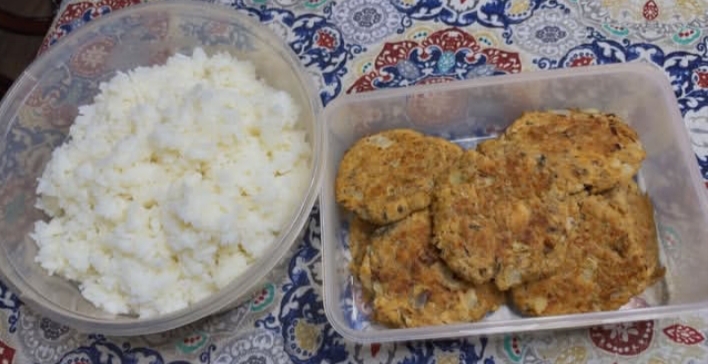
Served alongside fluffy white rice, these fish cakes create a balanced and satisfying meal.
They can also be accompanied by fresh salads, steamed vegetables, homemade tartar sauce, or a creamy garlic dip.
Perfect for quick lunches, family dinners, meal preparation, or budget-friendly cooking, these homemade fish patties offer a simple way to enjoy delicious seafood using readily available ingredients.
2. Origin and Cultural Significance
Fish cakes have a long culinary history and are found in numerous food traditions around the world.
They developed partly as a practical way to use leftover fish, combine ingredients economically, and create meals that could feed several people.
Different cultures developed their own versions using locally available fish, seasonings, vegetables, and binding ingredients.
In the United States, salmon patties and salmon croquettes became particularly popular as affordable home-cooked meals.
Canned salmon made fish more accessible to households, especially in regions where fresh seafood was expensive or difficult to obtain.
Home cooks traditionally combined canned salmon with eggs, breadcrumbs, crackers, onions, and simple seasonings before frying the mixture into golden patties.
These preparations became especially associated with Southern American home cooking, where salmon croquettes were commonly served with rice, vegetables, gravy, or other traditional side dishes.
Tuna patties developed as another convenient variation, particularly as canned tuna became a widely available pantry staple.
Across other regions, similar preparations include fish cakes made with fresh fish, potatoes, herbs, and spices.
For example, British fish cakes traditionally combine cooked fish with mashed potatoes, while Asian fish cakes often incorporate finely processed seafood and regional seasonings.
Although the exact recipe varies considerably, the underlying concept remains similar: transforming fish into flavorful, easy-to-serve portions.
The combination of fish patties and white rice is especially practical because rice provides a neutral, filling accompaniment that complements the savory seafood.
Today, salmon and tuna patties remain popular because they are inexpensive, versatile, easy to prepare, and suitable for everyday family meals.
3. Ingredients and Quantities
A. For the Salmon or Tuna Fish Patties
| Ingredient | Quantity |
|---|---|
| Canned salmon, drained | 1 can (14.75 oz / 418 g) |
| Alternative: canned tuna, drained | Approximately 10–12 oz (285–340 g) |
| Breadcrumbs or crushed saltine crackers | ½ cup (approximately 50 g) |
| Large eggs, beaten | 2 |
| Yellow onion, finely chopped | ¼ cup |
| Celery or bell pepper, finely chopped | ¼ cup |
| Mayonnaise or Dijon mustard | 1 tablespoon |
| Fresh lemon juice | 1 teaspoon |
| Garlic powder | ½ teaspoon |
| Salt | To taste |
| Ground black pepper | To taste |
| Vegetable or canola oil | 2–3 tablespoons |
Why Use Canned Salmon or Tuna?
Canned fish provides a convenient source of protein and eliminates the need to cook fresh fish before preparing the patties.
Salmon offers a naturally rich flavor, while tuna provides a milder and slightly firmer texture.
If using canned salmon, remove any skin or bones if preferred. The soft bones found in canned salmon are edible and can be mashed into the mixture.
Why Add Breadcrumbs?
Breadcrumbs absorb excess moisture and help the patties maintain their shape during cooking.
They also contribute to a firmer interior and a lightly crisp exterior.
Why Use Eggs?
Eggs act as a binding ingredient, holding the fish, vegetables, and breadcrumbs together.
Why Add Onion and Celery?
Onion provides sweetness and savory depth, while celery contributes a subtle crunch.
Bell pepper can be used instead of celery for additional sweetness and color.
Why Use Mayonnaise?
Mayonnaise adds moisture and richness, helping prevent the fish cakes from becoming dry.
Dijon mustard is an alternative that introduces a more pronounced tangy flavor.
Why Add Lemon Juice?
Lemon juice brightens the flavor of the fish and balances its natural richness.
B. For the White Rice Accompaniment
| Ingredient | Quantity |
|---|---|
| Long-grain white rice | 1 cup (approximately 185 g) |
| Water | According to rice package instructions |
| Salt | ½ teaspoon, or to taste |
| Unsalted butter (optional) | 1 teaspoon |
White rice provides a mild, fluffy accompaniment that balances the savory fish patties.
Long-grain rice is particularly suitable because it produces separate, fluffy grains.
C. For Garnishing and Serving
| Ingredient | Quantity |
|---|---|
| Fresh parsley, chopped | 1 tablespoon |
| Lemon wedges | 2–4 |
| Green onions, sliced | 1 tablespoon |
| Tartar sauce or mayonnaise | As desired |
| Freshly cracked black pepper | To taste |
D. Recommended Equipment
- Large mixing bowl
- Medium saucepan with lid
- Large nonstick or stainless-steel skillet
- Cutting board
- Sharp knife
- Fork
- Measuring cups and spoons
- Wooden spoon
- Fish spatula
- Plate or tray
- Paper towels
- Wire cooling rack
4. Optional Additions
These fish patties can be customized with additional ingredients to create different flavor profiles.
Fresh Dill: Add 1 tablespoon of chopped dill for a refreshing herbal flavor that complements salmon particularly well.
Fresh Parsley: Incorporate 1–2 tablespoons into the mixture for additional freshness.
Dijon Mustard: Add an extra teaspoon for a sharper, tangier flavor.
Worcestershire Sauce: Add 1 teaspoon for additional savory depth.
Paprika: Incorporate ½ teaspoon of smoked or sweet paprika for warmth and color.
Cayenne Pepper: Add ¼ teaspoon for a mild spicy kick.
Red Bell Pepper: Use finely diced red bell pepper for sweetness, color, and additional texture.
Green Onions: Add 2 tablespoons of chopped green onions for a mild onion flavor.
Garlic: Replace the garlic powder with one finely minced fresh garlic clove.
Parmesan Cheese: Add 2 tablespoons of grated Parmesan for a richer, slightly nutty flavor.
Grated Cheddar: Incorporate ¼ cup of shredded cheddar for a cheesy variation.
Mashed Potatoes: Replace part of the breadcrumbs with ¼ cup of mashed potatoes for softer, more substantial patties.
Lemon Zest: Add ½ teaspoon of fresh lemon zest for additional citrus aroma.
Hot Sauce: Add 1 teaspoon to the fish mixture for a spicy variation.
Corn Kernels: Incorporate ¼ cup of sweet corn for additional sweetness and texture.
Crushed Saltine Crackers: Replace the breadcrumbs entirely with crushed crackers for a traditional American-style salmon patty texture.
5. Tips for Success
Drain the fish thoroughly. Excess liquid can make the mixture too wet and prevent the patties from holding their shape.
Remove unwanted bones and skin. If using canned salmon, check the fish carefully and remove any parts you do not want in the finished patties.
Break the fish into small pieces. Use a fork to separate the fish while retaining a little texture.
Chop the vegetables finely. Large pieces of onion or celery can weaken the structure of the patties.
Avoid adding too many wet ingredients. Excess mayonnaise or lemon juice can make the mixture difficult to shape.
Use enough breadcrumbs. They help absorb moisture and create a stable mixture.
Mix gently. Overmixing can produce dense patties rather than a tender, flaky interior.
Refrigerate before frying. Chilling the shaped patties for approximately 15–20 minutes helps them hold together.
Shape evenly. Make the patties approximately the same thickness to encourage consistent cooking.
Use medium heat. Excessively high heat can burn the outside before the center becomes properly heated.
Avoid overcrowding the skillet. Fry in batches if necessary to maintain an even cooking temperature.
Allow the crust to develop. Avoid moving the patties repeatedly during frying.
Use a thin spatula. This makes turning the patties easier and reduces the risk of breaking them.
Drain excess oil. Transfer the cooked patties to a wire rack or paper towels.
Serve immediately. Fish cakes taste best when the exterior is freshly crispy and the interior remains tender.
6. Step-by-Step Instructions
Part A: Preparing the White Rice
Step 1: Measure and Rinse the Rice
Measure 1 cup of long-grain white rice.
Place the rice in a fine-mesh strainer.
Rinse under cold running water while gently moving the grains with your fingers.
Continue rinsing until the water becomes noticeably clearer.
This removes excess surface starch and helps produce fluffier rice.
Step 2: Cook the Rice
Transfer the rinsed rice into a medium saucepan.
Add the appropriate quantity of water according to the rice packaging, generally around 1½–2 cups for 1 cup of rice.
Add ½ teaspoon of salt.
Place the saucepan over medium-high heat.
Bring the water to a boil.
Step 3: Simmer Until Tender
Once the water begins boiling, reduce the heat to low.
Cover the saucepan with a tight-fitting lid.
Allow the rice to simmer for approximately 15–18 minutes, depending on the rice variety.
Avoid lifting the lid repeatedly because escaping steam can affect the cooking process.
Step 4: Rest and Fluff the Rice
Once the water has been absorbed and the rice is tender, remove the saucepan from the heat.
Keep it covered for approximately 5 minutes.
Remove the lid and gently fluff the rice using a fork.
Add 1 teaspoon of butter if desired.
Cover again and keep warm while preparing the fish patties.
Part B: Preparing the Fish Mixture
Step 5: Drain the Canned Fish
Open the canned salmon or tuna.
Transfer the fish into a fine-mesh strainer.
Press gently using the back of a spoon to remove excess liquid.
Avoid pressing too aggressively because this can make the fish excessively compact.
If using canned salmon, inspect the fish and remove skin or bones according to your preference.
Transfer the drained fish into a large mixing bowl.
Step 6: Flake the Fish
Using a fork, break the fish into small flakes.
Separate large pieces and remove any remaining unwanted skin or bones.
The fish should have a relatively uniform texture.
Do not mash it into a completely smooth paste.
Leaving some small flakes creates a more appealing texture in the finished patties.
Step 7: Prepare the Vegetables
Peel the yellow onion.
Finely dice approximately ¼ cup.
Wash the celery or bell pepper.
Remove any tough celery strings or pepper seeds.
Finely chop enough to produce another ¼ cup.
Transfer the vegetables to the bowl containing the fish.
Step 8: Add the Eggs
Crack two large eggs into a separate small bowl.
Beat them using a fork until the yolks and whites are fully combined.
Pour the beaten eggs into the fish mixture.
Stir gently to distribute them evenly.
The eggs will help bind the ingredients during cooking.
Step 9: Add the Breadcrumbs
Measure ½ cup of breadcrumbs or finely crushed saltine crackers.
Add them to the mixing bowl.
Stir gently.
The breadcrumbs should begin absorbing the moisture from the eggs and fish.
Step 10: Incorporate the Seasonings
Add the following ingredients:
- 1 tablespoon mayonnaise or Dijon mustard
- 1 teaspoon fresh lemon juice
- ½ teaspoon garlic powder
- Salt to taste
- Freshly ground black pepper to taste
Mix until all ingredients are evenly distributed.
Avoid excessive mixing.
The mixture should remain slightly textured rather than becoming completely smooth.
Step 11: Check the Consistency
Take a small amount of the mixture and gently press it between your hands.
It should hold together without crumbling.
If the mixture is too wet, add 1 tablespoon of breadcrumbs at a time.
If it is too dry, add 1 teaspoon of mayonnaise or a little beaten egg.
Adjust gradually until the mixture is moist but firm enough to shape.
Part C: Shaping the Fish Patties
Step 12: Divide the Mixture
Place the fish mixture on a clean work surface.
Divide it into approximately 6–8 equal portions.
For more uniform results, use a measuring spoon or kitchen scale.
Step 13: Shape the Patties
Take one portion of the mixture.
Roll it gently between your hands to form a ball.
Place it on a clean plate.
Flatten it slightly to create a round patty approximately ½–¾ inch thick.
Smooth the edges using your fingers.
Repeat with the remaining portions.
Step 14: Chill the Patties
Arrange the shaped patties on a plate or tray.
Cover loosely with plastic wrap.
Place them in the refrigerator for approximately 15–20 minutes.
This resting period helps the breadcrumbs absorb moisture and improves the structure of the patties.
It also makes them easier to turn during frying.
Part D: Pan-Frying the Fish Patties
Step 15: Heat the Cooking Oil
Place a large nonstick or stainless-steel skillet over medium heat.
Add 2–3 tablespoons of vegetable or canola oil.
Allow the oil to heat gradually.
The oil should shimmer slightly but should not smoke.
Step 16: Add the First Batch
Carefully remove the chilled patties from the refrigerator.
Place them into the hot skillet, leaving enough space between each one.
Avoid overcrowding the pan.
If necessary, cook the patties in two batches.
Step 17: Cook the First Side
Allow the patties to cook undisturbed for approximately 3–4 minutes.
The underside should gradually develop a golden-brown crust.
Avoid pressing down on the patties with the spatula because this can force moisture out of the mixture.
Step 18: Turn the Patties
Carefully slide a thin spatula underneath each patty.
Turn gently.
The cooked side should be golden brown and relatively firm.
If a patty begins to break, allow it to cook for another 30–60 seconds before attempting to turn it.
Step 19: Cook the Second Side
Continue cooking for approximately 3–4 minutes.
Adjust the heat if necessary.
The patties should become golden brown on both sides, with a firm exterior and a hot, fully cooked center.
Because the mixture contains raw eggs, ensure the center reaches approximately 160°F (71°C).
Step 20: Drain the Patties
Once cooked, remove the patties from the skillet.
Transfer them to a wire rack or a plate lined with paper towels.
Allow excess oil to drain.
Repeat the cooking process with the remaining patties.
Step 21: Keep the Patties Warm
If the rice is not yet ready, place the cooked patties in a warm oven at approximately 200°F (95°C) for a short period.
Avoid covering them tightly, as trapped steam can soften the crispy exterior.
Part E: Preparing an Optional Lemon Garlic Sauce
Step 22: Combine the Sauce Ingredients
For an additional finishing touch, prepare a simple homemade sauce.
In a small bowl, combine:
- 3 tablespoons mayonnaise
- 1 teaspoon fresh lemon juice
- ½ teaspoon Dijon mustard
- ½ teaspoon garlic powder
- 1 teaspoon chopped parsley
- A pinch of black pepper
Step 23: Mix Until Smooth
Stir the ingredients until the mixture becomes creamy and uniform.
Taste and adjust the lemon juice or seasoning if necessary.
Refrigerate until ready to serve.
This sauce complements the crispy fish patties particularly well.
Part F: Plating and Presentation
Step 24: Prepare the Serving Plates
Choose large white ceramic plates or shallow serving bowls.
Place a generous portion of fluffy white rice in the center of each plate.
Use the back of a spoon to shape the rice into a neat mound.
Step 25: Arrange the Fish Patties
Position two fish patties beside or partially over the rice.
Arrange them so that their golden-brown surfaces remain visible.
For an attractive presentation, slightly overlap the patties.
Step 26: Add Fresh Garnishes
Sprinkle finely chopped parsley or green onions over the fish.
Place fresh lemon wedges alongside the patties.
Add a little freshly cracked black pepper if desired.
Step 27: Add the Dipping Sauce
Transfer the homemade lemon garlic sauce or tartar sauce into a small serving bowl.
Place it beside the rice and fish patties.
Alternatively, drizzle a small amount directly over the patties.
Step 28: Serve Immediately
Serve while the patties are warm and crispy and the rice is freshly prepared.
Each bite should combine the savory fish mixture, golden exterior, fluffy rice, and refreshing citrus flavor.
Enjoy this simple, satisfying homemade seafood meal.
7. Description
Golden Pan-Fried Salmon & Tuna Fish Patties are a classic comfort-food preparation featuring a crispy exterior and a tender, savory interior.
The patties are made by combining canned fish with eggs, breadcrumbs, finely chopped onions, celery or bell peppers, mayonnaise, lemon juice, and aromatic seasonings.
The mixture is shaped into individual portions and cooked in a skillet until beautifully golden on both sides.
The breadcrumbs create a lightly crunchy outer layer, while the eggs help maintain a soft and cohesive center.
The onion and vegetables introduce subtle sweetness and texture, while garlic powder and black pepper enhance the savory flavor.
A touch of lemon juice brightens the fish and balances the richness of the mayonnaise.
Served alongside fluffy white rice, the patties create a satisfying meal with a combination of tender seafood, crispy texture, and mild, comforting flavors.
Fresh parsley, green onions, and lemon wedges provide a refreshing finishing touch.
For additional richness, the dish can be served with homemade tartar sauce, lemon garlic mayonnaise, or a creamy herb dip.
Simple, affordable, and highly versatile, these homemade fish patties are an excellent choice for everyday lunches and family dinners.
8. Nutritional Information
Estimated Nutritional Values per Serving (Based on 4 Servings, Including White Rice):
| Nutrient | Approximate Amount |
|---|---|
| Calories | 400–500 kcal |
| Protein | 25–32 g |
| Carbohydrates | 40–50 g |
| Total Fat | 12–20 g |
| Saturated Fat | 2–4 g |
| Sugar | 1–3 g |
| Fiber | 1–3 g |
| Sodium | 450–850 mg |
Note: These are approximate estimates based on canned salmon, breadcrumbs, eggs, vegetables, moderate oil absorption, and one-quarter of the prepared rice. Values will vary depending on whether salmon or tuna is used and the quantity of oil and mayonnaise.
Healthier Preparation Alternatives
Choose Salmon: Salmon provides omega-3 fatty acids, including EPA and DHA, alongside high-quality protein.
Use Whole-Wheat Breadcrumbs: Replace regular breadcrumbs with whole-wheat breadcrumbs to increase dietary fiber.
Reduce the Oil: Use a nonstick skillet and approximately 1 tablespoon of oil instead of 2–3 tablespoons.
Try Air Frying: Cook the shaped patties in an air fryer at approximately 375°F (190°C), lightly spraying both sides with cooking oil.
Use Greek Yogurt: Replace mayonnaise with plain Greek yogurt for a lighter, protein-rich alternative.
Choose Brown Rice: Replace white rice with brown rice to increase fiber content.
Add More Vegetables: Incorporate finely chopped spinach, grated carrots, or bell peppers into the fish mixture.
Choose Low-Sodium Fish: Select canned fish with reduced sodium when available.
Serve with Salad: Accompany the patties with fresh cucumber, lettuce, tomatoes, or steamed vegetables.
9. Conclusion
Golden Pan-Fried Salmon & Tuna Fish Patties are a simple, affordable, and delicious way to transform canned seafood into a satisfying homemade meal.
The combination of fish, eggs, breadcrumbs, onions, and seasonings creates tender patties with a beautifully golden exterior and flavorful interior.
Their preparation requires only a few basic cooking techniques, making them suitable for beginner cooks and experienced home cooks alike.
The most important steps include draining the fish thoroughly, maintaining the correct mixture consistency, shaping the patties evenly, chilling them before frying, and cooking them over moderate heat.
Serving the finished patties with fluffy white rice creates a comforting meal that can easily be customized with fresh vegetables, herbs, lemon, and homemade dipping sauces.
Whether prepared for a quick lunch, family dinner, or budget-friendly weekly meal, these fish cakes offer a practical and flavorful way to enjoy seafood.
10. Recommendation
For the best results, choose high-quality canned salmon or tuna and drain it thoroughly before preparing the mixture.
If using canned salmon, remove the skin and bones if preferred, although the soft bones are edible and can be mashed into the mixture.
Use fresh onion, finely chopped vegetables, and good-quality breadcrumbs to achieve the right balance between moisture and structure.
Refrigerating the shaped patties before frying is particularly important because it helps them maintain their shape during cooking.
A nonstick skillet is recommended for beginners because it reduces the risk of the patties sticking or breaking when turned.
Cook over medium heat to achieve an evenly golden exterior without burning the breadcrumbs.
Serving Recommendation: Arrange two golden fish patties beside a generous serving of fluffy white rice. Add fresh lemon wedges, chopped parsley, and a small bowl of creamy tartar or lemon garlic sauce.
For a more complete meal, serve with steamed broccoli, sautéed green beans, fresh cucumber salad, or roasted vegetables.
Refrigerator Storage: Store cooked fish patties in an airtight container in the refrigerator at 40°F (4°C) or below. Consume within 3–4 days.
Reheating: Reheat in an oven or air fryer at 350°F (175°C) until the center reaches 165°F (74°C). This helps restore the crispy exterior.
Freezing: Allow the cooked patties to cool completely. Arrange them in a single layer and freeze until firm before transferring them to a freezer-safe container. They can be stored for approximately 2–3 months for best quality.
Make-Ahead Recommendation: Prepare the fish mixture and shape the patties in advance. Refrigerate them in a covered container and cook shortly before serving. For the best texture, prepare the rice fresh.
Allergen Information: This recipe contains fish, eggs, and wheat if regular breadcrumbs are used. Mayonnaise may contain eggs, while packaged seasonings and crackers can contain additional allergens.
11. Embracing Healthful Indulgence
Golden Salmon & Tuna Fish Patties demonstrate how simple comfort foods can provide valuable nutrients while remaining delicious and satisfying.
Salmon and tuna are excellent sources of high-quality protein, which supports muscle maintenance, tissue repair, and normal physiological functions.
Salmon is particularly valued for its omega-3 fatty acids, especially EPA and DHA, which contribute to normal cardiovascular function.
Both salmon and tuna provide important nutrients such as vitamin B12, selenium, and other essential micronutrients.
Eggs contribute additional protein, choline, and several vitamins, while onions and celery provide dietary fiber and plant compounds.
White rice supplies carbohydrates that serve as an important source of energy, making it a practical accompaniment to the protein-rich patties.
However, the overall nutritional composition depends on the type of fish, quantity of breadcrumbs, mayonnaise, and cooking oil.
A balanced approach involves choosing high-quality canned fish, controlling added fats, and incorporating additional vegetables.
Using an air fryer or nonstick skillet can reduce the amount of oil required while still producing an appealing golden exterior.
Replacing mayonnaise with plain Greek yogurt can create a lighter filling, while whole-wheat breadcrumbs and brown rice can increase dietary fiber.
Pairing the fish cakes with fresh vegetables or a colorful salad adds nutritional variety and makes the meal more balanced.
Preparing these patties at home also allows greater control over sodium, seasoning, ingredient quality, and portion sizes.
Ultimately, healthful indulgence is about enjoying flavorful, satisfying meals while maintaining moderation, nutritional variety, and balance in everyday eating.
Final Thought: 🐟🍚 With their beautifully golden, crispy exterior, tender savory fish filling, and fluffy white rice accompaniment, these Ultimate Homemade Salmon & Tuna Patties deliver the perfect combination of simplicity, flavor, and comfort. Finished with fresh lemon, aromatic herbs, and a creamy dipping sauce, this versatile seafood recipe is an excellent choice for quick lunches, family dinners, and delicious homemade meals.