
Introduction
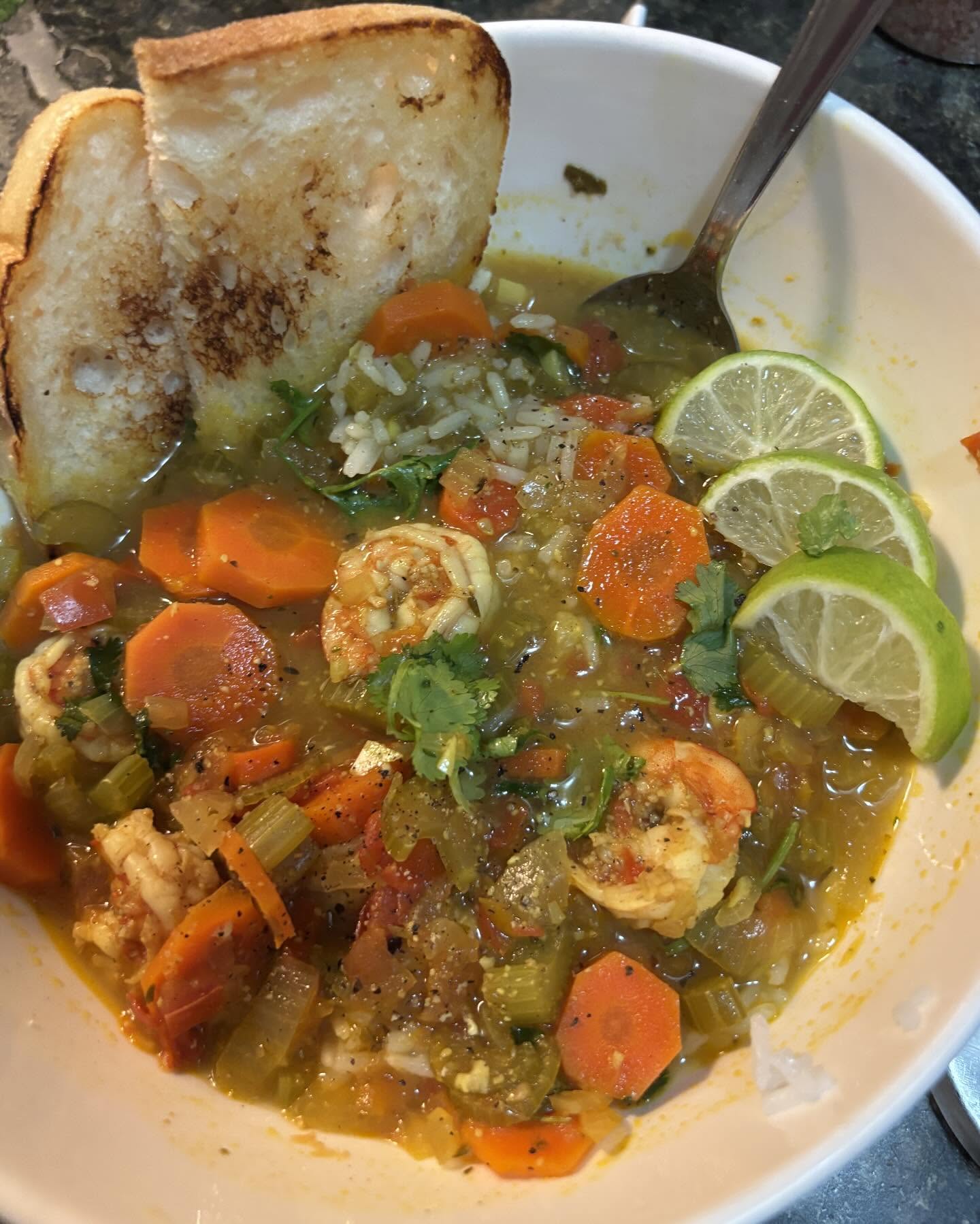
Cajun Shrimp and Rice Soup with Fresh Lime and Garlic Toast is a comforting, flavor-packed meal that combines tender shrimp, long-grain white rice, colorful vegetables, and a warmly seasoned broth. Smoked paprika, Cajun seasoning, garlic, and aromatic herbs give the soup a savory depth, while fresh lime juice and cilantro brighten every spoonful.
The addition of rice makes this soup hearty enough to serve as a complete meal, while carrots, celery, tomatoes, and green bell pepper contribute sweetness, texture, and color. A small amount of butter rounds out the broth, creating a satisfying finish without requiring a complicated cooking process.
Golden garlic toast is the perfect companion. Its crisp edges and buttery garlic flavor complement the warm, slightly spicy soup, and the bread is ideal for soaking up the flavorful broth.
This homemade recipe is suitable for weeknight dinners, family meals, and relaxed weekend cooking. With straightforward ingredients and approximately 45 minutes of preparation and cooking time, it offers a delicious way to enjoy seafood in a nourishing, satisfying dish.
Origin
Cajun cuisine developed in Louisiana, particularly among the descendants of Acadian settlers who arrived in the region after being displaced from parts of Canada. Over generations, their cooking traditions blended with local ingredients, regional agricultural practices, and influences from other Louisiana communities.
Traditional Cajun cooking is known for its generous use of onions, celery, bell peppers, garlic, herbs, and spices. These ingredients form the foundation of many flavorful dishes, including gumbos, stews, rice dishes, and seafood preparations.
Shrimp is an important ingredient in Louisiana cooking because the Gulf Coast provides abundant seafood. Rice is also a natural partner for shrimp, helping create filling meals that make good use of accessible pantry staples.
This particular shrimp and rice soup is a modern home-style interpretation inspired by Cajun flavors rather than a single established traditional recipe. The combination of Cajun seasoning, smoked paprika, vegetables, shrimp, and rice creates a comforting soup with a distinctly Southern-inspired character. Fresh lime juice and cilantro add a bright finish that complements the rich, savory broth.
Cultural Significance
Food in Louisiana reflects a rich mixture of cultural traditions, local ingredients, and generations of shared cooking knowledge. Cajun and Creole cuisines are both associated with flavorful one-pot dishes, seafood, rice, and meals designed to bring people together.
Soups and stews are particularly practical because they combine several ingredients in one pot, allowing their flavors to develop together. Vegetables form a savory foundation, seasonings add depth, and seafood contributes a delicate sweetness.
Although this recipe is not presented as a traditional Louisiana classic, it draws inspiration from the region’s love of bold seasoning and satisfying seafood meals.
The accompanying garlic toast adds a familiar comfort-food element. Crispy bread alongside a warm bowl of soup makes the meal feel complete, especially during cooler evenings or when a hearty homemade dinner is desired.
This recipe is also easy to adapt for different households. The spice level can be adjusted, the broth can be made with chicken or seafood stock, and additional vegetables can be included according to preference. These simple changes make it convenient for family dinners without sacrificing its Cajun-inspired flavor.
Ingredients and Quantities
For the Shrimp Soup
- 1 pound large shrimp, peeled and deveined
- 3/4 cup uncooked long-grain white rice
- 2 tablespoons olive oil
- 1 medium onion, finely chopped
- 3 cloves garlic, minced
- 2 medium carrots, sliced
- 2 celery stalks, chopped
- 2 medium tomatoes, diced
- 1 small green bell pepper, diced
- 6 cups chicken or seafood broth
- 1 tablespoon Cajun seasoning, divided
- 1 teaspoon smoked paprika, divided as needed
- 1/2 teaspoon ground cumin
- 1/2 teaspoon dried thyme
- 1/2 teaspoon dried oregano
- 1/4 teaspoon cayenne pepper, optional
- 1/2 teaspoon ground black pepper, or to taste
- Salt, to taste
- 2 tablespoons fresh lime juice
- 1/4 cup fresh cilantro, chopped
- 1 tablespoon unsalted butter
For the Garlic Toast
- 4 thick slices French bread
- 2 tablespoons unsalted butter, softened
- 2 cloves garlic, minced
- 1 tablespoon fresh parsley, chopped
- 1/4 teaspoon garlic powder
For Garnishing
- Fresh lime wedges
- Extra chopped cilantro
- Freshly ground black pepper
Ingredient Notes
Shrimp: Large shrimp are ideal because they remain substantial in the soup and are easy to eat with a spoon. Fresh or frozen shrimp can be used. If using frozen shrimp, thaw them safely in the refrigerator before cooking, then drain and pat them dry.
Rice: Long-grain white rice works well because it absorbs the broth while retaining a pleasant texture. Brown rice requires a longer cooking time, so it should not be substituted without adjusting the method.
Cajun seasoning: Commercial blends vary considerably in saltiness and heat. Check the label before adding extra salt, especially if your broth is already seasoned.
Chicken or seafood broth: Seafood broth provides a more pronounced seafood flavor, while chicken broth produces a milder, savory base. Choose a lower-sodium option if you want greater control over the final seasoning.
Fresh lime juice: Lime brings acidity and freshness to the finished soup. Add it near the end of cooking to preserve its bright flavor.
Cilantro and parsley: Cilantro complements the soup, while parsley adds freshness to the garlic toast. If you dislike cilantro, you can substitute additional parsley.
French bread: A sturdy loaf provides a crisp surface and soft interior. Baguette slices or another crusty bread are suitable alternatives.
Optional Additions
This soup is flexible enough to accommodate a variety of ingredients without losing its Cajun-inspired character.
Andouille-Style Smoked Sausage
For a more substantial Louisiana-inspired variation, add approximately 4 ounces of fully cooked smoked sausage, sliced into rounds. Brown it in the pot before sautéing the vegetables. Check the label for ingredients and seasoning, since sausage can add significant salt and fat.
Extra Vegetables
Add a handful of chopped spinach or kale during the final few minutes of cooking. You can also include diced zucchini or additional bell pepper for more vegetable variety.
Corn Kernels
Add 1/2 cup of corn kernels for a touch of sweetness. Frozen corn can go directly into the simmering broth, although the soup may need a little extra time to return to a gentle simmer.
A Creamier Broth
For a richer variation, stir in a small splash of evaporated milk or cream after the rice has cooked. Keep the heat low and avoid boiling vigorously after adding dairy. This changes the soup from a lighter broth-based version into a creamy seafood soup.
Extra Heat
Increase the cayenne pepper gradually or add a little hot sauce at the table. This allows everyone to control the spice level of their own serving.
Lemon Instead of Lime
Fresh lemon juice works well if lime is unavailable. The flavor will be slightly different, but the acidity still helps balance the savory broth.
Brown Rice
Brown rice adds a nuttier flavor and more fiber, but it needs substantially longer to cook than white rice. For the best texture, cook it separately and add it to the soup near the end, or adjust the recipe using the package’s recommended cooking time.
Tips for Success
1. Season the Shrimp Lightly
Toss the shrimp with part of the Cajun seasoning, some of the paprika, and a little black pepper before cooking. This gives the seafood flavor from the beginning.
Remember that Cajun seasoning can be salty, so avoid adding too much salt before tasting the finished broth.
2. Build Flavor with the Vegetables
Allow the onion, carrots, celery, and green bell pepper to soften in the olive oil before adding the liquid. This helps release their natural flavors and creates a more developed soup base.
Avoid rushing this step. Five to seven minutes is usually enough for the vegetables to begin softening.
3. Cook the Garlic Briefly
Garlic can become bitter if it browns too much. Add it after the vegetables have started softening and cook only until fragrant.
4. Rinse the Rice
Rinse the rice under cold water before adding it to the pot. This removes some surface starch and helps prevent the broth from becoming unnecessarily cloudy or thick.
5. Monitor the Rice Carefully
Rice continues absorbing liquid as it cooks and can become mushy if left simmering for too long. Begin checking it around the 15-minute mark and follow the package guidance if needed.
If you expect leftovers, consider cooking the rice separately and adding it to individual bowls. This helps the rice retain its texture and prevents it from absorbing too much broth during storage.
6. Avoid Overcooking the Shrimp
Shrimp cook quickly. Add them when the rice is nearly tender and simmer gently until the shrimp are opaque and firm, generally about 3 to 5 minutes depending on their size.
For food safety, shrimp should reach an internal temperature of 145°F (63°C). Use a food thermometer when practical, and avoid relying on color alone to determine doneness.
7. Add Lime Juice at the End
Fresh lime juice tastes brightest when added after the main cooking is complete. Stir it in just before serving and adjust the amount to suit your taste.
8. Taste Before Adding More Salt
The broth, Cajun seasoning, and butter all contribute flavor. Taste the soup after adding the shrimp and lime, then adjust the seasoning gradually.
9. Keep the Garlic Toast Crisp
Prepare the garlic butter while the soup simmers, but toast the bread near serving time. This helps the bread remain crunchy rather than becoming soft before it reaches the table.
10. Make the Broth Work for You
If the soup becomes thicker than you prefer because the rice absorbs liquid, stir in additional warm broth or water. If it tastes too mild, add a small amount of Cajun seasoning, black pepper, or lime juice.
Instructions
Step 1: Prepare the Shrimp
If using frozen shrimp, thaw them in the refrigerator before cooking. Remove any remaining shells or veins, then pat the shrimp dry with paper towels.
Place the shrimp in a bowl and season with approximately half of the Cajun seasoning, some of the smoked paprika, and a pinch of black pepper. Toss gently to coat and set aside in the refrigerator while preparing the vegetables.
Keep raw shrimp separate from ready-to-eat ingredients, and wash your hands and any utensils that come into contact with the raw seafood.
Step 2: Sauté the Vegetables
Heat the olive oil in a large soup pot or Dutch oven over medium heat.
Add the chopped onion, sliced carrots, celery, and diced green bell pepper. Cook for 5 to 7 minutes, stirring occasionally, until the vegetables begin to soften.
The onion should become translucent, and the carrots should start to lose their firmness. The vegetables do not need to be completely tender at this stage because they will continue cooking in the broth.
Step 3: Add the Garlic and Tomatoes
Stir in the minced garlic and diced tomatoes.
Cook for another 2 to 3 minutes, stirring frequently, until the garlic becomes fragrant and the tomatoes begin releasing their juices.
Scrape the bottom of the pot with a wooden spoon if any vegetables have started sticking. The moisture from the tomatoes will help loosen the flavorful browned bits.
Step 4: Season the Soup Base
Add the remaining Cajun seasoning, ground cumin, dried thyme, dried oregano, optional cayenne pepper, and the remaining smoked paprika.
Stir well so the spices coat the vegetables evenly.
Allow the seasonings to cook briefly, about 30 seconds, to release their aromas. If the mixture looks dry or starts sticking, move directly to the next step rather than allowing the spices to burn.
Step 5: Add the Broth and Rice
Pour in the chicken or seafood broth and stir to combine.
Increase the heat until the broth reaches a gentle boil. Rinse the uncooked rice under cold running water, drain it, and add it to the pot.
Reduce the heat to medium-low, cover partially or fully according to your pot, and simmer gently for approximately 15 to 18 minutes, or until the rice is nearly tender. Stir occasionally to prevent sticking.
Check the rice toward the end of this period. If it remains firm, continue cooking a little longer before adding the shrimp.
Step 6: Cook the Shrimp
Add the seasoned shrimp to the simmering soup and stir gently to distribute them throughout the pot.
Cook for approximately 3 to 5 minutes, depending on their size, until the shrimp are opaque and have reached an internal temperature of 145°F (63°C).
Avoid boiling the soup aggressively at this stage. A gentle simmer helps the shrimp cook evenly and reduces the chance of overcooking them.
Step 7: Finish with Lime, Herbs, and Butter
Reduce the heat to low.
Stir in the unsalted butter, fresh lime juice, and chopped cilantro. Allow the butter to melt into the broth.
Taste the soup and adjust the salt, black pepper, Cajun seasoning, or lime juice as needed. If the rice has absorbed more broth than expected, add a little warm stock or water to reach your preferred consistency.
Remove the pot from the heat once the shrimp and rice are properly cooked.
Step 8: Prepare the Garlic Butter
While the soup finishes cooking, place the softened butter in a small bowl.
Add the minced garlic, chopped parsley, and garlic powder. Mix thoroughly until the garlic and herbs are evenly distributed throughout the butter.
If the butter is too firm to spread, let it stand at room temperature briefly. Avoid melting it completely, since softened butter is easier to spread evenly across the bread.
Step 9: Toast the Bread
Spread the garlic butter over the French bread slices.
To use a skillet, heat it over medium heat and place the bread butter-side down. Toast until golden and crisp, then turn briefly if you want both sides toasted.
Alternatively, arrange the bread on a baking sheet and place it under a preheated broiler for approximately 2 to 4 minutes, watching carefully. Broilers can brown bread very quickly, so do not leave it unattended.
Remove the bread when the edges are golden and the garlic butter is fragrant. Allow it to cool briefly before serving.
Step 10: Serve the Soup
Ladle the hot shrimp and rice soup into deep bowls, distributing the shrimp, rice, and vegetables evenly.
Garnish with extra chopped cilantro and freshly ground black pepper. Add lime wedges on the side so each person can adjust the acidity to taste.
If the soup has thickened while waiting, stir in a little warm broth before serving.
Step 11: Add the Garlic Toast
Arrange the golden garlic toast beside each bowl of soup.
Serve immediately while the broth is hot, the shrimp are tender, and the bread is crisp. Dip the toast into the broth as you eat, or enjoy it alongside each spoonful.
Description
Cajun Shrimp and Rice Soup with Fresh Lime and Garlic Toast combines a hearty broth with tender seafood, soft rice, and colorful vegetables. The onion, celery, carrots, bell pepper, and tomatoes create a flavorful base, while Cajun seasoning, smoked paprika, cumin, and dried herbs provide warmth and depth.
Fresh lime juice balances the savory flavors with a bright, tangy finish. Cilantro adds a fresh herbal note, and a small amount of butter gives the broth a smooth, rounded taste.
The garlic toast completes the meal with its crisp exterior and fragrant butter topping. Together, the soup and toast offer a satisfying contrast between warm broth, tender shrimp, soft rice, and crunchy bread.
This recipe is best served fresh, when the shrimp are juicy and the rice has a pleasant texture. It is a practical choice for a family dinner, especially when you want a comforting one-pot meal with a seafood twist.
Nutritional Information
The following figures are approximate estimates per serving, including a portion of garlic toast. Actual values depend on the type of broth, the Cajun seasoning brand, the size of the shrimp, the amount of salt used, and how the recipe is divided.
Assuming the recipe makes 6 servings:
| Nutrient | Approximate amount per serving |
|---|---|
| Calories | 390–450 |
| Protein | 27–32 g |
| Carbohydrates | 38–48 g |
| Total fat | 11–17 g |
| Saturated fat | 4–7 g |
| Fiber | 3–5 g |
| Sodium | 600–1,000 mg |
The original estimate of approximately 390 calories and 27 grams of protein per serving is plausible for a moderate portion, although actual values may be higher depending on the amount of rice, bread, butter, and shrimp in each bowl.
Shrimp provides protein, while rice supplies carbohydrates for energy. The carrots, celery, tomatoes, and bell pepper contribute fiber and a range of vitamins and minerals. Olive oil and butter provide fat that helps carry flavor throughout the dish.
For a lower-sodium version, choose reduced-sodium broth and Cajun seasoning, then add salt only after tasting. You can also serve smaller portions of garlic toast or use less garlic butter if you prefer a lighter meal.
Storage and Food Safety
Because this soup contains seafood and cooked rice, proper storage is important.
Refrigerate leftovers promptly in shallow, airtight containers. Do not leave the soup at room temperature for more than 2 hours, or more than 1 hour when the surrounding temperature is above 90°F (32°C).
For best quality and food safety, eat refrigerated leftovers within 3 to 4 days. Keep the refrigerator at 40°F (4°C) or below.
Reheat only the portion you plan to eat, bringing the soup to 165°F (74°C). Stir during reheating so the temperature becomes even throughout. Add a splash of broth or water if the rice has absorbed too much liquid.
Rice can become soft during storage, and the shrimp may become firmer after reheating. For better texture, cook and store the rice separately when preparing the soup specifically for future meals.
You can freeze the soup, but rice may become softer and shrimp may lose some of their original tenderness after thawing. If freezing is the plan, consider freezing the broth and vegetables separately, then adding freshly cooked rice and shrimp when reheating.
Thaw frozen leftovers in the refrigerator rather than on the counter. Reheat thoroughly before serving, and discard any food that has been stored improperly or shows signs of spoilage.
Store leftover garlic toast separately in a sealed container. It is best eaten fresh, but it can be reheated briefly in an oven or skillet to restore some crispness.
Conclusion
Cajun Shrimp and Rice Soup with Fresh Lime and Garlic Toast is a flavorful, comforting meal that brings together tender shrimp, rice, vegetables, and a warmly spiced broth. The combination of Cajun seasoning, smoked paprika, garlic, and herbs creates depth, while lime juice and cilantro keep the final flavor bright and balanced.
The recipe is simple enough for a weeknight dinner yet satisfying enough to serve to family and friends. Preparing the soup in one pot also makes cooking and cleanup manageable, while the garlic toast adds a crisp, buttery finishing touch.
For the best result, cook the rice until nearly tender before adding the shrimp, avoid overcooking the seafood, and finish with fresh lime juice just before serving. These small details help preserve the texture and flavor of every ingredient.
Recommendation
Serve this soup with freshly toasted garlic bread and extra lime wedges so everyone can adjust the flavor to their liking. A simple green salad or a side of steamed vegetables can also complement the meal without making it too heavy.
If you prefer a milder soup, omit the cayenne pepper and use a less spicy Cajun seasoning. For a bolder version, add a little extra seasoning or hot sauce gradually, tasting as you go.
For convenient meal preparation, chop the vegetables and mix the garlic butter in advance. Keep the shrimp refrigerated until you are ready to cook, and prepare the toast just before serving.
If you enjoy this recipe, two natural variations to explore are creamy shrimp soup, which uses a richer broth, and spicy seafood stew, which can include a broader variety of seafood and a more intense seasoning blend.
Embracing Healthful Indulgence
A satisfying meal can combine comfort, flavor, and a variety of ingredients. This shrimp and rice soup includes seafood for protein, rice for energy, and vegetables for additional nutrients, making it a balanced starting point for a homemade dinner.
You can adapt the recipe to suit your needs without losing its character. Choose reduced-sodium broth, adjust the Cajun seasoning, add extra vegetables, or serve a smaller piece of garlic toast alongside each bowl.
Fresh lime juice and herbs are particularly useful for enhancing flavor without relying on additional salt. Cooking the shrimp carefully and serving the soup with plenty of vegetables also helps preserve the qualities that make this dish enjoyable.
Ultimately, this recipe is about preparing a warm, flavorful meal that can be shared and enjoyed. With its savory broth, tender shrimp, aromatic spices, and crisp garlic toast, it offers a comforting way to bring a little Cajun-inspired flavor to your dinner table.