
Introduction
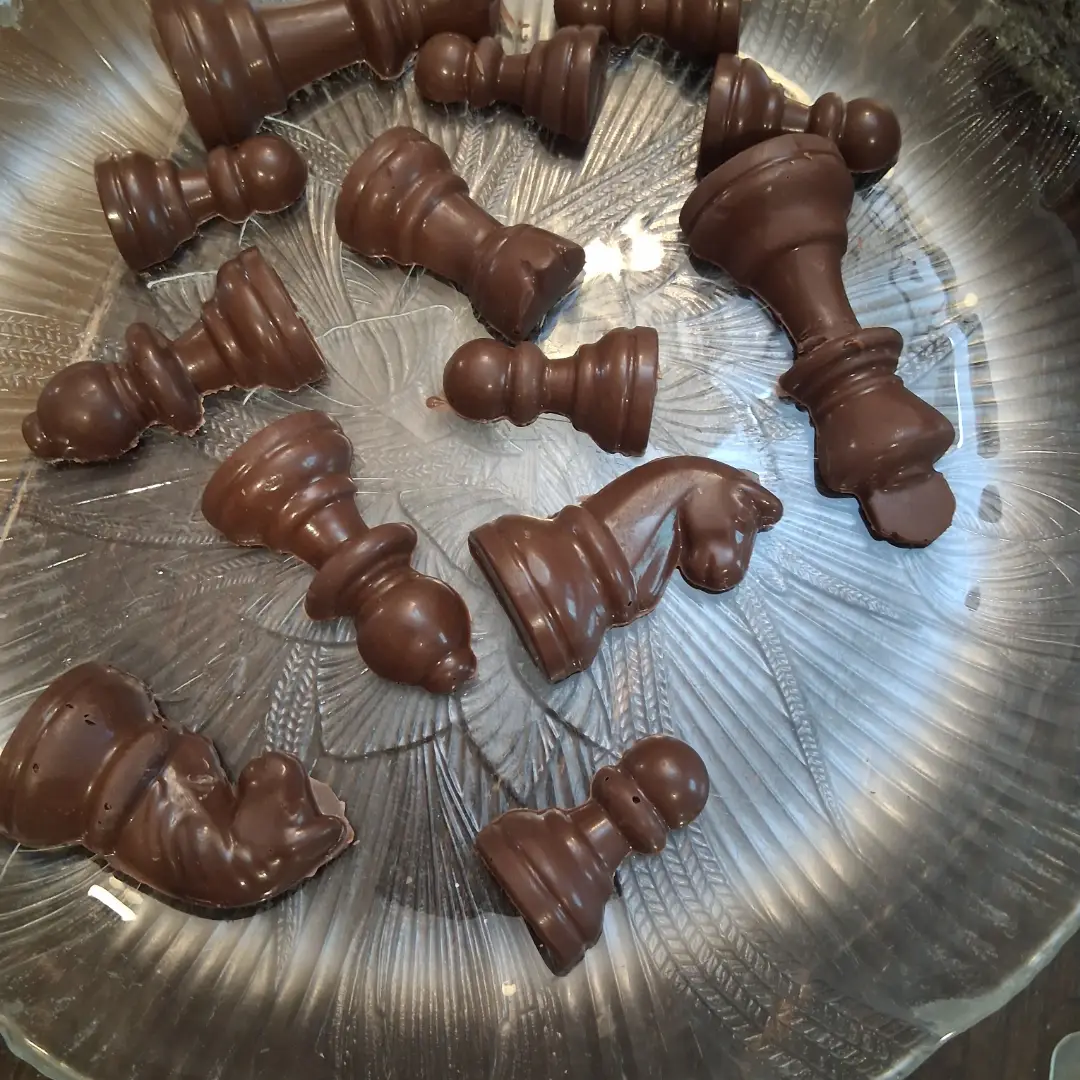
These elegant Chocolate Chess Pieces are a fun and impressive homemade chocolate project that combines classic chocolate-making techniques with detailed silicone molds. The finished pieces have a smooth, glossy appearance and a satisfying snap when properly tempered.
Using high-quality chocolate, a digital thermometer, and the seed-tempering method makes it possible to create professional-looking chocolate chess pieces at home. They are perfect for edible gifts, special occasions, dessert tables, or simply as a creative weekend project for chocolate lovers.
Origin and Cultural Significance
Chocolate molding is a long-standing confectionery technique used by chocolatiers to create decorative candies, figures, and specialty desserts. Chess-piece molds add a playful presentation to this traditional chocolate-making process.
Unlike a conventional baked dessert, this recipe focuses primarily on chocolate tempering and molding. Proper tempering is what gives the finished pieces their characteristic shine, firmness, and clean release from the mold.
Ingredients
For the Chocolate Chess Pieces
- 12–16 ounces high-quality chocolate, preferably chocolate bars or feves
- Dark, milk, or white chocolate may be used depending on your preference
Equipment
- Silicone chess-piece molds
- Digital kitchen thermometer
- Double boiler, or a heatproof bowl set over a pot of simmering water
- Rubber spatula
- Chocolate scraper or flat bench scraper
- Serrated knife
- Clean paper towel or microfiber cloth
Optional Additions
- Flaky sea salt for dark chocolate
- Finely chopped nuts
- Freeze-dried fruit pieces
- Edible gold or silver dust for decoration
- White chocolate combined with dark chocolate for contrasting chess pieces
Tips for Success
- Make sure the molds are completely dry. Even a small amount of water can cause melted chocolate to seize.
- Use high-quality chocolate designed for melting and tempering whenever possible.
- Avoid standard chocolate chips when a smooth molded finish is important, as many contain stabilizers that affect their melting behavior.
- Never allow the bottom of the bowl to touch the simmering water.
- Stir the chocolate gently and consistently while melting.
- A digital thermometer is essential for accurately controlling the tempering temperatures.
- Tap the filled mold firmly against the counter to remove trapped air bubbles, especially from detailed pieces such as knights and kings.
- Keep the work area relatively cool while the chocolate sets.
- Handle finished pieces with clean gloves or by their bases to minimize fingerprints.
Instructions
Prepare the Molds
- Wash the silicone chess-piece molds thoroughly with warm, soapy water.
- Rinse and dry them completely.
- Use a clean paper towel or microfiber cloth to polish the inside of each cavity.
- Make sure there is absolutely no moisture remaining before adding chocolate.
Chop and Divide the Chocolate
- Finely chop the chocolate using a serrated knife.
- Divide the chocolate into two portions:
- 75% for the melting base
- 25% for the seed chocolate
- Set the 25% portion aside.
Melt the Chocolate
- Fill a small saucepan with a little water and bring it to a gentle simmer.
- Place the 75% portion of chocolate in a heatproof bowl.
- Set the bowl over the saucepan, making sure its bottom does not touch the water.
- Stir continuously until the chocolate becomes completely smooth.
- Remove the bowl from the heat once it reaches the appropriate temperature:
Dark Chocolate: 115–120°F (46–49°C)
Milk Chocolate: 110–115°F (43–46°C)
White Chocolate: 105–110°F (40–43°C)
Temper the Chocolate Using the Seed Method
- Add the remaining 25% of unmelted chocolate to the melted chocolate.
- Stir continuously and thoroughly.
- The unmelted chocolate helps encourage the formation of stable cocoa butter crystals.
- Continue stirring until the chocolate reaches its working temperature:
Dark Chocolate: 88–91°F (31–32°C)
Milk Chocolate: 86–88°F (30–31°C)
White Chocolate: 82–84°F (28–29°C)
- If larger pieces of seed chocolate remain after reaching the target temperature, carefully remove them.
Fill the Chess Molds
- Carefully pour, spoon, or pipe the tempered chocolate into each chess-piece cavity.
- Fill the cavities completely.
- Firmly tap the mold against the countertop several times.
- Continue tapping until visible air bubbles rise to the surface.
- Use a chocolate scraper or flat bench scraper to remove excess chocolate from the top.
- Scraping the surface clean creates flat, even bases for the finished chess pieces.
Set the Chocolate
- Leave the filled mold at a cool room temperature of approximately 65–68°F (18–20°C).
- Allow the chocolate to set for about 20–30 minutes.
- If the room is warm, place the mold in the refrigerator for approximately 10–15 minutes instead.
- Avoid excessive refrigeration, as rapid temperature changes can affect the finished appearance.
Release the Chocolate Chess Pieces
- Once completely set, gently flex the silicone mold away from the chocolate pieces.
- Carefully push upward from the bottom of each cavity.
- Remove each chess piece without squeezing the detailed surfaces.
- Place the finished pieces on a clean, dry surface.
Description
These homemade Chocolate Chess Pieces are smooth, glossy, detailed, and completely edible. Properly tempered chocolate gives them a firm texture, clean finish, and satisfying snap, while the silicone mold creates the intricate shapes of individual chess pieces.
They make an impressive edible centerpiece and can also be packaged individually as creative homemade gifts.
Nutritional Information
Approximate per 1-ounce chocolate serving. Nutrition will vary depending on the type and brand of chocolate used.
- Calories: 150–170
- Carbohydrates: 15–18 g
- Protein: 2–3 g
- Fat: 9–11 g
- Saturated Fat: 5–7 g
- Sugar: 12–16 g
Recipe Details
- Prep Time: 20 minutes
- Melting & Tempering Time: 20–30 minutes
- Setting Time: 20–30 minutes
- Total Time: About 1–1½ hours
- Yield: Approximately 12–24 pieces, depending on mold size
- Difficulty: Moderate
- Method: Chocolate tempering and molding
Conclusion
Making Chocolate Chess Pieces at home is an entertaining way to practice professional-style chocolate tempering. The seed method may require careful temperature control, but the result is worth the extra attention: glossy, firm chocolates with beautifully defined details.
Once you master the basic technique, you can experiment with different chocolate varieties, decorations, and mold designs.
Recommendation
For the most impressive presentation, make one set with dark chocolate and another with white chocolate. Arrange the finished pieces together on a decorative serving board or package them individually as edible gifts.
If you are making these for a special occasion, prepare them ahead of time and store them in a cool, dry place away from direct sunlight and strong odors.
Embracing Healthful Indulgence
Chocolate is an indulgent treat, so these chess pieces are best enjoyed in moderate portions. Dark chocolate with a higher cocoa percentage can provide more cocoa solids and generally less added sugar than many milk or white chocolate varieties, although the nutritional profile depends on the specific chocolate used.
The real appeal of these chocolates is their craftsmanship and presentation—making a small portion feel like a special dessert experience.