
Introduction
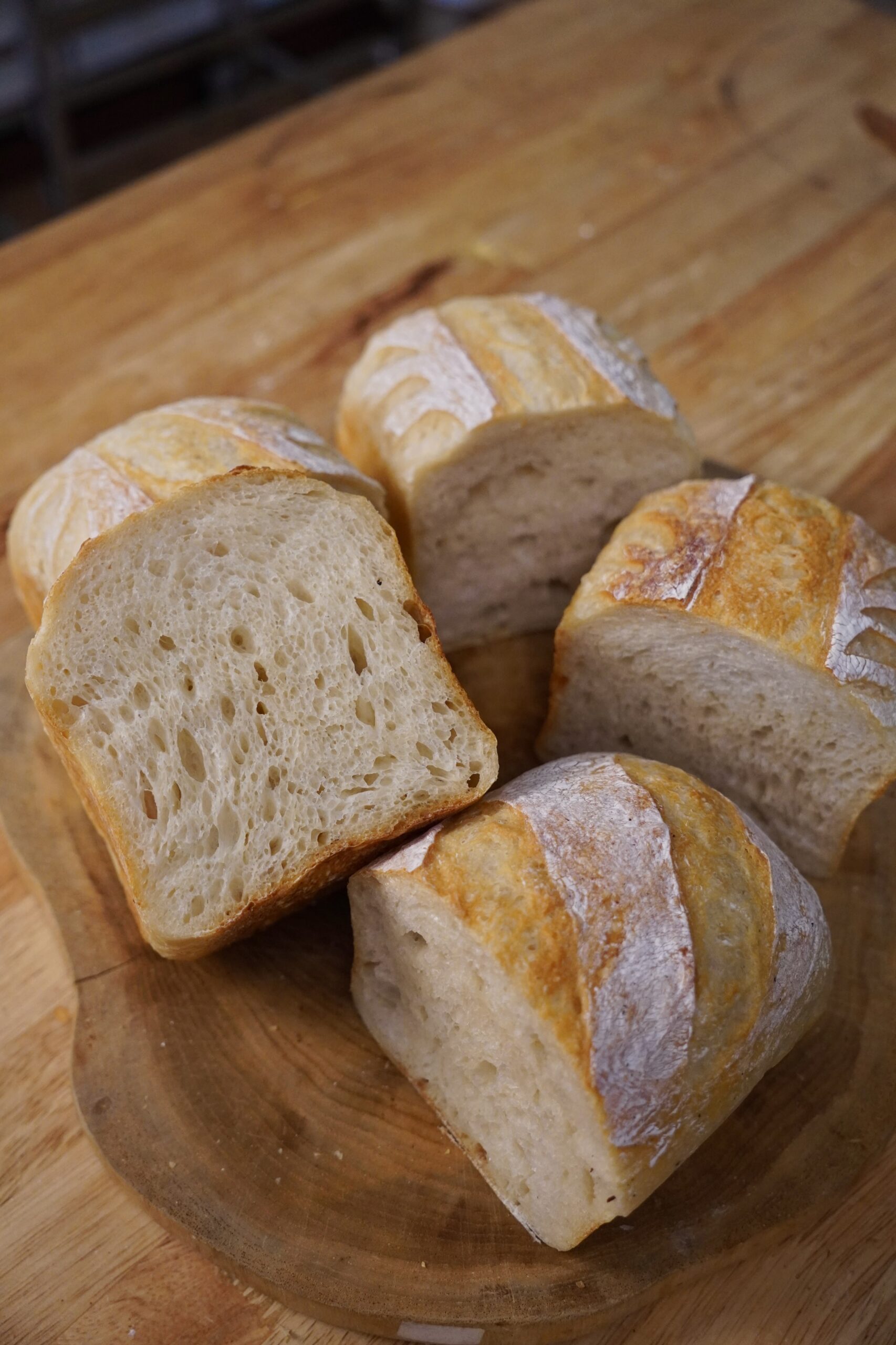
Classic Sourdough Sandwich Bread is a soft, flavorful loaf that combines the rich character of natural sourdough fermentation with the tender texture ideal for sandwiches and toast. Unlike rustic artisan loaves with thick crusts, this sandwich bread is designed to be soft, sliceable, and versatile, making it perfect for everyday use. Its subtle tang, moist crumb, and wholesome ingredients create a loaf that is both delicious and satisfying.
Origin
Sourdough bread is one of the oldest forms of leavened bread, dating back thousands of years to ancient civilizations that relied on wild yeast and natural fermentation. Modern sourdough sandwich bread evolved as bakers adapted traditional sourdough techniques to produce softer loaves suitable for sandwiches, toast, and family meals.
Cultural Significance
Bread is a staple food in many cultures, symbolizing nourishment, community, and tradition. Sourdough baking has experienced a resurgence in popularity as home bakers and artisan bakeries embrace traditional fermentation methods that enhance flavor, texture, and craftsmanship. A homemade sourdough sandwich loaf represents both heritage baking and everyday practicality.
Ingredients & Quantities
For the Dough
- 500 g bread flour
- 350 ml water
- 100 g active sourdough starter
- 10 g salt
- 1 tablespoon honey (optional)
- 1 tablespoon olive oil
Optional Additions
- Whole wheat flour for added fiber.
- Oats sprinkled on top.
- Sesame seeds.
- Sunflower seeds.
- Flaxseeds.
- Dried herbs such as rosemary or thyme.
- Milk instead of part of the water for a softer crumb.
Tips for Success
- Use a bubbly, active sourdough starter at peak activity.
- Weigh ingredients for the most consistent results.
- Allow adequate fermentation time for flavor development.
- Avoid adding too much flour during shaping.
- Let the dough rise fully before baking.
- Cool completely before slicing to preserve texture.
Instructions
Step 1: Mix the Dough
- In a large bowl, combine the water and active sourdough starter.
- Stir until the starter is dissolved.
- Add the bread flour and mix until no dry flour remains.
- Cover and let rest for 30 minutes.
Step 2: Add Remaining Ingredients
- Add the salt, honey (if using), and olive oil.
- Mix thoroughly until incorporated.
Step 3: Bulk Fermentation
- Cover the bowl and allow the dough to ferment at room temperature for 4–6 hours.
- Perform a stretch-and-fold every 30 minutes during the first 2 hours.
Step 4: Shape the Dough
- Transfer the dough to a lightly floured surface.
- Shape into a tight loaf.
- Place the dough into a greased loaf pan.
Step 5: Final Proof
- Cover and allow the dough to rise until it expands noticeably and reaches near the top of the pan.
- Depending on room temperature, this may take 2–4 hours.
Step 6: Bake
- Preheat the oven to 190°C (375°F).
- Bake for 35–40 minutes, or until the loaf is golden brown.
- The bread should sound hollow when tapped on the bottom.
Step 7: Cool and Serve
- Remove the loaf from the pan.
- Cool completely on a wire rack before slicing.
Description
This Classic Sourdough Sandwich Bread has a soft, tender crumb with a thin golden crust. The natural fermentation creates a mild tangy flavor that enhances both sweet and savory fillings. Its sturdy yet soft texture makes it ideal for sandwiches, toast, grilled cheese, and everyday table bread.
Nutritional Information
Approximate values per slice (based on 12 slices per loaf):
| Nutrient | Amount |
|---|---|
| Calories | 150 kcal |
| Carbohydrates | 29 g |
| Protein | 5 g |
| Fat | 2 g |
| Saturated Fat | 0.3 g |
| Fiber | 1 g |
| Sugar | 1 g |
| Sodium | 200 mg |
Values are estimates and may vary depending on ingredient brands and loaf size.
Conclusion
Classic Sourdough Sandwich Bread offers the best of both worlds: the complex flavor of traditional sourdough and the soft texture expected from a sandwich loaf. Whether used for toast, sandwiches, or enjoyed fresh with butter, it is a rewarding bread that showcases the beauty of natural fermentation.
Recommendation
Serve this bread with:
- Butter and jam.
- Peanut butter.
- Avocado and eggs.
- Deli meats and cheese.
- Grilled vegetables.
- Soups and stews.
- Toasted with olive oil.
For the freshest flavor, store the loaf in a bread box or airtight container and enjoy within a few days of baking.
Embracing Healthful Indulgence
Sourdough bread highlights how traditional baking methods can transform simple ingredients into something nourishing and flavorful. Natural fermentation contributes depth of flavor and may improve digestibility for some individuals. By choosing quality ingredients and enjoying homemade bread as part of a balanced diet, you can appreciate both the craftsmanship and wholesome satisfaction that sourdough baking provides.